Agonist-antagonist myoneural interface (AMI): Innovative treatment option for lower limb amputees?
M. N. Kalff, V. Hoursch, N. Kirsten, L. A. Pardo Jr., K. Kasprzak, M. Egger, S. N. Schmidt, S. Sehmisch, J. Ernst

TL;DR
The AMI is a new surgical technique that improves control and sensation for lower limb amputees by mimicking natural muscle interactions.
Contribution
AMI introduces a novel method for reconstructing proprioception and enabling bidirectional communication between prostheses and the nervous system.
Findings
AMI reduces cognitive load during prosthesis use compared to standard techniques.
AMI provides a more natural movement sensation, enhancing embodiment for amputees.
AMI improves both prosthetic control and sensory discrimination.
Abstract
Das „agonist-antagonist myoneural interface“ (AMI) ist ein innovativer Ansatz zur Rekonstruktion der Propriozeption und zur intuitiveren motorischen Kontrolle nach Gliedmaßenverlust. Es basiert auf der Nachbildung der natürlichen biomechanischen Beziehung zwischen Agonisten- und Antagonistenmuskeln, um dem Prothesennutzer eine bidirektionale Kommunikation zwischen der Prothese und seinem peripheren Nervensystem zu ermöglichen. Neurovaskulär gestielte Agonisten-Antagonisten-Muskelpaare werden durch eine adaptierte Sehnennaht in einem Gleitlager miteinander verbunden, sodass Spannungsänderungen während der Bewegung ein propriozeptives Feedback erzeugen. Dieses Feedback wird über afferente Nervenbahnen zum Zentralnervensystem weitergeleitet, wodurch eine Wahrnehmung der Gelenkposition des ursprünglich von dem Muskelpaar geführten Gelenks ermöglicht und gleichermaßen die Prothesensteuerung…
Genes, proteins, chemicals, diseases, species, mutations and cell lines named across the full text — each resolved to its canonical identifier and authoritative record.
Click any figure to enlarge with its caption.
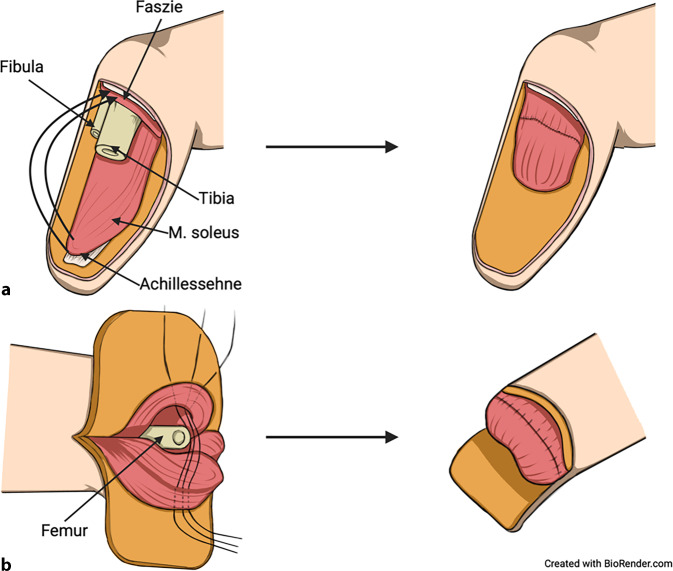 Figure 1
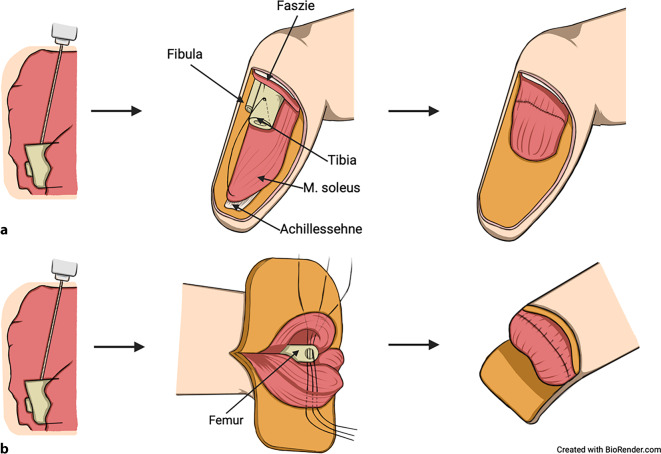 Figure 2
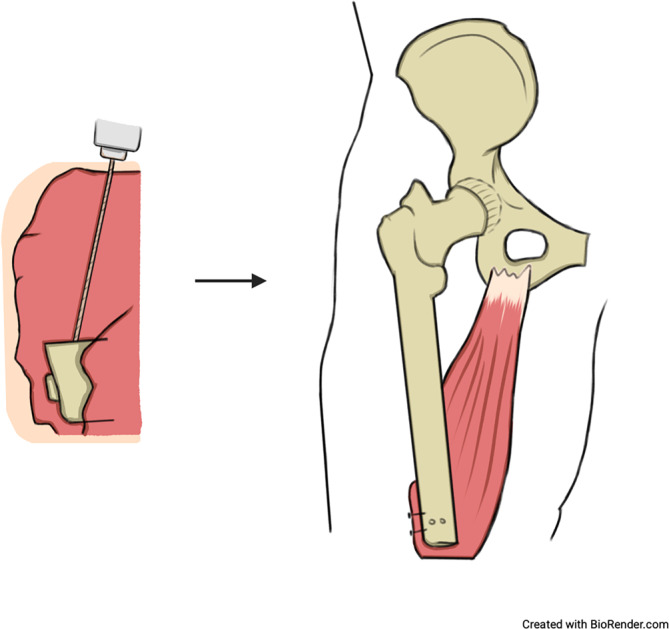 Figure 3
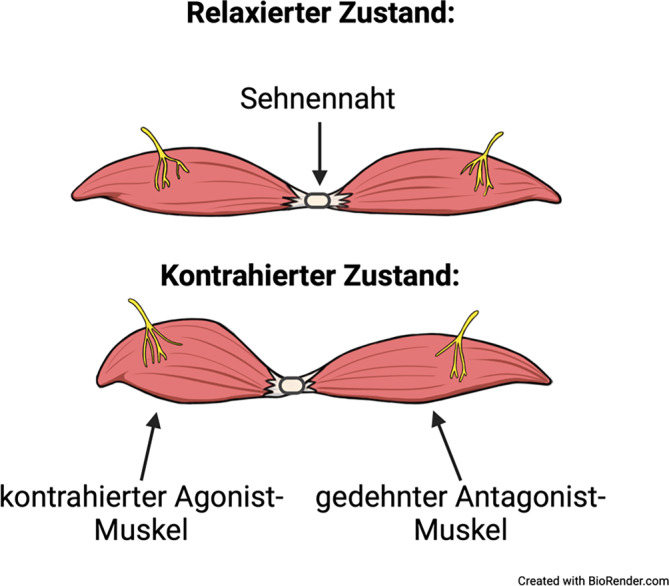 Figure 4
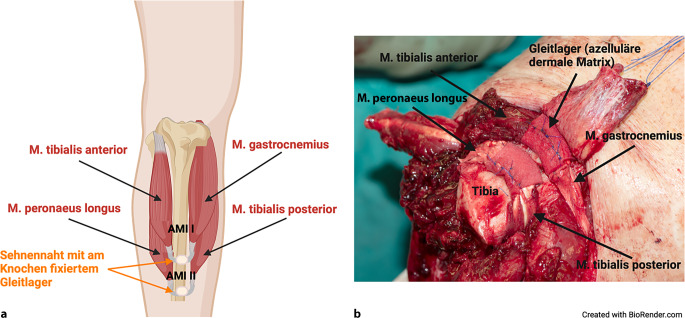 Figure 5
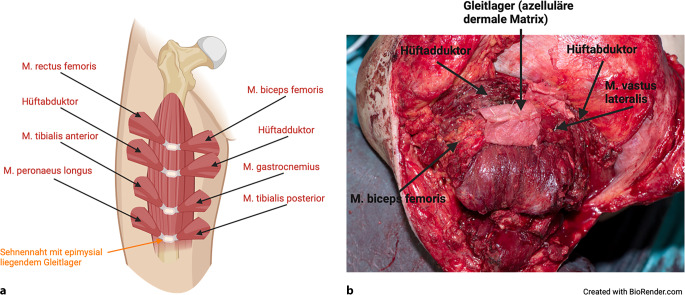 Figure 6
 Figure 7
Peer Reviews
No public reviews on file for this paper yet. If you reviewed it on a platform where reviews are public (OpenReview, ICLR, NeurIPS, ICML), you can paste yours below so the community can read it here.
Videos
No videos yet. Explain this paper in a talk, walkthrough, or lecture? Add one.
Taxonomy
TopicsMusculoskeletal pain and rehabilitation · Pain Management and Treatment · Myofascial pain diagnosis and treatment