Preliminary feasibility study on DTI to assess the early brain injury in germinal matrix-intraventricular hemorrhage rats
Chi Qin, Chenxi Guo, Huixian Li, Ronghao Mu, Meiying Cheng, Haiyang Li, Xiang Feng, Bohao Zhang, Yue Li, Jian Jin, Xin Zhao, Xiaoan Zhang

TL;DR
This study shows that DTI can detect early brain changes in a rat model of germinal matrix-intraventricular hemorrhage, helping assess both short-term and long-term neurological effects.
Contribution
The study demonstrates the feasibility of using DTI to detect early microstructural brain injury in a GMH-IVH rat model.
Findings
DTI parameters showed changes in the striatum and other brain regions after GMH-IVH, correlating with behavioral abnormalities.
Transcriptome analysis revealed upregulated hemoglobin genes and downregulated neurodevelopment pathways 24 hours after GMH-IVH.
Long-term behavioral tests showed abnormal motor function in GMH-IVH rats compared to the sham group.
Abstract
To evaluate the feasibility and efficacy of diffusion tensor imaging (DTI) for detecting early brain microstructure alterations in germinal matrix-intraventricular hemorrhage (GMH-IVH) rat model. This study used a postnatal day 5 (PND 5) rat model of GMH-IVH. T2-weighted imaging and DTI were performed during acute (6 h and 24 h) and subacute (3d and 7d) phases after GMH-IVH. Four DTI parameters including fractional anisotropy (FA), mean diffusion (MD), axial diffusion (AD) and radial diffusion (RD) were collected in 9 specific brain regions to assess the brain microstructure alterations. Early and long-term neurological function tests were evaluated. Transcriptome sequencing analysis was also performed to investigate possible underlying mechanisms. Regional abnormalities after GMH-IVH were observed in T2-weighted images that showed significant hypointense in striatum region which close…
Genes, proteins, chemicals, diseases, species, mutations and cell lines named across the full text — each resolved to its canonical identifier and authoritative record.
Click any figure to enlarge with its caption.
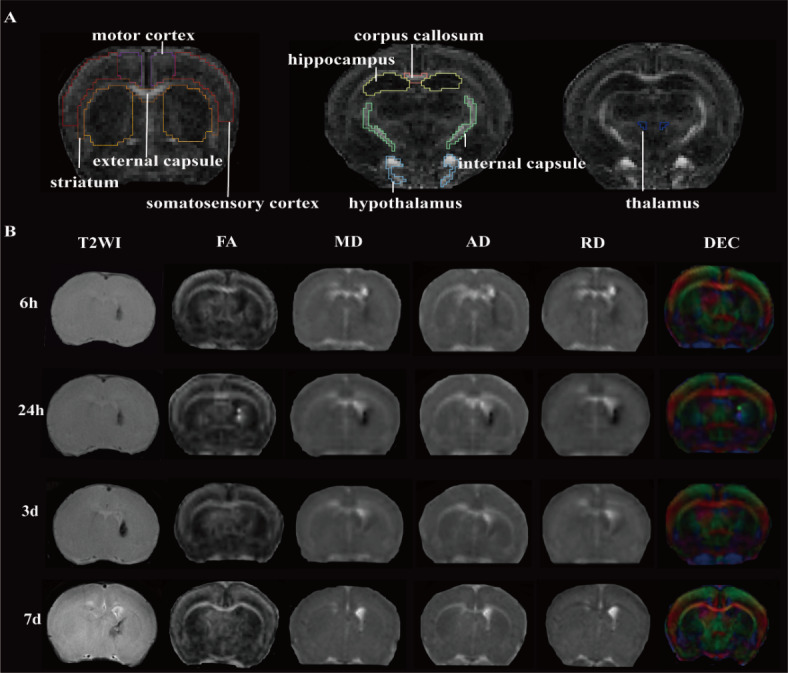 Figure 1
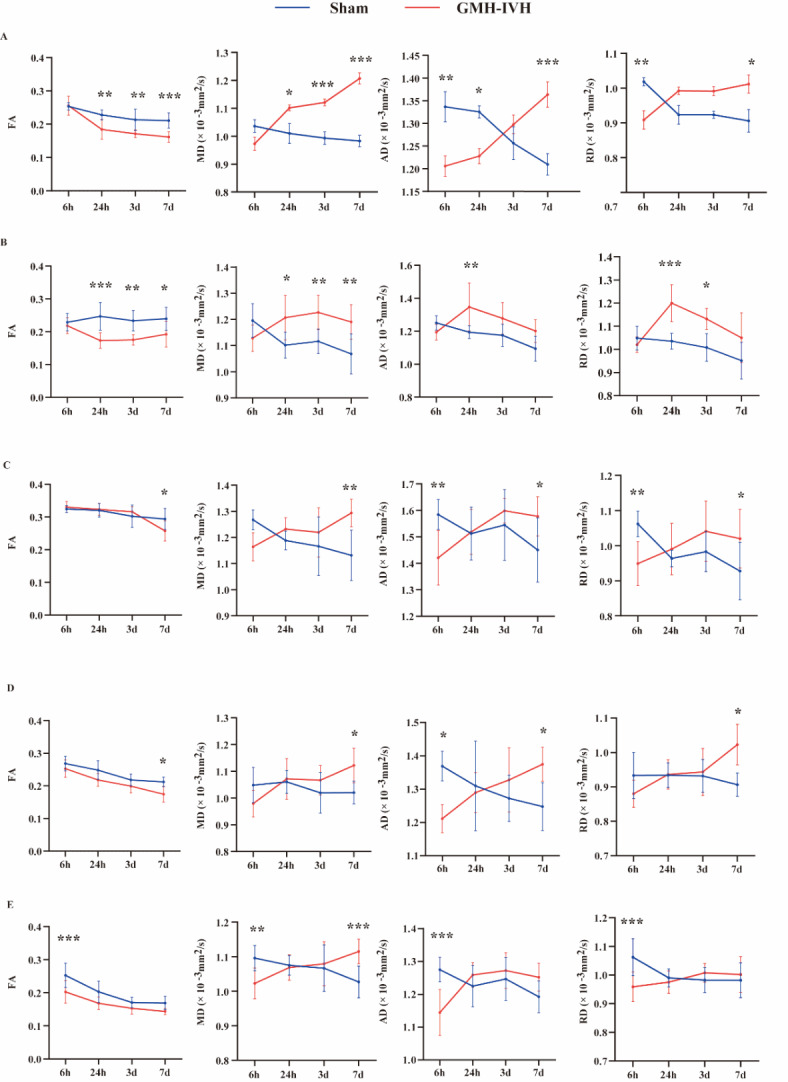 Figure 2
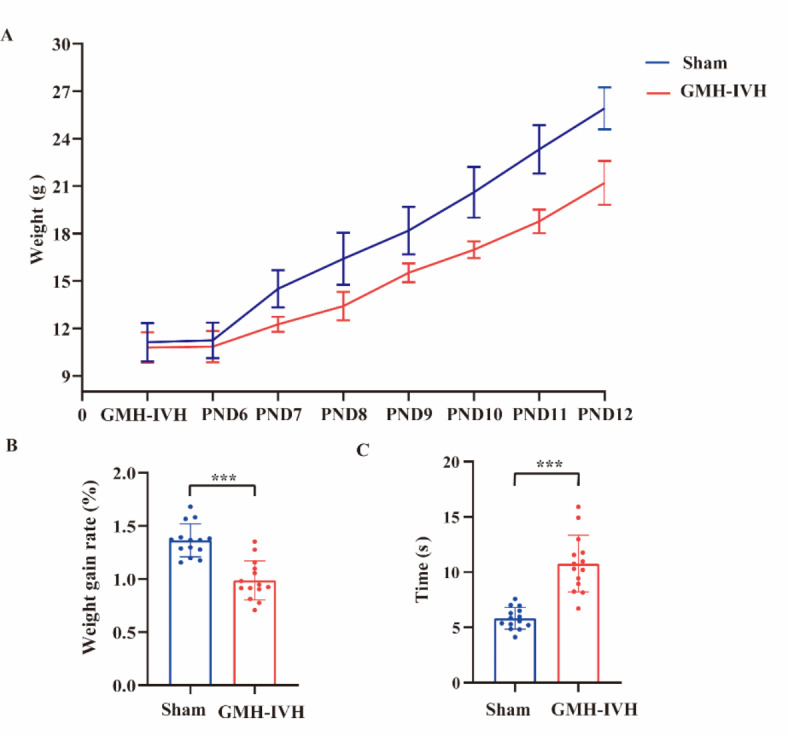 Figure 3
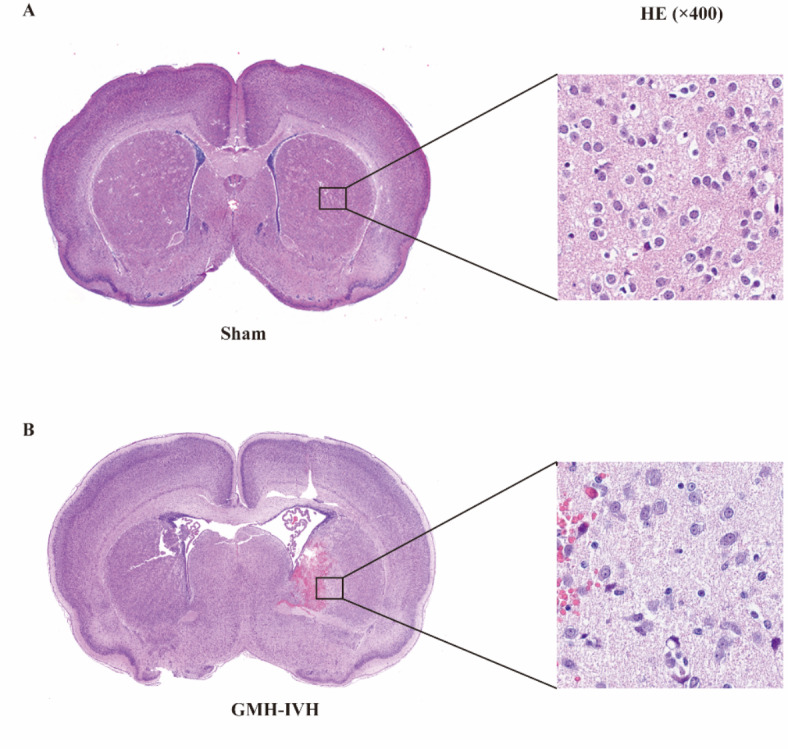 Figure 4
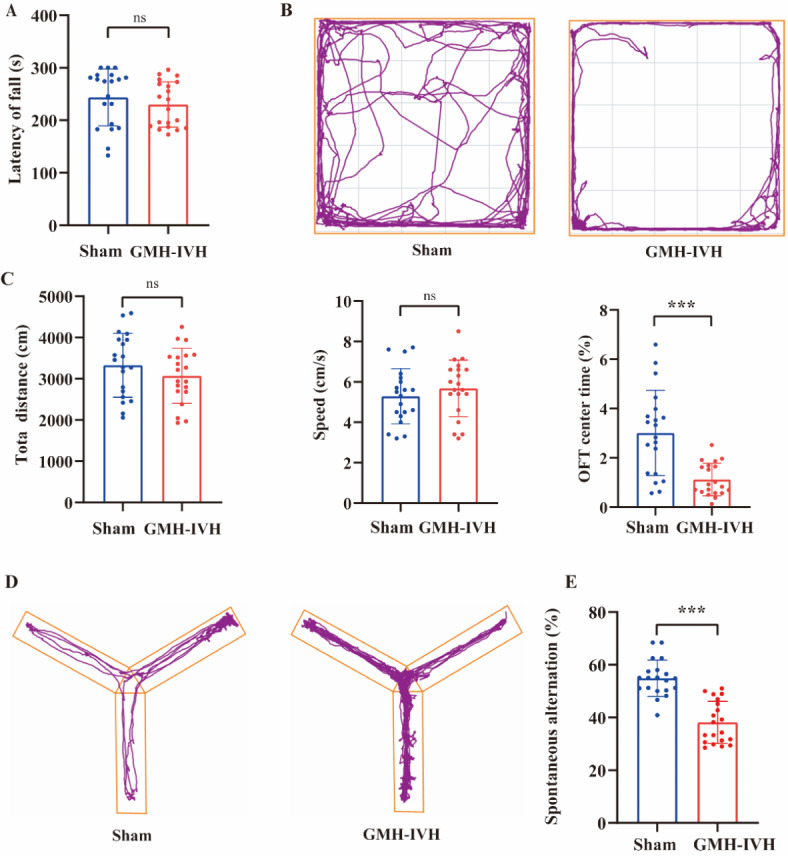 Figure 5
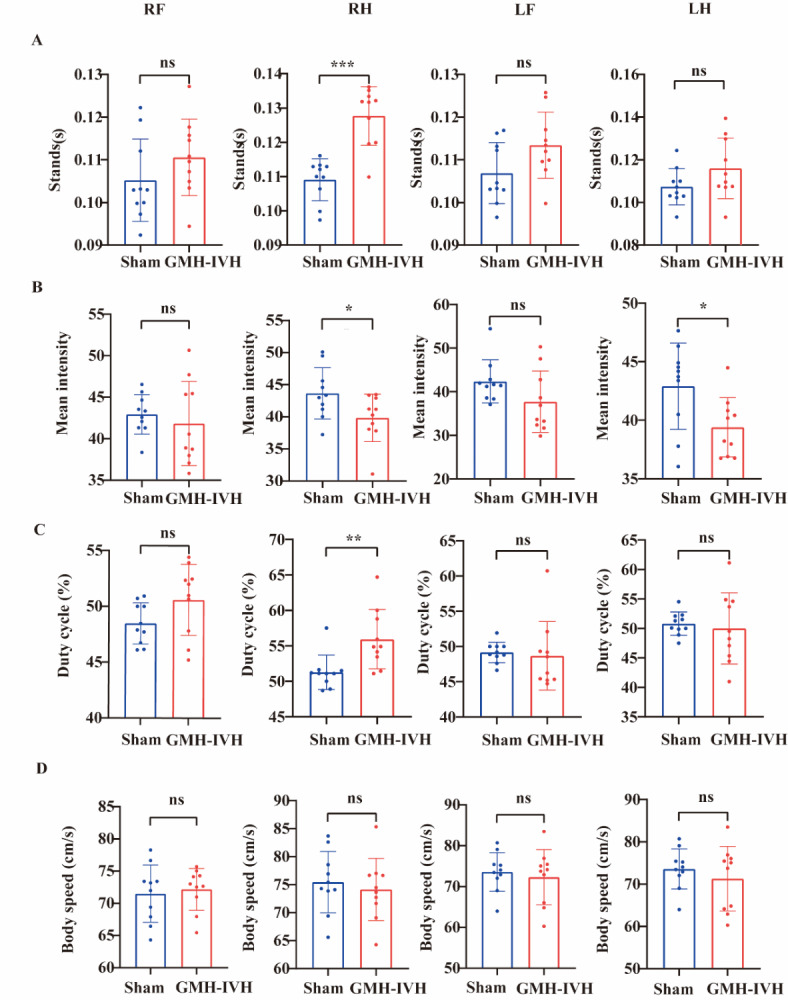 Figure 6
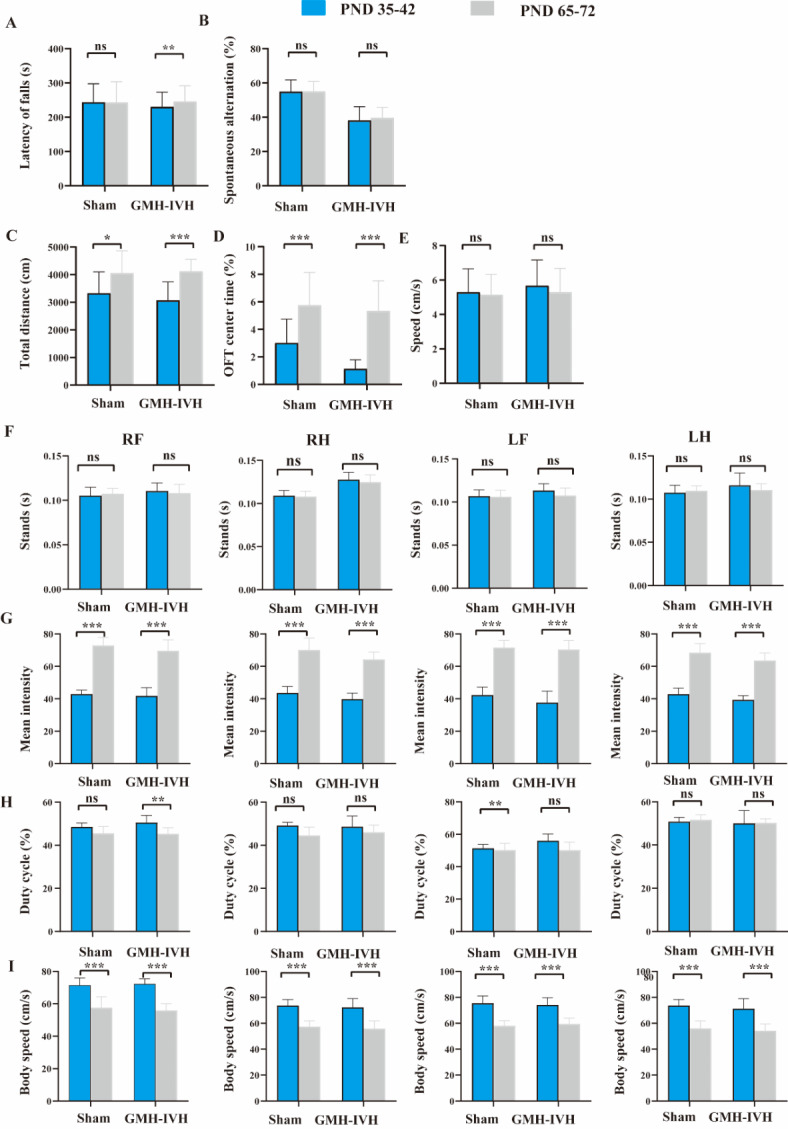 Figure 7
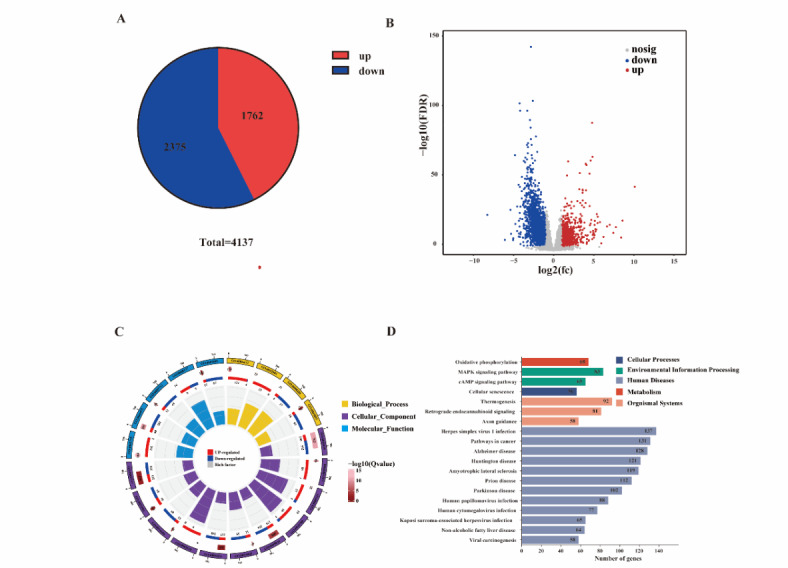 Figure 8
Peer Reviews
No public reviews on file for this paper yet. If you reviewed it on a platform where reviews are public (OpenReview, ICLR, NeurIPS, ICML), you can paste yours below so the community can read it here.
Videos
No videos yet. Explain this paper in a talk, walkthrough, or lecture? Add one.
Taxonomy
TopicsAdvanced Neuroimaging Techniques and Applications · Neonatal and fetal brain pathology · Fetal and Pediatric Neurological Disorders