The 4-vinylcyclohexene dioxide induced mouse ovarian premature failure is caused by down regulation of IGF1R and triggering excessive autophagy
Yuwei Niu, Yuyang Miao, Wenjing Wan, Qiankun Wang, Yingwan Ma, Menghao Pan, Baohua Ma, Qiang Wei

TL;DR
This study shows that a chemical called VCD causes mouse ovarian failure by reducing a key protein and triggering too much cell cleanup, leading to loss of egg cells.
Contribution
The study reveals a novel mechanism linking VCD exposure to ovarian failure through IGF1R downregulation and excessive autophagy.
Findings
VCD downregulates IGF1R in ovarian granulosa cells, inhibiting the IGF1R/AKT/mTOR signaling pathway.
VCD-induced IGF1R inhibition triggers excessive autophagy flux in human granulosa-like tumor cells.
Excessive autophagy caused by VCD leads to premature follicle activation and loss of ovarian function.
Abstract
The 4-Vinylcyclohexene dioxide (VCD) is a common occupational chemical which can lead to ovary toxicity. Autophagy is an evolutionarily conserved process that is crucial for regulating the follicular development during the whole reproductive lifespan. In order to study the effect and mechanism of VCD on autophagy in ovary, VCD was intraperitoneally injected into mouse to induce ovary toxicity model. The results showed that VCD inhibited IGF1R/AKT/mTOR signaling pathway by down-regulating the expression of IGF1R in ovarian granulosa cells (GCs) and induced autophagy in ovaries. In in vitro experiments further demonstrated that by VCD-induced IGF1R inhibition or siRNA-mediated IGF1R knockdown could trigger excessive autophagy flux in human granulosa-like tumor cell line KGN cells. Moreover, SC79, the activator of the IGF1R/AKT/mTOR signaling pathway could inhibit the excessive autophagy…
Genes, proteins, chemicals, diseases, species, mutations and cell lines named across the full text — each resolved to its canonical identifier and authoritative record.
Click any figure to enlarge with its caption.
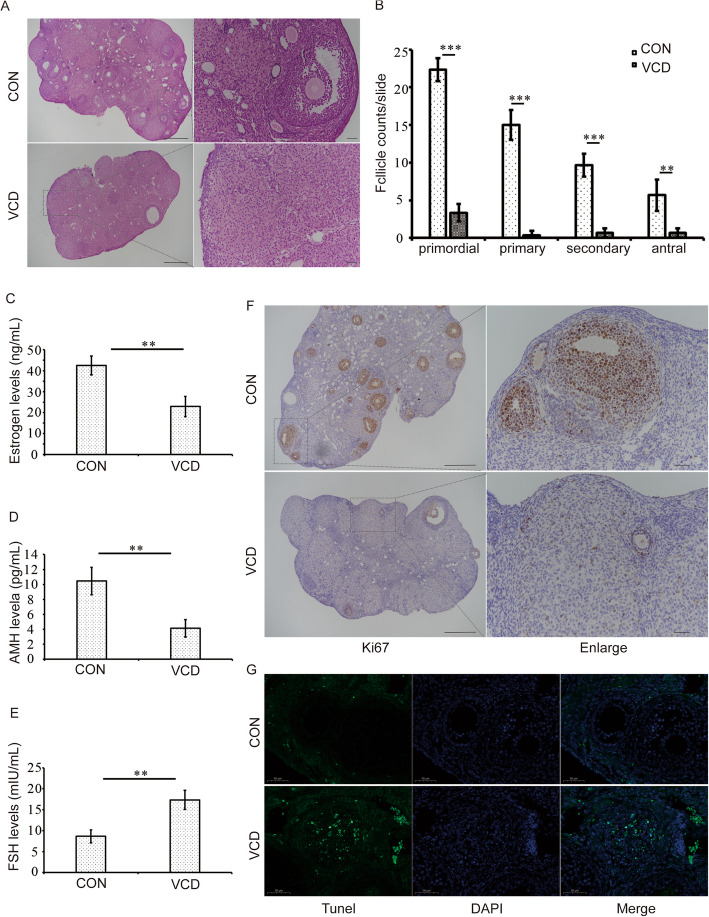 Figure 1
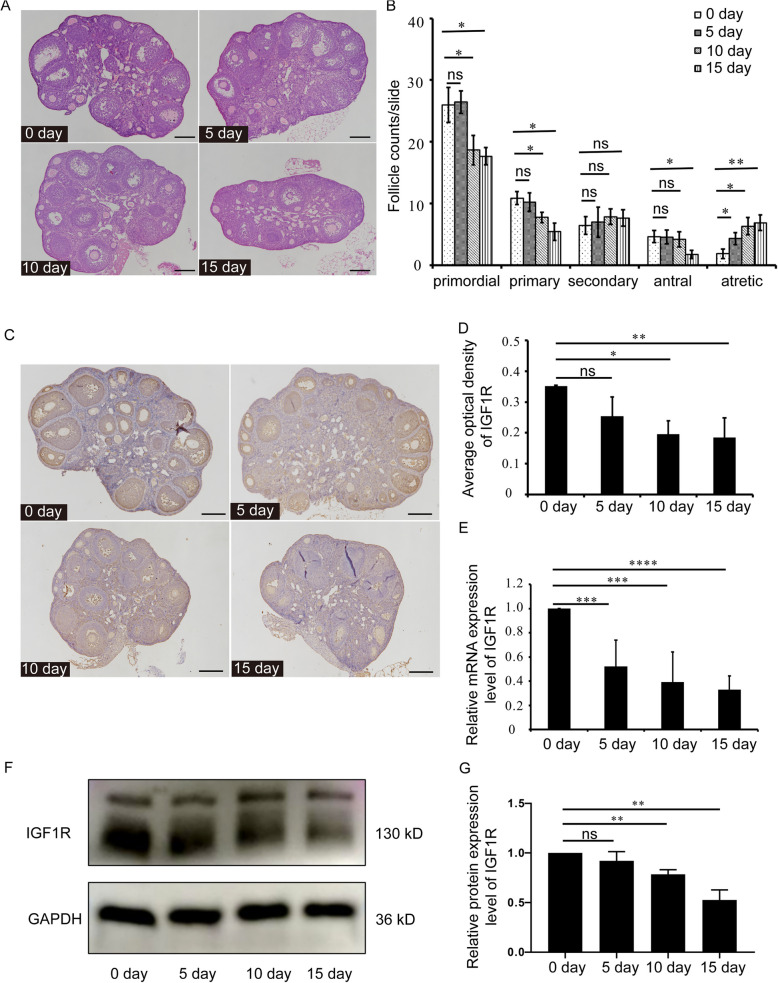 Figure 2
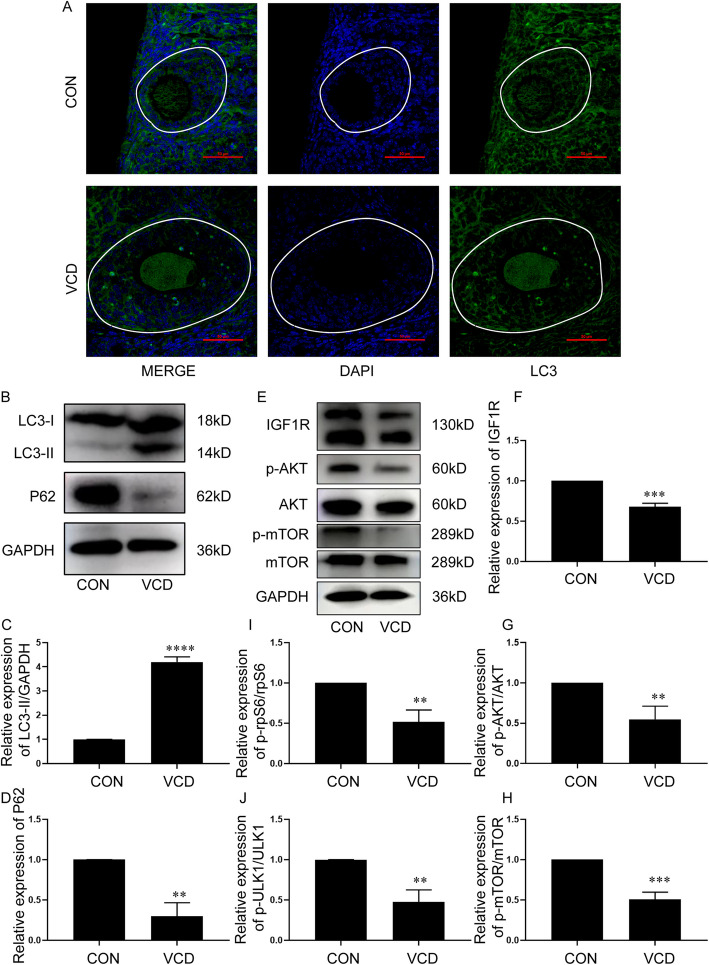 Figure 3
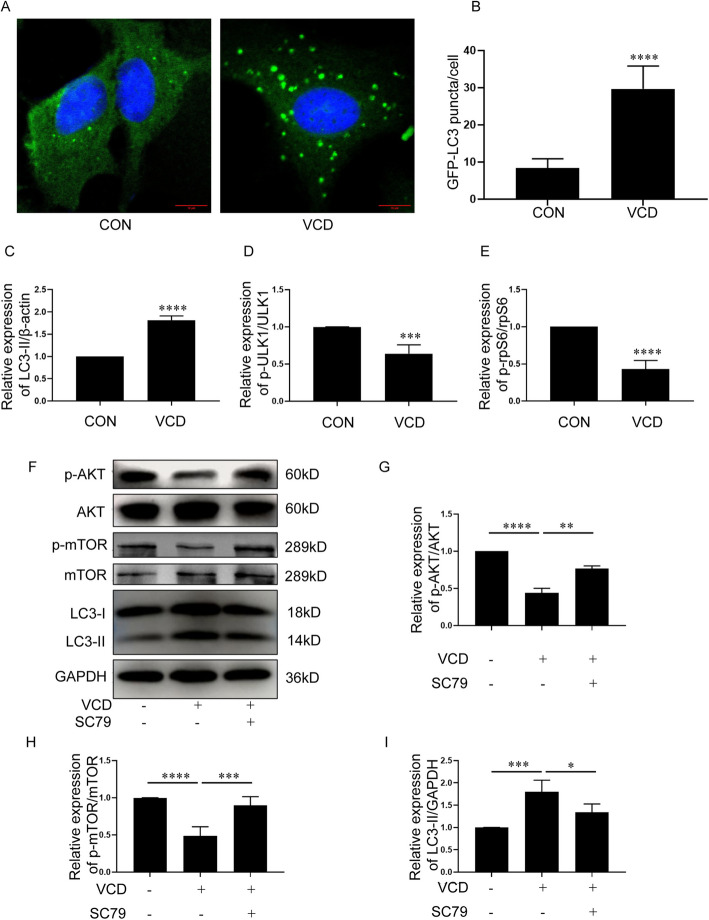 Figure 4
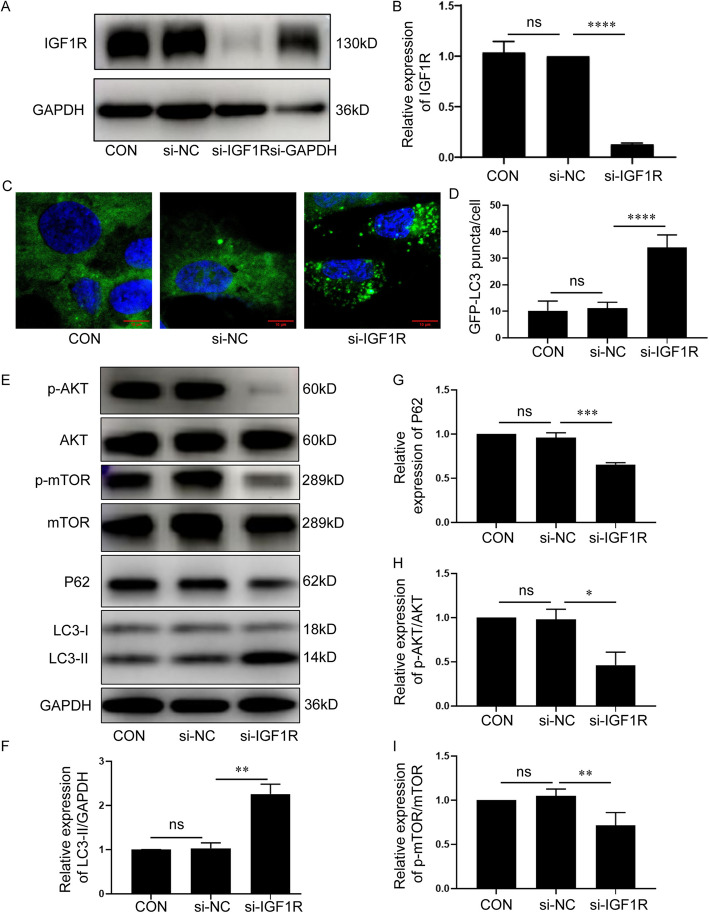 Figure 5
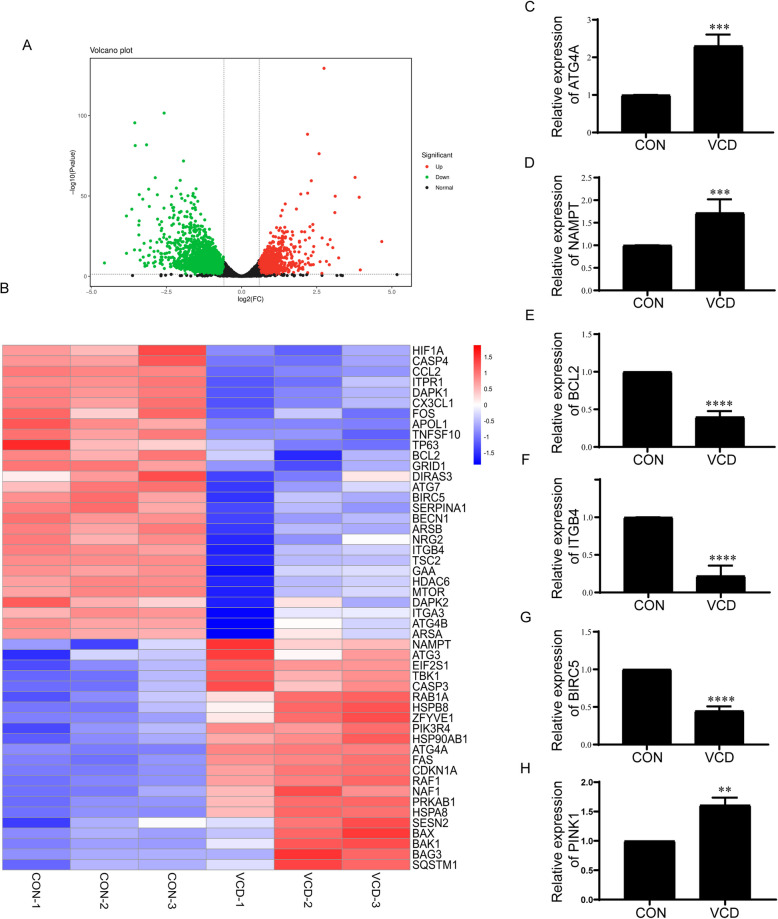 Figure 6
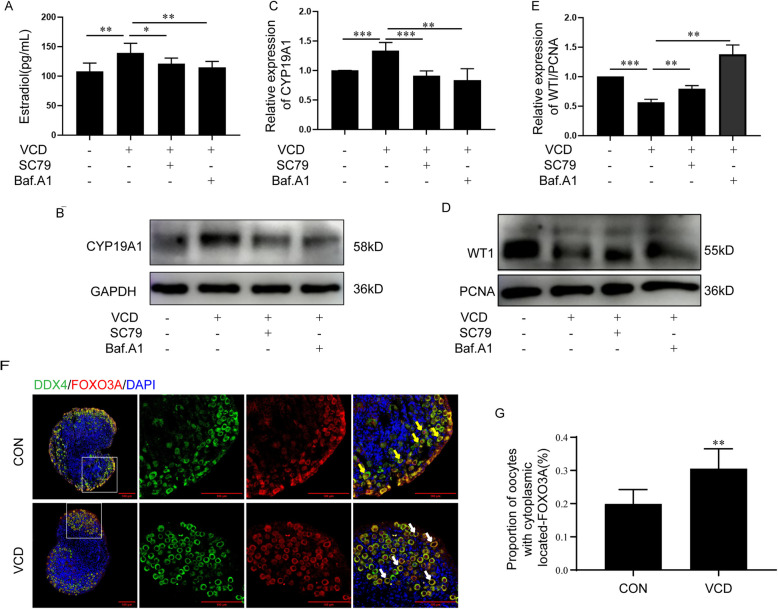 Figure 7
Peer Reviews
No public reviews on file for this paper yet. If you reviewed it on a platform where reviews are public (OpenReview, ICLR, NeurIPS, ICML), you can paste yours below so the community can read it here.
Videos
No videos yet. Explain this paper in a talk, walkthrough, or lecture? Add one.
Taxonomy
TopicsSirtuins and Resveratrol in Medicine · Autophagy in Disease and Therapy · Genomics, phytochemicals, and oxidative stress