The Areas of Echinococcosis From the Qinghai-Tibet Plateau Extend to Yunnan: An Observation of Deworming and Control Integrated Impact Evaluation on Dogs
Ben-Fu Li, Dan Xiao, Xin-Liu Yan, Jin-Rong Zi, Jia Peng, Jian-Xiong Li, Xuan Cai, Qian Xu, Zheng-Qing Wang, Fang-Wei Wu, Ya-Ming Yang

TL;DR
This study shows that comprehensive deworming and control measures in dogs can significantly reduce the spread of echinococcosis in Yunnan, China.
Contribution
The study evaluates the effectiveness of integrated deworming and prevention strategies in reducing echinococcosis in dogs and human behavior in a low-prevalence area.
Findings
The Echinococcus antigen positive rate decreased by 38.41% in the intervention group compared to baseline.
Comprehensive measures like dog registration and health promotion improved knowledge awareness by 30.57%.
Behavioral changes in people, such as handwashing and avoiding raw water, improved compared to baseline.
Abstract
Background: Echinococcus granulosus is a zoonotic parasitic disease caused by the larval stage of the parasite Echinococcus, which has a long incubation period, expensive diagnosis and treatment, and long duration of medication, so it brings a great economic burden to patients and their families. Shangri-La City is one of the counties with a high prevalence of echinococcosis in Yunnan Province. The antigen-positive rate of Echinococcus feces is high and there is a potential risk of infecting people. Evaluation of comprehensive prevention and control intervention and different frequencies of dewormed dogs (EC-DD) are crucial. Methods: From 2022 to 2023, Jiefang, Nishi, and Jidi villages in Jiantang Town of Shangri-La City were selected as the intervention group (TIG) and Hongpo Village as the control group (TCG) for EC-DD. TIG took comprehensive intervention measures such as…
Genes, proteins, chemicals, diseases, species, mutations and cell lines named across the full text — each resolved to its canonical identifier and authoritative record.
Click any figure to enlarge with its caption.
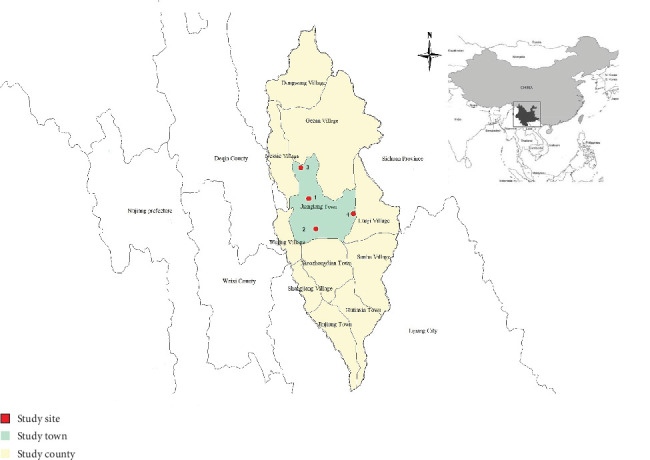 Figure 1
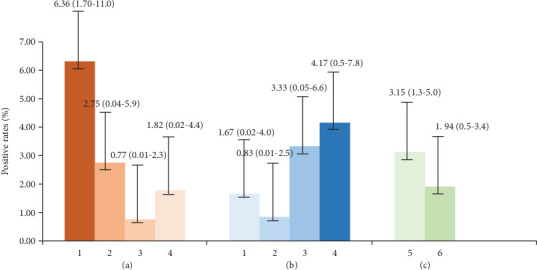 Figure 2
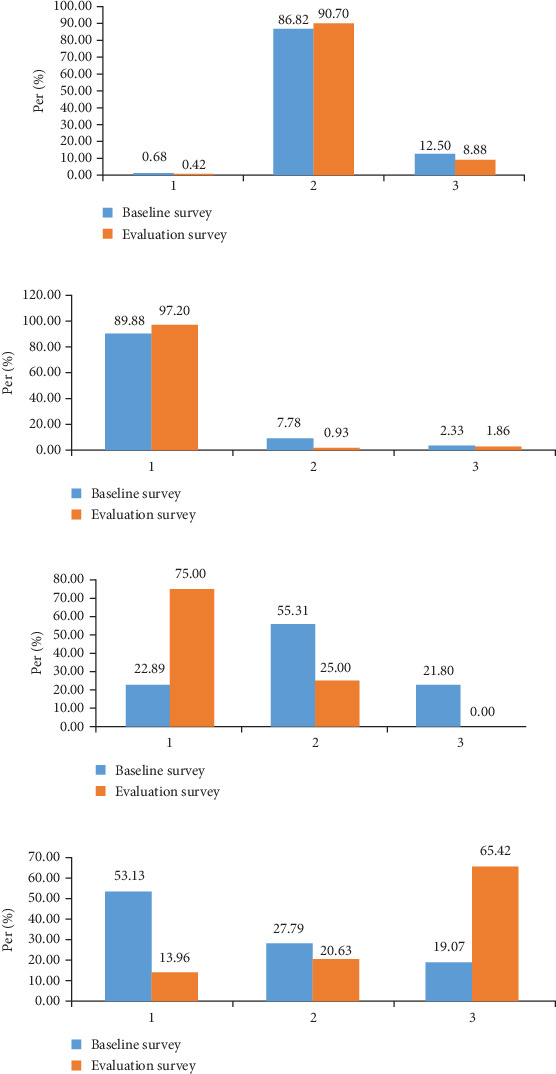 Figure 3
Peer Reviews
No public reviews on file for this paper yet. If you reviewed it on a platform where reviews are public (OpenReview, ICLR, NeurIPS, ICML), you can paste yours below so the community can read it here.
Videos
No videos yet. Explain this paper in a talk, walkthrough, or lecture? Add one.
Taxonomy
TopicsParasitic infections in humans and animals · Congenital Anomalies and Fetal Surgery · COVID-19 Impact on Reproduction