Suspected Somatosensory Evoked Potentials Pacing Atria During Cerebral Bypass Surgery: A Case Report
Denise S. Abdulahad, Justin Pachuski

TL;DR
A patient's heart rate changed during surgery when somatosensory evoked potentials were used, suggesting the stimulation affected the heart.
Contribution
This case report suggests somatosensory evoked potentials may inadvertently pace atria during cerebral bypass surgery.
Findings
A 48-year-old female showed heart rate changes during somatosensory evoked potentials stimulation.
Stimulation frequency correlated with heart rate changes, suggesting atrial myocyte depolarization.
The findings imply a novel interaction between neurophysiological monitoring and cardiac function.
Abstract
Somatosensory evoked potentials are commonly utilized during surgery to assess the function of the central nervous system. We present a case of a 48-year-old female patient undergoing cerebral bypass surgery who was noted to have reproducible, stimulation frequency-dependent heart rate changes that coincided with somatosensory evoked potentials stimulation. We hypothesize that the somatosensory evoked potential stimulation current was depolarizing a foci of atrial myocytes, resulting in the initiation of the cardiac cycle.
Genes, proteins, chemicals, diseases, species, mutations and cell lines named across the full text — each resolved to its canonical identifier and authoritative record.
Click any figure to enlarge with its caption.
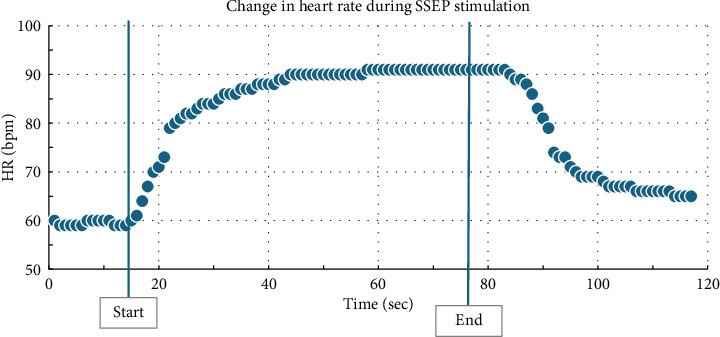 Figure 1
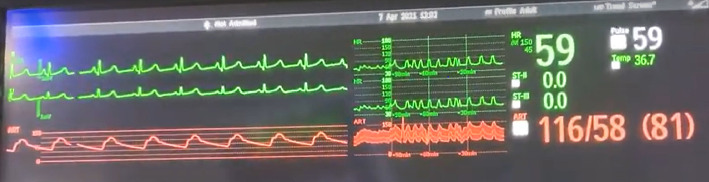 Figure 2
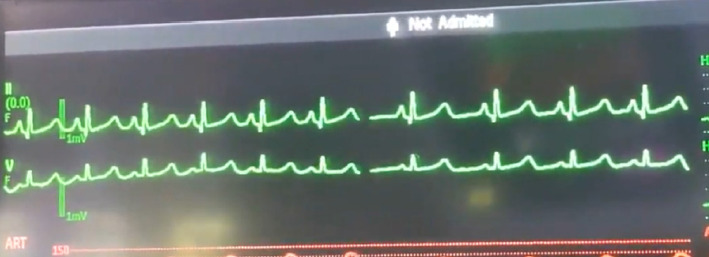 Figure 3
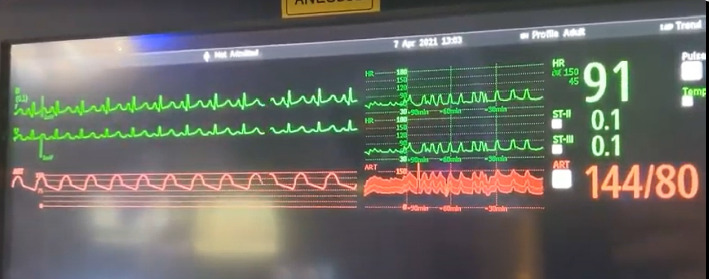 Figure 4
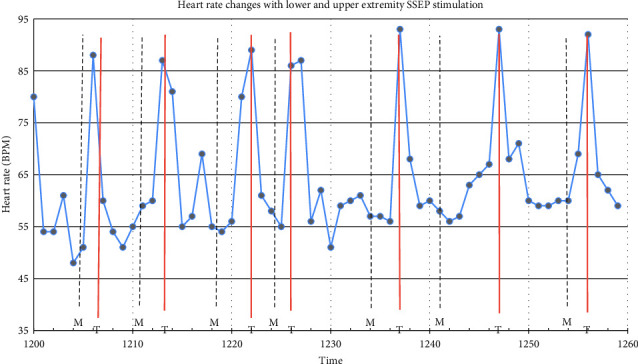 Figure 5
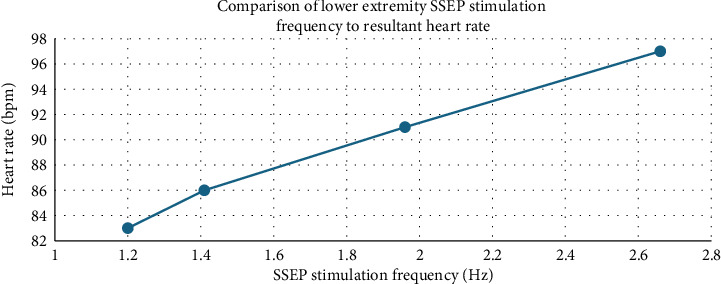 Figure 6
Peer Reviews
No public reviews on file for this paper yet. If you reviewed it on a platform where reviews are public (OpenReview, ICLR, NeurIPS, ICML), you can paste yours below so the community can read it here.
Videos
No videos yet. Explain this paper in a talk, walkthrough, or lecture? Add one.
Taxonomy
TopicsTranscranial Magnetic Stimulation Studies · Intracranial Aneurysms: Treatment and Complications · Intraoperative Neuromonitoring and Anesthetic Effects