Dynamic mechanisms for membrane skeleton transitions
Mayte Bonilla-Quintana, Andrea Ghisleni, Nils C. Gauthier, Padmini Rangamani

TL;DR
This paper explores how the cell's membrane skeleton, especially spectrin and myosin, dynamically responds to mechanical stress and maintains cell structure.
Contribution
A new generalized network model was developed to study membrane skeleton transitions under mechanical stress.
Findings
Membrane bending forces are crucial for maintaining a regular skeletal structure.
Spectrin and myosin turnover is necessary for transitions between stress and rest states.
Cell attachment through adhesions stabilizes cell shape.
Abstract
The plasma membrane and the underlying skeleton form a protective barrier for eukaryotic cells. The molecular players forming this complex composite material constantly rearrange under mechanical stress. One of those molecules, spectrin, is ubiquitous in the membrane skeleton and linked by short actin filaments. In this work, we developed a generalized network model for the membrane skeleton integrating myosin contractility and membrane mechanics to investigate the response of the spectrin meshwork to mechanical loading. We observed that the force generated by membrane bending is important in maintaining a regular skeletal structure, suggesting that the membrane is not just supported by the skeleton, but actively contributes towards the stability of the cell structure. We found that spectrin and myosin turnover are necessary for the transition between stress and rest states in the…
Genes, proteins, chemicals, diseases, species, mutations and cell lines named across the full text — each resolved to its canonical identifier and authoritative record.
Click any figure to enlarge with its caption.
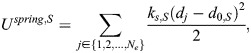 Figure 1
 Figure 2
 Figure 3
 Figure 4
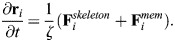 Figure 5
 Figure 6
 Figure 7
 Figure 8
 Figure 9
 Figure 10
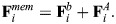 Figure 11
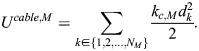 Figure 12
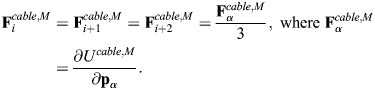 Figure 13
 Figure 14
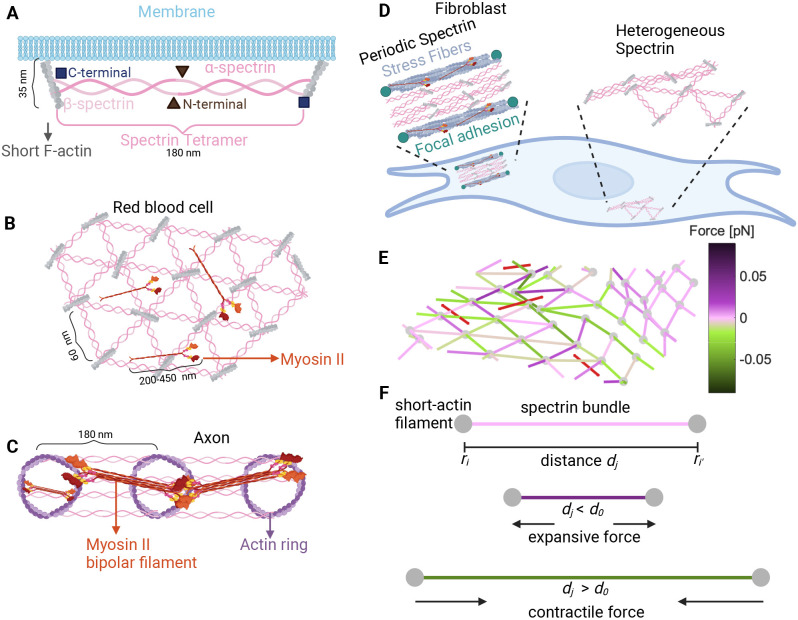 Figure 15
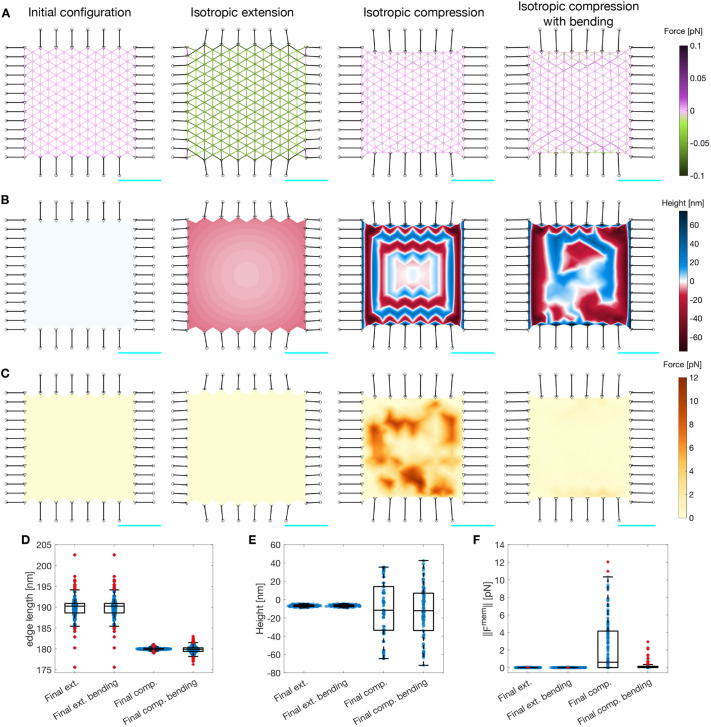 Figure 16
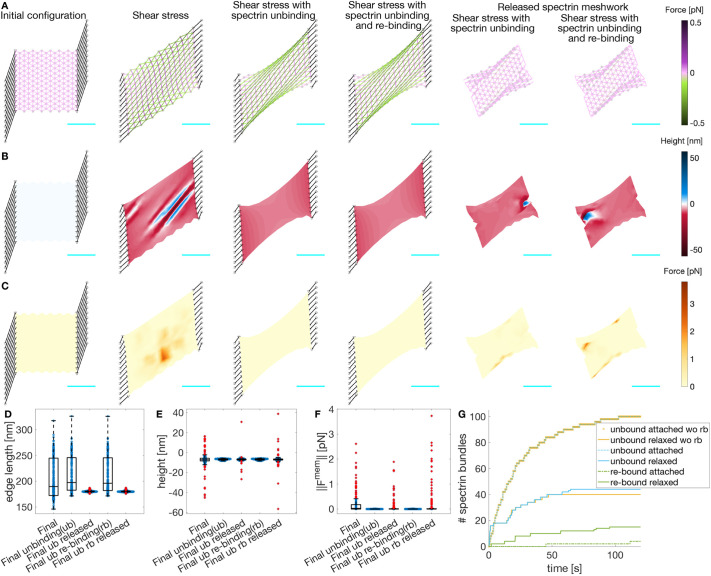 Figure 17
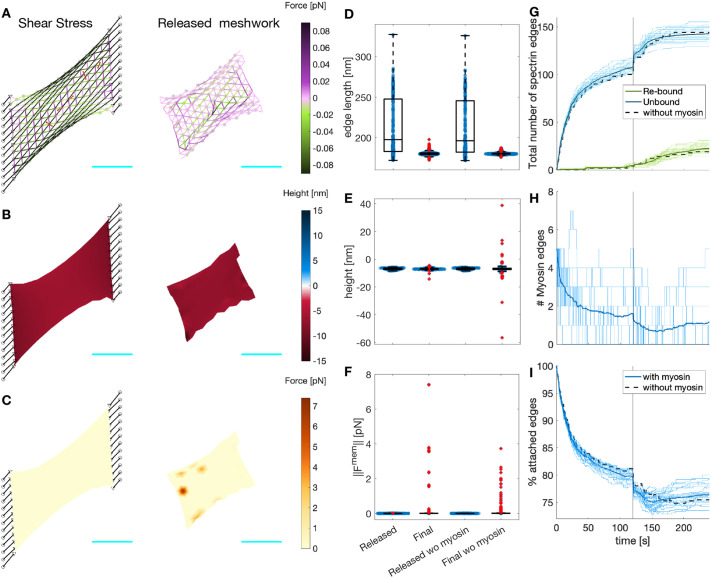 Figure 18
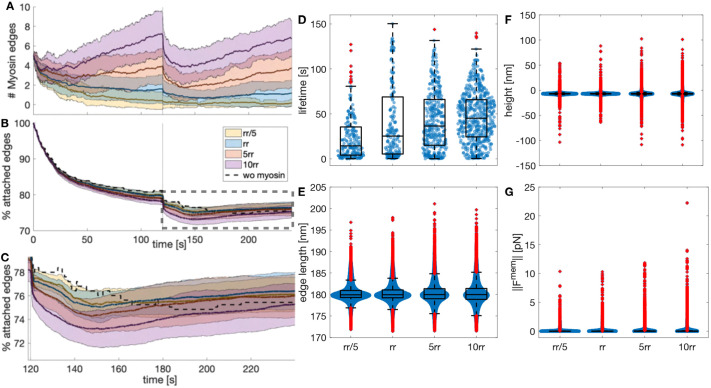 Figure 19
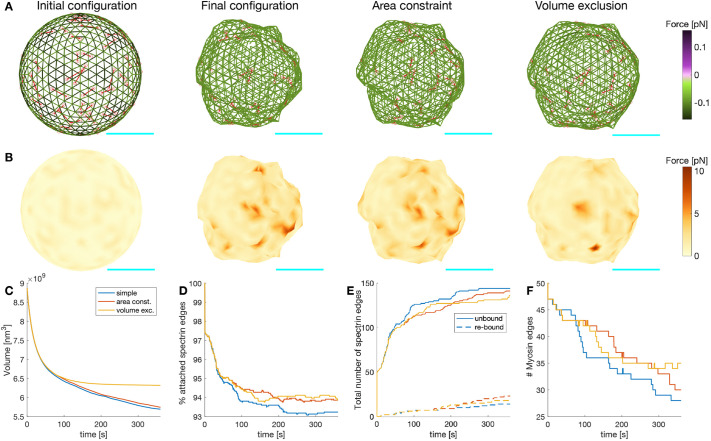 Figure 20
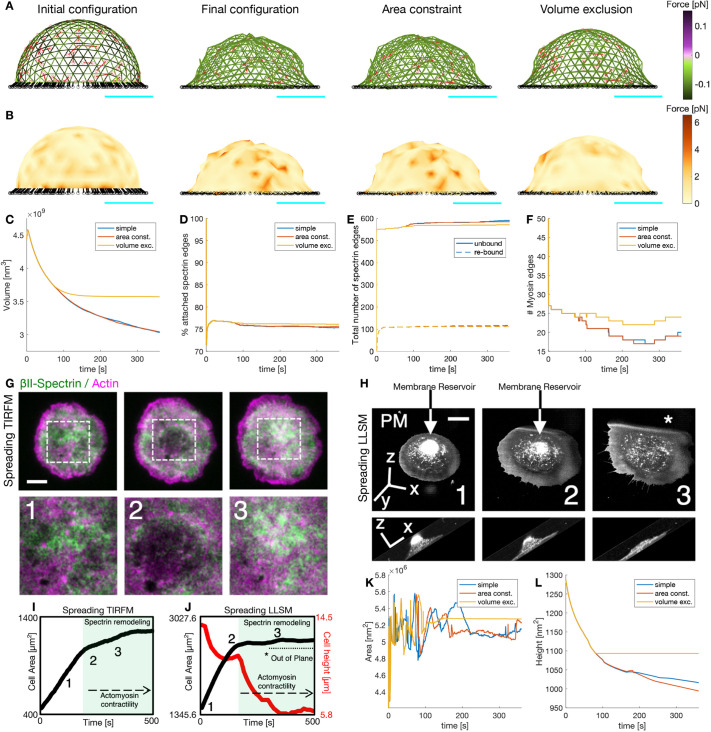 Figure 21
 Figure 22
 Figure 23
 Figure 24
 Figure 25
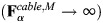 Figure 26
 Figure 27
 Figure 28
 Figure 29
 Figure 30
 Figure 31
 Figure 32
 Figure 33
 Figure 34
 Figure 35
 Figure 36
 Figure 37
 Figure 38
 Figure 39
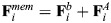 Figure 40
 Figure 41
 Figure 42
 Figure 43
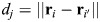 Figure 44
 Figure 45
 Figure 46
 Figure 47
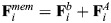 Figure 48
 Figure 49
 Figure 50
Peer Reviews
No public reviews on file for this paper yet. If you reviewed it on a platform where reviews are public (OpenReview, ICLR, NeurIPS, ICML), you can paste yours below so the community can read it here.
Videos
No videos yet. Explain this paper in a talk, walkthrough, or lecture? Add one.
Taxonomy
TopicsCellular Mechanics and Interactions · Force Microscopy Techniques and Applications · Lipid Membrane Structure and Behavior