A study on the effect of the number of expansion units in a microfluidic chip on hyaluronidase-free oocyte denudation in mammals
Ashraf Hisham Dessouky, Haitham EL-Hussieny, Taymour Mohammed EL-Sherry, Victor Parque, Ahmed M. R. Fath El-Bab

TL;DR
This study explores how the number of expansion units in a microfluidic chip affects the efficiency of removing cumulus cells from oocytes without using enzymes, aiming to improve low-cost fertility treatments.
Contribution
The study introduces a low-cost, efficient microfluidic chip design with optimized expansion units for enzyme-free oocyte denudation.
Findings
A chip with five expansion units achieved 98.33% denudation efficiency.
The fabrication cost was about 1 USD, and the process took around 20 minutes.
Combining CFD simulations with real-world experiments validated the design's effectiveness.
Abstract
In Vitro Fertilization (IVF) and Intracytoplasmic Sperm Injection (ICSI) are well-known fertility treatments that, due to resource-intensive, high degree of expertise required, and frequent subpar performances, often yield in high costs for treatment cycles. Microfluidic technology has enabled cost-effective egg-handling procedures towards new assistive reproductive devices: oocytes are subjected to microchannels with jagged surfaces to let shear stress remove undesirable cumulus cells, and microchannels with expansion units facilitate the transport of oocytes in chips. However, although the previous works have studied the influence of shear stress on oocyte denudation and the role of microchannel teeth in optimizing cell handling efficiency, the study of configurations of jagged surfaces and expansion units in microfluidic devices has remained elusive. Also, comprehensive analysis…
Click any figure to enlarge with its caption.
 Figure 1
 Figure 2
 Figure 3
 Figure 4
 Figure 1
 Figure 2
 Figure 3
 Figure 4
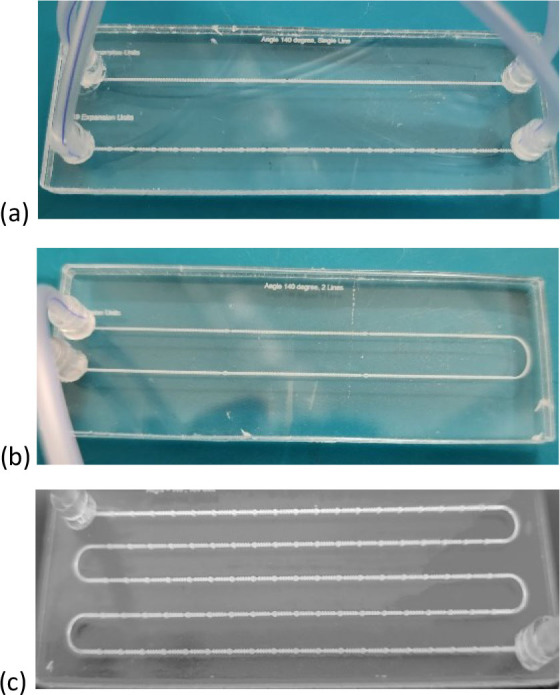 Figure 5
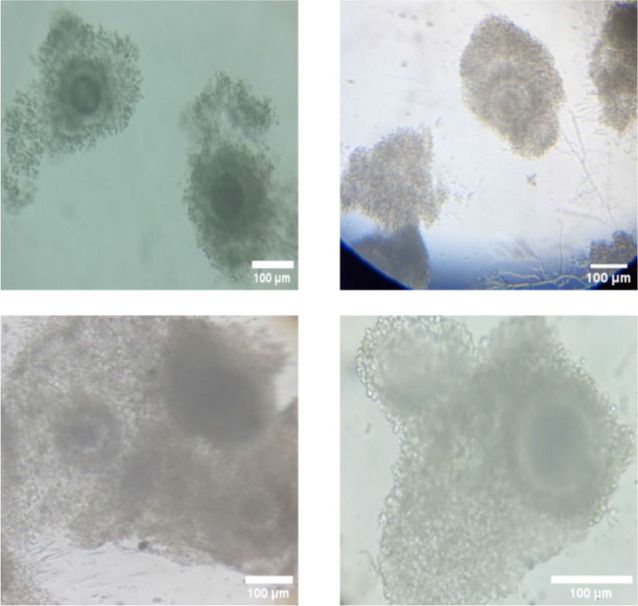 Figure 6
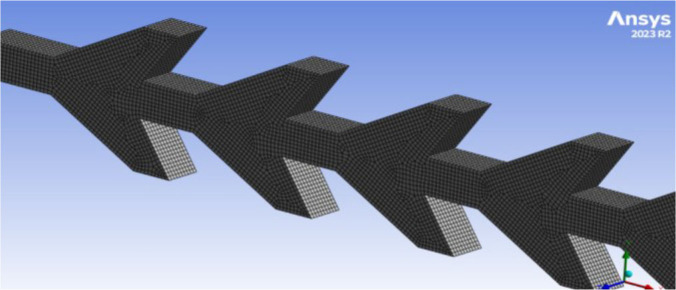 Figure 7
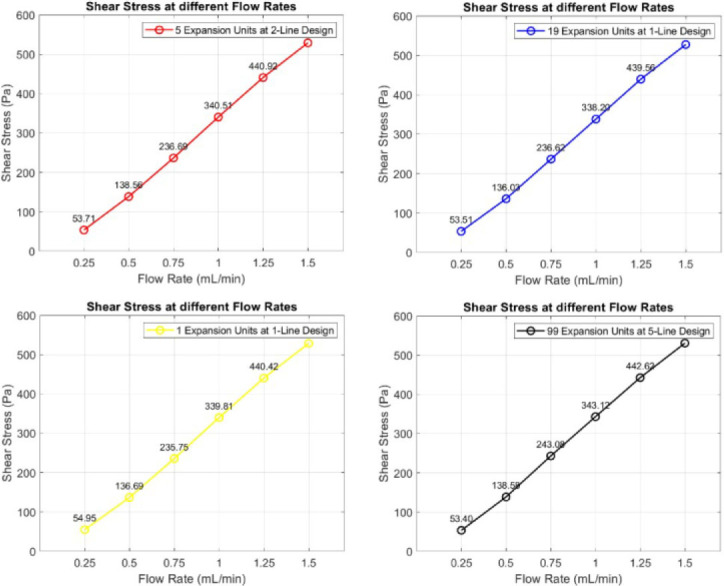 Figure 8
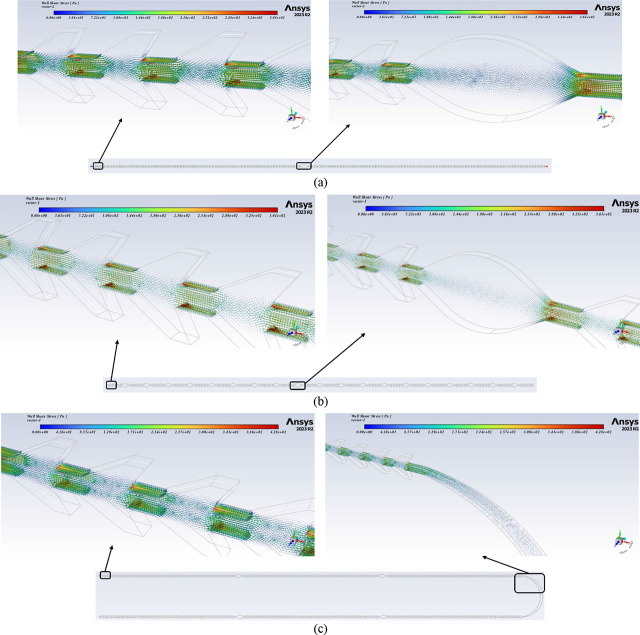 Figure 9
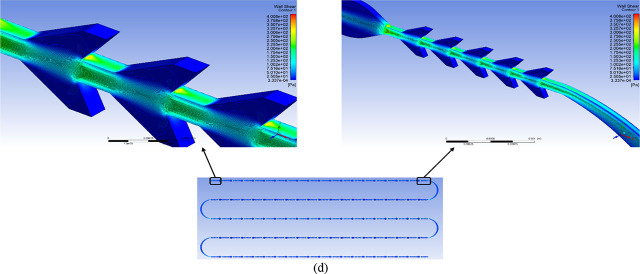 Figure 9
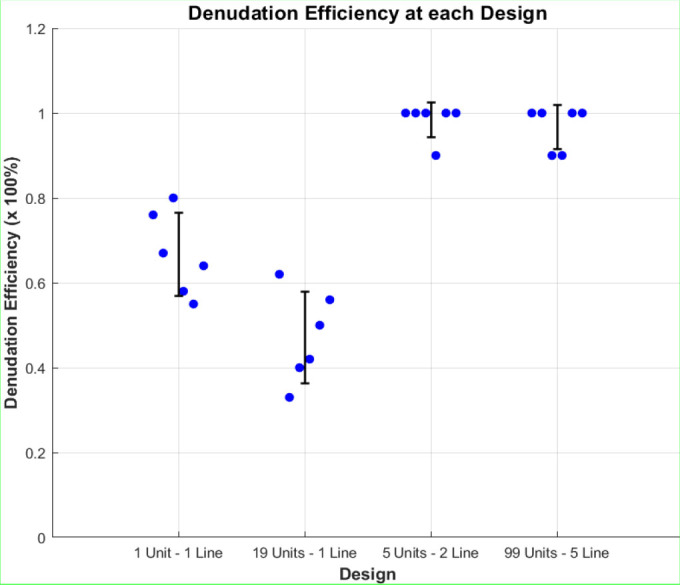 Figure 10
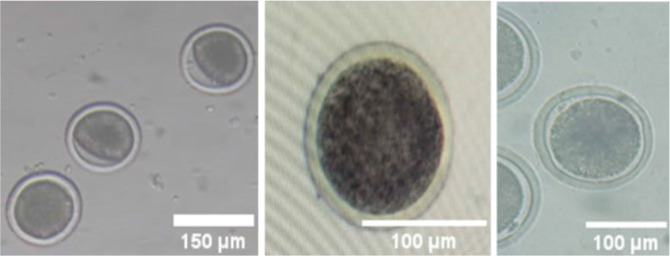 Figure 11
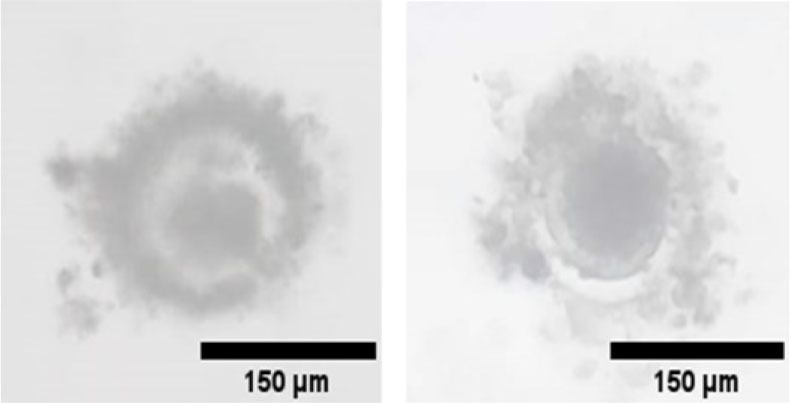 Figure 12
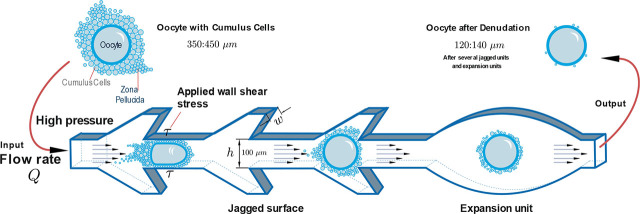 Figure 13
Peer Reviews
No public reviews on file for this paper yet. If you reviewed it on a platform where reviews are public (OpenReview, ICLR, NeurIPS, ICML), you can paste yours below so the community can read it here.
Videos
No videos yet. Explain this paper in a talk, walkthrough, or lecture? Add one.
Taxonomy
TopicsMicrofluidic and Bio-sensing Technologies · 3D Printing in Biomedical Research · Reproductive Biology and Fertility