Fine scale mapping of water sources in low-income settings: A comparative study in Misungwi, Tanzania
Claudia Duguay, Charles Thickstun, Jacklin F. Mosha, Tatu Aziz, Alphaxard Manjurano, Alison Krentel, Natacha Protopopoff, Manisha A. Kulkarni

TL;DR
This study compares two methods for mapping water sources in a low-income area of Tanzania to improve access to safe water.
Contribution
The study introduces a comparative analysis of community mapping and drone imagery for fine-scale water source mapping in low-income settings.
Findings
Drone imagery identified more unimproved water sources (225) compared to community mapping (90).
Community mapping provided insights into how water sources are used by local residents.
Drone-based mapping was more time-consuming, costly, and required advanced skills compared to community mapping.
Abstract
Access to safe water, sanitation, and hygiene is a basic human need for health and well-being. Yet, 2.2 billion people globally in 2022 did not have access to safely managed drinking water. Presently there are no publicly available methods for monitoring and measuring access to water sources in low-income settings at a fine spatial scale. The objective of this study was to map and identify areas with improved and unimproved water points in Misungwi, Tanzania using two different methods: 1) community mapping with direct field observations, and 2) drone imagery. We quantified and summarized the number of improved and unimproved water sources, as defined by the WHO/UNICEF Joint Monitoring Programme core questions and noted their specific uses where applicable. We also compared the results of both data collection methods outlining their respective advantages and limitations. The community…
Genes, proteins, chemicals, diseases, species, mutations and cell lines named across the full text — each resolved to its canonical identifier and authoritative record.
Click any figure to enlarge with its caption.
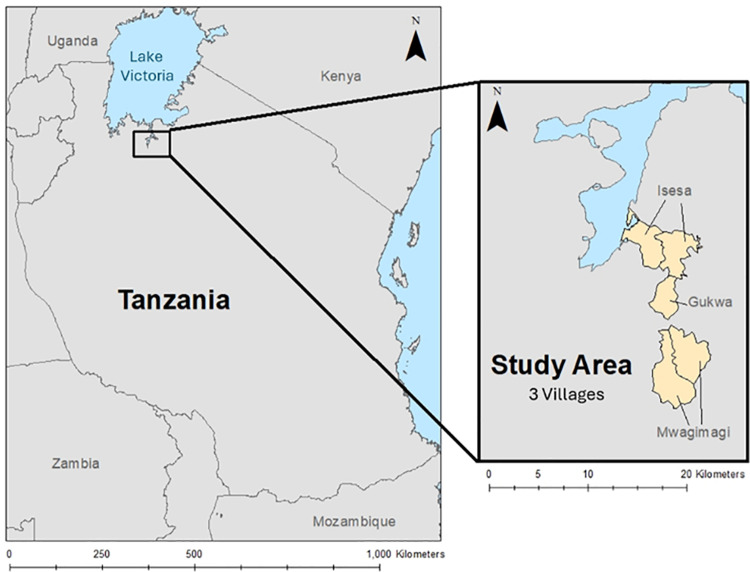 Figure 1
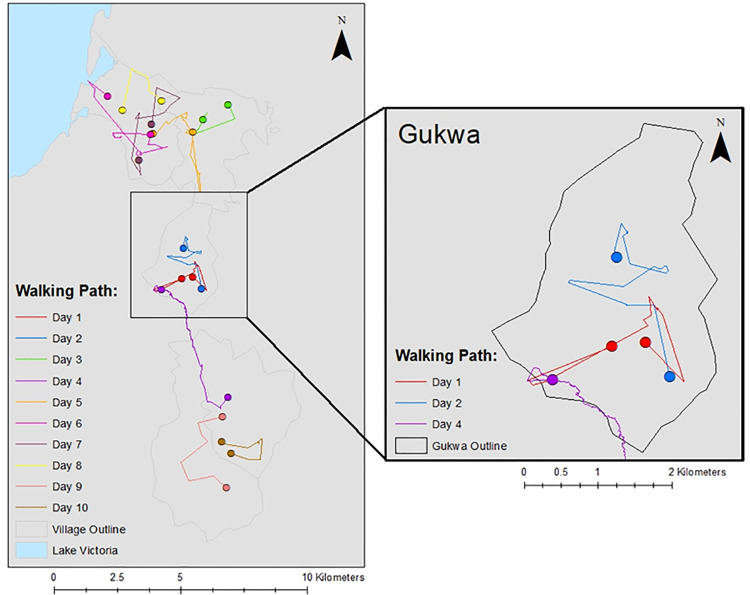 Figure 2
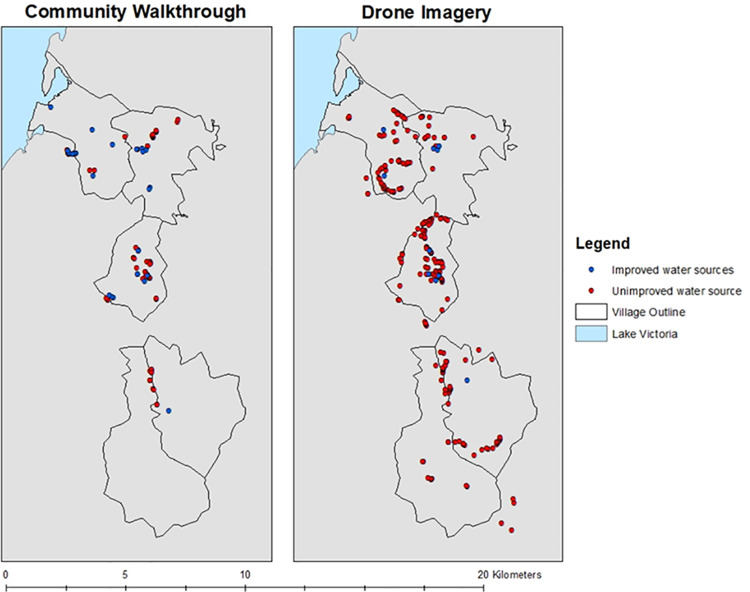 Figure 3
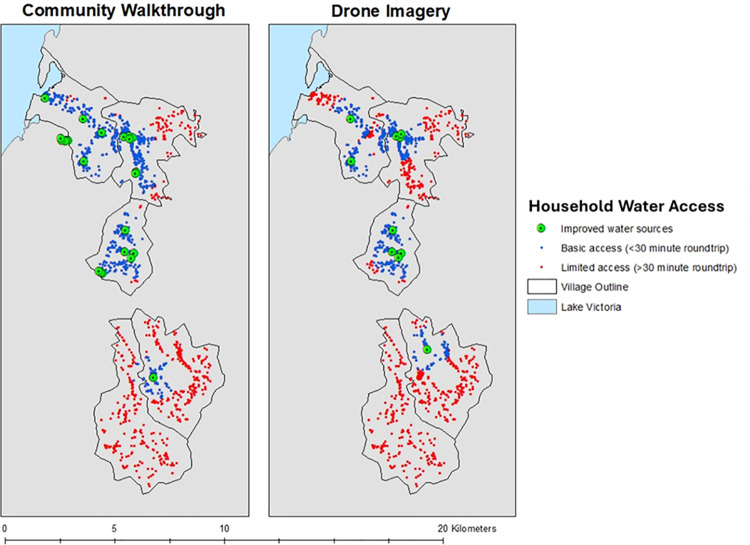 Figure 4
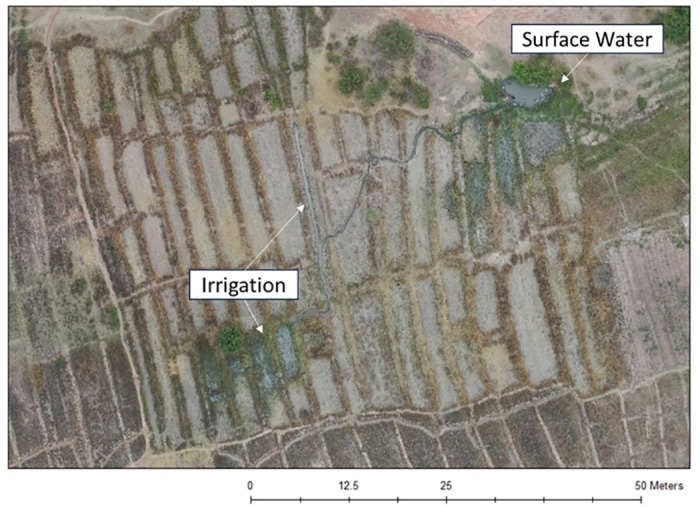 Figure 5
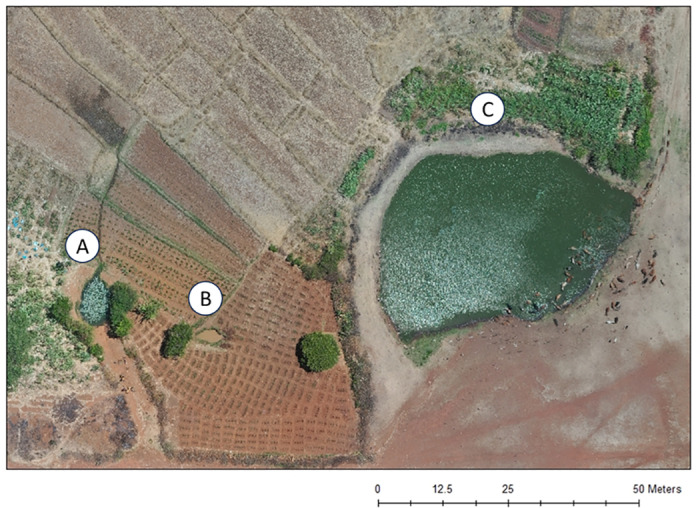 Figure 6
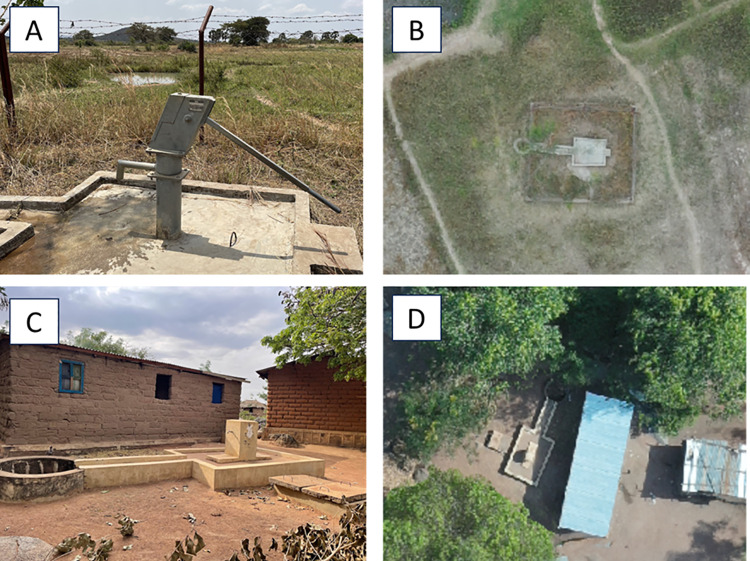 Figure 7
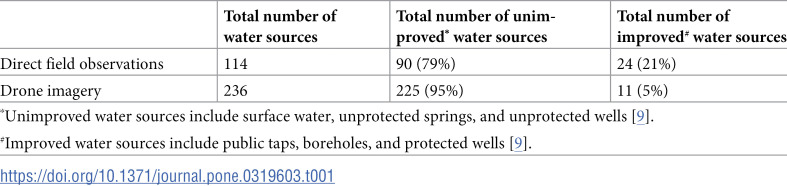 Figure 8
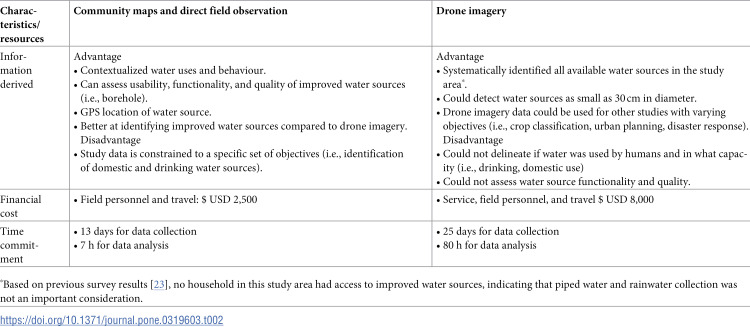 Figure 9
Peer Reviews
No public reviews on file for this paper yet. If you reviewed it on a platform where reviews are public (OpenReview, ICLR, NeurIPS, ICML), you can paste yours below so the community can read it here.
Videos
No videos yet. Explain this paper in a talk, walkthrough, or lecture? Add one.
Taxonomy
TopicsVibrio bacteria research studies · Child Nutrition and Water Access · Water resources management and optimization