Analysis of ignition and flame geometric characteristics of lubricating oil leaking from automotive engine onto hot surfaces
Lei Bai, Changchun Liu, Liubing Wang

TL;DR
This study examines how lubricating oil ignites on hot surfaces in vehicles and how the flame's shape changes over time, helping improve fire safety.
Contribution
The study introduces a new method combining SOBEL threshold segmentation and fractal dimension theory to analyze flame geometry during oil ignition.
Findings
Ignition delay time decreases as hot surface temperature increases, with 450°C as a critical turning point.
Flame fractal dimension effectively quantifies flame complexity and stability, showing a trend of increasing then decreasing over time.
Droplet volume and spray hole size significantly affect the timing and magnitude of the flame's fractal dimension peak.
Abstract
The ignition and combustion process of lubricating oil leaking from an automotive engine onto a hot surface is a major cause of vehicle fires, and the geometric characteristics of the flame directly affect the spread and severity of the fire. Therefore, studying the ignition characteristics of lubricating oil on hot surfaces and quantifying flame behavior is of great significance for vehicle fire safety protection. This study utilizes a self-developed automotive hot surface ignition oil simulation platform, employing the SOBEL threshold segmentation algorithm combined with box-counting fractal dimension theory. It investigates the factors affecting the ignition delay time of automotive engine lubricating oil, the ignition risk and probability on engine hot surfaces, and analyzes the temporal evolution characteristics of the flame fractal dimension of engine lubricating oil. This…
Genes, proteins, chemicals, diseases, species, mutations and cell lines named across the full text — each resolved to its canonical identifier and authoritative record.
Click any figure to enlarge with its caption.
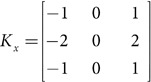 Figure 1
 Figure 2
 Figure 3
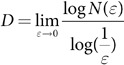 Figure 4
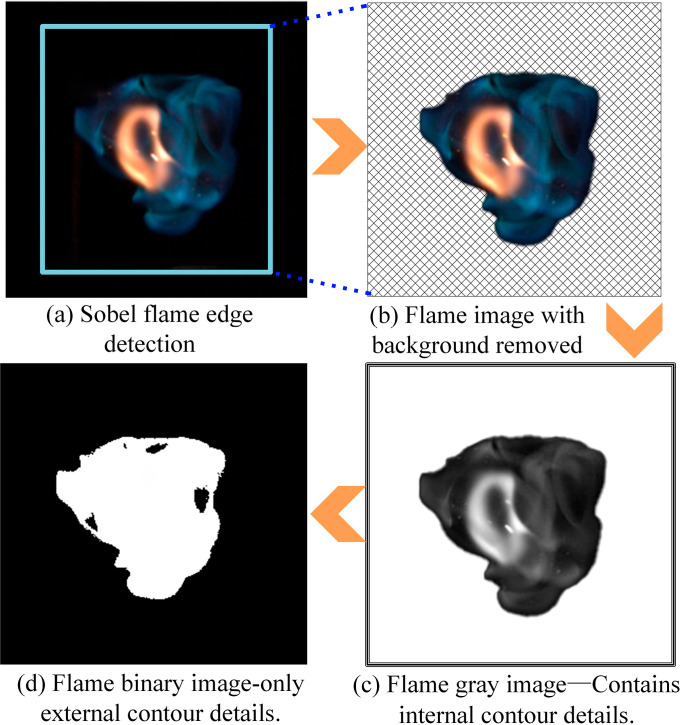 Figure 5
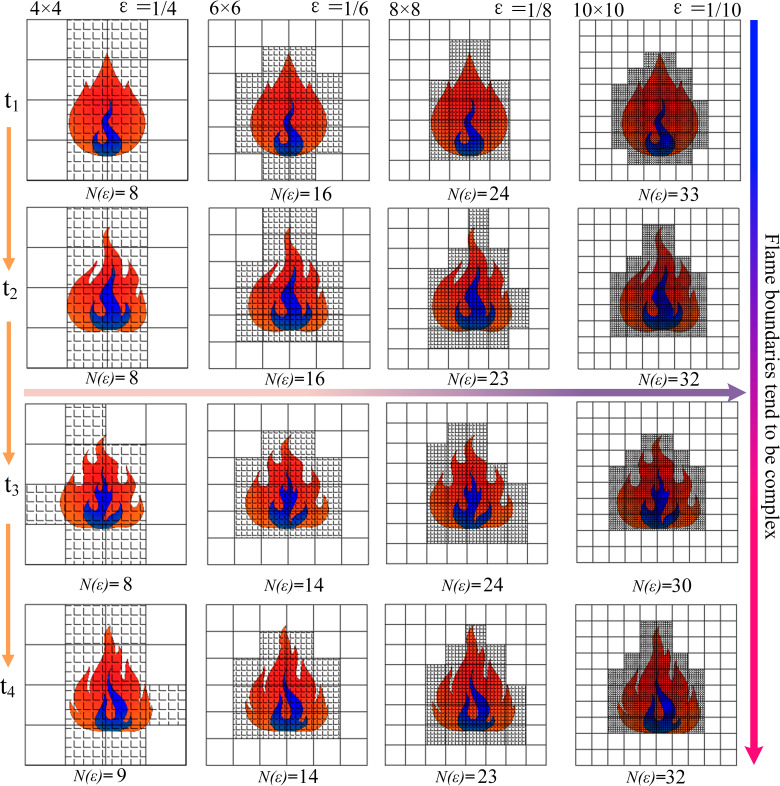 Figure 6
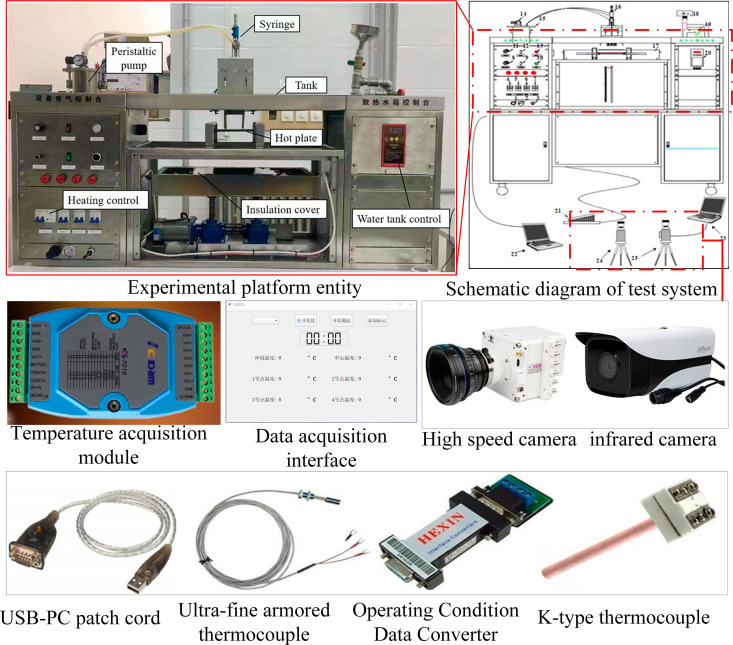 Figure 7
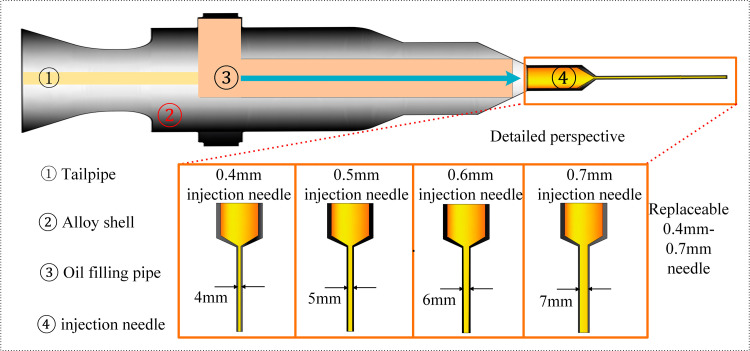 Figure 8
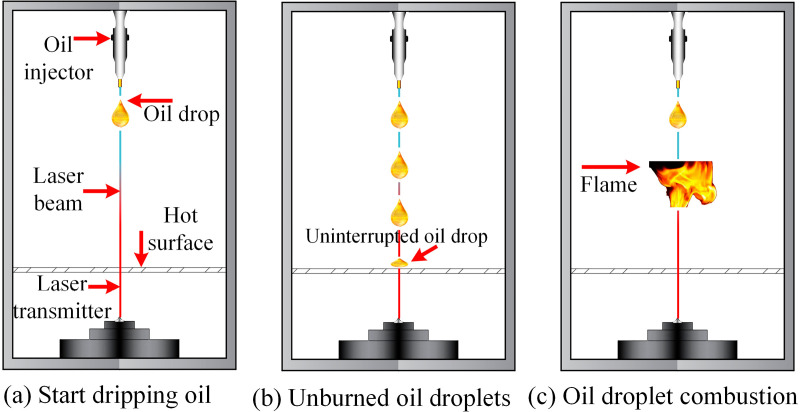 Figure 9
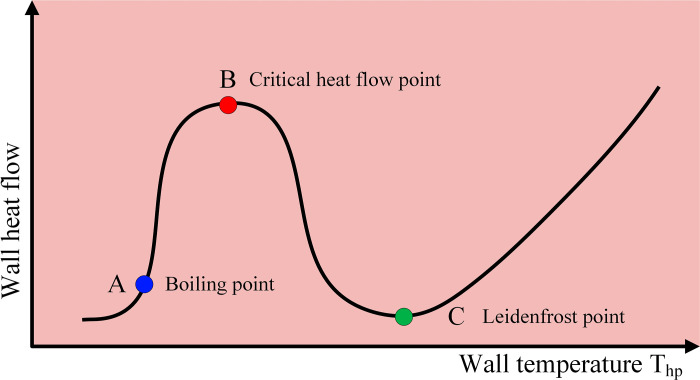 Figure 10
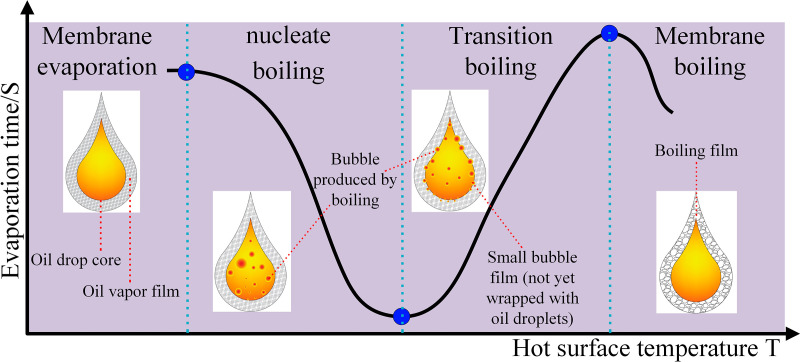 Figure 11
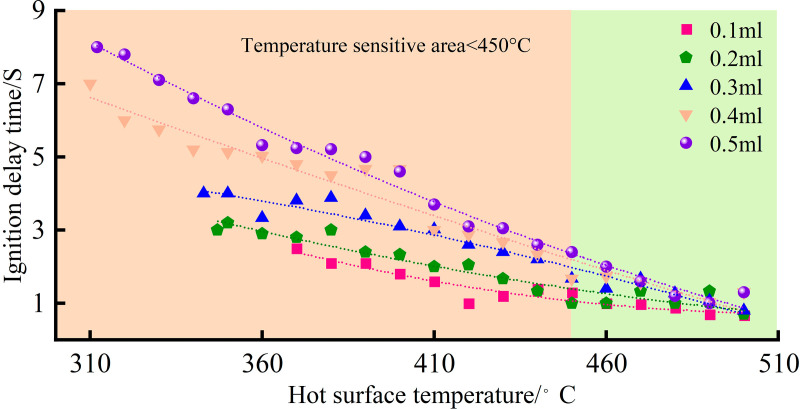 Figure 12
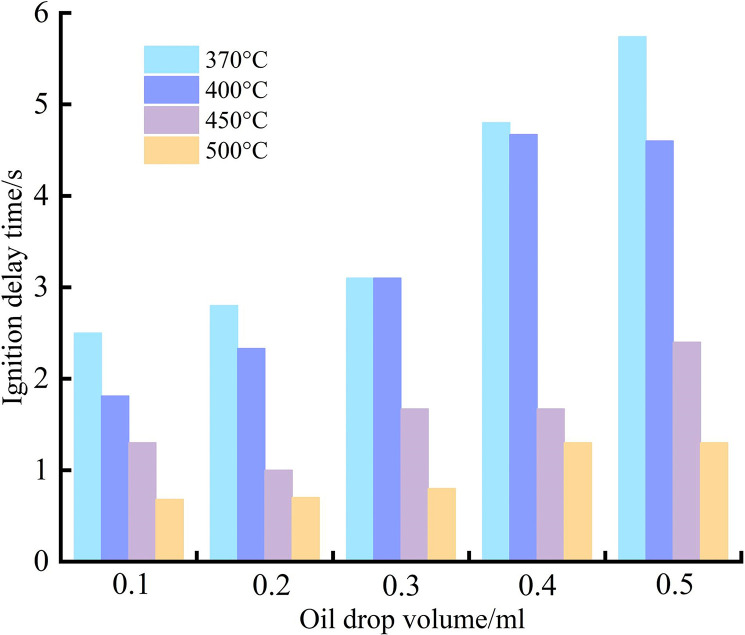 Figure 13
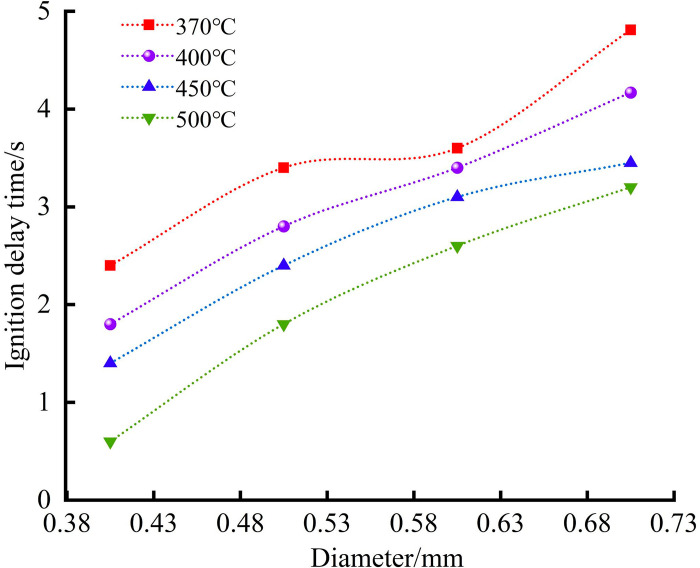 Figure 14
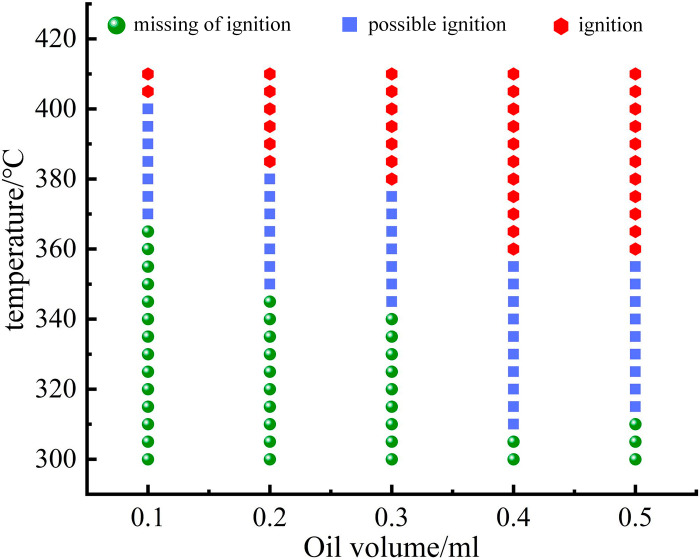 Figure 15
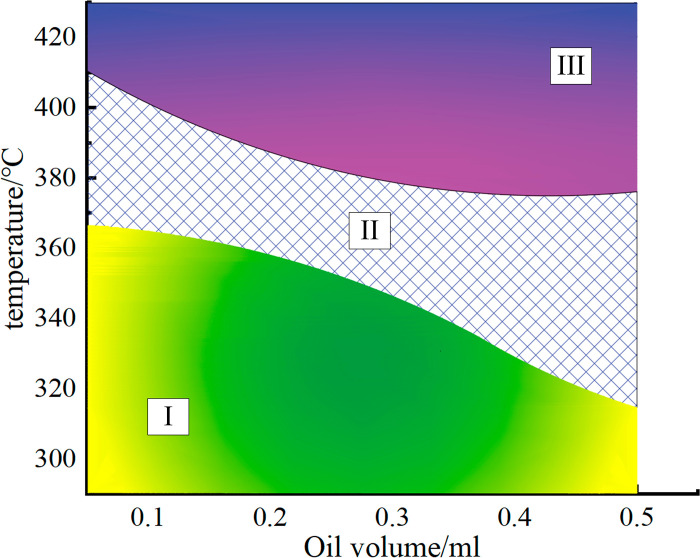 Figure 16
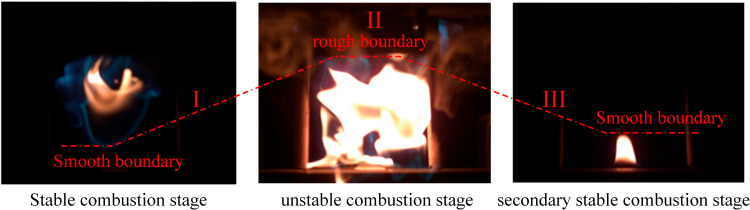 Figure 17
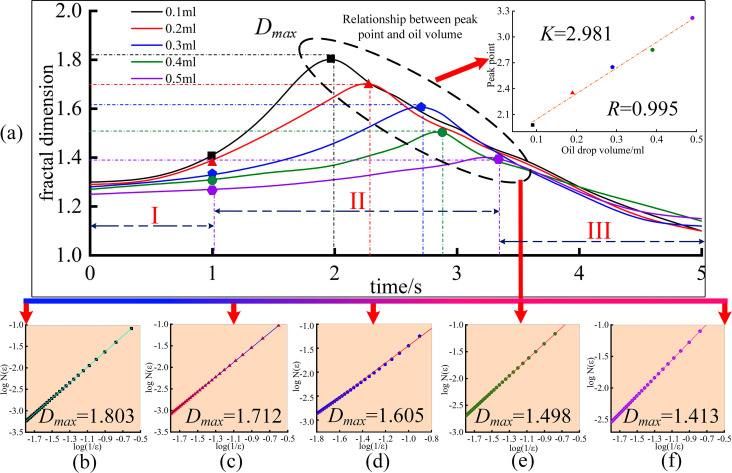 Figure 18
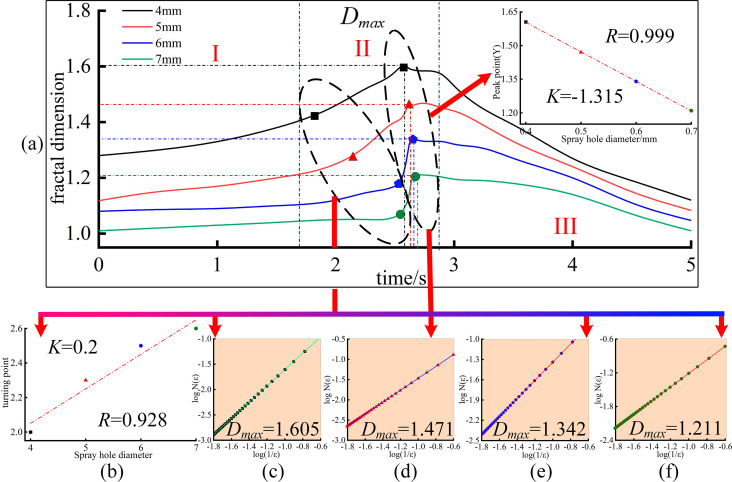 Figure 19
 Figure 20
 Figure 21
 Figure 22
 Figure 23
 Figure 24
 Figure 25
Peer Reviews
No public reviews on file for this paper yet. If you reviewed it on a platform where reviews are public (OpenReview, ICLR, NeurIPS, ICML), you can paste yours below so the community can read it here.
Videos
No videos yet. Explain this paper in a talk, walkthrough, or lecture? Add one.
Taxonomy
TopicsFire Detection and Safety Systems · Fire dynamics and safety research · Combustion and Detonation Processes