Enhancing the stability and catalytic efficiency of alkyl halide dehalogenase through poloxamer temperature-sensitive gel
Jianjun Zhu, Jun Zhang, Feng Gong, Qiong Yu, Xuan Guo, Yu Wang

TL;DR
Researchers improved the stability and efficiency of an enzyme that breaks down mustard gas by encapsulating it in a temperature-sensitive gel.
Contribution
A novel method using poloxamer thermosensitive gels to enhance the stability and catalytic performance of Dha A is introduced.
Findings
Encapsulation in poloxamer gel increased Dha A's solubility and catalytic efficiency for bis(2-chloroethyl) ether.
The gel improved storage and thermal stability of Dha A at 32°C through a tightly packed structure.
Hydrogen bonding between Dha A and poloxamer molecules was observed at an optimal gelation temperature of 25°C.
Abstract
Dha A, a biocatalyst with pronounced efficacy in the degradation of mustard gas, is constrained by its inherent instability, which impedes its broader application. In this study, we encapsulated Dha A within a poloxamer-based thermosensitive hydrogel, a widely utilized protein carrier, to assess its physicochemical characteristics, catalytic performance, and stability enhancement. The Dha A-loaded thermosensitive gel (Dha A@TSG) exhibited interactions between Dha A and poloxamer molecules via hydrogen bonding, with an optimal gelation temperature of 25°C. This encapsulation strategy significantly enhanced the solubility and catalytic efficiency of the mustard gas mimic, bis(2-chloroethyl) ether, surpassing the performance of the free Dha A solution. At 32°C, the poloxamer molecules within Dha A@TSG formed a tightly packed stereostucture, which substantially improved the storage and…
Genes, proteins, chemicals, diseases, species, mutations and cell lines named across the full text — each resolved to its canonical identifier and authoritative record.
Click any figure to enlarge with its caption.
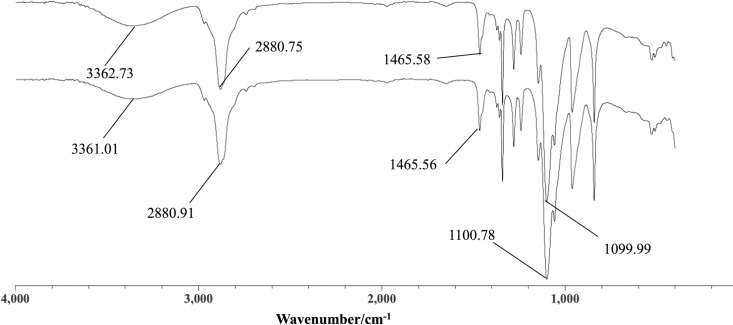 Figure 1
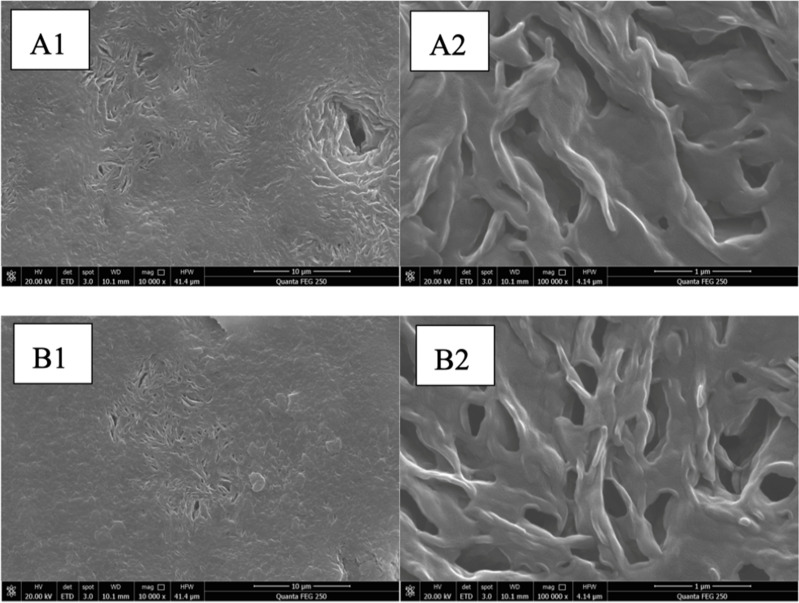 Figure 2
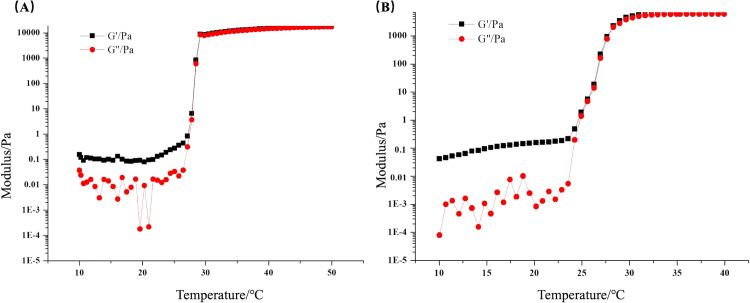 Figure 3
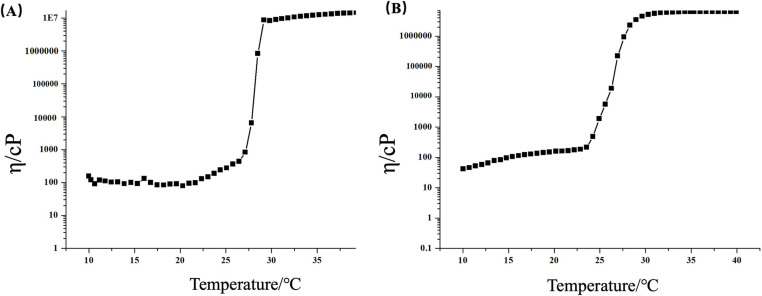 Figure 4
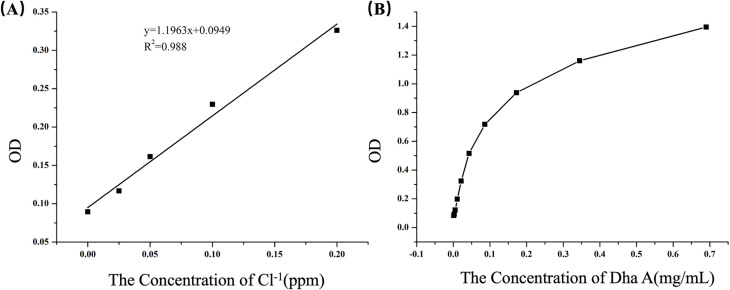 Figure 5
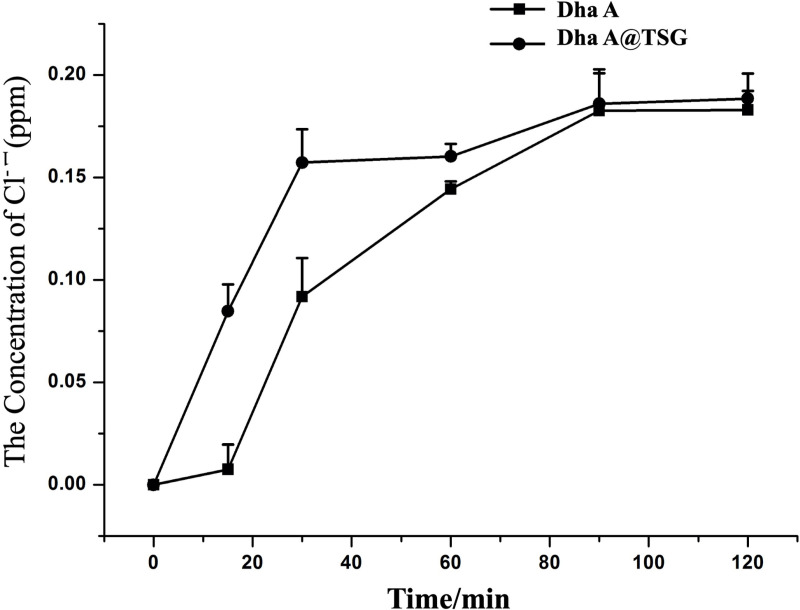 Figure 6
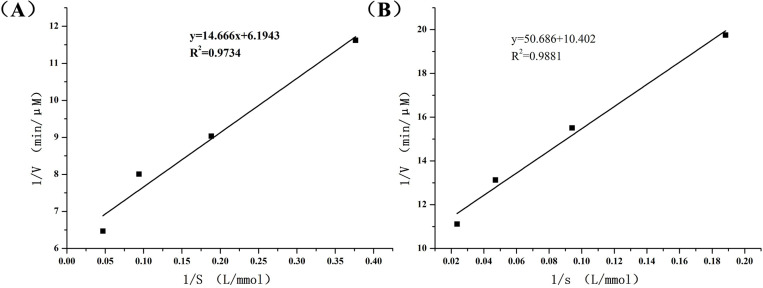 Figure 7
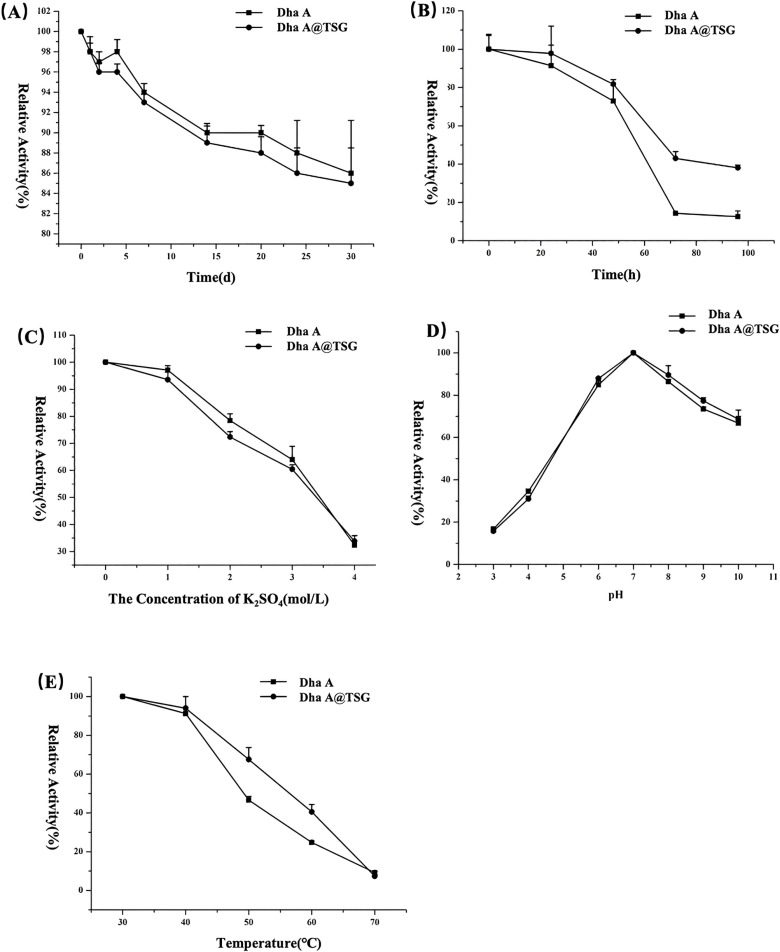 Figure 8
 Figure 9
 Figure 10
Peer Reviews
No public reviews on file for this paper yet. If you reviewed it on a platform where reviews are public (OpenReview, ICLR, NeurIPS, ICML), you can paste yours below so the community can read it here.
Videos
No videos yet. Explain this paper in a talk, walkthrough, or lecture? Add one.
Taxonomy
TopicsEnzyme Catalysis and Immobilization · Hemoglobin structure and function · Biomedical Research and Pathophysiology