Kaposi Sarcoma: Almost Forgotten but Occasionally There
Frederic Claerhoudt, Koen Mermuys, Jesse Marrannes

TL;DR
Kaposi sarcoma is a rare cancer often linked to HIV, immunosuppressants, or African populations, and PET-CT is now the main imaging tool for diagnosis and monitoring.
Contribution
Highlights the role of PET-CT as the primary radiological method for diagnosing and following up on Kaposi sarcoma.
Findings
Kaposi sarcoma is rare and mainly affects HIV-positive individuals, those on immunosuppressants, or African patients.
PET-CT is currently the primary imaging technique used for diagnosis and monitoring of the disease.
Abstract
Teaching point: Kaposi sarcoma is a rare disease most commonly occurring in patients with human immunodeficiency virus (HIV), in patients receiving immunosuppressants or in African patients. Radiological imaging has a role in facilitating the diagnosis and follow‑up, currently primarily with positron emission tomography–computed tomography (PET‑CT) (1).
Genes, proteins, chemicals, diseases, species, mutations and cell lines named across the full text — each resolved to its canonical identifier and authoritative record.
Click any figure to enlarge with its caption.
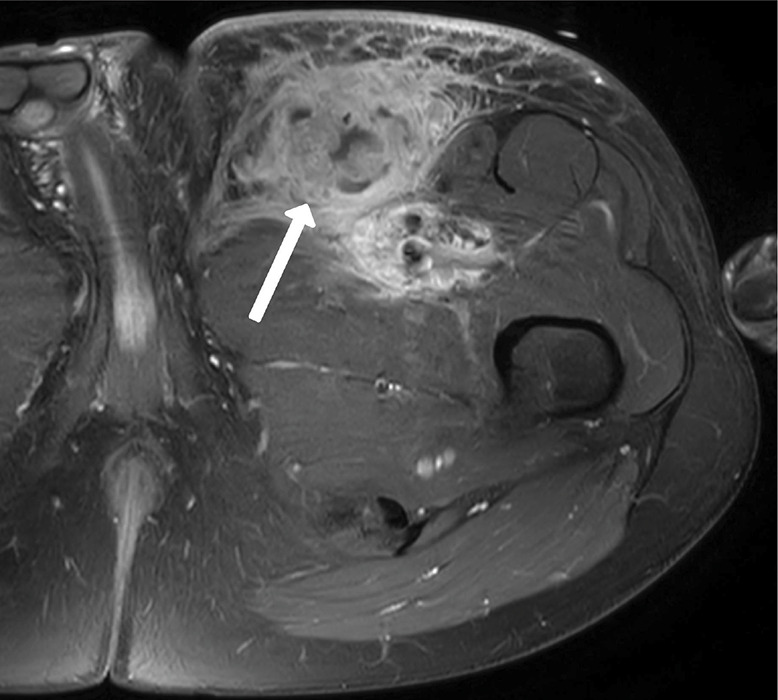 Figure 1
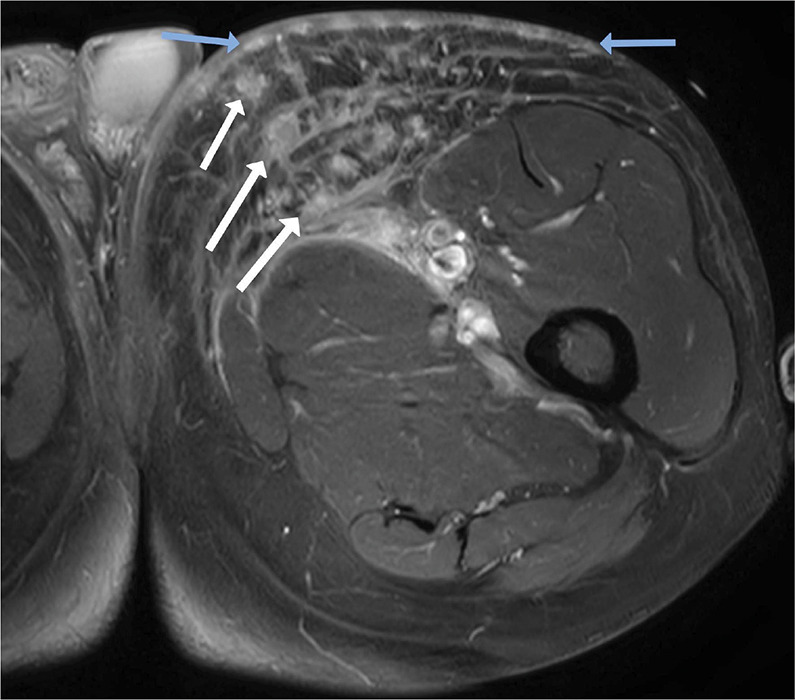 Figure 2
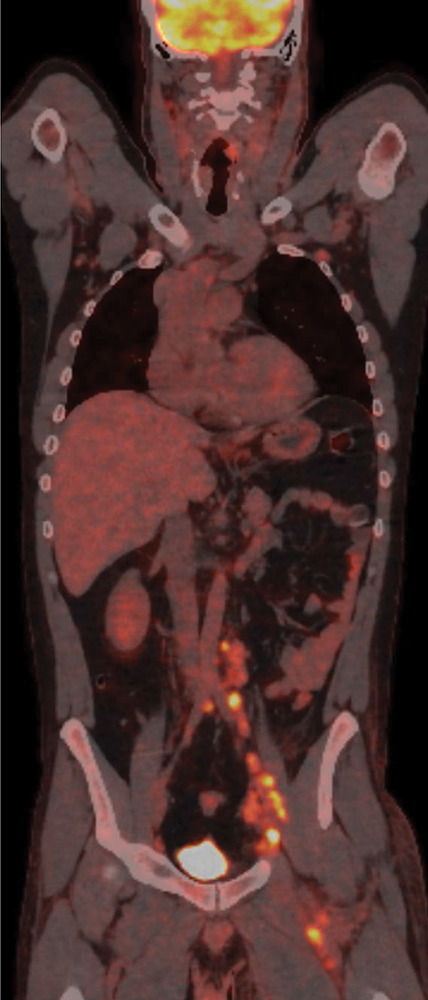 Figure 3
Peer Reviews
No public reviews on file for this paper yet. If you reviewed it on a platform where reviews are public (OpenReview, ICLR, NeurIPS, ICML), you can paste yours below so the community can read it here.
Videos
No videos yet. Explain this paper in a talk, walkthrough, or lecture? Add one.
Taxonomy
TopicsViral-associated cancers and disorders · CNS Lymphoma Diagnosis and Treatment