Correlation analysis of serum endothelial cell specific molecule-1, endothelial microparticles, hypoxia inducible factor-1α levels and acute myocardial infarction and their predictive value for major adverse cardiovascular events: a retrospective study
Qiubing Zhang, Zhe Xu, Ping Shi, Jia Zeng, Xiaohong Yin, Fang Gou

TL;DR
This study found that high levels of ESM-1, EMPs, and HIF-1α in blood are linked to heart attacks and can predict future cardiovascular problems.
Contribution
The study identifies ESM-1, EMPs, and HIF-1α as potential biomarkers for predicting adverse cardiovascular events after heart attacks.
Findings
Serum levels of ESM-1, EMPs, and HIF-1α were significantly higher in AMI patients compared to healthy controls.
Elevated levels of these biomarkers were strongly associated with the development of MACE after AMI.
Combined evaluation of the three biomarkers showed high predictive accuracy for MACE with an AUC of 0.931.
Abstract
This study aimed to analyse the correlation of endothelial cell specific molecule-1 (ESM-1), endothelial microparticles (EMPs) and hypoxia inducible factor-1α (HIF-1α) serum levels with the occurrence of acute myocardial infarction (AMI) and determine their short-term predictive value for major adverse cardiovascular events (MACE) following AMI treatment. Retrospective data analysis was performed on the medical records of 106 patients with AMI admitted to our hospital between October 2020 and October 2022. The control group consisted of 106 healthy volunteers that received a physical examination at our hospital’s physical examination centre within the same time frame. ESM-1, EMP and HIF-1α serum levels were compared between the two groups. Independent risk variables for AMI were examined. Furthermore, these individuals were separated into the poor prognosis group (n = 41) and good…
Genes, proteins, chemicals, diseases, species, mutations and cell lines named across the full text — each resolved to its canonical identifier and authoritative record.
Click any figure to enlarge with its caption.
 Figure 1
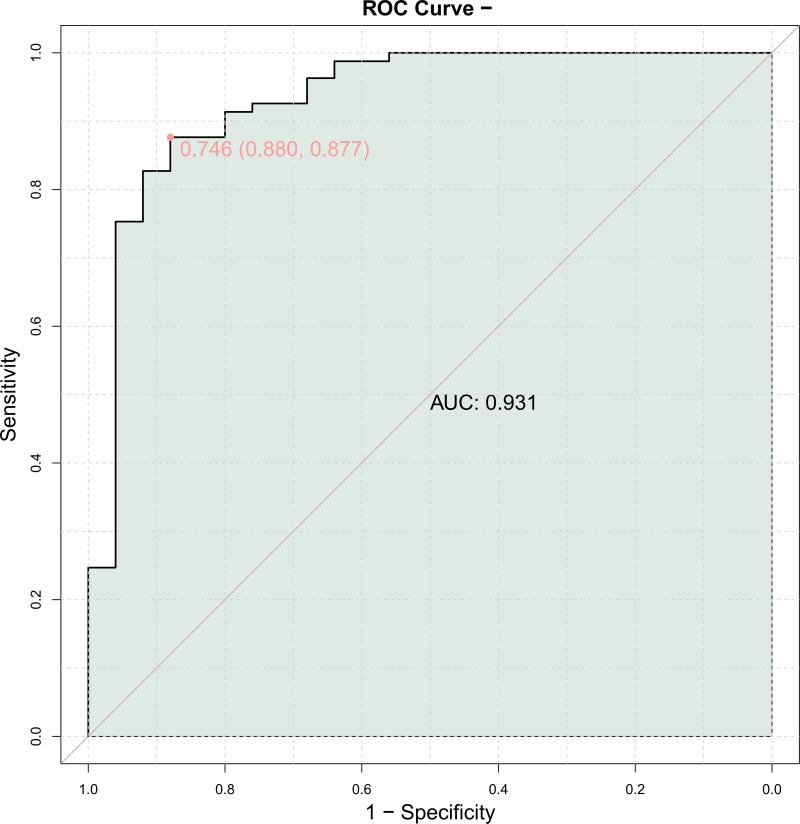 Figure 2
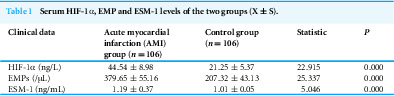 Figure 3
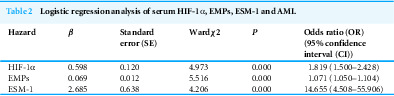 Figure 4
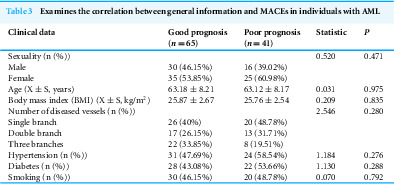 Figure 5
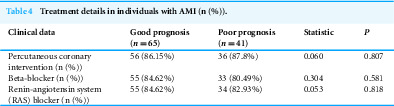 Figure 6
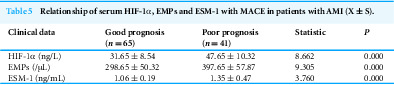 Figure 7
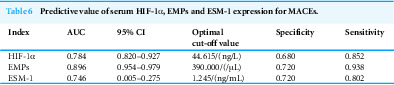 Figure 8
 Figure 9
Peer Reviews
No public reviews on file for this paper yet. If you reviewed it on a platform where reviews are public (OpenReview, ICLR, NeurIPS, ICML), you can paste yours below so the community can read it here.
Videos
No videos yet. Explain this paper in a talk, walkthrough, or lecture? Add one.
Taxonomy
TopicsPulmonary Hypertension Research and Treatments · Mechanical Circulatory Support Devices · Cardiovascular Disease and Adiposity