Use of Oclacitinib in the treatment of pemphigus foliaceus in a dog: case report
Millene Macieira Carneiro da Silva, Márcia Bernardini, Natália Lôres Lopes

TL;DR
A dog with pemphigus foliaceus, a skin disease, was successfully treated with oclacitinib after failing to respond to corticosteroids.
Contribution
This case report introduces oclacitinib as a potential new treatment for pemphigus foliaceus in dogs.
Findings
Oclacitinib was effective in treating pemphigus foliaceus in a German Spitz dog.
The dog did not respond to traditional corticosteroid therapy.
The treatment outcome suggests oclacitinib could be a viable alternative for this condition.
Abstract
Pemphigus foliaceus is an autoimmune bullous dermatosis caused by the action of antibodies against epidermal cells and is considered as the most frequent pemphigus complex disease that affects pets. It is characterized by the presence of intraepidermal pustules that may evolve into erosion, scaling, crusts, and alopecia, affecting the periocular area, nasal planum, ventral area, abdomen, and paw pads. The diagnosis is made by observing the animal’s history, anamnesis, clinical signs, and laboratory tests such as cytological examination and is confirmed by histopathology. The recommended treatment is systemic immunosuppressive therapy, such as prednisone or prednisolone. This study reports the treatment of a male German Spitz canine with oral oclacitinib who was diagnosed with pemphigus foliaceus that was unresponsive to oral corticosteroids. Oclacitinib was effective in treating…
Genes, proteins, chemicals, diseases, species, mutations and cell lines named across the full text — each resolved to its canonical identifier and authoritative record.
Click any figure to enlarge with its caption.
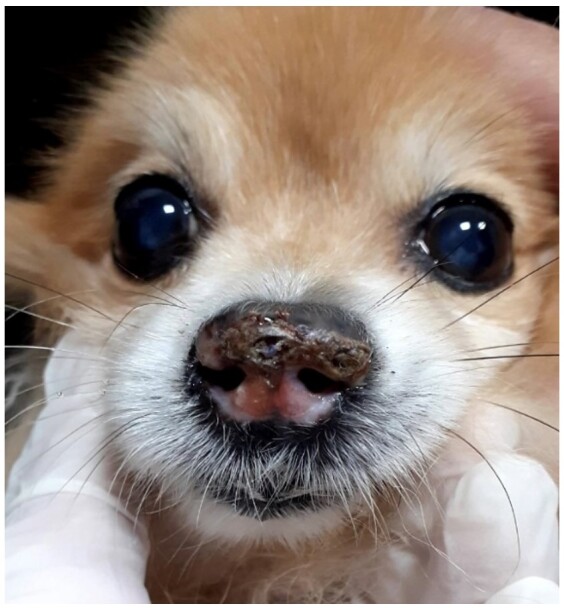 Figure 1
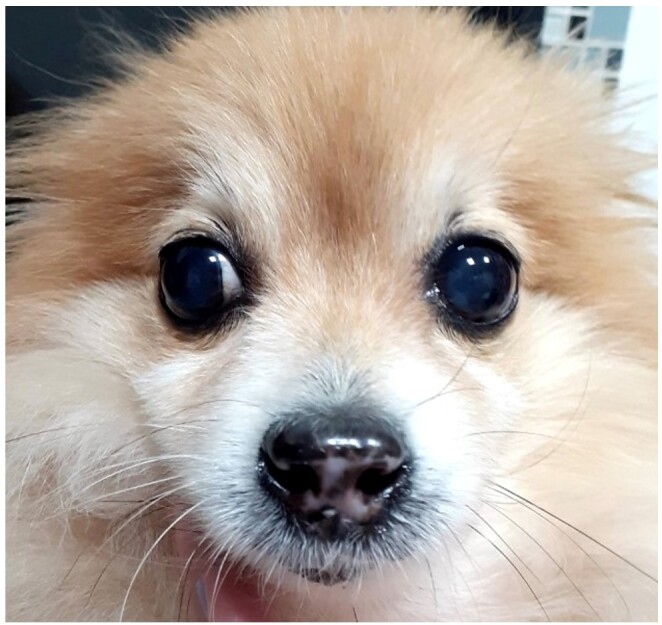 Figure 2
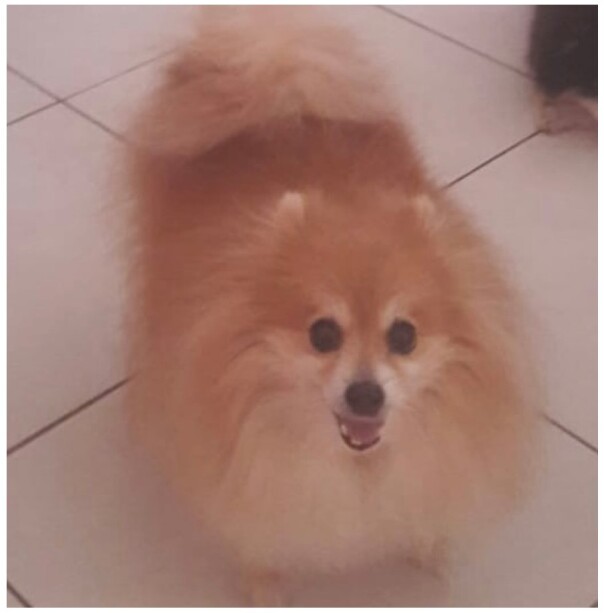 Figure 3
Peer Reviews
No public reviews on file for this paper yet. If you reviewed it on a platform where reviews are public (OpenReview, ICLR, NeurIPS, ICML), you can paste yours below so the community can read it here.
Videos
No videos yet. Explain this paper in a talk, walkthrough, or lecture? Add one.
Taxonomy
TopicsAutoimmune Bullous Skin Diseases · Oral and gingival health research · Coagulation, Bradykinin, Polyphosphates, and Angioedema