Genomic and transcriptomic analyses of Heteropoda venatoria reveal the expansion of P450 family for starvation resistance in spiders
Guoqing Zhang, Yiru Wang, Hongcen Jiang, Yi Wang

TL;DR
This study explores how Heteropoda venatoria spiders resist starvation by analyzing their genome and gene expression patterns, revealing expanded P450 genes that help them survive long periods without food.
Contribution
The study identifies the expansion of P450 gene families in H. venatoria and their role in starvation resistance, offering new insights into spider and arthropod adaptation.
Findings
H. venatoria relies on glucose metabolism early in starvation and shifts to fatty acid metabolism and autophagy in later stages.
Expanded CYP3 clan P450 genes are highly expressed in the fat body, potentially supporting low-energy metabolism.
P450 motifs in H. venatoria are less conserved than in insects, suggesting greater genomic polymorphism in spiders.
Abstract
Research on the mechanism of starvation resistance can help reveal how animals adjust their physiology and behavior to adapt to the uncertainty of food resources. A low metabolic rate is a significant characteristic of spider physiological activity and can increase spider starvation resistance and adapt to complex ecological environments. We sequenced the genome of Heteropoda venatoria and discovered significant expansions in gene families related to lipid metabolism, such as cytochrome P450 and steroid hormone biosynthesis genes, through comparative genomic analysis. We also systematically analyzed the gene expression characteristics of H. venatoria at different starvation resistance stages and reported that the fat body plays a crucial role during starvation in spiders. This study indicates that during the early stages of starvation, H. venatoria relies on glucose metabolism to meet…
Genes, proteins, chemicals, diseases, species, mutations and cell lines named across the full text — each resolved to its canonical identifier and authoritative record.
Click any figure to enlarge with its caption.
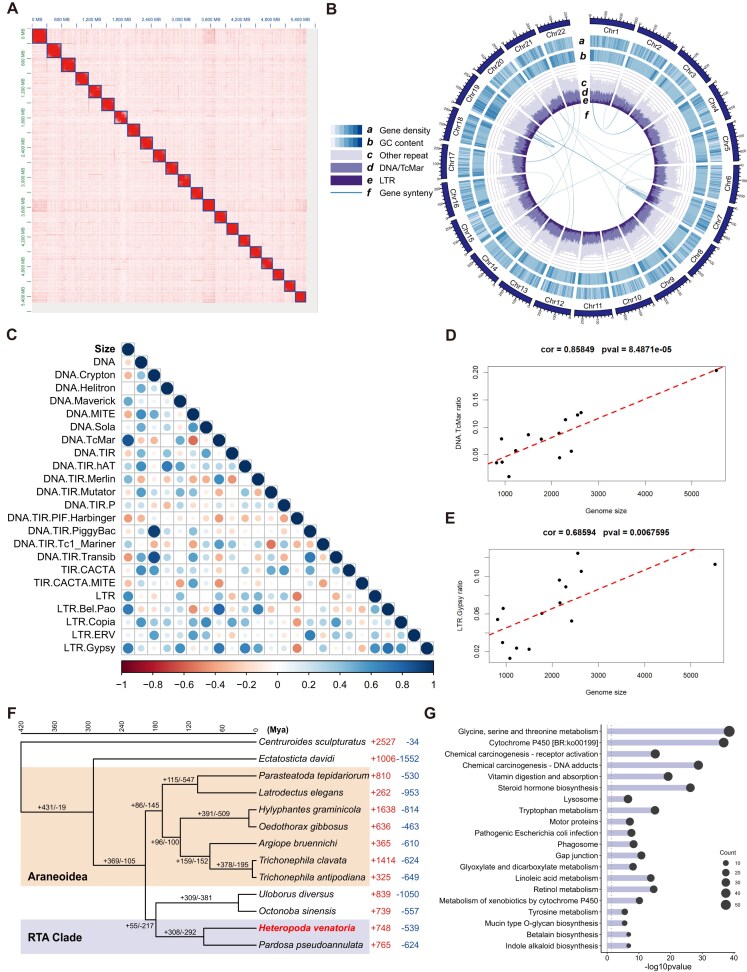 Figure 1
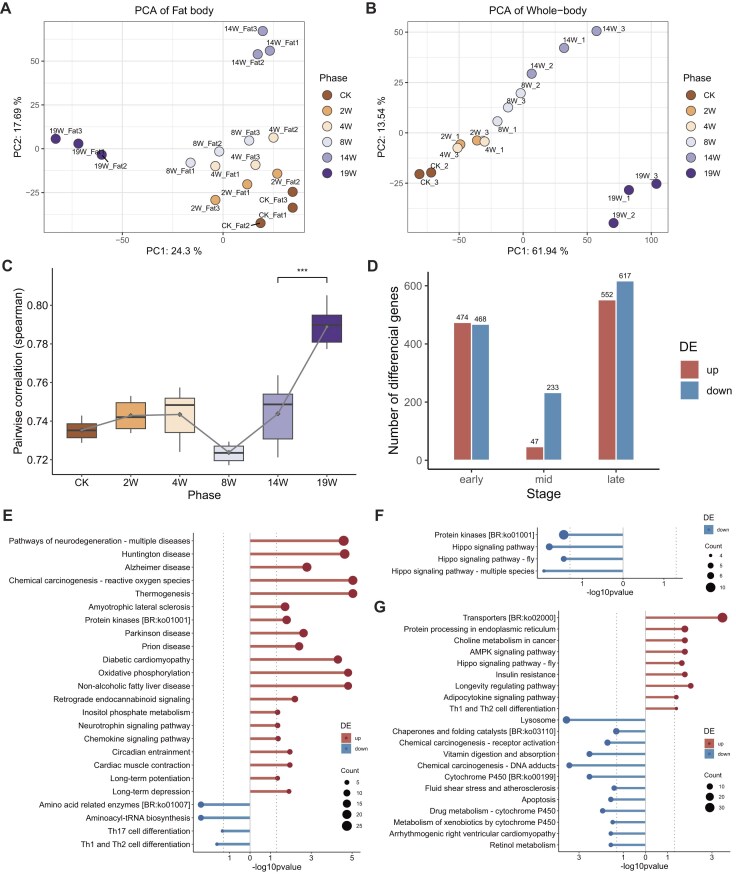 Figure 2
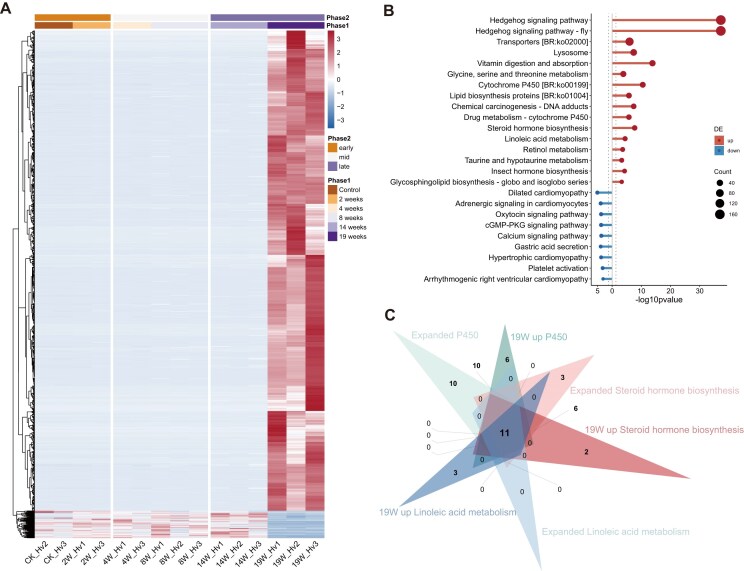 Figure 3
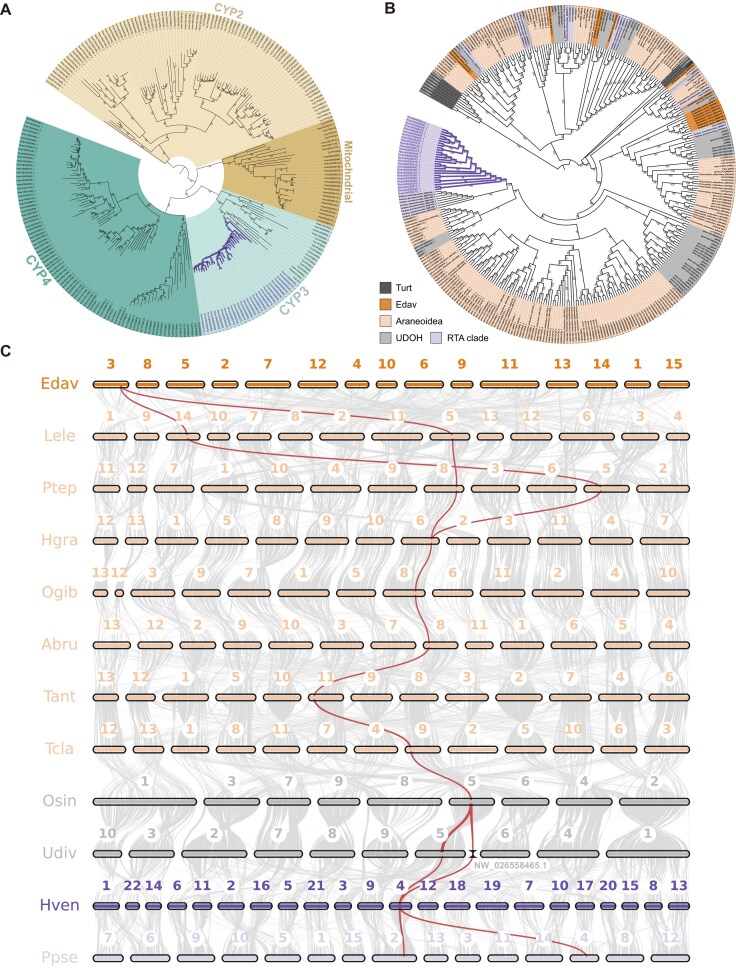 Figure 4
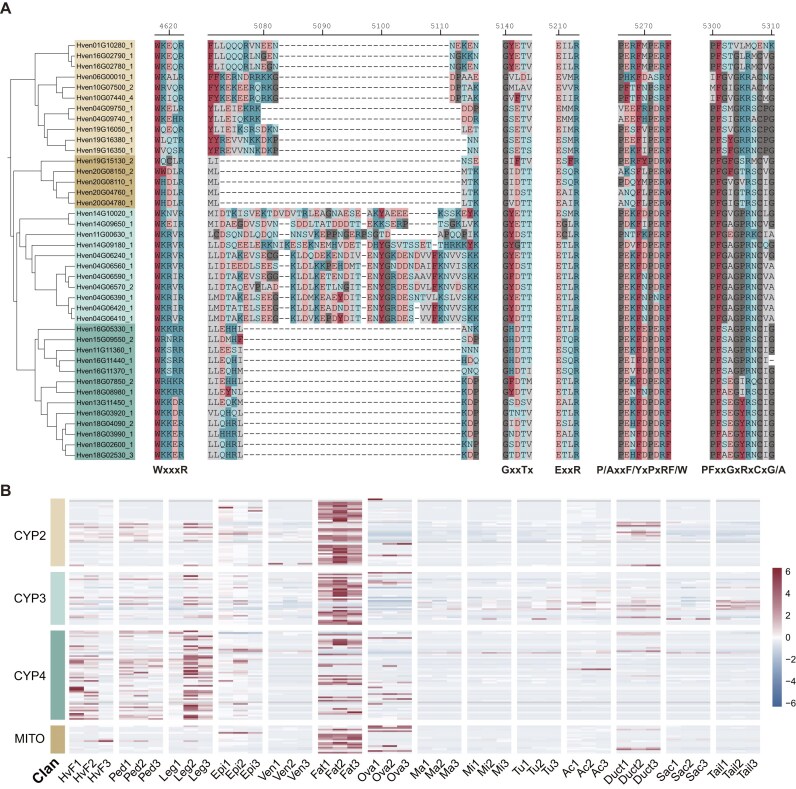 Figure 5
Peer Reviews
No public reviews on file for this paper yet. If you reviewed it on a platform where reviews are public (OpenReview, ICLR, NeurIPS, ICML), you can paste yours below so the community can read it here.
Videos
No videos yet. Explain this paper in a talk, walkthrough, or lecture? Add one.
Taxonomy
TopicsNeurobiology and Insect Physiology Research · Insect Resistance and Genetics · Insect-Plant Interactions and Control