Return to Functional Activity After Pectoralis Major Surgical Treatment: A Comprehensive Review
Arslan A Abro, Nashit Aziz, Kashif Memon, Tahreem Fatima

TL;DR
This review examines how well people can return to physical activities after surgery for pectoralis major injuries, showing generally positive outcomes.
Contribution
The study provides a systematic review of surgical outcomes for pectoralis major ruptures, emphasizing return to sport and work.
Findings
Surgical repair of pectoralis major ruptures generally leads to high return-to-sport rates and patient satisfaction.
Complications like re-rupture, infection, and persistent weakness are rare but should be considered in surgical planning.
Variability in definitions and postoperative protocols may lead to inconsistencies in study results.
Abstract
Pectoralis major is a strong, thick, and fan-shaped muscle that takes origination from the chest bone and medial part of the collarbone while passing to the arm; fibers converge in a U-shaped manner and insert onto the lateral lip of the bicipital groove of the humerus near the bicep tendon. The pectoralis major tendon is 3-5 cm thick and 40 mm wide. The pectoralis major tendon is powerful and useful for shoulder function; it plays a vital role in shoulder adduction and assists in internal rotation and humerus flexion. Injuries to the pectoralis major tendon are rare but are gaining popularity because of more competitive sports. Pectoralis major injuries are most commonly seen in men aged 20 to 40, particularly during weightlifting, but they can also occur in sports like wrestling, boxing, and water skiing. Considering the recently increased burden of pectoralis major rupture cases,…
Genes, proteins, chemicals, diseases, species, mutations and cell lines named across the full text — each resolved to its canonical identifier and authoritative record.
Click any figure to enlarge with its caption.
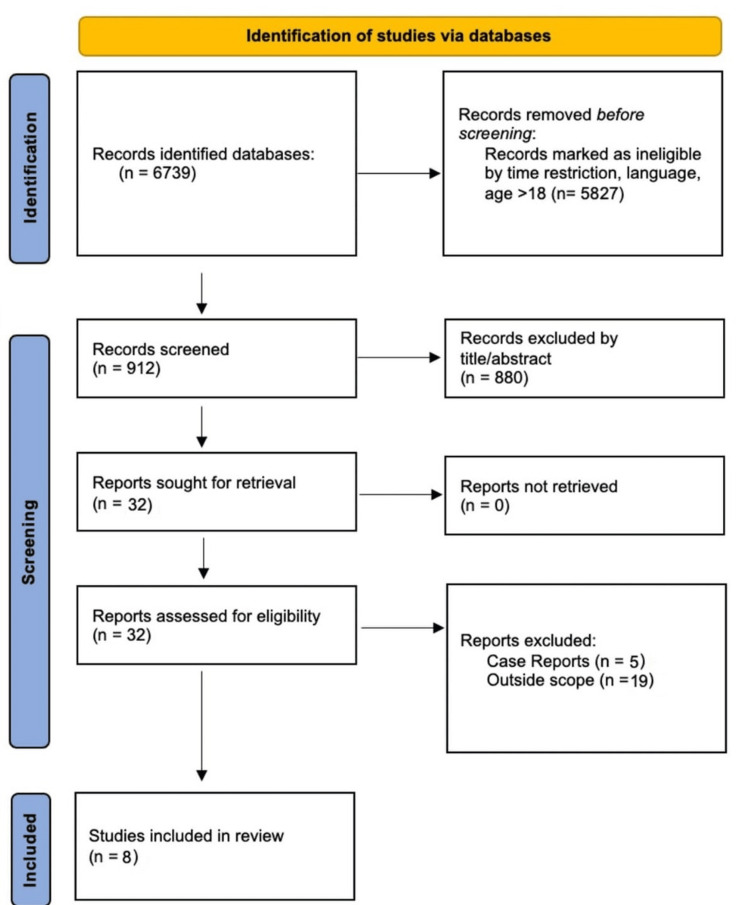 Figure 1
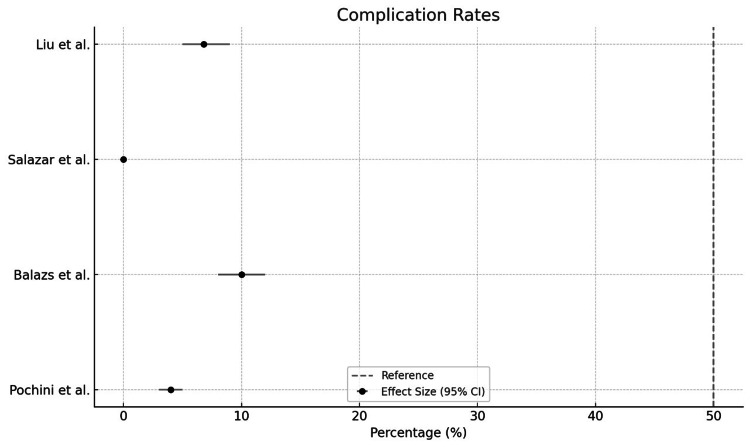 Figure 2
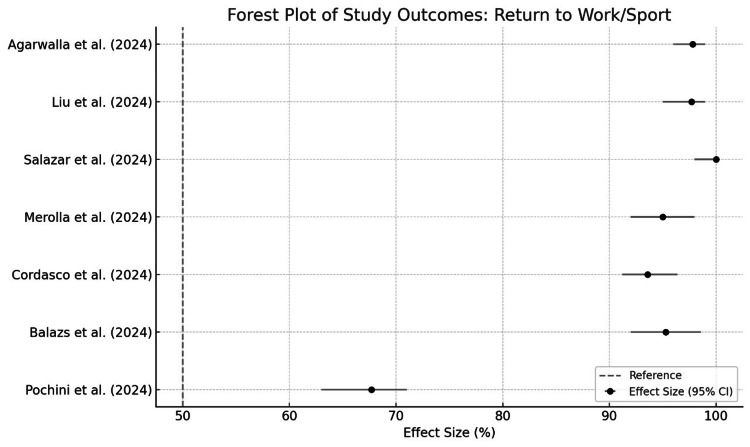 Figure 3
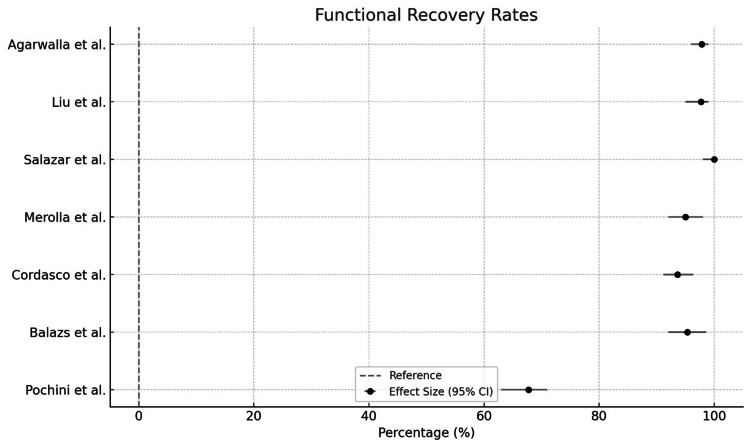 Figure 4
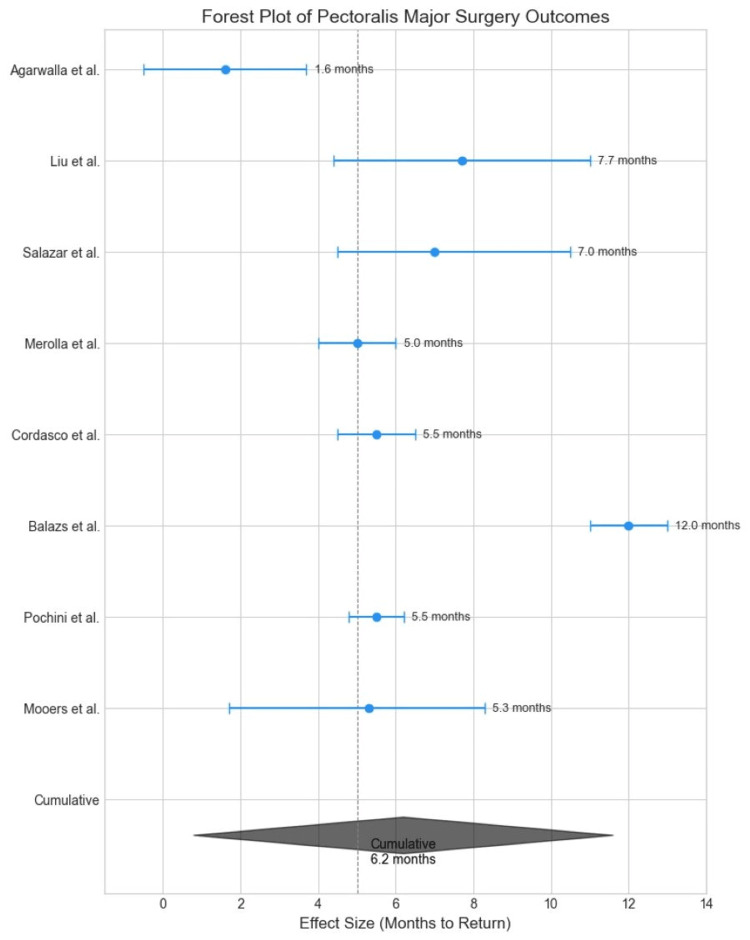 Figure 5
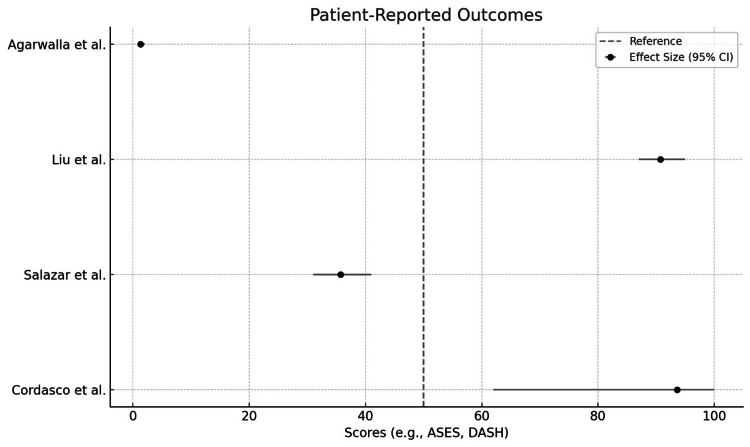 Figure 6
Peer Reviews
No public reviews on file for this paper yet. If you reviewed it on a platform where reviews are public (OpenReview, ICLR, NeurIPS, ICML), you can paste yours below so the community can read it here.
Videos
No videos yet. Explain this paper in a talk, walkthrough, or lecture? Add one.
Taxonomy
TopicsPectus Deformity Diagnosis and Treatment · Shoulder and Clavicle Injuries · Nerve Injury and Rehabilitation