Gynaeco-obstetrical follow-up of patients with dystrophic epidermolysis bullosa, a prospective study
M. Fournier, E. Bourrat, J. Rapp, D. Vexiau, C. Trastour, C. Chiaverini

TL;DR
This study examines the gynaecological and obstetrical experiences of women with dystrophic epidermolysis bullosa, a rare skin condition, to better understand their health needs and outcomes.
Contribution
The study provides the first prospective analysis of gynaecological and obstetrical follow-up in women with dystrophic epidermolysis bullosa.
Findings
Most women with DEB had regular gynaecological follow-ups and some had full-term pregnancies.
Sexual activity was reported by 63% of participants, often with difficulties.
Screening rates for cervical and breast cancer were high, but low for sexually transmitted diseases.
Abstract
Dystrophic epidermolysis bullosa (DEB) is a rare group of genetic skin-fragility conditions resulting in blisters and erosions of the skin and mucosa, evolving into dystrophic and retractile scars. This study objective is to describe the genital involvement in women with DEB and their gynaeco-obstetrical life. In this prospective two-centre study, data from women with DEB who were older than 18 years was gathered into a questionnaire by the dermatologist and/or gynaecologist investigators. This data was collected from patients’ medical records with regard to menstrual cycles, contraception methods, the obstetrical history, screening for gynaecological cancers and sexually transmitted diseases, and the sexual life. Vulvar examinations were carried out as part of the usual follow-up. In total, 27 women (median age 35 years; range 19 to 72) were recruited and their data included in the…
Genes, proteins, chemicals, diseases, species, mutations and cell lines named across the full text — each resolved to its canonical identifier and authoritative record.
Click any figure to enlarge with its caption.
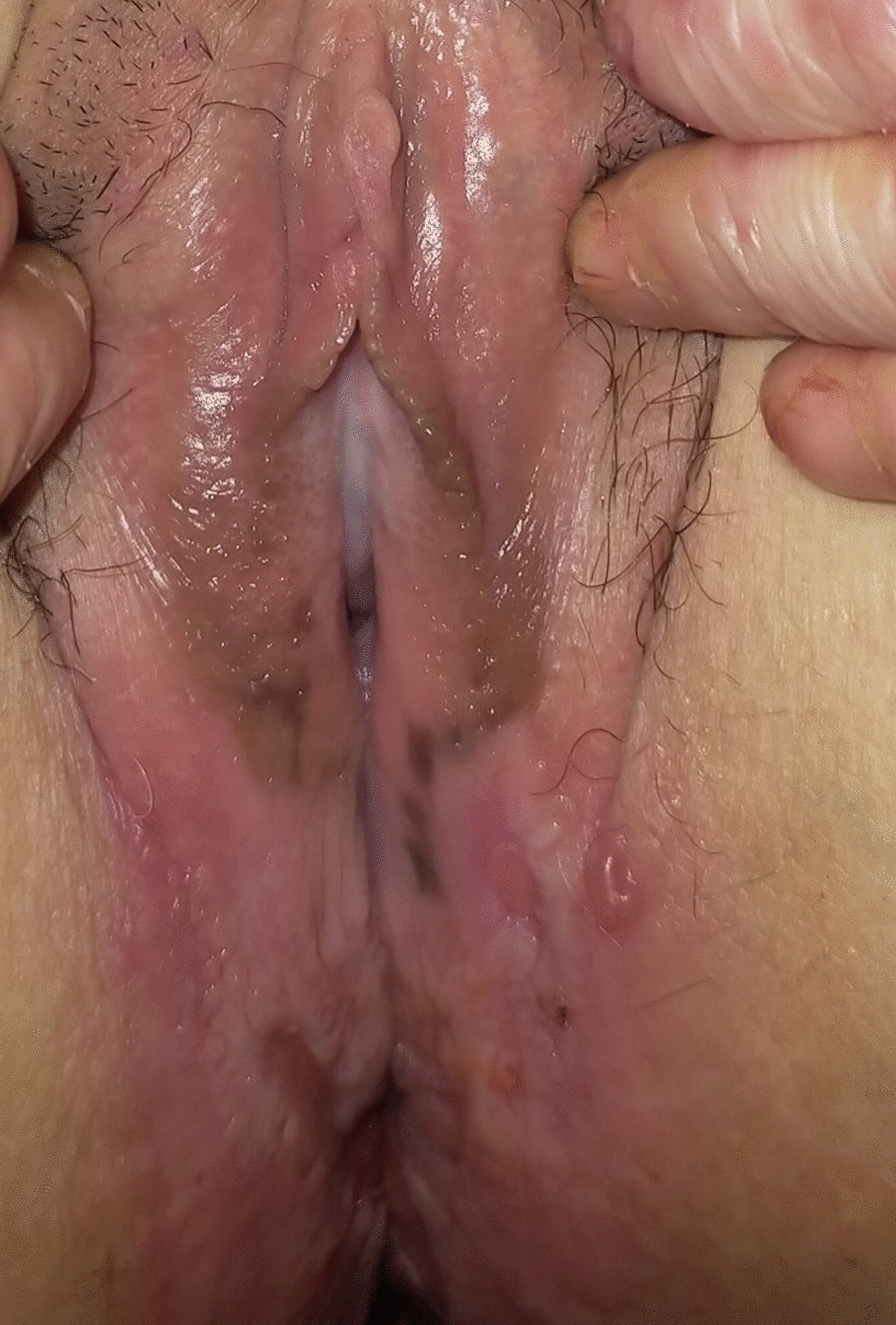 Figure 1
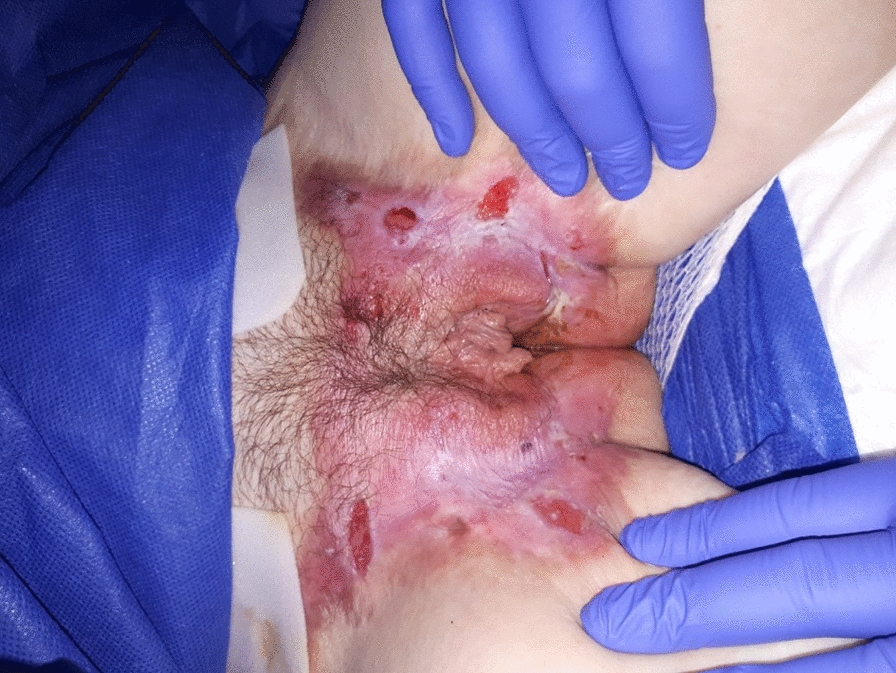 Figure 2
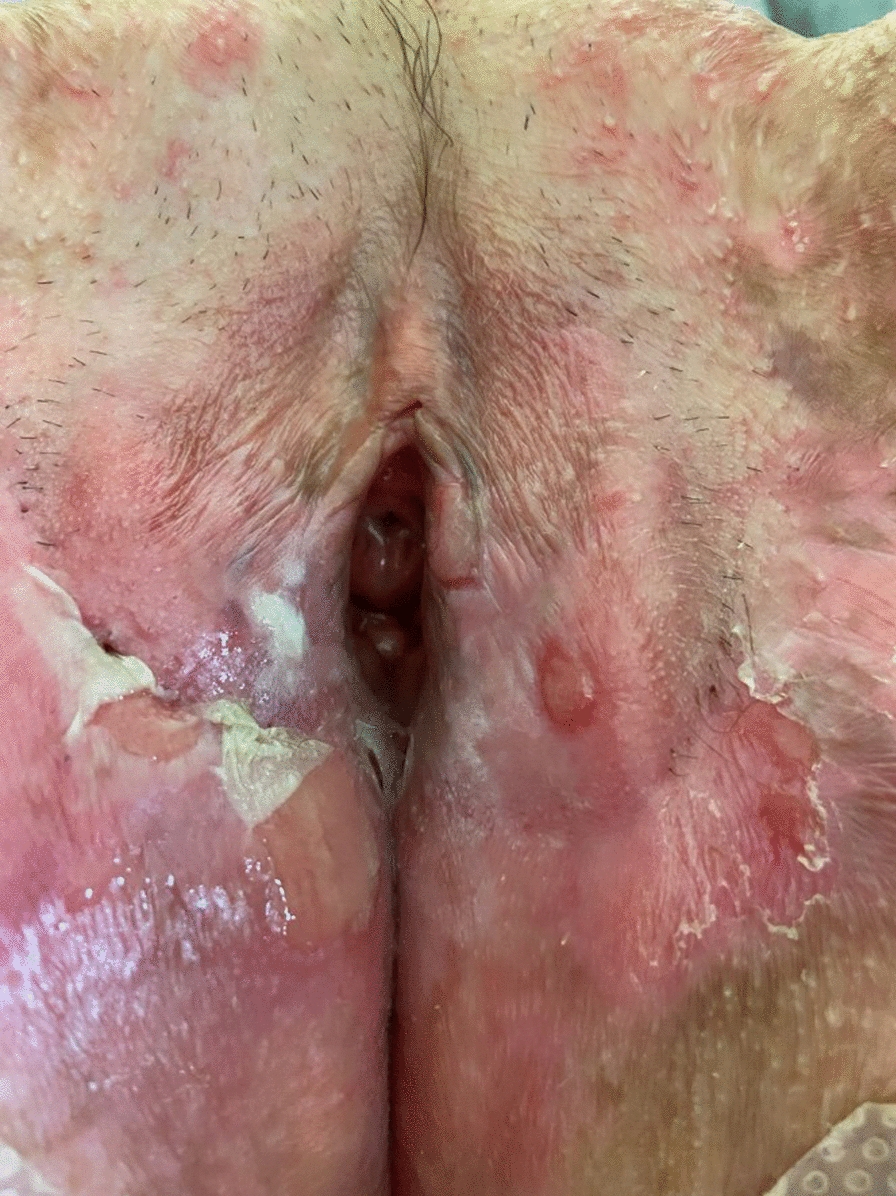 Figure 3
Peer Reviews
No public reviews on file for this paper yet. If you reviewed it on a platform where reviews are public (OpenReview, ICLR, NeurIPS, ICML), you can paste yours below so the community can read it here.
Videos
No videos yet. Explain this paper in a talk, walkthrough, or lecture? Add one.
Taxonomy
TopicsSkin and Cellular Biology Research · Dermatological and Skeletal Disorders · Hair Growth and Disorders