Anticipating protein evolution with successor sequence predictor
Rayyan Tariq Khan, Pavel Kohout, Milos Musil, Monika Rosinska, Jiri Damborsky, Stanislav Mazurenko, David Bednar

TL;DR
The paper introduces a new computational tool called the Successor Sequence Predictor that predicts future protein evolution by analyzing past evolutionary trends and suggesting beneficial mutations.
Contribution
The novel contribution is the development of a predictive in silico method that combines ancestral sequence reconstruction with physicochemical descriptors to forecast amino acid substitutions.
Findings
The Successor Sequence Predictor can forecast mutations that improve protein properties like thermostability and solubility.
The method reduces the need for resource-intensive experimental techniques like directed evolution.
The tool is available as open-source code and a web server for practical use in protein engineering.
Abstract
The quest to predict and understand protein evolution has been hindered by limitations on both the theoretical and the experimental fronts. Most existing theoretical models of evolution are descriptive, rather than predictive, leaving the final modifications in the hands of researchers. Existing experimental techniques to help probe the evolutionary sequence space of proteins, such as directed evolution, are resource-intensive and require specialised skills. We present the successor sequence predictor (SSP) as an innovative solution. Successor sequence predictor is an in silico protein design method that mimics laboratory-based protein evolution by reconstructing a protein's evolutionary history and suggesting future amino acid substitutions based on trends observed in that history through carefully selected physicochemical descriptors. This approach enhances specialised proteins by…
Genes, proteins, chemicals, diseases, species, mutations and cell lines named across the full text — each resolved to its canonical identifier and authoritative record.
Click any figure to enlarge with its caption.
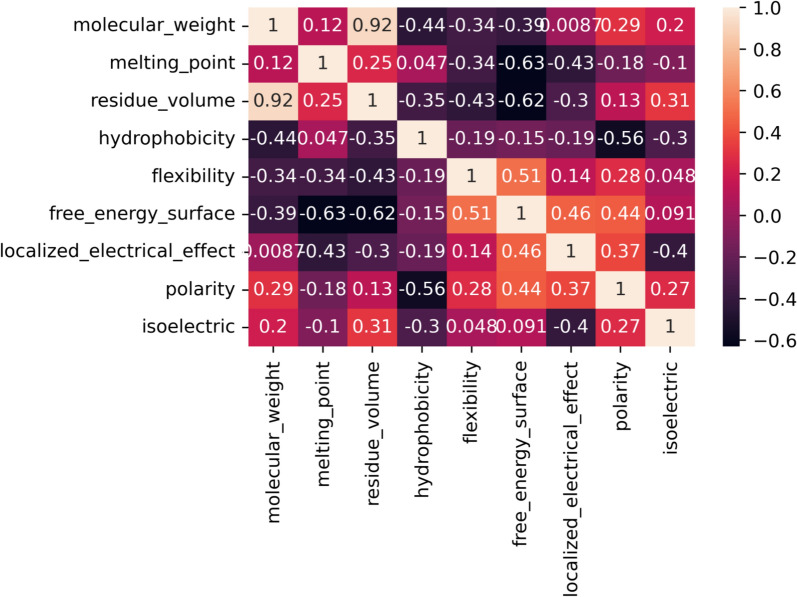 Figure 1
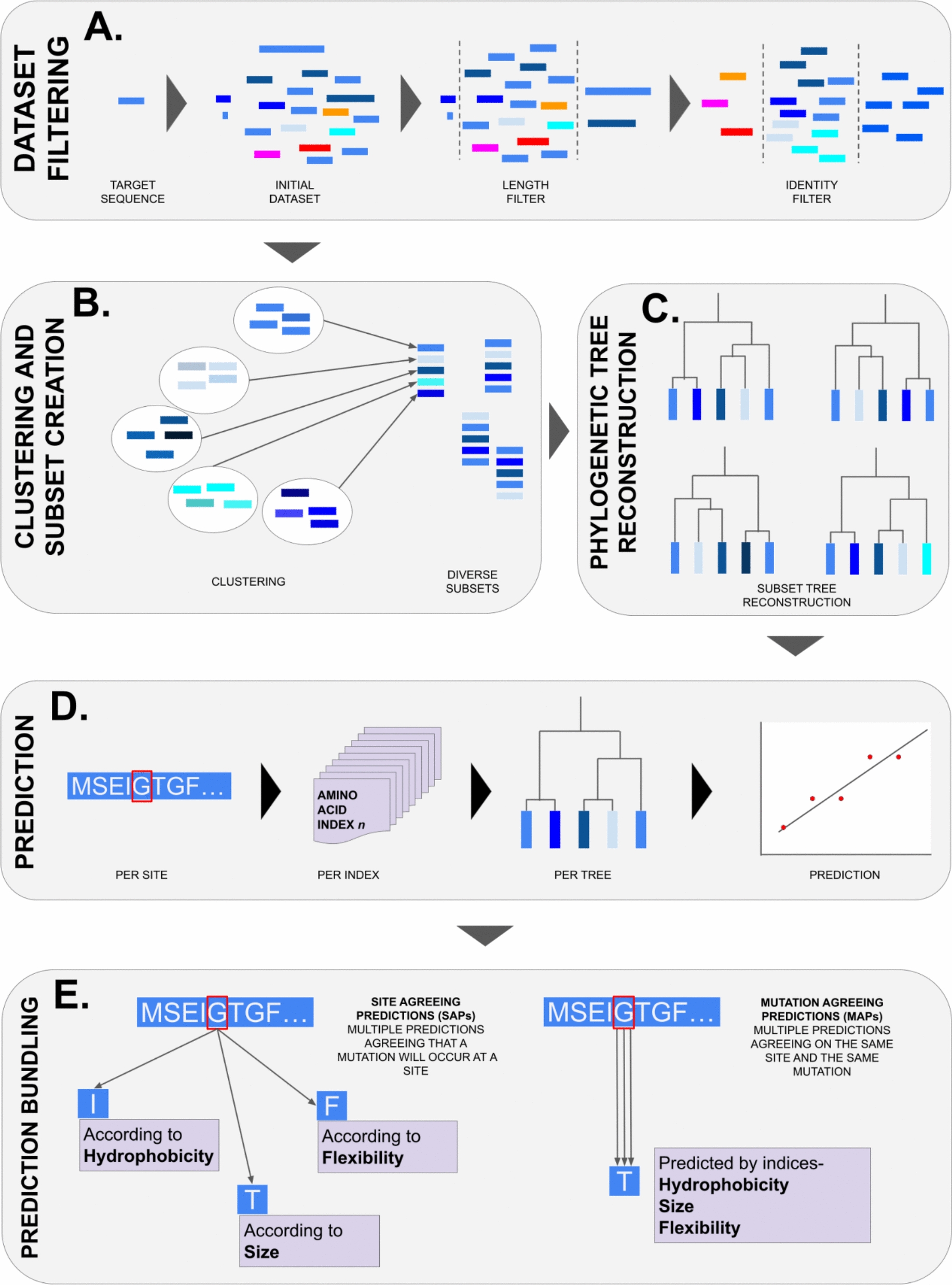 Figure 2
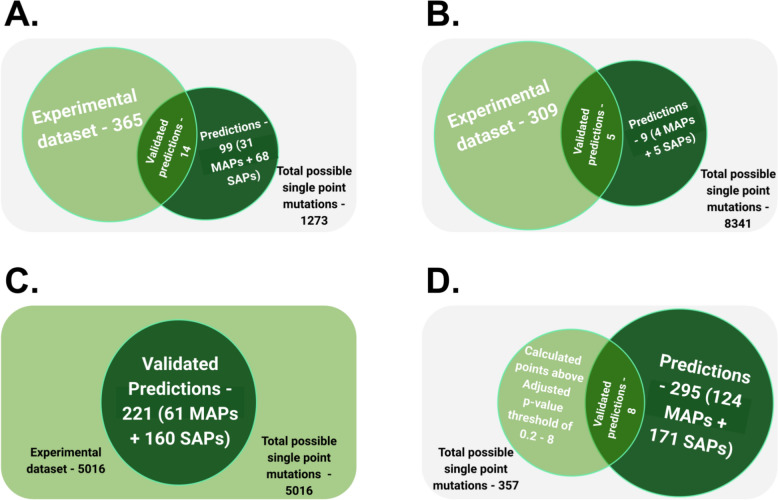 Figure 3
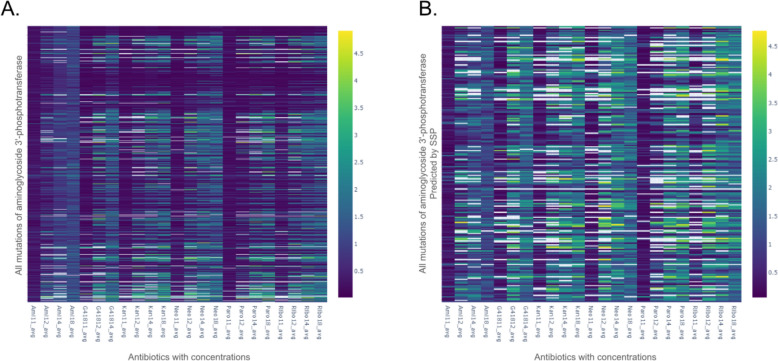 Figure 4
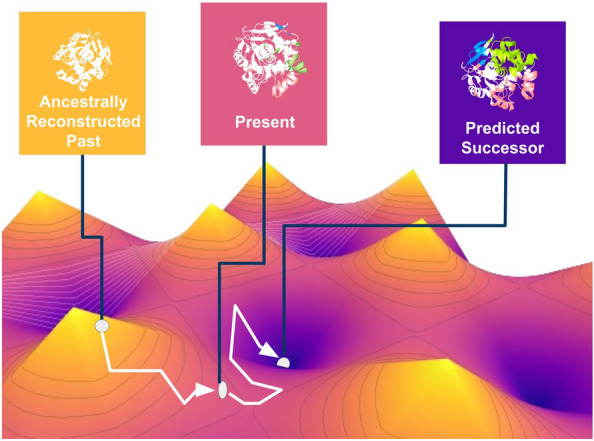 Figure 5
Peer Reviews
No public reviews on file for this paper yet. If you reviewed it on a platform where reviews are public (OpenReview, ICLR, NeurIPS, ICML), you can paste yours below so the community can read it here.
Videos
No videos yet. Explain this paper in a talk, walkthrough, or lecture? Add one.
Taxonomy
TopicsGenomics and Phylogenetic Studies · Evolution and Genetic Dynamics · Protein Structure and Dynamics