Contaminant Removal Using Vibrating Surfaces: Nanoscale Insights and a Universal Scaling Law
Rohit Pillai, David Neilan, Cameron Handel, Saikat Datta

TL;DR
This paper explores how vibrating surfaces can remove tiny contaminants, revealing a key energy threshold and a universal rule for optimizing the process.
Contribution
The study introduces a universal scaling law linking particle size to optimal vibrational parameters for contaminant removal.
Findings
A critical vibrational energy threshold exists for effective contaminant removal.
A universal scaling law connects particle size to optimal vibrational parameters.
Molecular dynamics simulations reveal nanoscale physics of vibration-based cleaning.
Abstract
The development of active self-cleaning surfaces, i.e., surfaces that remove nanoscale contaminants using external forces such as electric or magnetic fields, is critical to many engineering applications. The use of surface vibrations represents a promising alternative, but the underlying nanoscale physics, in the absence of an intermediate liquid medium, is poorly understood. We used molecular dynamics simulations to explore the use of ultra-high-frequency surface acoustic wave devices for contaminant removal. Our simulations reveal that there exists a critical vibrational energy threshold, determined by the amplitude and frequency of the surface vibrations, that must be surpassed to effectively dislodge contaminant particles. We derive a universal scaling law that links the characteristic size of particles to the optimal vibrational parameters required for their removal. This provides…
Genes, proteins, chemicals, diseases, species, mutations and cell lines named across the full text — each resolved to its canonical identifier and authoritative record.
Click any figure to enlarge with its caption.
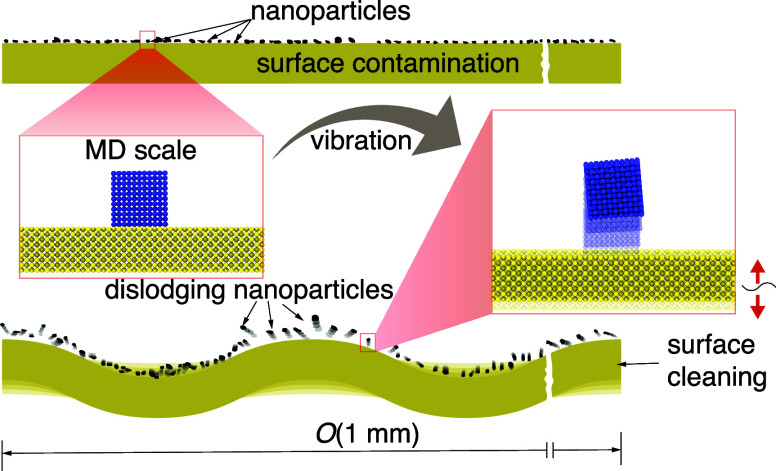 Figure 1
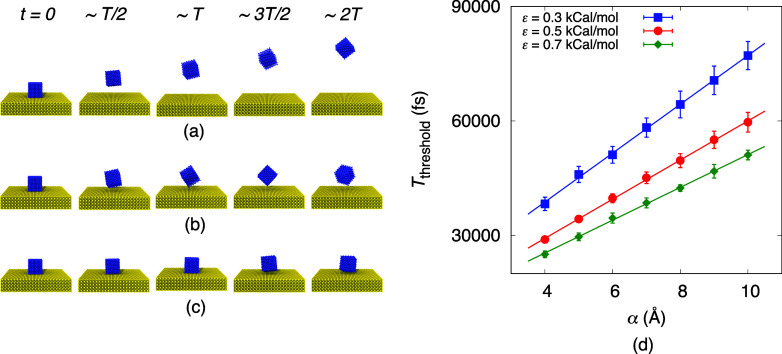 Figure 2
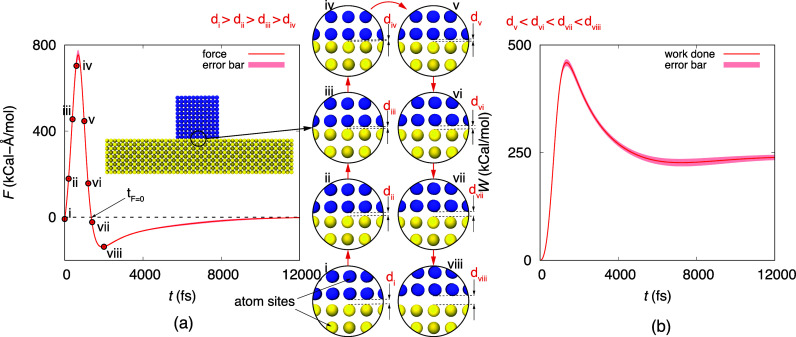 Figure 3
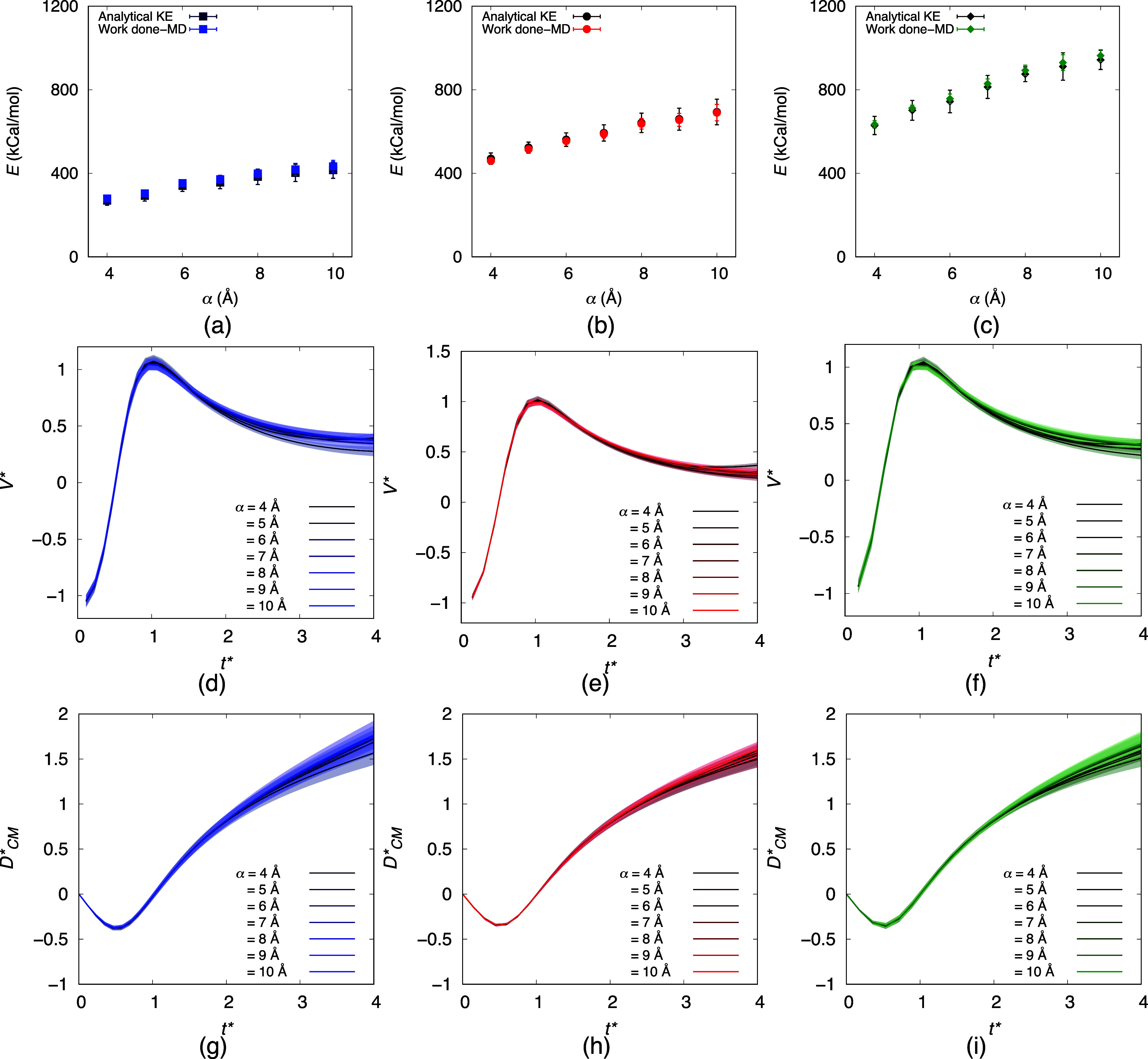 Figure 4
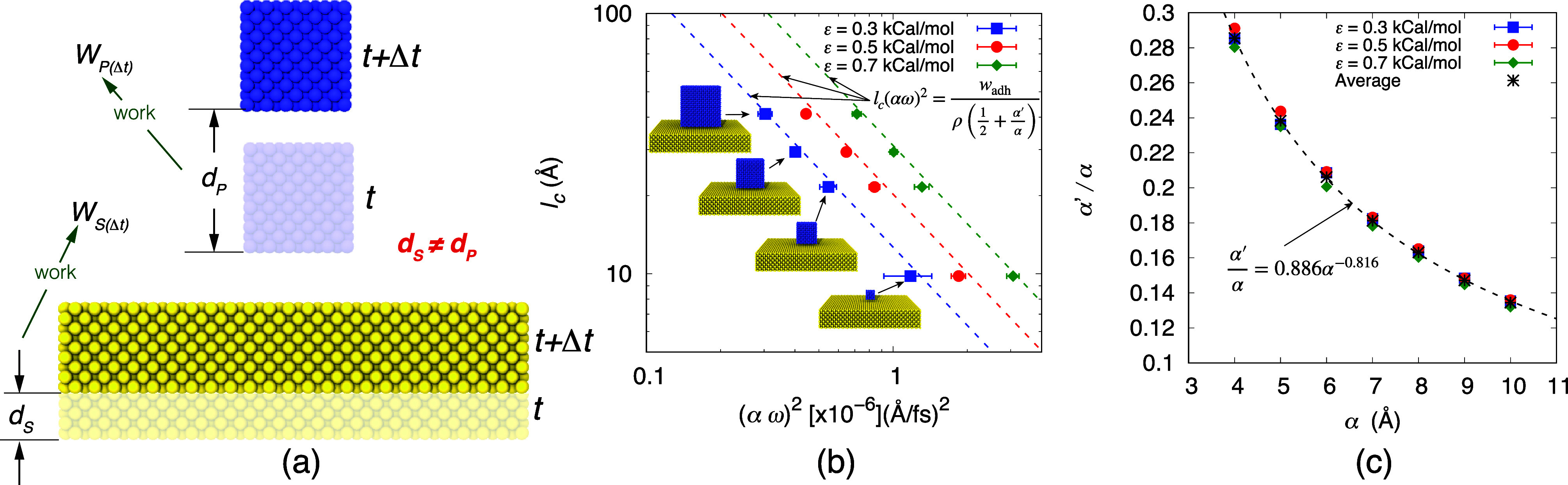 Figure 5
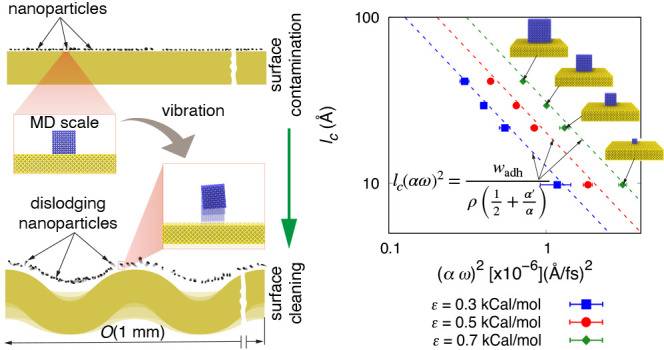 Figure 6
 Figure 7
 Figure 8
 Figure 9
 Figure 10
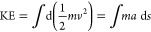 Figure 11
 Figure 12
 Figure 13
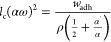 Figure 14
Peer Reviews
No public reviews on file for this paper yet. If you reviewed it on a platform where reviews are public (OpenReview, ICLR, NeurIPS, ICML), you can paste yours below so the community can read it here.
Videos
No videos yet. Explain this paper in a talk, walkthrough, or lecture? Add one.
Taxonomy
TopicsMicrofluidic and Bio-sensing Technologies · Electrowetting and Microfluidic Technologies · Electrohydrodynamics and Fluid Dynamics