Capnographic monitoring using a novel mainstream system during endoscopic ultrasound and endoscopic retrograde cholangiopancreatography: A prospective randomized controlled trial
Yoichi Takimoto, Eisuke Iwasaki, Masayasu Horibe, Seiichiro Fukuhara, Kazuhiro Minami, Shintaro Kawasaki, Tatsuhiro Masaoka, Haruhiko Ogata, Fateh Bazerbachi, Takanori Kanai

TL;DR
A new mainstream capnography system was tested during endoscopic procedures but did not reduce hypoxemia rates.
Contribution
A novel over-the-biteblock mainstream capnography system was evaluated for feasibility and efficacy in preventing hypoxemia during EUS and ERCP.
Findings
The novel capnography system successfully captured EtCO2 concentrations without hindering procedures.
There was no significant difference in hypoxemia incidence between the control and capnography groups.
The system did not prevent hypoxemia in non-obese patients undergoing EUS or ERCP.
Abstract
Insufficient studies exist on capnography efficacy during endoscopic ultrasound or endoscopic retrograde cholangiopancreatography, and no definitive conclusions have been drawn. To evaluate the feasibility and efficacy of a novel mainstream capnography using an over‐the‐biteblock end‐tidal CO2 (EtCO2) detector in decreasing the risk of hypoxemia during endoscopic ultrasound (EUS) and endoscopic retrograde cholangiopancreatography (ERCP). Patients undergoing EUS or ERCP with conscious sedation at a single Japanese center were randomized to a control or a novel capnography monitored (intervention) group in a 1:1 ratio. Hypoxemia correction maneuvers were pursued if the oxygen saturation decreased to <92% in the control or intervention group and if a 15‐s suspension of EtCO2 wave occurred in the intervention group. The primary outcome was the incidence of hypoxemic events, defined as…
Genes, proteins, chemicals, diseases, species, mutations and cell lines named across the full text — each resolved to its canonical identifier and authoritative record.
Click any figure to enlarge with its caption.
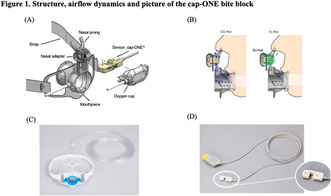 Figure 1
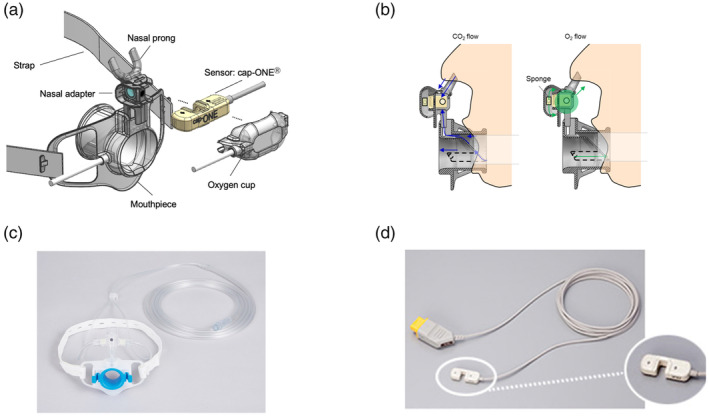 Figure 2
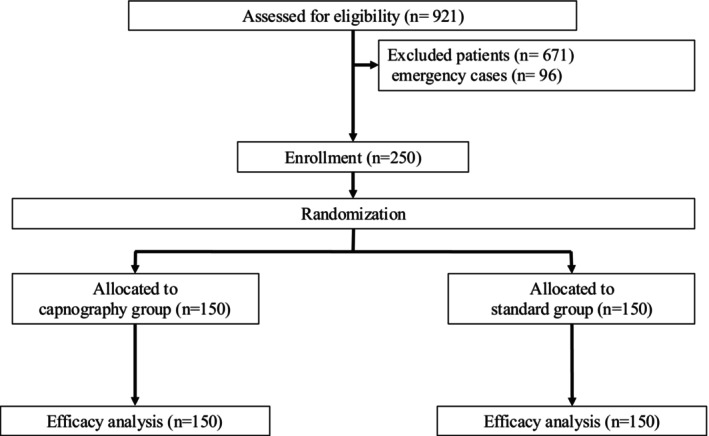 Figure 3
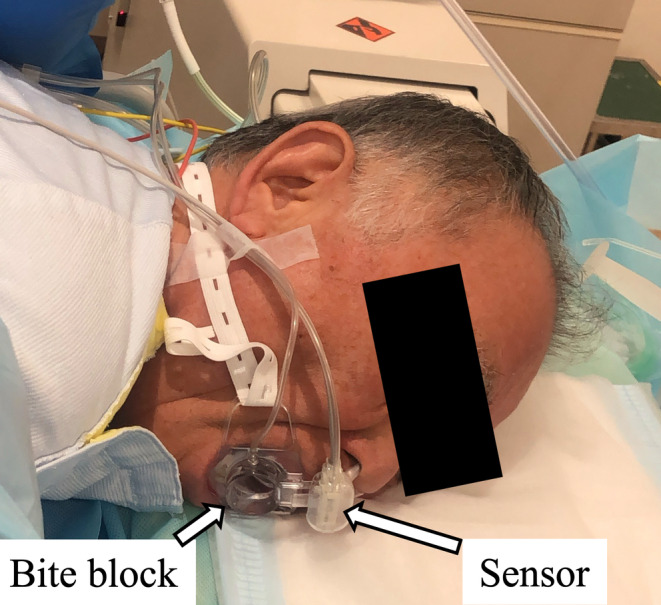 Figure 4
Peer Reviews
No public reviews on file for this paper yet. If you reviewed it on a platform where reviews are public (OpenReview, ICLR, NeurIPS, ICML), you can paste yours below so the community can read it here.
Videos
No videos yet. Explain this paper in a talk, walkthrough, or lecture? Add one.
Taxonomy
TopicsAnesthesia and Sedative Agents · Airway Management and Intubation Techniques · Respiratory Support and Mechanisms