Clinical Vigilance Overcomes Imaging Limitations in Jejunal Perforation: A Case Report
Riyam M AL-Ajrash

TL;DR
A case report shows how clinical vigilance was crucial in diagnosing a rare jejunal perforation missed by initial imaging after a motorcycle accident.
Contribution
Highlights the limitations of standard imaging protocols and emphasizes the need for enhanced diagnostic strategies in detecting hollow viscus injuries.
Findings
Initial imaging failed to detect jejunal perforation despite clinical suspicion.
Clinical deterioration led to exploratory surgery, confirming the perforation.
Use of both oral and IV contrast in CT imaging is recommended for better detection.
Abstract
Jejunal perforation following blunt abdominal trauma is a rare but critical condition that poses significant diagnostic challenges due to its subtle clinical and radiographic presentations. This case report describes a 29-year-old male who sustained blunt abdominal trauma in a motorcycle accident. Despite initial imaging, including an erect chest X-ray showing no pneumoperitoneum and CT with intravenous contrast revealing only splenic injury, the diagnosis of jejunal perforation was delayed until clinical deterioration prompted exploratory laparotomy. The findings highlight the limitations of plain radiographs and the absence of oral contrast in CT protocols for detecting hollow viscus injuries. This case underscores the importance of maintaining a high index of suspicion, employing advanced imaging techniques, and ensuring prompt surgical intervention when clinical signs indicate…
Genes, proteins, chemicals, diseases, species, mutations and cell lines named across the full text — each resolved to its canonical identifier and authoritative record.
Click any figure to enlarge with its caption.
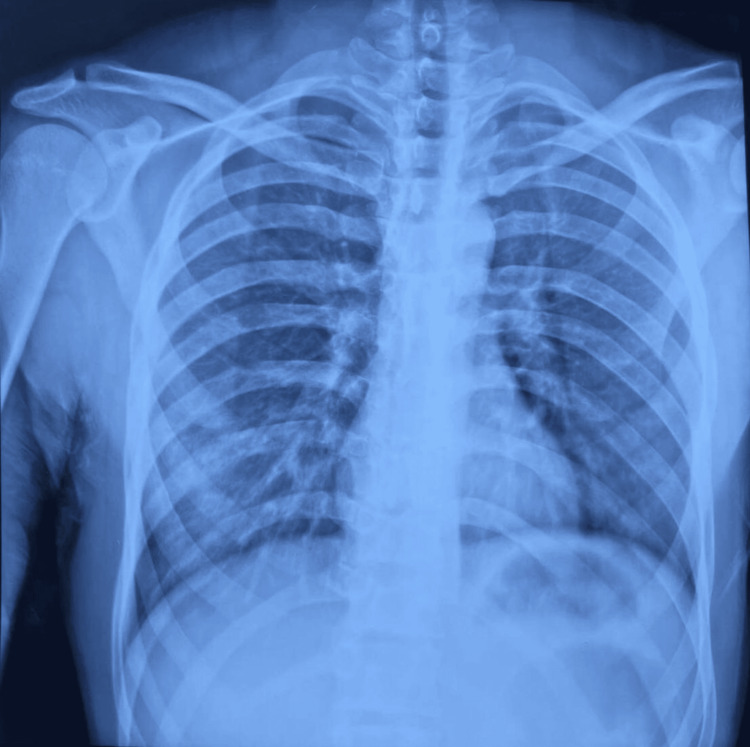 Figure 1
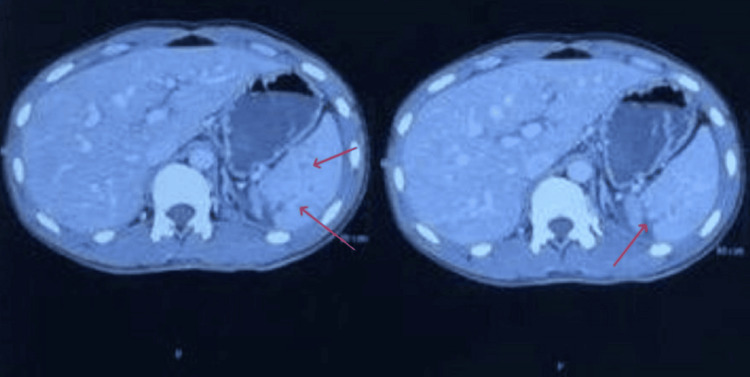 Figure 2
Peer Reviews
No public reviews on file for this paper yet. If you reviewed it on a platform where reviews are public (OpenReview, ICLR, NeurIPS, ICML), you can paste yours below so the community can read it here.
Videos
No videos yet. Explain this paper in a talk, walkthrough, or lecture? Add one.
Taxonomy
TopicsPancreatic and Hepatic Oncology Research · Abdominal Trauma and Injuries · Esophageal and GI Pathology