Calculation of the Lumbosacral Segment Volume of the Spinal Cord in Ducks (Anas) Using the Stereological Method
Gamze Cakmak, Zafer Soyguder

TL;DR
This study used a stereological method to calculate the volume of the lumbosacral spinal cord segments in ducks, revealing variations in white and grey matter across segments.
Contribution
The study provides new volume data for the lumbosacral spinal cord in ducks using a precise stereological approach.
Findings
The volume of the lumbosacral spinal cord increased between the LS3 and LS8 segments.
Statistical differences were found in white matter and grey matter volume values across segments.
The intumescentia lumbosacralis enlargement may occur between LS3 and LS8 segments in ducks.
Abstract
In this study, white and grey matter volume densities of the lumbosacral part of spinal cord in ducks (Anatinae) were investigated by a stereological method. Ten healthy ducks weighing 3–4 kg, regardless of gender, were used as material. Anesthetized animals were perfused with 10% buffered formaldehyde. The lumbosacral parts of the ducks were exposed by dissecting the spinal cords. The lumbosacral section was segmented. Tissue samples from each segment were determined. A total of 12 sections were taken from these tissue samples, each 250th section with a thickness of 5 µm on the microtome. These sections were stained with haematoxylin‐eosin. Photos were taken with an X10 objective. By using Cavalieri's Principle, volume density calculations of both the whole tissue and the white and grey matter were performed separately in each segment of the lumbosacral part of the spinal cord in…
Genes, proteins, chemicals, diseases, species, mutations and cell lines named across the full text — each resolved to its canonical identifier and authoritative record.
Click any figure to enlarge with its caption.
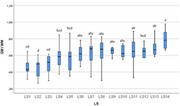 Figure 1
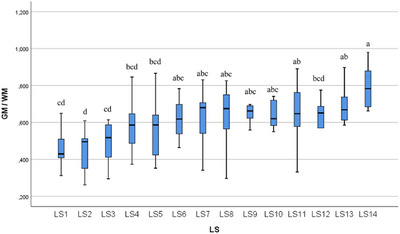 Figure 2
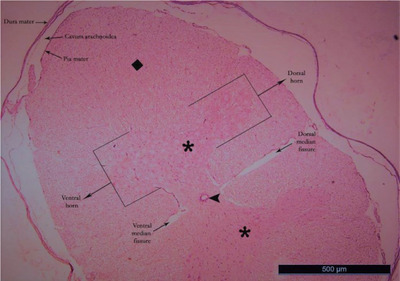 Figure 3
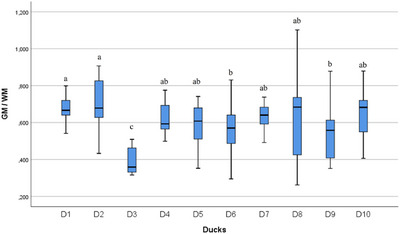 Figure 4
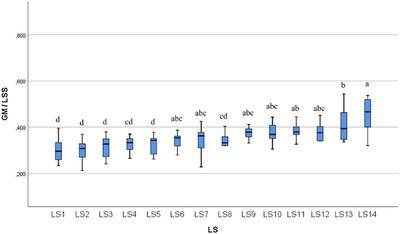 Figure 5
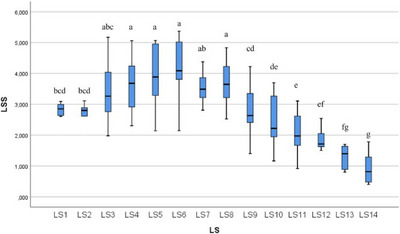 Figure 6
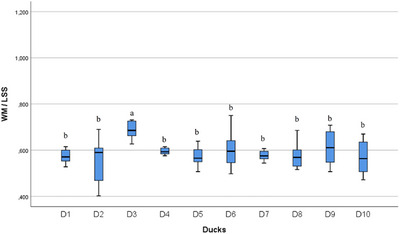 Figure 7
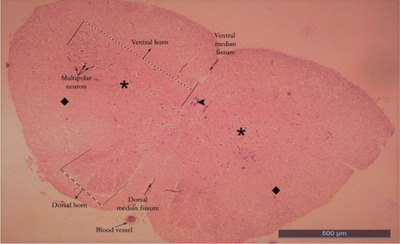 Figure 8
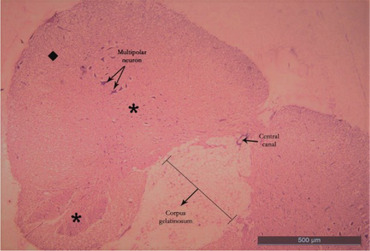 Figure 9
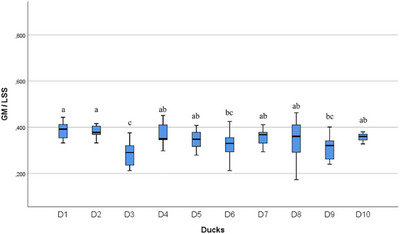 Figure 10
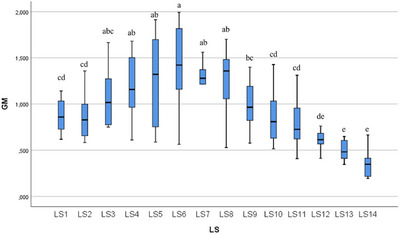 Figure 11
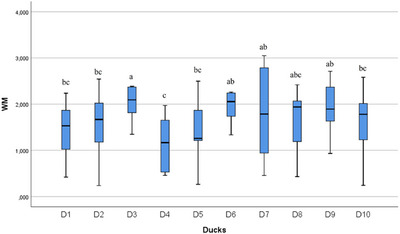 Figure 12
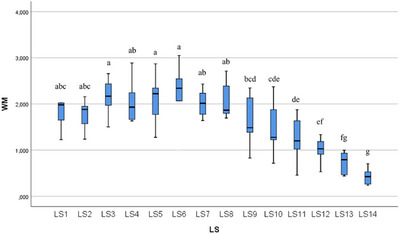 Figure 13
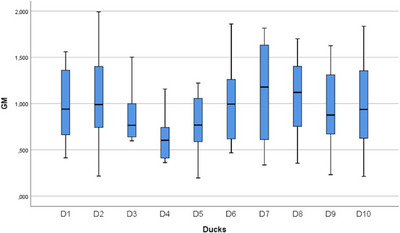 Figure 14
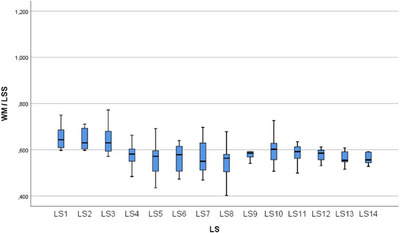 Figure 15
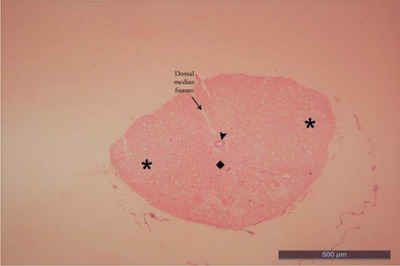 Figure 16
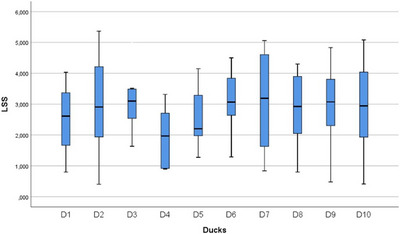 Figure 17
Peer Reviews
No public reviews on file for this paper yet. If you reviewed it on a platform where reviews are public (OpenReview, ICLR, NeurIPS, ICML), you can paste yours below so the community can read it here.
Videos
No videos yet. Explain this paper in a talk, walkthrough, or lecture? Add one.
Taxonomy
TopicsPoint processes and geometric inequalities · Pharmacological Effects of Medicinal Plants · Morphological variations and asymmetry