Patulin Detoxification by Evolutionarily Divergent Reductases of Gluconobacter oxydans ATCC 621
Nadine Abraham, Edicon Chan, Xiu-Zhen Li, Honghui Zhu, Lili Mats, Ting Zhou, Stephen Y. K. Seah

TL;DR
This study explores how Gluconobacter oxydans detoxifies the mycotoxin patulin using two enzymes, GOX0716 and GOX1462, revealing their properties and evolutionary relationships.
Contribution
The study completes the characterization of all four patulin-detoxifying reductases in Gluconobacter oxydans and reveals their evolutionary divergence and functional differences.
Findings
GOX0716 and GOX1462 detoxify patulin with optimal pHs of 6 and 7, respectively, and are active between 25–55 °C.
GOX0716 is more thermostable than GOX1462, with a half-life of 4.95 hours at 55 °C.
Phylogenetic and molecular analysis shows GOX0716 and GOX1462 belong to distinct enzyme families with unique active site architectures.
Abstract
The mycotoxin patulin in processed apple juice poses a significant threat to food safety, driving the need for effective detoxification strategies. Gluconobacter oxydans ATCC 621 can detoxify patulin to ascladiol using either the short-chain dehydrogenases/reductases (SDRs)—GOX0525, GOX1899, and GOX0716—or the aldo-keto reductase (AKR) GOX1462. While GOX0525 and GOX1899 have been previously characterized, this study focuses on GOX0716 and GOX1462, evaluating their optimal pH, thermostability, thermoactivity, and substrate specificity, thereby completing the characterization of all four reductases. GOX0716 and GOX1462 exhibit pH optima of 6 and 7, respectively, and are functional across a broad temperature range of 25–55 °C. GOX0716 was determined to be more thermostable than GOX1462, with a half-life of 4.95 h at 55 °C. Phylogenetic analysis revealed that these SDRs belong to distinct…
Genes, proteins, chemicals, diseases, species, mutations and cell lines named across the full text — each resolved to its canonical identifier and authoritative record.
Click any figure to enlarge with its caption.
 Figure 1
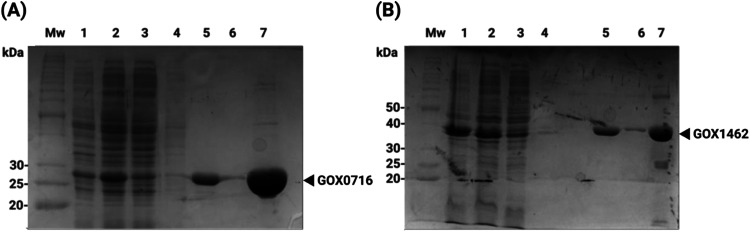 Figure 2
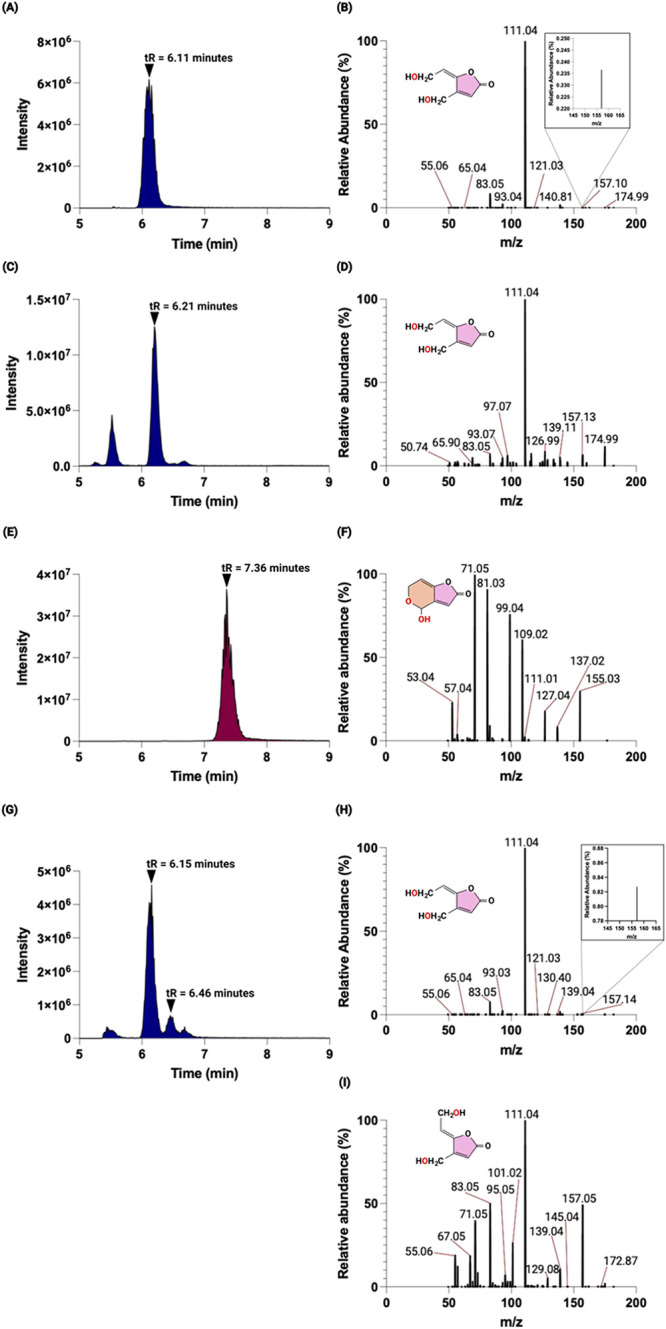 Figure 3
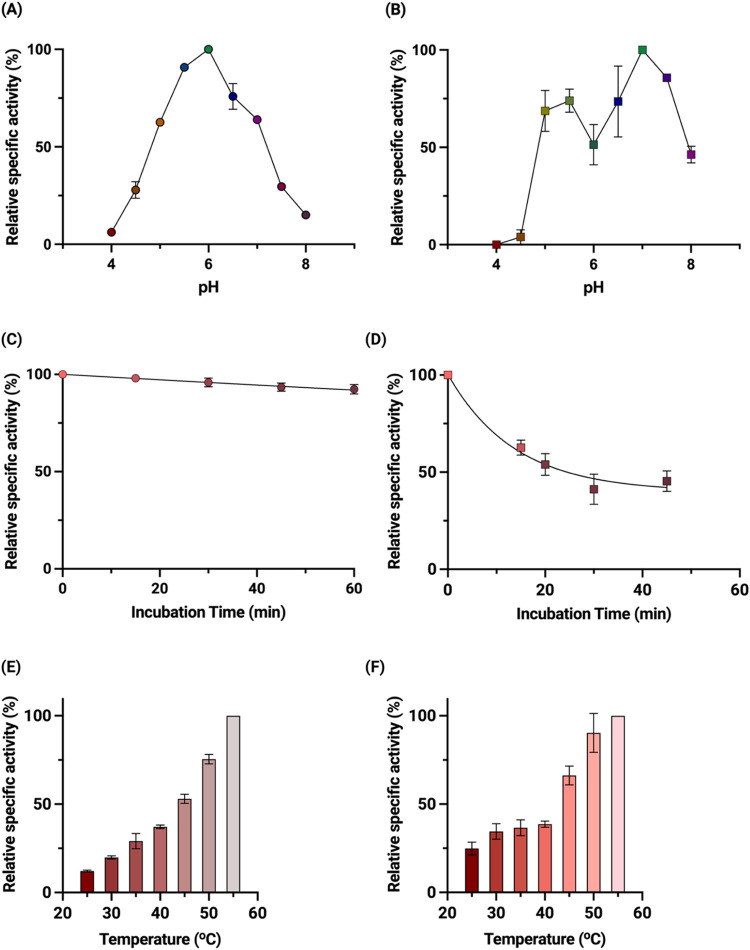 Figure 4
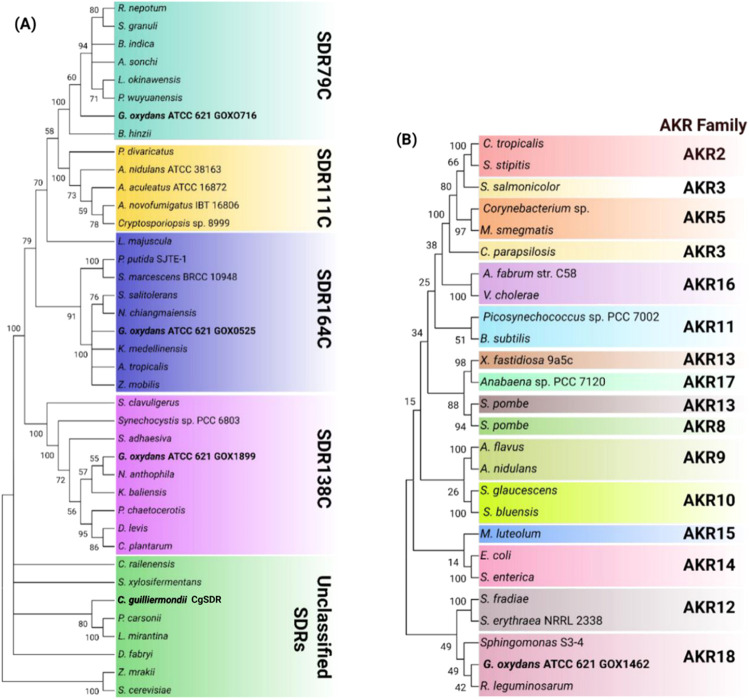 Figure 5
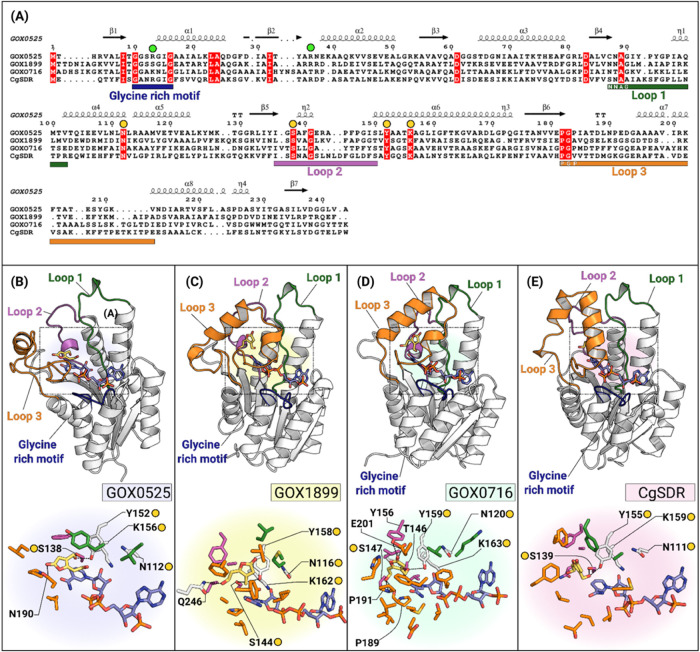 Figure 6
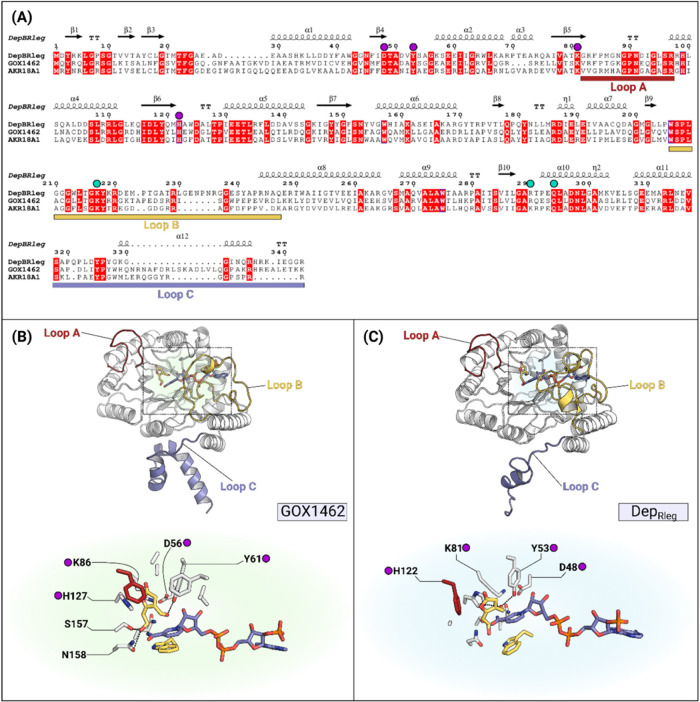 Figure 7
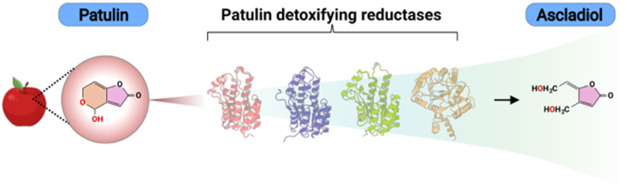 Figure 8
Peer Reviews
No public reviews on file for this paper yet. If you reviewed it on a platform where reviews are public (OpenReview, ICLR, NeurIPS, ICML), you can paste yours below so the community can read it here.
Videos
No videos yet. Explain this paper in a talk, walkthrough, or lecture? Add one.
Taxonomy
TopicsMicrobial metabolism and enzyme function · Microbial Metabolic Engineering and Bioproduction · Fungal and yeast genetics research