Articles of Significant Interest in This Issue

Abstract
Click any figure to enlarge with its caption.
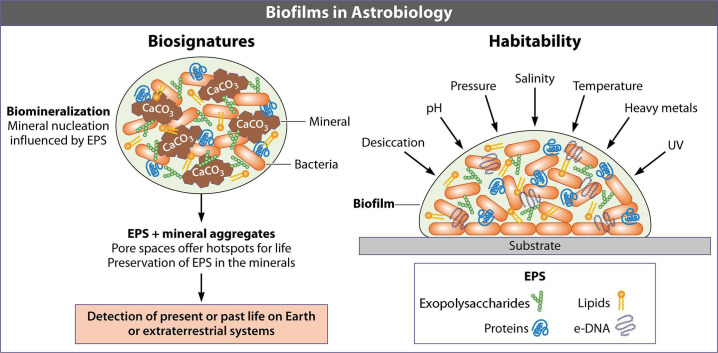 Figure 1
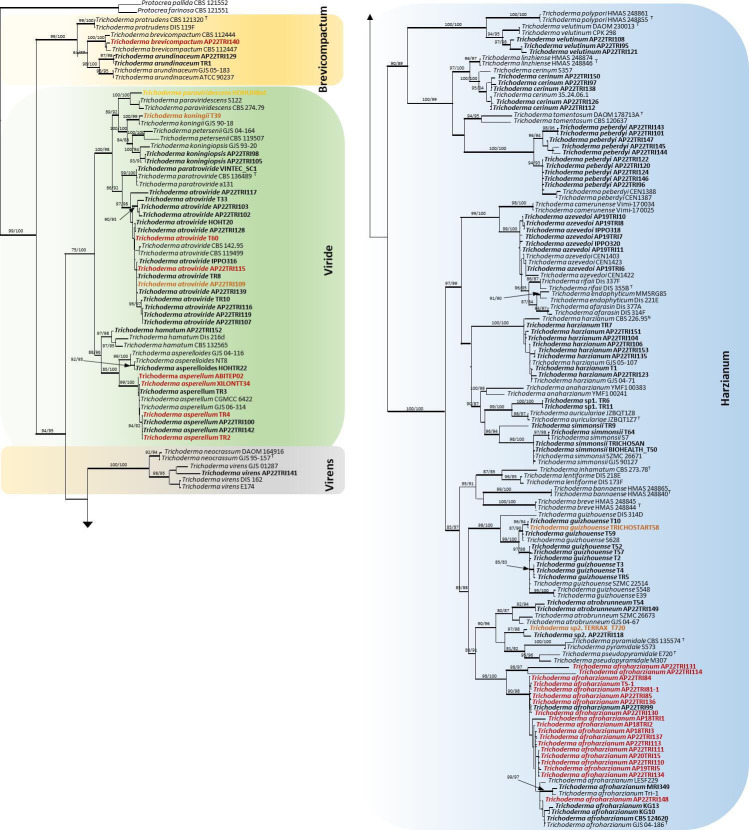 Figure 2
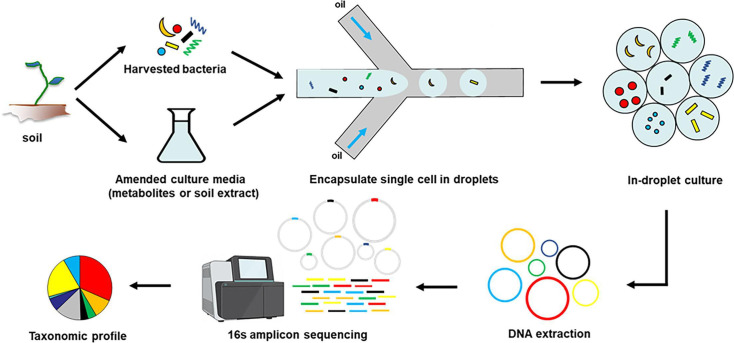 Figure 3
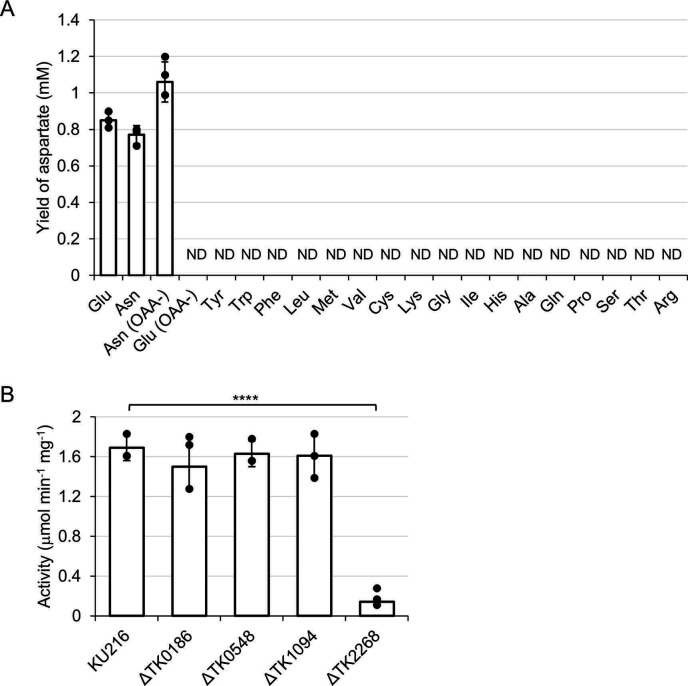 Figure 4
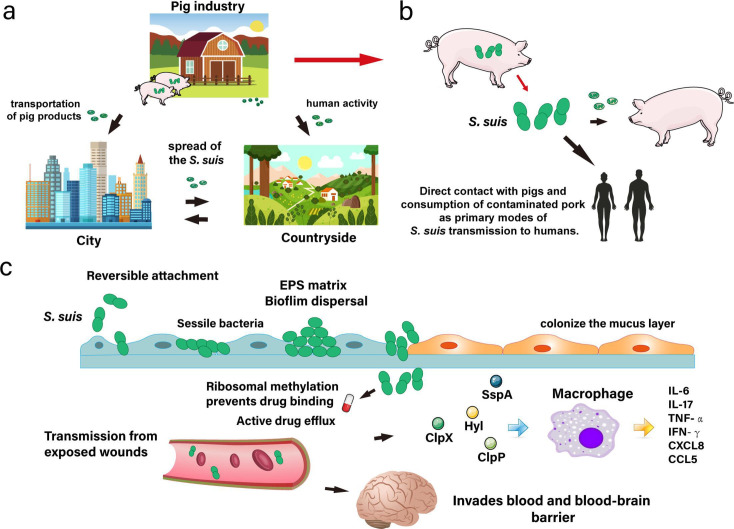 Figure 5
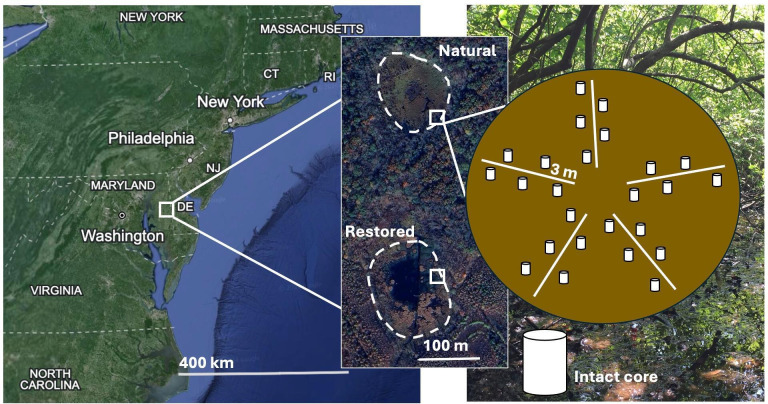 Figure 6
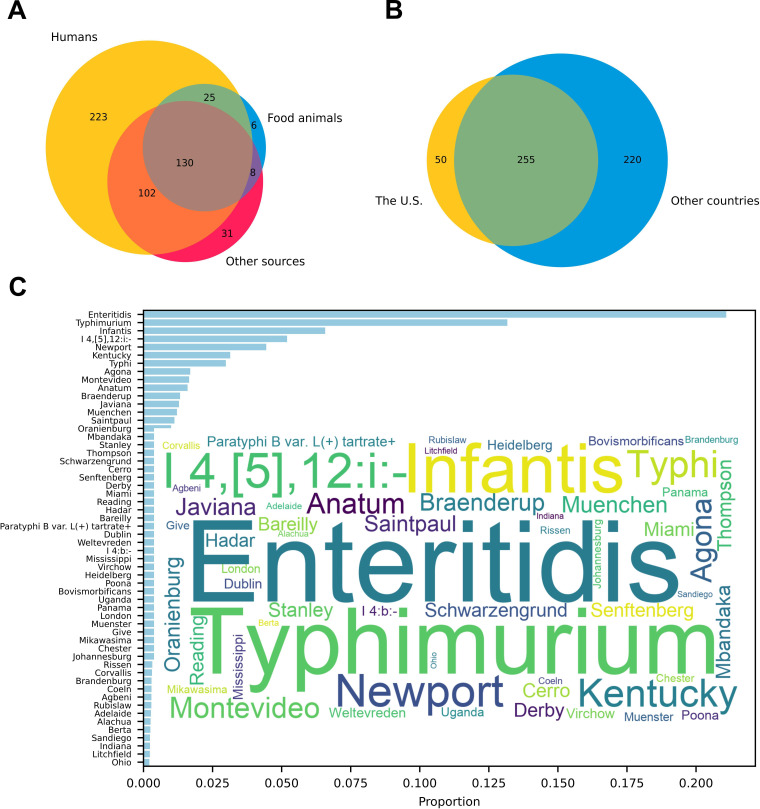 Figure 7
Peer Reviews
No public reviews on file for this paper yet. If you reviewed it on a platform where reviews are public (OpenReview, ICLR, NeurIPS, ICML), you can paste yours below so the community can read it here.
Videos
No videos yet. Explain this paper in a talk, walkthrough, or lecture? Add one.
Taxonomy
TopicsPharmaceutical industry and healthcare · Animal testing and alternatives · Diverse Scientific and Economic Studies
AN ASTROBIOLOGICAL PERSPECTIVE ON MICROBIAL BIOFILMS
In this Planetary Microbiology minireview, Gonzalez-Henao and Schrenk (e01778-24) discuss how biofilm markers could be used as biosignatures to assess the habitability of other planets.
THE DARK SIDE OF TRICHODERMA BIOCONTROL
Soil Trichoderma species used in crop health management can have pathogenic potential, as demonstrated by Pfordt et al. (e01931-24). This study underscores the need for biosecurity assessment and monitoring of Trichoderma strains in sustainable agriculture.
RECOVERY OF SOIL MICROBES, ONE DROP AT A TIME
Dai et al. (e01794-24) describe a microfluidic method for the enrichment and recovery in pure culture of previously uncultured diversity of soil microorganisms.
COMPLETING THE “INCOMPLETE” TCA CYCLE OF THERMOCOCCUS
KODAKARENSIS
Growth experiments and tracer-based metabolomics are used by Su et al. (e02017-24) to elucidate how Thermococcus kodakarensis survives with an “incomplete” TCA cycle.
PORCINE PATHOGENS UNDER REVIEW
Antibiotic resistance has emerged in the porcine and human pathogen Streptococcus suis. Lv et al. (e02160-24) review multitarget prevention and treatment options to combat infections.
THE METHANE PROBLEM OF RESTORED WETLANDS
Wetlands are important contributors to carbon sequestration – but they are also the largest natural source of methane. Hamovit et al. (e02161-24) show that wetlands flooded to restore carbon sequestration have a distinct microbial community and a higher potential for emissions.
SALMONELLA SEROTYPING GETS UPGRADED
Deng et al. (e02600-24) share a workflow to predict Salmonella serotypes from genome sequencing data. This simpler approach to serotyping provides a much-needed tool for effective foodborne pathogen surveillance and control.