Protracted cluster of Group A Streptococcal infection among individuals receiving wound care in the community, North East England, 2022: an outbreak report
Gayle Dolan, Juliana Coelho, Yan Ryan, Angela Scott, Melanie Milburn, Chris Settle, Theresa Lamagni

TL;DR
This paper reports an outbreak of Group A Streptococcal infections among wound care patients in a community healthcare setting in England, highlighting the challenges in identifying transmission sources.
Contribution
The study demonstrates the use of whole genome sequencing to identify a cluster of GAS infections in a community healthcare setting and emphasizes the need for improved infection control strategies.
Findings
Twenty-two GAS cases were identified over five months, with 11 isolates genetically linked via emm typing and whole genome sequencing.
No healthcare worker was found to be the source of the outbreak, and no clear transmission route was identified.
GAS was found in a care home resident's room and was genetically related to clinical isolates.
Abstract
Outbreaks of Group A Streptococcal (GAS) infection are difficult to detect in community healthcare settings and present unique challenges for infection prevention and control (IPC). We describe investigation of a cluster of GAS among individuals receiving wound care from the same community integrated care team (CIT) and associated complexities. Prospective and retrospective surveillance for cases of invasive and noninvasive GAS infection linked to the CIT was undertaken with the local NHS trust IPC team. Screening samples were requested from staff working in the CIT (n = 191) and from staff and residents (n = 73) in care home A where several cases resided. Clinical isolates were sent to the UKHSA reference laboratory for emm typing and whole genome sequencing (WGS). Twenty-two cases were identified over a five-month period. Eighteen had isolates available for typing, 11 of which were…
Genes, proteins, chemicals, diseases, species, mutations and cell lines named across the full text — each resolved to its canonical identifier and authoritative record.
Click any figure to enlarge with its caption.
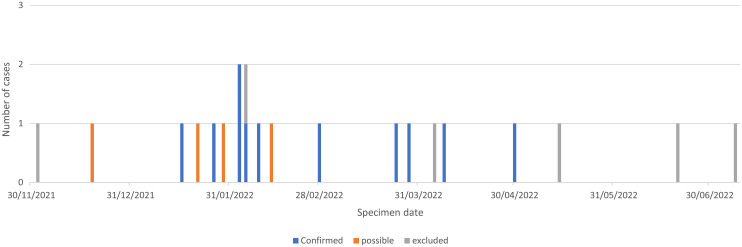 Figure 1
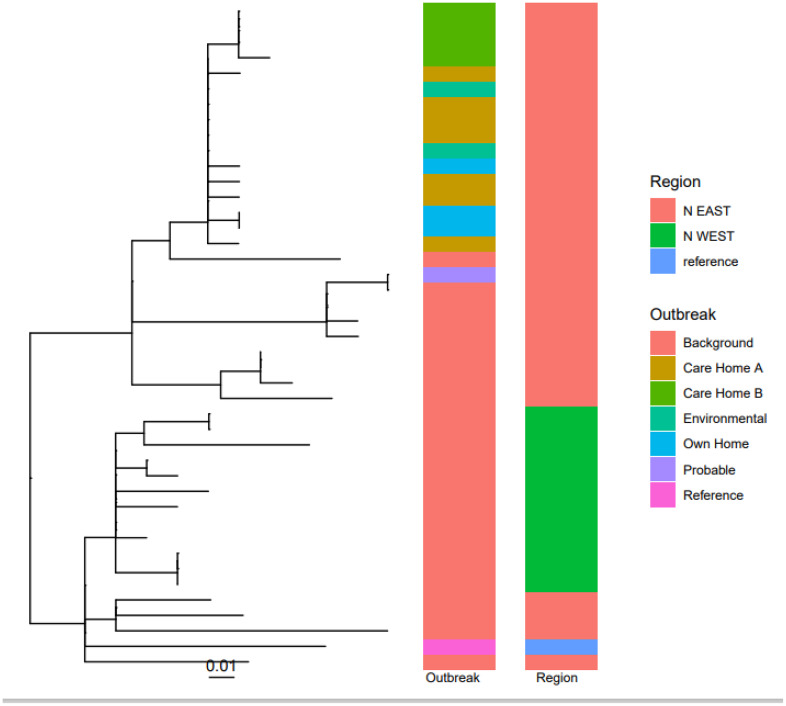 Figure 2
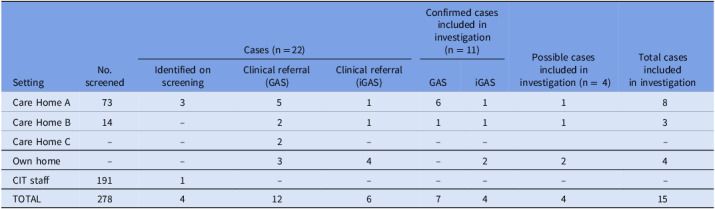 Figure 3
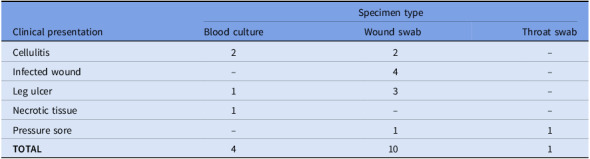 Figure 4
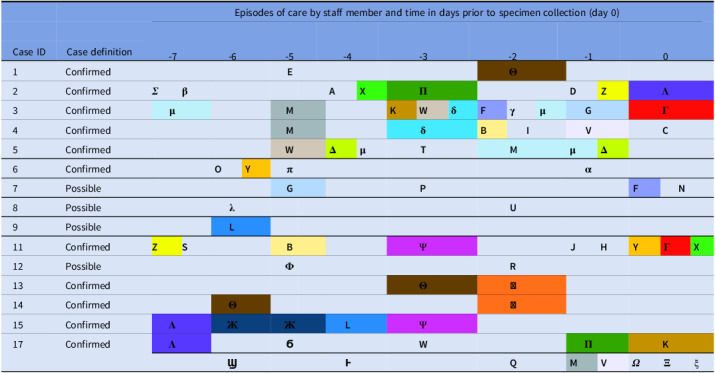 Figure 5
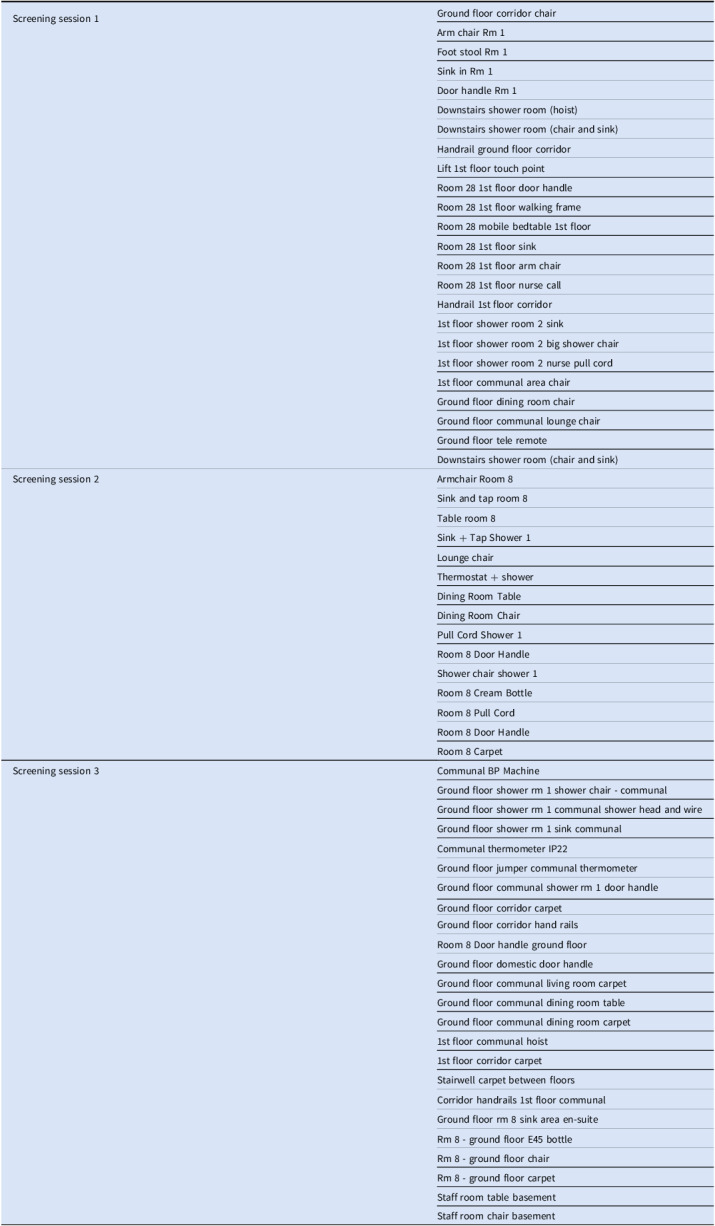 Figure 6
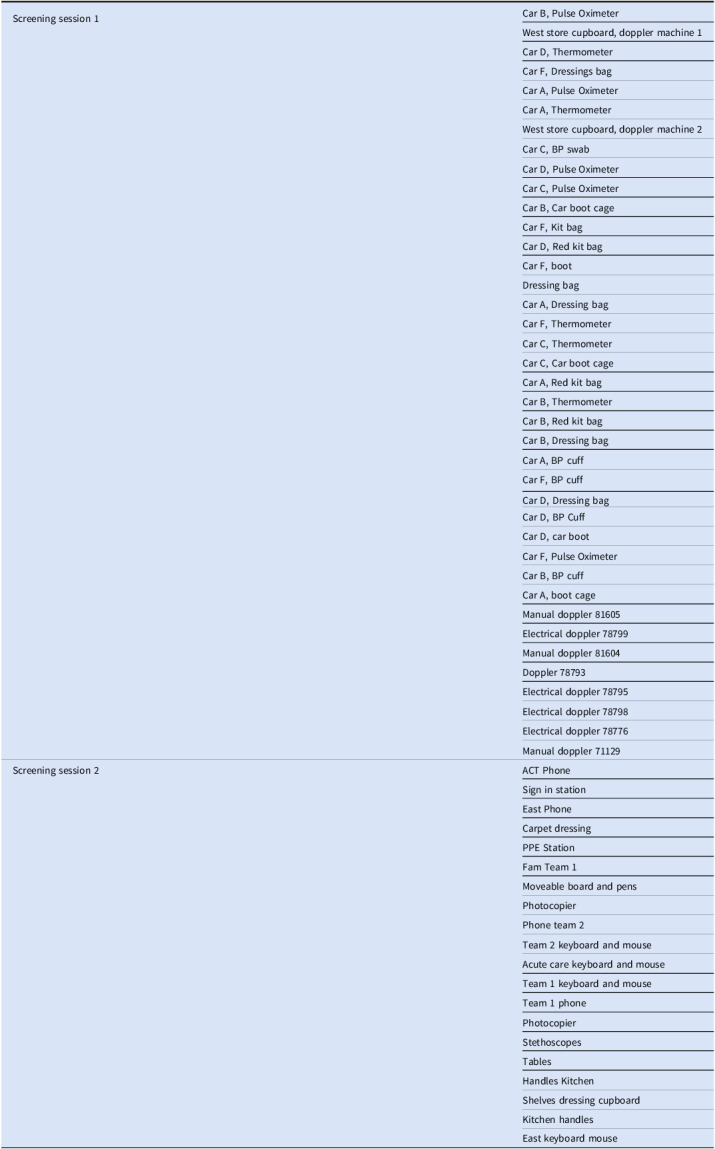 Figure 7
Peer Reviews
No public reviews on file for this paper yet. If you reviewed it on a platform where reviews are public (OpenReview, ICLR, NeurIPS, ICML), you can paste yours below so the community can read it here.
Videos
No videos yet. Explain this paper in a talk, walkthrough, or lecture? Add one.
Taxonomy
TopicsStreptococcal Infections and Treatments · Bacterial Identification and Susceptibility Testing · Antimicrobial Resistance in Staphylococcus
Introduction
Group A Streptococcal (GAS) infections are typically mild but on rare occasions can present as invasive infection (iGAS), resulting in severe illness. Those with wounds or receiving wound care have been shown to be particularly vulnerable to infection.^ 1 ^ Outbreaks of GAS in long-term residential care facilities have been associated with both host (eg compromised skin integrity^ 2,3 ^) and environmental (eg deficient hand hygiene^ 2–7 ^) risk factors and can often be prolonged^ 2,6 ^ resulting in significant morbidity and mortality. Outbreaks of GAS associated with the provision of home healthcare can be challenging to detect and are less well described.^ 8 ^
Registered medical practitioners in England have a statutory duty to notify the UKHSA Health Protection Team (HPT) of iGAS cases. Following notification, the HPT conduct a risk assessment in accordance with national guidance^ 9 ^ and implement actions to reduce the spread of infection. To further facilitate outbreak detection, laboratories are requested to refer all iGAS isolates, and noninvasive GAS linked to cluster investigations to the UKHSA Staphylococcus and Streptococcus Reference laboratory for emm typing, and whole genome sequencing (WGS).
On January 17, 2022, the UKHSA North East HPT was notified of a case of iGAS in a resident of an elderly residential care home (care home A). Two weeks later the HPT was proactively contacted by a local microbiologist to report a case of noninvasive GAS infection in a resident of the same care home, and a possible cluster of GAS. Following further assessment, two staff members and one further resident with soft tissue infections were identified by care home A. Both residents were noted to have been attended by the same community integrated care team (CIT) for wound management. The CIT is a multiagency team which operates out of a central hub to provide care in the community to individuals in their own homes and those in residential social care facilities. The team is made up of district nurses, community staff nurses, health care assistants, and community matrons working closely with physiotherapists, occupational therapists, social workers, and voluntary representatives.
A multiagency outbreak control team (OCT) was convened to review the situation and agree actions required to control the outbreak. The outbreak investigation was closed in October 2022, six months after the last identified epidemiologically linked case. This report describes the investigation, which aimed to evaluate potential routes of transmission, highlighting the complexity and implications for infection prevention and control (IPC) policy.
Methods
Case finding
Cases of iGAS infection were identified from routine notification to HPTs on clinical suspicion or following microbiological confirmation.
In response to the situation, microbiology, and laboratory staff at the local NHS foundation trust were also asked to undertake active surveillance, reporting cases of localized GAS infection in care homes residents or individuals receiving care from the CIT.
The hospital trust IPC team undertook a retrospective case review of GAS cases using the CIT case management system to identify further epidemiologically linked cases who had received care at the time of their diagnosis and prior to recognition of the cluster.
Microbiological sampling and typing
Samples were collected from symptomatic individuals as part of routine clinical care.
Screening (throat and/or wound) samples were requested from:
- all staff and residents at care home A
- members of the CIT that provided direct clinical care to residents in care home A
Following the identification of further cases resident outside care home A, screening (throat and/or wound) samples were subsequently requested from the following groups with the aim of detecting any possible previously unidentified human reservoirs of infection:
- residents of care home A on the CIT workload two months after the initial screening exercise
- residents of care home B on the CIT workload
- all staff working from the same operational base (community hub) that interacted directly with the CIT
Microbiology and laboratory staff were asked to send isolates from all cases (invasive and noninvasive) to the UKHSA Staphylococcus and Streptococcus reference laboratory for emm typing, the internationally recognized typing scheme for Streptococcus pyogenes.^ 10 ^ Whole genome sequencing (WGS) was completed on request given the suspicion of an outbreak, to enhance the typing resolution. Emm typing, WGS, and trimming were undertaken as previously described.^ 11 ^
WGS reads were mapped to an internal emm108 reference strain using bwa (version 0.7.12). Variants were called using GATK 2.6.5 and parsed to retain high-quality SNPs (depth of coverage ≥5, AD ratio ≥0.8. Mapping Quality ≥30, ratio of reads with MQ0 to total number of reads ≤0.05). Positions that fulfilled the filtering criteria in >0.9 of the samples were joined to produce a multiple fasta format file where the sequence for each strain consists of the concatenated variants. Recombination was evaluated and hotspots removed using Gubbins.^ 12 ^
Outbreak maximum likelihood (ML) trees were constructed (RAxML software version 8.2.8, parameters –m (substitutionModel) GTRCAT –b (bootstrapRandomNumberSeed) 12345-# (numberOfRuns) 1000)). A distance matrix generated by pairwise distance analysis generated the SNP variation numbers.
Case definitions
The following case definitions were agreed by the OCT:
Confirmed case—an individual with GAS/iGAS emm type 108.1 infection with a specimen date on or after 01 December 2021, attended by one or more members of the CIT in the seven days prior to specimen date or screened as part of the investigation and for whom the isolate was linked by WGS to the cluster.
Possible case—as above but where no emm typing or WGS available
Cases with an emm type other than 108.1 or that were genetically distinct (> 2SNPs apart) were excluded from the investigation.
Exposure information
Demographic and clinical information and dates of visits made to cases by members of the CIT in the seven days prior to specimen date until 24 hours after antibiotics were administered (or until seven days post specimen date where date of antibiotic prescription was not available) were provided by the hospital trust IPC team.
CIT staff members were asked about any recent signs or symptoms of infection including sore throat and wounds.
Site visits were undertaken by the hospital trust IPC team at care home A, care home B, and the CIT community hub to review IPC measures.
Environmental sampling
As advised by the community IPC team, environmental locations, and shared equipment at care home A and the CIT community hub were sampled, by wiping surfaces with sterile pre-moistened Polywipe screening sponges. These were sent to the UKHSA commissioned laboratory, Newcastle for culture using nonselective media under anaerobic conditions. Any suspected colonies (including GAS and MSSA (used as marker of general cleanliness of the environment)) were identified by MALDI-TOF.
Results
Case finding
A total of 22 cases were identified during this investigation [table 1]. The distribution of cases in time is outlined in figure 1.
Table 1.Numbers screened and cases by method of identification and residential setting, North East England, 2022SettingNo. screenedCases (n = 22)Confirmed cases included in investigation (n = 11)Possible cases included in investigation (n = 4)Total cases included in investigationIdentified on screeningClinical referral (GAS)Clinical referral (iGAS)GASiGASCare Home A733516118Care Home B14–211113Care Home C––2––––Own home––34–224CIT staff1911––––––TOTAL278412674415
Figure 1.Distribution of cases in time by case definition (n = 21, specimen date not available for one asymptomatic staff member).
Fourteen cases (6 iGAS/8 GAS) were clinically notified by the local hospital trust (specimen dates between 16/01/2022 and 08/07/2022), and four were identified following retrospective case review (specimen dates between 19/12/2021 and 13/02/2022). All 18 received care from the CIT, six in care home A, three in care home B, two in care home C, and seven in their own home.
Screening samples were requested from:
- 73 staff and residents at care home A
- 42 members of the CIT attending residents at care home A
Two samples (one resident with possible symptoms of GAS infection (buttock sore) attended by the CIT, and one asymptomatic staff member from care home A) were positive on culture for GAS.
Screening samples were subsequently requested from:
- 14 residents of care home A on the CIT workload
- 14 residents of care home B on the CIT workload
- 149 staff working in the community hub that interacted directly with the CIT
Three further samples were positive on culture for GAS; one resident of care home A with localized GAS infection (leg wound), one resident of care home B who was already a known case (previous positive wound swab), and one asymptomatic staff member within the CIT.
Microbiological typing
Eighteen of the 22 cases had isolates available for typing and 12 of these were emm 108.1 (seven residents of care home A, two residents of care home B, and three individuals’ resident in their own home). The remaining six cases (two resident in care home C, two resident in their own home, one asymptomatic staff member of care home A, and one asymptomatic staff member in the CIT) were found to be different emm types (3 cases emm 12.0, 1 case emm 33.16, 1 case emm 33.0, and 1 emm 6.125) and excluded from the final investigation.
All 12 emm 108.1 isolates underwent WGS and 11 were found to be closely genetically related (0-2SNPs apart), meeting the confirmed case definition [Figure 2]. The remaining case was genetically distinct (9-13SNPs away from other isolates) and excluded from the final investigation.
Figure 2.Single nucleotide polymorphism (SNP) clustering of the emm 108.1 whole genome sequences from isolates linked to the investigation and emm 108.1 background samples from the region.
Epidemiological investigation
Eleven confirmed and four possible cases were included in the final investigation [table 1]. Eight were residents of care home A, three residents of care home B, and four residents in their own home.
The age range of cases was 71 to 96 years (median age of 87 yr). Most cases were female (n = 11). Specimen dates ranged between 19 December 2021 and 30 April 2022.
The clinical presentation of cases included in the final investigation is outlined below [table 2]. Two cases (one possible and one confirmed case) sadly died.
Table 2.Clinical presentation of cases by specimen typeClinical presentationSpecimen typeBlood cultureWound swabThroat swabCellulitis22–Infected wound–4–Leg ulcer13–Necrotic tissue1––Pressure sore–11 TOTAL 4101
Exposure information
A total of 77 visits were made by members of staff from the CIT to the 15 cases included in the investigation in the seven days prior to positive specimen, by a combination of 49 staff members [each represented by a different letter or symbol in table 3]. Twenty-one of the 49 staff members [each represented by a different colour in table 3] conducted more than one visit, 19 of which visited more than one of the 15 cases in the cluster. No single healthcare worker visited all 15 cases, and no staff member described any recent signs or symptoms of GAS infection.
Table 3.Exposure of outbreak cases (n = 15) to CIT staff in the 7 days prior to specimen date. N.B Each letter/symbol represents a unique member of staff within the CIT. Staff who delivered more than one case of patient care are highlighted in colour. Case 17 had two specimens which tested positive for GAS during the investigation and staff exposure information is provided separately for each case
Audits of hand hygiene, PPE, and bare below the elbow compliance were undertaken during site visits to the community hub. National standard infection control precautions (including use of gloves and aprons) are followed routinely by community healthcare teams and awareness of these was likely to have increased because of the focus on prevention during the COVID-19 pandemic. Some examples of missed opportunities to decontaminate hands after contact with a patient’s environment or decontaminate shared equipment after patient use and inconsistent hand washing technique were, however, observed.
Issues identified during the site visit to care home A included concerns about environmental cleanliness (including absence of a clear schedule for cleaning of soft furnishings in communal areas), and evidence of IPC policies for which the review date had expired.
No major IPC issues were identified following the site visit to care home B.
Environmental samples
63 environmental samples were taken at care home A on three separate occasions over a two-month period. These included samples from residents’ rooms (carpets, armchairs, sinks), communal areas (e.g., shower rooms) touch points (handrails, door handles, and pull cords) and four samples from shared equipment (blood pressure cuffs, thermometers, and hoists) [table 4].
Table 4.List of environmental samples from care home AScreening session 1Ground floor corridor chairArm chair Rm 1Foot stool Rm 1Sink in Rm 1Door handle Rm 1Downstairs shower room (hoist)Downstairs shower room (chair and sink)Handrail ground floor corridorLift 1st floor touch pointRoom 28 1st floor door handleRoom 28 1st floor walking frameRoom 28 mobile bedtable 1st floorRoom 28 1st floor sinkRoom 28 1st floor arm chairRoom 28 1st floor nurse callHandrail 1st floor corridor1st floor shower room 2 sink1st floor shower room 2 big shower chair1st floor shower room 2 nurse pull cord1st floor communal area chairGround floor dining room chairGround floor communal lounge chairGround floor tele remoteDownstairs shower room (chair and sink)Screening session 2Armchair Room 8Sink and tap room 8Table room 8Sink + Tap Shower 1Lounge chairThermostat + showerDining Room TableDining Room ChairPull Cord Shower 1Room 8 Door HandleShower chair shower 1Room 8 Cream BottleRoom 8 Pull CordRoom 8 Door HandleRoom 8 CarpetScreening session 3Communal BP MachineGround floor shower rm 1 shower chair - communalGround floor shower rm 1 communal shower head and wireGround floor shower rm 1 sink communalCommunal thermometer IP22Ground floor jumper communal thermometerGround floor communal shower rm 1 door handleGround floor corridor carpetGround floor corridor hand railsRoom 8 Door handle ground floorGround floor domestic door handleGround floor communal living room carpetGround floor communal dining room tableGround floor communal dining room carpet1st floor communal hoist1st floor corridor carpetStairwell carpet between floorsCorridor handrails 1st floor communalGround floor rm 8 sink area en-suiteRm 8 - ground floor E45 bottleRm 8 - ground floor chairRm 8 - ground floor carpetStaff room table basementStaff room chair basement
Two samples were positive on culture for GAS (swab of armchair and swab of carpet in the room of one of the cases). Both isolates were typed as emm 108.1 and found to be closely genetically related (0-2SNPs) to clinical isolates [Figure 2].
Two samples (swab of armchair and cuff of communal BP machine) were also positive for methicillin-susceptible Staphylococcus aureus (MSSA).
Fifty-nine environmental samples were taken at the community hub including samples from dressing bags, pool cars, keyboards, phones, carpets, door handles, and shelves in the dressing cupboard and 26 samples from shared equipment (pulse oximeters, thermometers, BP cuffs, Doppler machines, and stethoscopes) [table 5]. All were negative on culture for GAS, but two samples taken from a pulse oximeter and dressing bag in two of the pool cars were positive for MSSA.
Table 5.List of environmental samples from the CIT community hubScreening session 1Car B, Pulse OximeterWest store cupboard, doppler machine 1Car D, ThermometerCar F, Dressings bagCar A, Pulse OximeterCar A, ThermometerWest store cupboard, doppler machine 2Car C, BP swabCar D, Pulse OximeterCar C, Pulse OximeterCar B, Car boot cageCar F, Kit bagCar D, Red kit bagCar F, bootDressing bagCar A, Dressing bagCar F, ThermometerCar C, ThermometerCar C, Car boot cageCar A, Red kit bagCar B, ThermometerCar B, Red kit bagCar B, Dressing bagCar A, BP cuffCar F, BP cuffCar D, Dressing bagCar D, BP CuffCar D, car bootCar F, Pulse OximeterCar B, BP cuffCar A, boot cageManual doppler 81605Electrical doppler 78799Manual doppler 81604Doppler 78793Electrical doppler 78795Electrical doppler 78798Electrical doppler 78776Manual doppler 71129Screening session 2ACT PhoneSign in stationEast PhoneCarpet dressingPPE StationFam Team 1Moveable board and pensPhotocopierPhone team 2Team 2 keyboard and mouseAcute care keyboard and mouseTeam 1 keyboard and mouseTeam 1 phonePhotocopierStethoscopesTablesHandles KitchenShelves dressing cupboardKitchen handlesEast keyboard mouse
Discussion
We identified a large and protracted cluster of GAS. Four of the cases had iGAS and two sadly died highlighting the high morbidity associated with outbreaks among vulnerable populations.
Cases were initially associated with care home A, but retrospective and prospective case finding identified others outside that setting that were epidemiologically linked to the same CIT. Although less frequently described than in other settings, previous outbreaks thought likely to be associated with provision of home healthcare have been identified.^ 8 ^ The CIT in this outbreak worked across multiple settings within the same local authority area, yet cases were only observed in two care facilities and a small number of individual homes, making it difficult to ascertain the significance of the link based on epidemiological evidence alone.
Twelve cases distributed within and out with care home A were found to be emm 108.1. Emm 108.1 was among the top 10 most frequently observed subtypes of GAS in England at the time of this outbreak^ 13 ^ and had emerged relatively recently, initially being linked to skin and soft tissue infections among prison, drug users, and homeless populations.^ 14 ^
Eleven cases were found to be closely genetically clustered (0–2 SNPs apart). Isolates linked to GAS clusters have been shown to form a distinct monophyletic clade following WGS in previous outbreak investigations,^ 6 ^ and OCT members agreed that the sequencing results strengthened the hypothesis that a common route of infection was likely. Clusters of similar isolates with and without apparent links to healthcare^ 15 ^ have been previously described. Given no other more plausible epidemiological link could be identified between cases in this outbreak, it was agreed that some form of transmission between patients and staff in the CIT was plausible. Information regarding other possible sources of exposure was, however, limited since this is not routinely recorded in community healthcare settings.
WGS data were not available until three weeks after the cluster was first recognized, and control measures were implemented in advance given the prospective detection of cases and suggestion of ongoing transmission. Staff and residents in care home A and within the CIT were treated with chemoprophylaxis, in accordance with national guidance.^ 9 ^ Some previous outbreak investigations have identified evidence of colonization among epidemiologically linked staff (although not always with the same strain as the outbreak associated strain^ 5 ^) whilst others have failed to detect any staff colonization/carriage.^ 3 ^ In this outbreak, two colonized staff members were identified but neither had the outbreak strain. Screening of staff was, however, undertaken using self-administered throat swabs, and it is possible that these may have failed to identify GAS carriage due to changes in bacterial density, poor technique, or colonization of other sites.^ 8 ^ A small number of WGS linked cases arose after completion of prophylaxis. It is possible that chemoprophylaxis may not have been 100% effective in eliminating asymptomatic colonization, or that it may not have impacted on the most likely reservoir of infection. Concerns about the effectiveness of mass chemoprophylaxis have previously been raised,^ 16 ^ and this may be less effective where there is potential for re-exposure from external reservoirs.
Information about exposure of cases to staff in the CIT was gathered to further explore the hypothesis of staff to patient transmission epidemiologically. A seven-day window prior to onset/specimen date was used to define a period of risk of acquisition of infection. No single healthcare worker had seen all 15 cases in the 7 days prior to onset, and no staff described any recent symptoms of GAS infection suggesting a single infected or colonized healthcare worker was unlikely to be acting as a reservoir of infection for all cases.
Whilst typically transmitted from person-to-person via respiratory particles, outbreaks associated with exposure to contaminated environments have also previously been described^ 17 ^ GAS was isolated in the environment of care home A and WGS demonstrated that isolates were closely genetically linked to human cases suggesting environment to person transmission was plausible. Shedding of GAS from colonized wounds has been demonstrated during care,^ 5 ^ and previous studies have shown that having an infected or colonized roommate is associated with risk of infection.^ 3,18 ^ GAS has also been found to remain in dust on furniture and equipment, and environment to person transmission via contact with contaminated surfaces and/or fomites hypothesized.^ 19,20 ^ Care home settings are not clinical environments and where environmental contamination occurs (for example within soft furnishings) it may be difficult to eradicate. Given the high proportion of cases in the cluster resident in care home A, OCT members agreed that it was likely that there had been transmission within that setting with subsequent spill over perhaps via staff or their equipment to other settings. IPC audits showed some missed opportunities to decontaminate hands and shared equipment after patient use which would provide a plausible route of transmission to other settings should contamination have occurred. GAS was not identified following screening of any shared equipment or in the environment at the CIT hub, although MSSA was isolated from some samples which may suggest sub-optimal decontamination. Some studies suggest that GAS may not survive for prolonged periods in the environment and is less hardy that other bacteria such as MRSA^ 21 ^, so it is possible that any transient reservoirs may have been missed during environmental screening exercises. The OCT concluded that undetected colonization of staff or contamination of equipment or staff may have occurred following exposure to multiple temporary environmental and/or human reservoirs of infection resulting in prolonged transmission.
WGS was fundamental to this investigation in strengthening the hypothesis that there was a likely common route of infection and in demonstrating the role for potential environment to person transmission. Despite review of IPC practices and widespread screening of staff, residents and the environment, no clear source or route of transmission was identified which would explain all cases observed. Results from WGS nevertheless helped to reinforce the importance of stringent IPC measures going forward. There are ethical and logistical challenges in implementing IPC strategies in community care settings which are not clinical environments, and further research is required to better understand the most effective control measures.^ 22 ^
The reference list from the paper itself. Each links out to its DOI / PubMed record.
- 1Felkner M , Pascoe N , Shupe-Ricksecker K , Goodman E . The wound care team: a new source of group A streptococcal nosocomial transmission. Infect Control Hosp Epidemiol 2005;26:462–465.15954484 10.1086/502568 · doi ↗ · pubmed ↗
- 2Dooling KL , Crist MB , Nguyen DB , Bass J , Lorentzson L , Toews K-A , et al. Investigation of a prolonged group A streptococcal outbreak among residents of a skilled nursing facility, Georgia, 2009–2012. Clin Infect Dis 2013;57:1562–1567. 10.1093/cid/cit 558 24021484 · doi ↗ · pubmed ↗
- 3Greene CM , Van Beneden CA , Javadi M , Skoff TH , Beall B , Facklam R , Abercrombie DR , Kramer SL , Arnold KE . Cluster of deaths from group A streptococcus in a long-term care facility--Georgia, 2001. Am J Infect Control 2005;33:108–113. 10.1016/j.ajic.2004.07.009 15761411 · doi ↗ · pubmed ↗
- 4Thigpen MC , Thomas DM , Gloss D , Park SY , Khan AJ , Fogelman VL , et al. Nursing home outbreak of invasive group A Streptococcal infections caused by 2 distinct strains. Infect Control Hosp Epidemiol 2007;28:68–74. 10.1086/508821 17230390 · doi ↗ · pubmed ↗
- 5Ahmed SS , Diebold KE , Brandvold JM , Ewaidah SS , Black S , Ogundimu A , et al., editors. The role of wound care in 2 group A Streptococcal outbreaks in a Chicago skilled nursing facility, 2015–2016. In Open Forum Infectious Diseases; 2018: Oxford University Press; US.10.1093/ofid/ofy 145PMC 633481930680292 · doi ↗ · pubmed ↗
- 6Nanduri S , Metcalf B , Arwady M , Edens C , Lavin M , Morgan J , et al. Prolonged and large outbreak of invasive group A Streptococcus disease within a nursing home: repeated intrafacility transmission of a single strain. Clin Microbiol Infect 2019;25:248. e 1–e 710.1016/j.cmi.2018.04.034PMC 650045529783026 · doi ↗ · pubmed ↗
- 7Kobayashi M , Lyman MM , Francois Watkins LK , Toews KA , Bullard L , Radcliffe RA , et al. A cluster of group A Streptococcal infections in a skilled nursing facility—the potential role of healthcare worker presenteeism. J Am Geriatr Soc 2016;64:e 279–e 84. 10.1111/jgs.14505 27996105 PMC 5742861 · doi ↗ · pubmed ↗
- 8Public Health England. Invasive group A streptococcal outbreaks associated with community health services delivered at home, January 2018 to September 2019. Available from: Invasive group A streptococcal outbreaks: home healthcare - GOV.UK (www.gov.uk)