Commentary: Inactivated rabies virus vectored MERS-Coronavirus vaccine induces protective immunity in mice, camels, and alpacas
Shengnan Yang, Hanqi Li, Fuxiao Liu

Abstract
Genes, proteins, chemicals, diseases, species, mutations and cell lines named across the full text — each resolved to its canonical identifier and authoritative record.
Click any figure to enlarge with its caption.
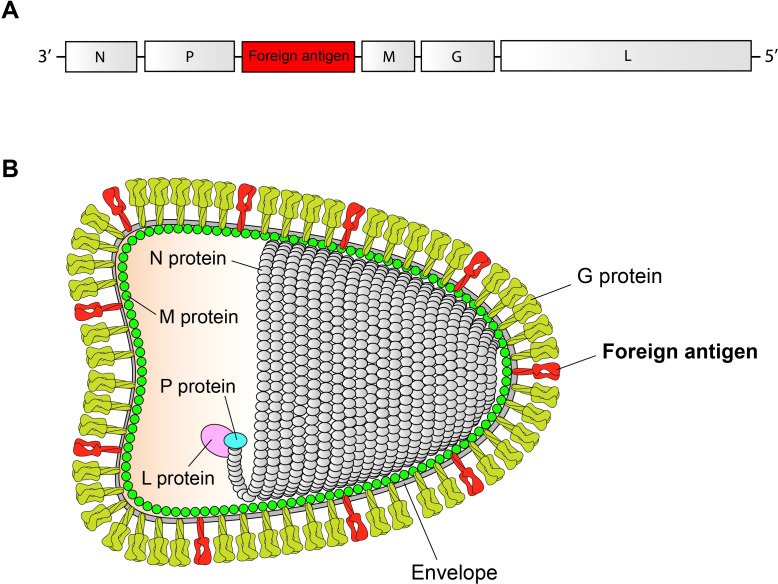 Figure 1
Peer Reviews
No public reviews on file for this paper yet. If you reviewed it on a platform where reviews are public (OpenReview, ICLR, NeurIPS, ICML), you can paste yours below so the community can read it here.
Videos
No videos yet. Explain this paper in a talk, walkthrough, or lecture? Add one.
Taxonomy
TopicsRabies epidemiology and control · Viral Infections and Outbreaks Research · SARS-CoV-2 and COVID-19 Research
Introduction
A research article, named Inactivated Rabies Virus Vectored MERS-Coronavirus Vaccine Induces Protective Immunity in Mice, Camels, and Alpacas (doi: 10.3389/fimmu.2022.823949), was recently published in Frontiers in Immunology (Section: Vaccines and Molecular Therapeutics) (1). In this study, Chi et al. constructed a chimeric rabies virus (RABV) that expressed a genetically modified S1 gene from the Middle East respiratory syndrome coronavirus (MERS-CoV), and then evaluated its potential of virus-vectored vaccine after inactivation in different animals. This study demonstrated that the inactivated S1-expressing RABV was a promising vaccine candidate against MERS-CoV for camelids. Here, we would like to express our scientific opinions on this study.
Middle East respiratory syndrome
MERS is a severe infectious disease caused by MERS-CoV, initially identified in Saudi Arabia in 2012 (2). Typical signs clinically include fever, cough and shortness of breath in humans. MERS-CoV is a zoonotic virus, which has been identified in dromedary camels in several Member States in the Middle East, Africa and South Asia (3). There are a number of candidate vaccines that have been reported against MERS-CoV, including nucleic acid vaccine (4), subunit vaccine (5), nanoparticle vaccine (6), virus-vectored vaccine (7), and even live-attenuated vaccine (8). Most of the candidate vaccines have been designed using the MERS-CoV S protein, especially the S1 subunit.
Development of RABV-vectored vaccines
RABV virion is a bullet-shaped particle, containing a single-stranded, negative-sense RNA genome, coding for five proteins in order: nucleoprotein (N), phosphoprotein (P), matrix protein (M), glycoprotein (G), and RNA-dependent RNA polymerase (L). The RABV can be genetically modified using reverse genetics, whereby a foreign sequence can be inserted into the RABV genome for rescuing a replication-competent chimeric virus (9). This genetically modified RABV, if demonstrated to be able of expressing a foreign antigen that induces immune responses in vivo, would play a potential role in the development of RABV-vectored vaccines, such as live-attenuated vaccines (10, 11), inactivated vaccines (12, 13) and replication-deficient vaccines (14, 15).
Characteristics of chimeric RABV for developing inactivated vaccine
The inactivated RABV-vectored vaccine (IRVV) is a killed version of antigen-expressing RABV, rescued from its cDNA clone using reverse genetics. The development of an IRVV involves the construction of a chimeric RABV cDNA clone, which contains a foreign gene for virus recovery. More importantly, it must be ensured that the target antigen can be incorporated into the envelope of RABV virion (16). The foreign sequence-containing genome and the foreign antigen-containing virion are schematically shown in Figures 1A, B, respectively. Some RABV-expressed antigens will be processed, transported to the cell surface, and finally, as membrane-spanning proteins, embedded into the cellular envelope. Along with budding of RABV virion, the foreign antigen can be incorporated into the viral envelope (13, 17).
Schematic representations of chimeric RABV genome and virion. Chimeric RABV genome (A). The chimeric genome contains a single transcription unit of foreign antigen. Chimeric RABV virion (B). The foreign antigen, as a membrane-spanning protein, is embedded into the RABV envelope.
Development of anti-MERS-CoV IRVV
In the article published by Chi et al., the sequence of MERS-CoV S1 subunit was infused with the transmembrane domain (TM) of human CD4 and the cytoplasmic domain (CD) of RABV G protein. The fusion fragment, MERS_S1_-TM-CD, as a single transcription unit was inserted into the RABV (SRV9 strain) cDNA clone for rescuing a chimeric RABV, rSRV9-MERS_S1_. The transmission electron microscopy exhibited that the viable virus was successfully rescued using reverse genetics. The indirect immunofluorescence assay confirmed that the S1 subunit was expressed and transported to the cell surface. Subsequently, the rSRV9-MERS_S1_ stock was harvested, inactivated by the β-propiolactone, and then purified by the ultracentrifugation on a discontinuous sucrose gradient.
Further, Chi et al. carried out in vivo tests using three different animals: mice, camels, and alpacas. The test in mice revealed that the inactivated rSRV9-MERS_S1_ induced not only the robust, specific responses of MERS-CoV antibodies, but also the CD8^+^ T cell-specific responses. Moreover, the immunization alleviated virus replication and quickened virus clearance in MERS-CoV-infected mice. In addition, humoral immunities against MERS-CoV and RABV were identified in rSRV9-MERS_S1_-vaccinated camels and alpacas. The immune sera had a wide range of cross-neutralizing antibody responses against three MERS-CoV clades in camels and alpacas. Furthermore, MERS-CoV-specific variable domains of heavy-chain-only antibody were isolated from vaccinated alpacas and demonstrated to have robust therapeutic, prophylactic efficacies in a genetically modified mouse model.
Discussion
Compared with the live-attenuated vaccine, the IRVV shows a good safety profile in vivo, as evidenced by neither virus mutation nor virulence reversion occurring in IRVV-vaccinated animals. A chimeric RABV, albeit chemically inactivated, can even completely retain its immunogenicity, eliciting not only the anti-RABV immune response, but also more significantly, high-level antibodies against a target pathogen. In the study conducted by Chi et al., the rSRV9-MERS_S1_-inoculated mice, camels and alpacas were independently demonstrated to be able of secreting MERS-CoV-specific antibodies, implying its ability to inhibit the MERS-CoV infection in animals.
It has been widely demonstrated that inactivated chimeric RABVs have promising potentials in developing IRVVs (1, 12, 13, 17–23), whereas there are still a few disadvantages to them. For example, IRVVs may be less efficient than live-attenuated RABV-vectored vaccines in immunogenicity. The latter can elicit so potent immune response that a single dose is sufficient for the vaccination of animals, whereas the former are generally involved in the prime–boost vaccination (24, 25). In order to obtain MERS-CoV-specific antibodies at a high level, mice, camels and alpacas were separately subjected to the prime–boost vaccination in the study conducted by Chi et al. The test of MERS-CoV challenge showed that the rSRV9-MERS_S1_-based vaccination reduced MERS-CoV replication and accelerated its clearance in the lungs of genetically modified mice. Unfortunately, neither camels nor alpacas were subjected to the test of MERS-CoV challenge.
MERS-CoV has been still regarded as an emerging virus. Although various anti-MERS-CoV candidate vaccines have been recently reported, none of them has been commercially available as yet. In the field of virus-vectored vaccines, Chi et al. carried out their study that was valuable for guiding the development of IRVV. In conclusion, the inactivated rSRV9-MERS_S1_ was safe for the vaccine-inoculated animals, and induced potent immune responses in vivo. Therefore, this study will pave the way for the construction of virus-vectored vaccines against MERS-CoV in future.
The reference list from the paper itself. Each links out to its DOI / PubMed record.
- 1Chi H Wang Y Li E Wang X Wang H Jin H. Inactivated rabies virus vectored MERS-coronavirus vaccine induces protective immunity in mice, camels, and alpacas. Front Immunol. (2022) 13:823949. doi: 10.3389/fimmu.2022.823949 35173733 PMC 8842186 · doi ↗ · pubmed ↗
- 2Bermingham A Chand MA Brown CS Aarons E Tong C Langrish C. Severe respiratory illness caused by a novel coronavirus, in a patient transferred to the United Kingdom from the Middle East, September 2012. Euro Surveill. (2012) 17:20290. doi: 10.2807/ese.17.40.20290-en 23078800 · doi ↗ · pubmed ↗
- 3Peiris M Perlman S. Unresolved questions in the zoonotic transmission of MERS. Curr Opin Virol. (2022) 52:258–64. doi: 10.1016/j.coviro.2021.12.013 PMC 873423434999369 · doi ↗ · pubmed ↗
- 4Almansour I Jermy BR. Nucleic acid vaccine candidates encapsulated with mesoporous silica nanoparticles against MERS-Co V. Hum Vaccin Immunother. (2024) 20:2346390. doi: 10.1080/21645515.2024.2346390 38691025 PMC 11067998 · doi ↗ · pubmed ↗
- 5Zhang N Tang J Lu L Jiang S Du L. Receptor-binding domain-based subunit vaccines against MERS-Co V. Virus Res. (2015) 202:151–9. doi: 10.1016/j.virusres.2014.11.013 PMC 443938425445336 · doi ↗ · pubmed ↗
- 6Hashemzadeh A Avan A Ferns GA Khazaei M. Vaccines based on virus-like nano-particles for use against Middle East Respiratory Syndrome (MERS) coronavirus. Vaccine. (2020) 38:5742–6. doi: 10.1016/j.vaccine.2020.07.003 PMC 783709932684497 · doi ↗ · pubmed ↗
- 7Malczyk AH Kupke A Prüfer S Scheuplein VA Hutzler S Kreuz D. A highly immunogenic and protective middle east respiratory syndrome coronavirus vaccine based on a recombinant measles virus vaccine platform. J Virol. (2015) 89:11654–67. doi: 10.1128/JVI.01815-15 PMC 464565526355094 · doi ↗ · pubmed ↗
- 8Gutiérrez-Álvarez J Honrubia JM Fernández-Delgado R Wang L Castaño-Rodríguez CZúñiga S. Genetically engineered live-attenuated middle east respiratory syndrome coronavirus viruses confer full protection against lethal infection. m Bio. (2021) 12:e 00103–21. doi: 10.1128/m Bio.00103-21 PMC 809220033653888 · doi ↗ · pubmed ↗