MulNet: a scalable framework for reconstructing intra- and intercellular signaling networks from bulk and single-cell RNA-seq data
Mingfei Han, Xiaoqing Chen, Xiao Li, Jie Ma, Tao Chen, Chunyuan Yang, Juan Wang, Yingxing Li, Wenting Guo, Yunping Zhu

TL;DR
MulNet is a new framework that builds detailed gene interaction networks from RNA-seq data, revealing key regulators and communication in cancer.
Contribution
MulNet introduces a scalable multilayer network framework to integrate diverse molecular interactions and identify biologically relevant gene modules and regulators.
Findings
MulNet outperformed existing methods in identifying gene modules across cancer datasets.
MulNet identified miR-8485 as a new therapeutic target in colon cancer and its downstream pathways.
Analysis of single-cell data revealed communication networks between fibroblasts and cancer cells in head and neck cancer.
Abstract
Gene expression involves complex interactions between DNA, RNA, proteins, and small molecules. However, most existing molecular networks are built on limited interaction types, resulting in a fragmented understanding of gene regulation. Here, we present MulNet, a framework that organizes diverse molecular interactions underlying gene expression data into a scalable multilayer network. Additionally, MulNet can accurately identify gene modules and key regulators within this network. When applied across diverse cancer datasets, MulNet outperformed state-of-the-art methods in identifying biologically relevant modules. MulNet analysis of RNA-seq data from colon cancer revealed numerous well-established cancer regulators and a promising new therapeutic target, miR-8485, along with several downstream pathways it governs to inhibit tumor growth. MulNet analysis of single-cell RNA-seq data from…
Genes, proteins, chemicals, diseases, species, mutations and cell lines named across the full text — each resolved to its canonical identifier and authoritative record.
Click any figure to enlarge with its caption.
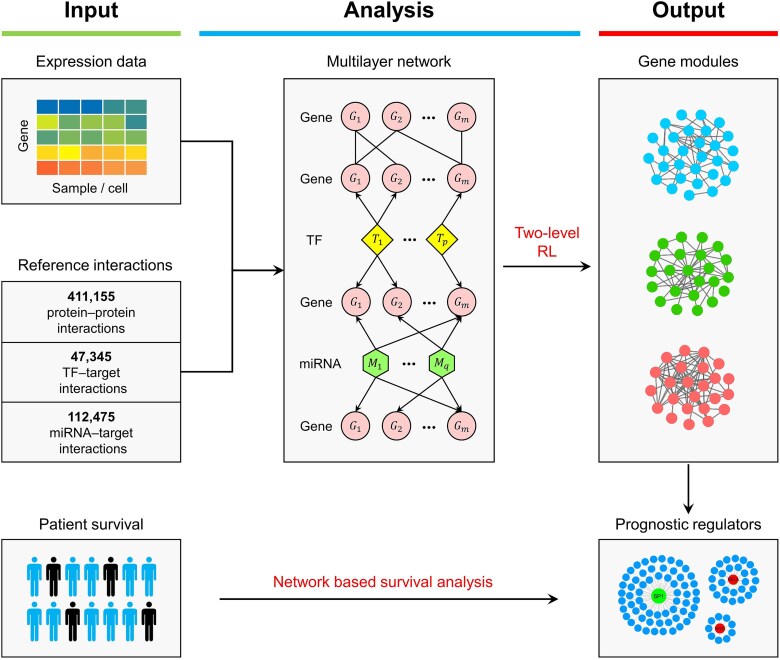 Figure 1
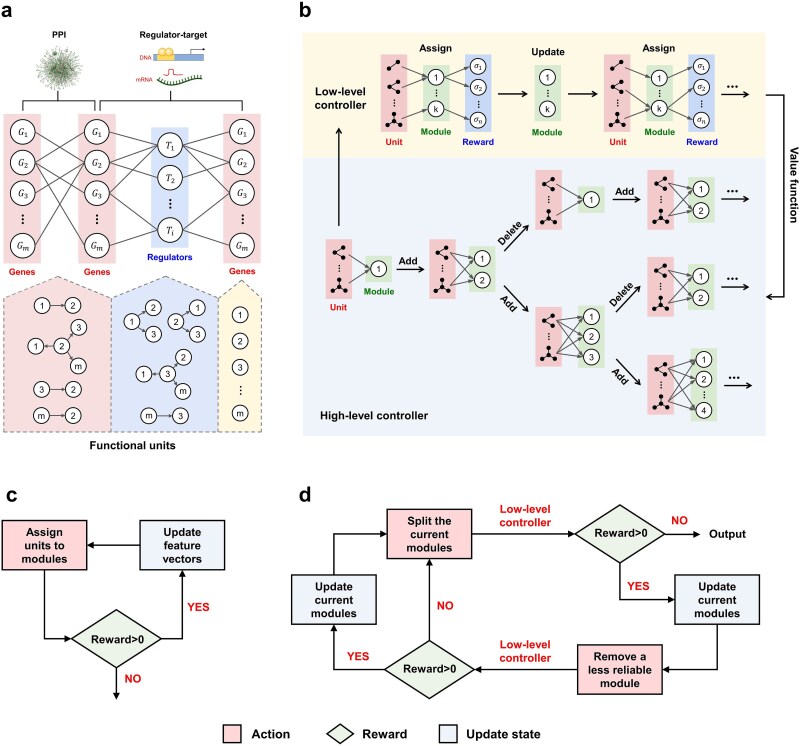 Figure 2
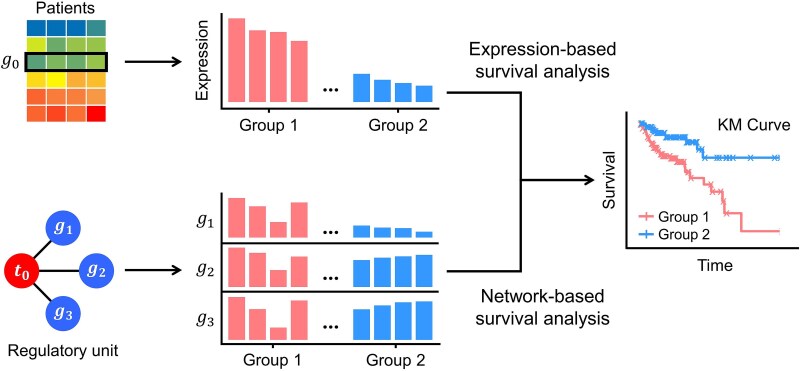 Figure 3
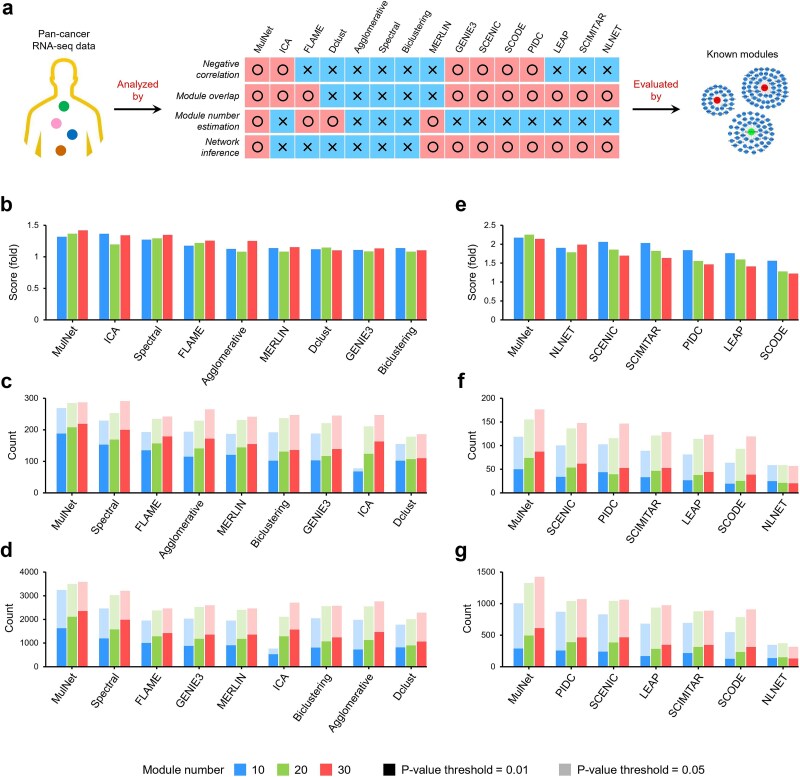 Figure 4
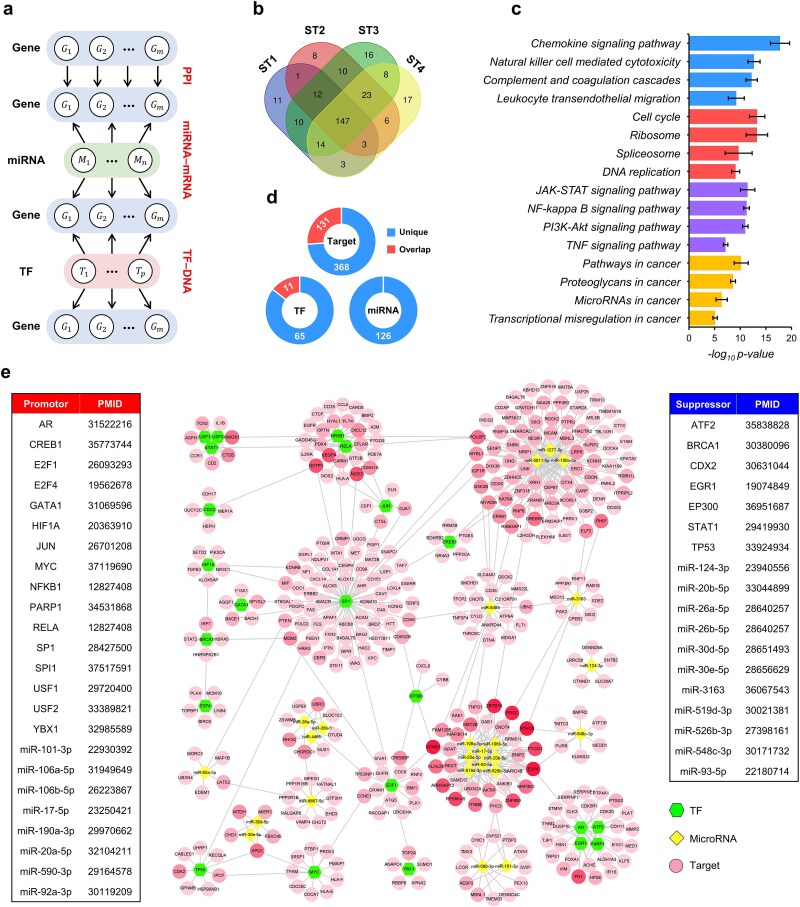 Figure 5
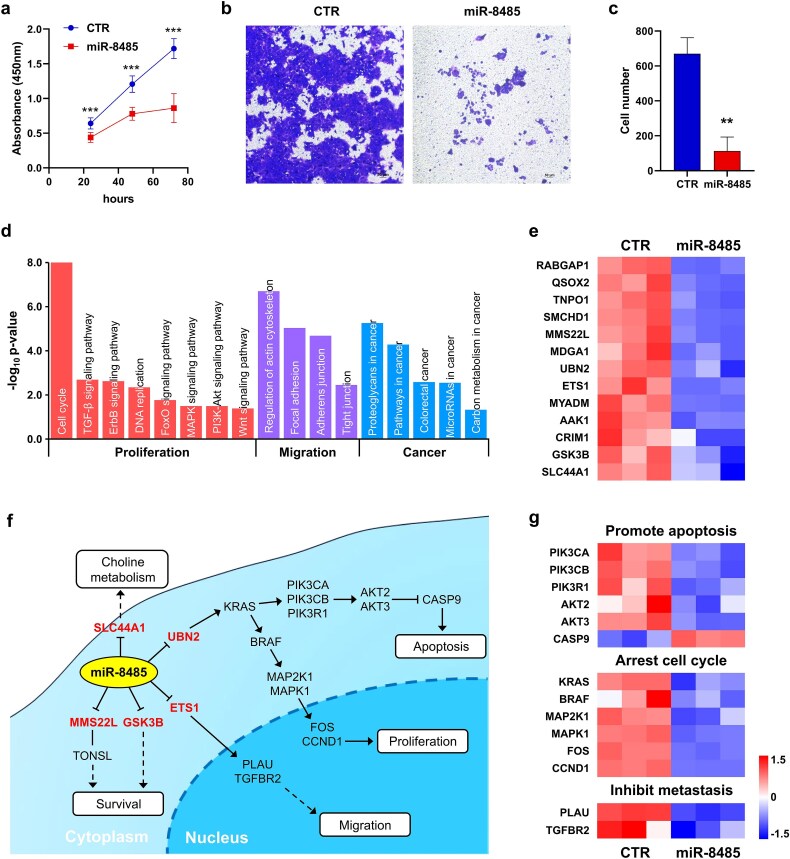 Figure 6
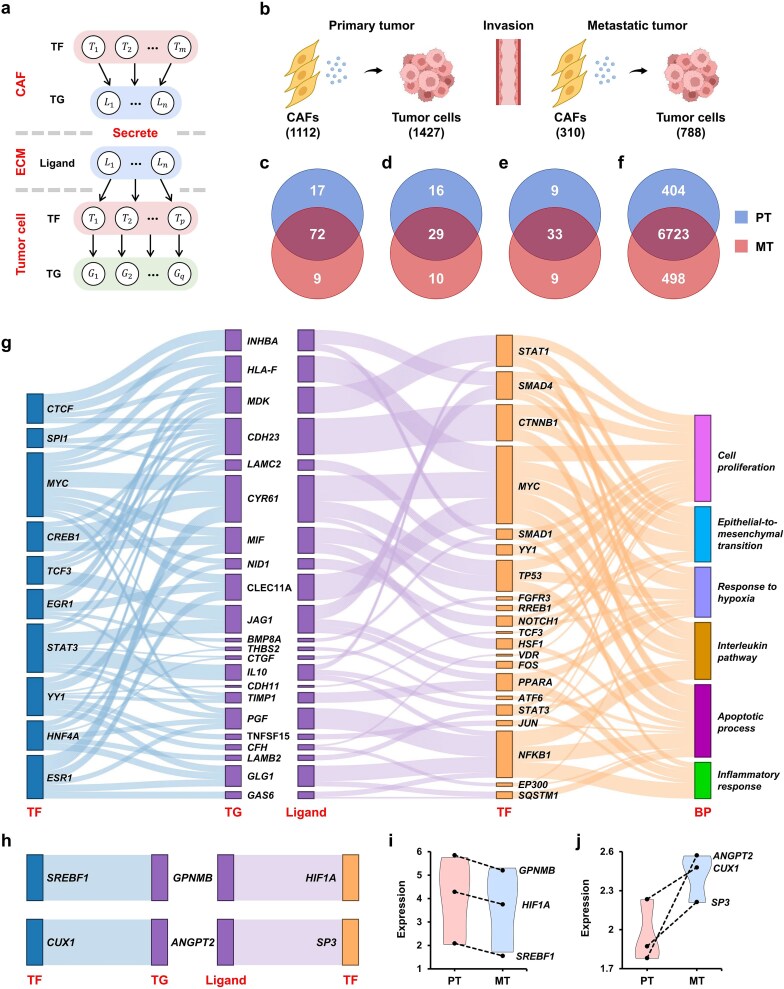 Figure 7
Peer Reviews
No public reviews on file for this paper yet. If you reviewed it on a platform where reviews are public (OpenReview, ICLR, NeurIPS, ICML), you can paste yours below so the community can read it here.
Videos
No videos yet. Explain this paper in a talk, walkthrough, or lecture? Add one.
Taxonomy
TopicsSingle-cell and spatial transcriptomics · Bioinformatics and Genomic Networks · Gene expression and cancer classification