Breaking Down Polychlorinated Biphenyls and Aryl Chlorides: A Computational Study of Thermal-, Pressure-, and Shear-Induced Decomposition
L. Pisarova, O. A. Loboda, I. Minami, S. J. Eder

TL;DR
This study uses simulations to understand how PCBs and similar chemicals break down under different conditions, aiming to improve safe disposal methods.
Contribution
The study introduces new insights into PCB decomposition mechanisms using reactive MD simulations and DFT validation.
Findings
PCB 77 decomposition is sensitive to temperature and chlorine positions, leading to varied products.
DCT shows promising decomposition pathways and is suggested for further experimental study.
Pyrolysis-based methods risk producing hazardous byproducts like dioxins if not properly managed.
Abstract
Reactive molecular dynamics (MD) simulations were used to study the decomposition of aryl chlorides, including polychlorinated biphenyls (PCBs), under varying conditions. Using the ReaxFF force field, which models bond breaking and formation, the study focused on PCB 77 (3,3′,4,4′-tetrachlorobiphenyl) and compared it to safer alternatives: 1,2-dichlorobenzene (DCB) and 3,4-dichlorotoluene (DCT). Density functional theory (DFT) calculations validated decomposition pathways and enthalpies of C–Cl bond homolytic cleavage, revealing a multistep radical mechanism. Analysis showed that the decomposition rate and product distribution were sensitive to temperature and Cl-binding positions, emphasizing the complexity of PCB breakdown. Decomposition products were analyzed to understand the efficiency and safety of current remediation processes, such as incineration, which can produce hazardous…
Genes, proteins, chemicals, diseases, species, mutations and cell lines named across the full text — each resolved to its canonical identifier and authoritative record.
Click any figure to enlarge with its caption.
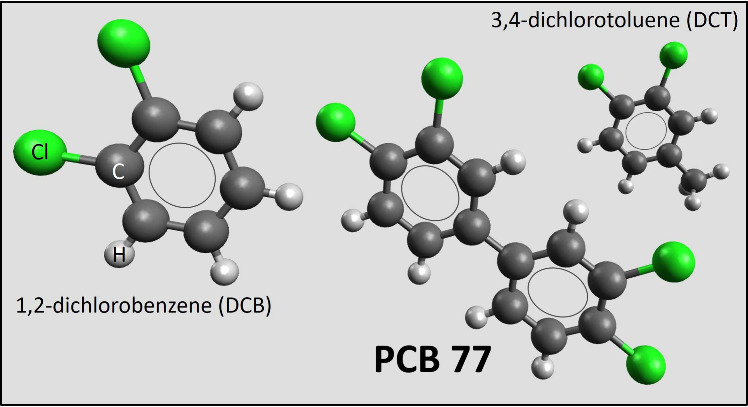 Figure 1
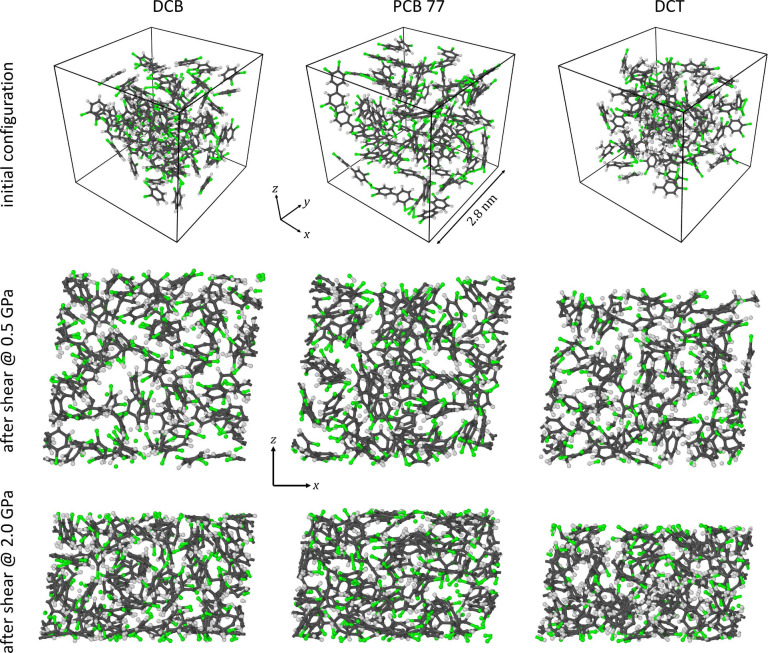 Figure 2
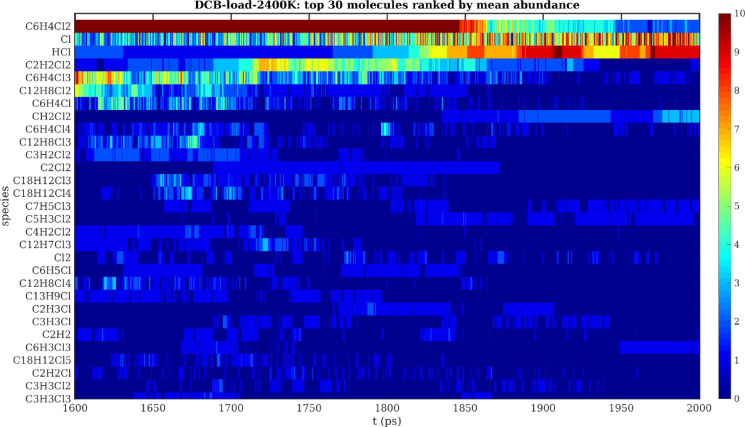 Figure 3
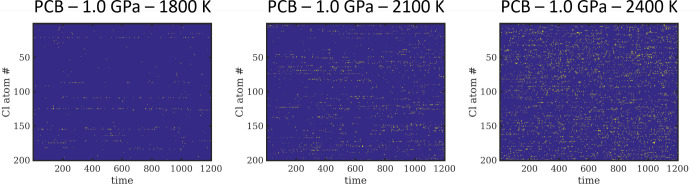 Figure 4
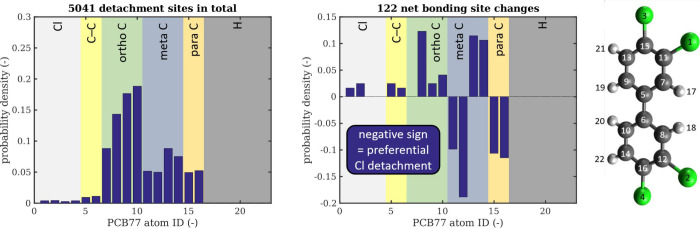 Figure 5
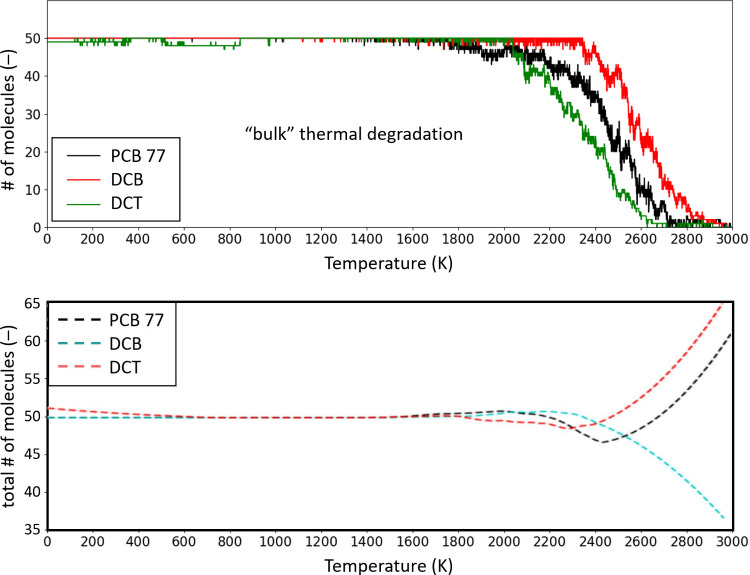 Figure 6
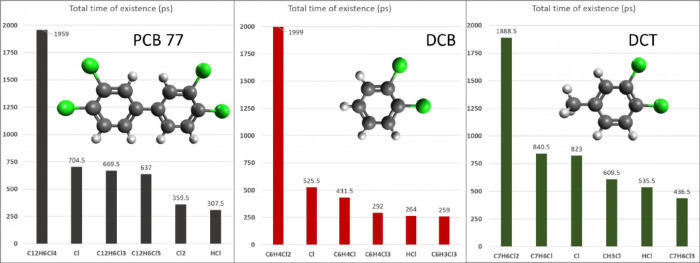 Figure 7
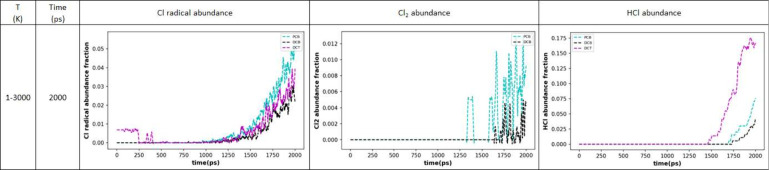 Figure 8
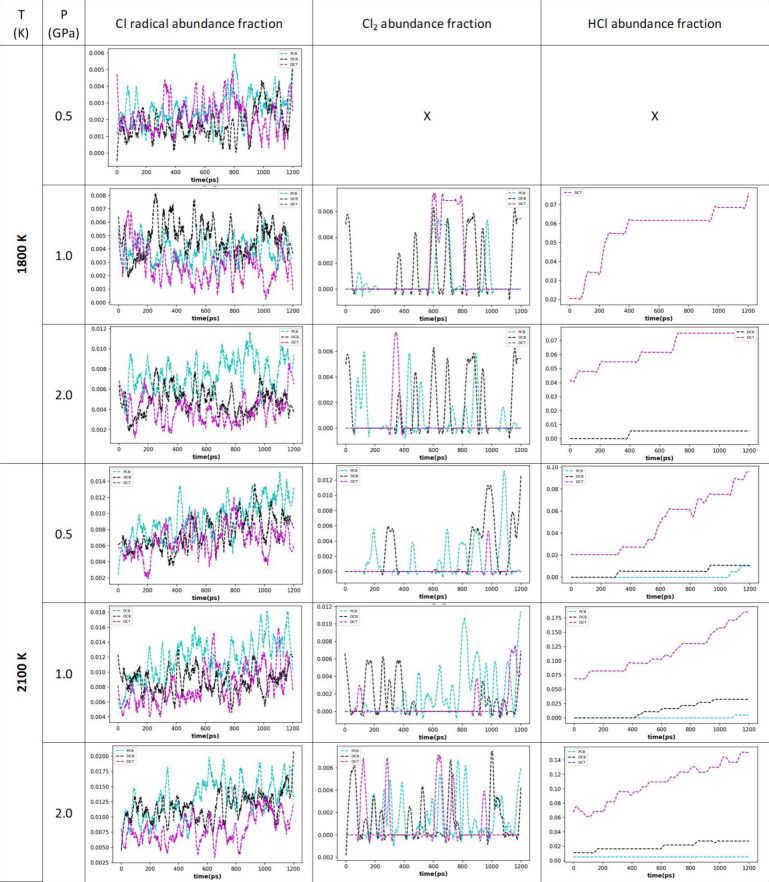 Figure 9
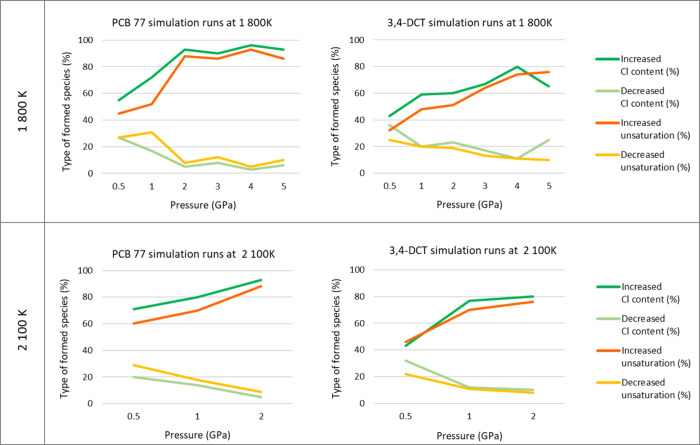 Figure 10
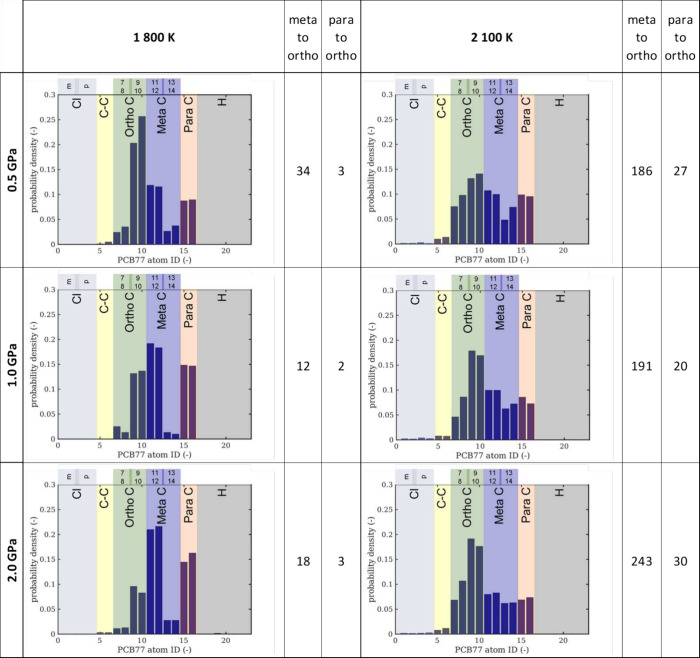 Figure 11
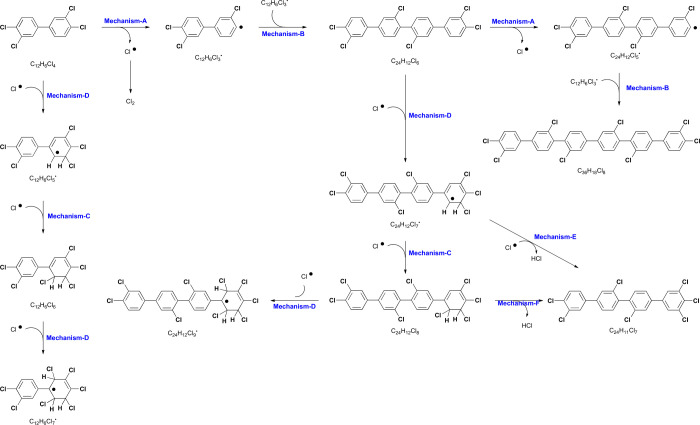 Figure 12
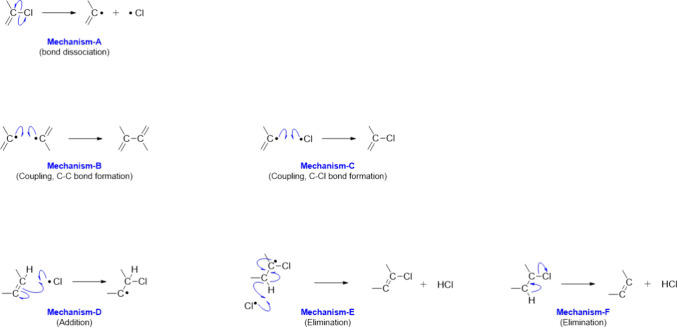 Figure 13
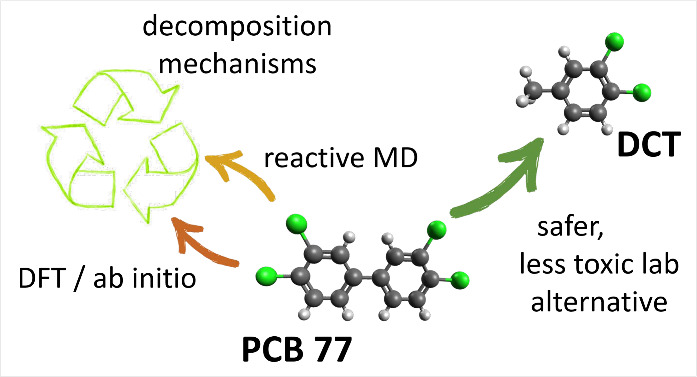 Figure 14
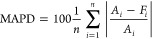 Figure 15
Peer Reviews
No public reviews on file for this paper yet. If you reviewed it on a platform where reviews are public (OpenReview, ICLR, NeurIPS, ICML), you can paste yours below so the community can read it here.
Videos
No videos yet. Explain this paper in a talk, walkthrough, or lecture? Add one.
Taxonomy
TopicsEnvironmental remediation with nanomaterials · Toxic Organic Pollutants Impact