Systematic review of pharmacotherapy for atypical facial pain: evaluation of pain reduction, depression, anxiety and quality of life
Abdullah F. Alshammari, Hind M. Alassaf, Ahmed A. Madfa, Sattam S. Alshammari, Sameer Shaikh, Hassan H. Abed, Ali A. Alqarni, Freah L. Alshammary, Khlood A. Alkurdi

TL;DR
This paper reviews how well different medicines work for treating atypical facial pain, a chronic condition, and finds mixed results with some drugs helping more than others.
Contribution
The study systematically evaluates pharmacological treatments for AFP, highlighting variability in efficacy and adverse events across medications.
Findings
Antidepressants like dothiepin and clomipramine showed significant pain reduction in AFP patients.
Onabotulinum toxin A and sumatriptan had inconsistent or minimal effects on pain intensity.
Adverse events ranged from mild (dry mouth) to severe (facial asymmetry), affecting treatment adherence.
Abstract
Atypical facial pain (AFP) is a chronic condition characterized by persistent facial pain without clear clinical signs, making diagnosis and treatment difficult. Common pharmacological treatments include antidepressants, anticonvulsants and neuromodulators, but their effectiveness remains uncertain, necessitating a systematic review to guide clinical practice. Following PRISMA 2020 guidelines, randomized controlled trials (RCTs) evaluating pharmacological treatments for AFP in adults were included. A comprehensive search of five databases without date restrictions was performed. Data on pain reduction, quality of life, and adverse events were extracted. The Cochrane Risk of Bias (RoB 2.0) tool assessed bias, and evidence quality was evaluated using the Critical Appraisal Skills Programme tool. Out of 196 studies identified, 10 RCTs met the inclusion criteria. Pharmacological responses…
Genes, proteins, chemicals, diseases, species, mutations and cell lines named across the full text — each resolved to its canonical identifier and authoritative record.
Click any figure to enlarge with its caption.
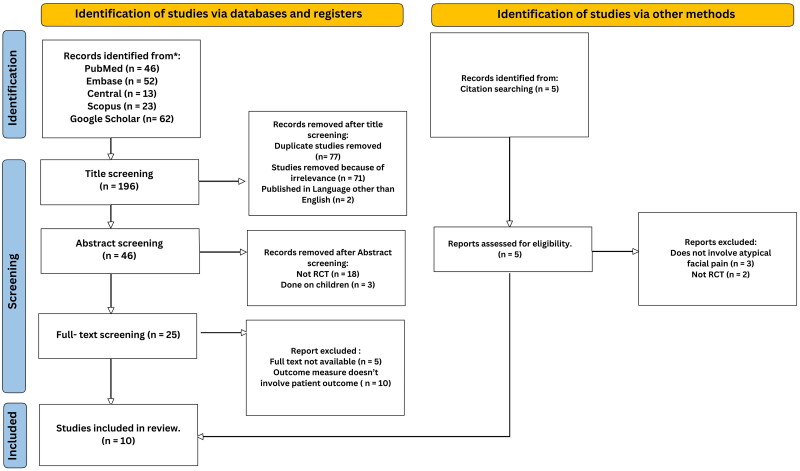 Figure 1
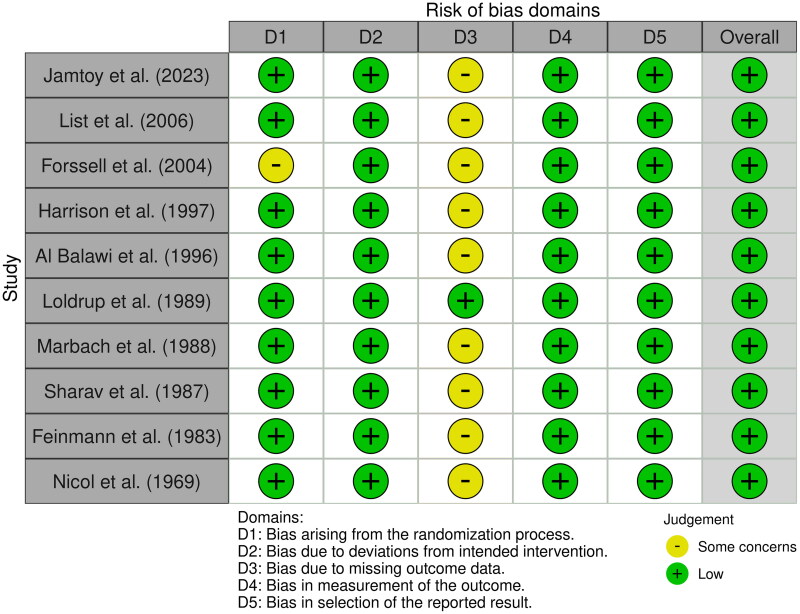 Figure 2
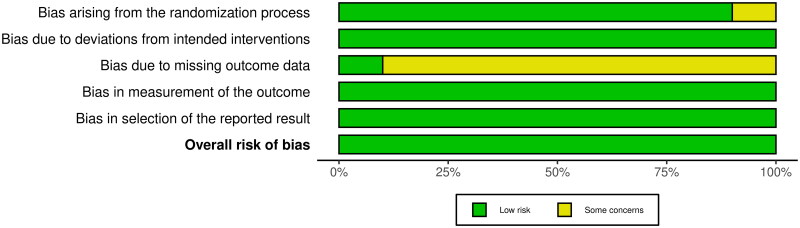 Figure 3
Peer Reviews
No public reviews on file for this paper yet. If you reviewed it on a platform where reviews are public (OpenReview, ICLR, NeurIPS, ICML), you can paste yours below so the community can read it here.
Videos
No videos yet. Explain this paper in a talk, walkthrough, or lecture? Add one.
Taxonomy
TopicsDental Anxiety and Anesthesia Techniques · Pain Mechanisms and Treatments · Musculoskeletal pain and rehabilitation