Spontaneous Formation of a Sustainable Antifreeze Coating by Peptide Self-Assembly
Michaela Kaganovich, Eilam Gibeon, Anna Shilling Bakalinsky, Deborah E. Shalev, Ido Braslavsky, Meital Reches

TL;DR
Researchers created a sustainable antifreeze coating using self-assembling peptides inspired by natural proteins, showing promise for preventing ice formation in various applications.
Contribution
A novel peptide design combining antifreeze and adhesion properties from natural proteins to form a sustainable antifreeze coating.
Findings
Surfaces coated with AFPep1 delayed initial freezing by 5 °C compared to bare surfaces.
AFPep1 inhibited ice recrystallization at 0.5 ± 0.1 mM concentration.
AFPep1 shaped ice crystals into hexagonal plates and inhibited ice growth at supercooling levels up to 0.04 °C.
Abstract
The formation of ice and frost on surfaces poses significant challenges to aviation, crop protection, organ preservation, and other fields. This paper presents the formation of sustainable antifreeze coating by the self-assembly of short peptides. The peptide design is inspired by and combines different elements from distinct natural proteins: (i) a sequence of amino acids from an antifreeze protein and (ii) the amino acids 3,4-dihydroxyphenylalanine (DOPA) and lysine from mussel adhesion proteins that anchor the peptide to a surface. The peptide, termed AFPep1, incorporates the repetitive ice-binding motif found in the antifreeze protein of the longhorn beetle (Rhagium inquisitor). Surfaces coated with the peptide exhibited antifreeze activity with a delay of the initial freezing of 5 °C degrees compared to a bare surface. Furthermore, AFPep1 exhibited relatively effective ice…
Genes, proteins, chemicals, diseases, species, mutations and cell lines named across the full text — each resolved to its canonical identifier and authoritative record.
Click any figure to enlarge with its caption.
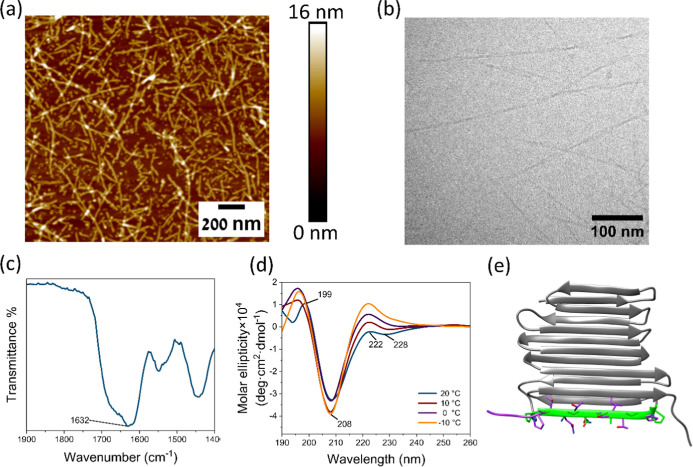 Figure 1
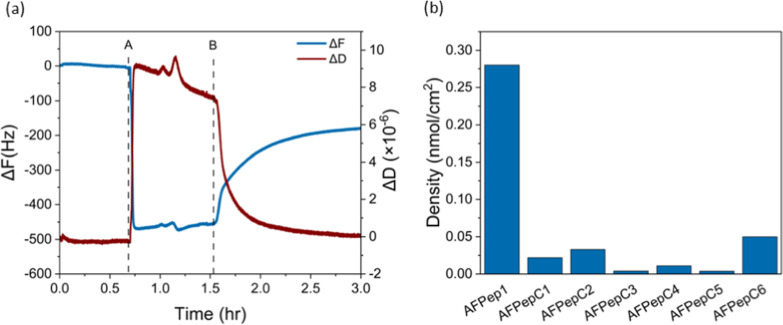 Figure 2
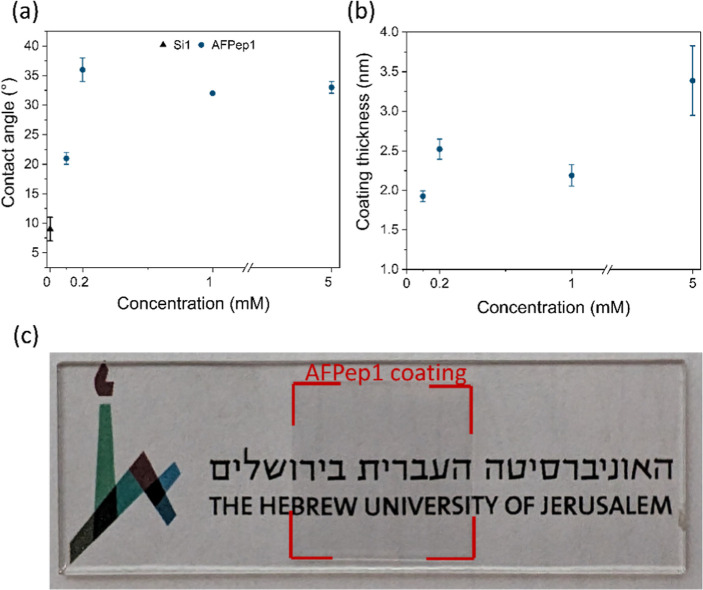 Figure 3
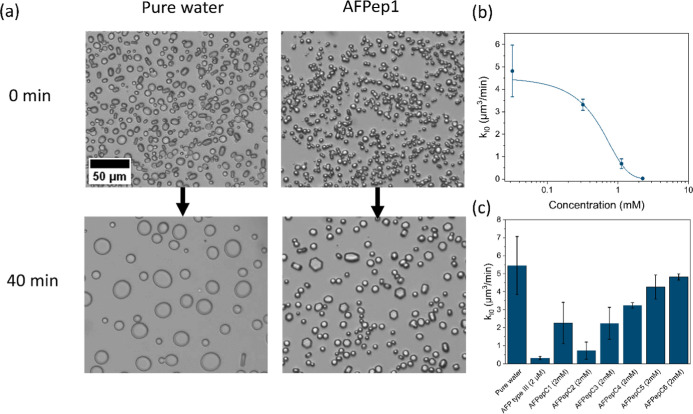 Figure 4
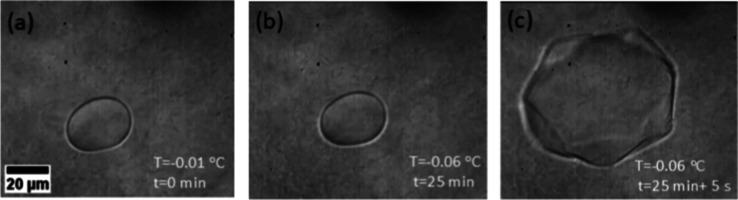 Figure 5
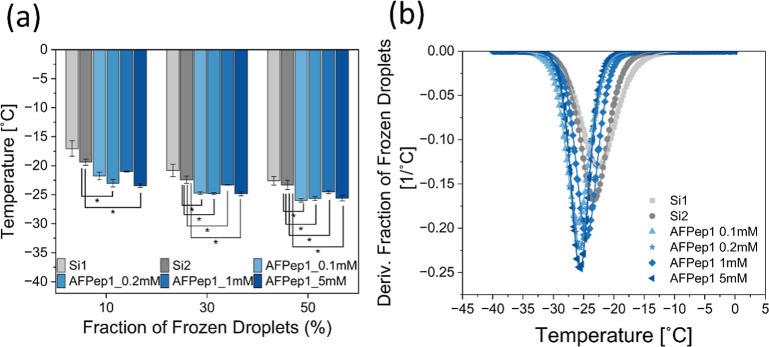 Figure 6
 Figure 7
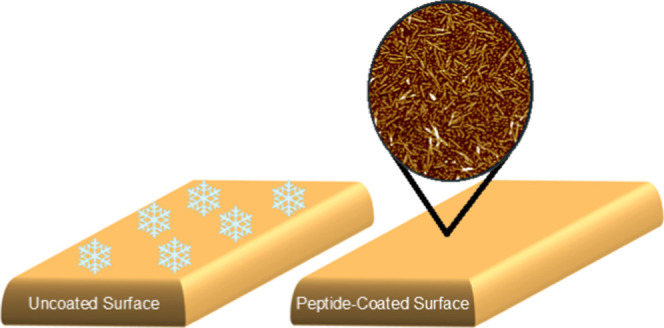 Figure 8
 Figure 9
 Figure 10
 Figure 11
 Figure 12
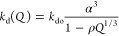 Figure 13
 Figure 14
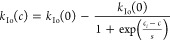 Figure 15
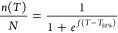 Figure 16
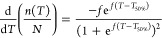 Figure 17
Peer Reviews
No public reviews on file for this paper yet. If you reviewed it on a platform where reviews are public (OpenReview, ICLR, NeurIPS, ICML), you can paste yours below so the community can read it here.
Videos
No videos yet. Explain this paper in a talk, walkthrough, or lecture? Add one.
Taxonomy
TopicsSurface Modification and Superhydrophobicity · nanoparticles nucleation surface interactions · Molecular Junctions and Nanostructures