Late Hemorrhagic Complication and Unilateral Neck Edema Related to Cannulation in Veno-Venous Extracorporeal Membrane Oxygenation (VV ECMO): A Case Report
Stanislav Shkolnyi, Viktoriia Matviichuk, Oleksandra Kaliuzhna, Andrii Vysotskyi

TL;DR
A 20-year-old woman on VV ECMO developed late neck swelling and bleeding due to partial venous outflow obstruction, highlighting the need for careful cannula positioning.
Contribution
This case report presents a rare late complication of VV ECMO involving unilateral neck edema and hemoptysis due to venous outflow obstruction.
Findings
Unilateral neck swelling and tracheal deviation occurred due to partial venous outflow obstruction during VV ECMO.
Collateral vessel formation led to muscle swelling, small hemorrhages, and a bleeding mass in the throat.
The patient was successfully weaned off ECMO and recovered without further complications.
Abstract
We report a case of a late cannulation-related complication on veno-venous extracorporeal membrane oxygenation (VV ECMO), which includes unilateral neck swelling. A 20-year-old woman, post bone marrow transplantation, was admitted to the ICU with respiratory failure. On day 3, due to conventional support failure, VV ECMO was initiated. On day 2 of the ECMO run, significant right-sided neck swelling occurred, with a marked tracheal deviation to the left, which was accompanied by intensive hemoptysis. On day 5 of ECMO, the patient was successfully weaned off ECMO, decannulated without complications, and subsequently extubated. A multidisciplinary review of the case concluded that the complication was caused by the partial obstruction of venous outflow. Venous outflow impairment led to the formation of the collateral vessels on the right side of the neck. These changes caused muscle…
Genes, proteins, chemicals, diseases, species, mutations and cell lines named across the full text — each resolved to its canonical identifier and authoritative record.
Click any figure to enlarge with its caption.
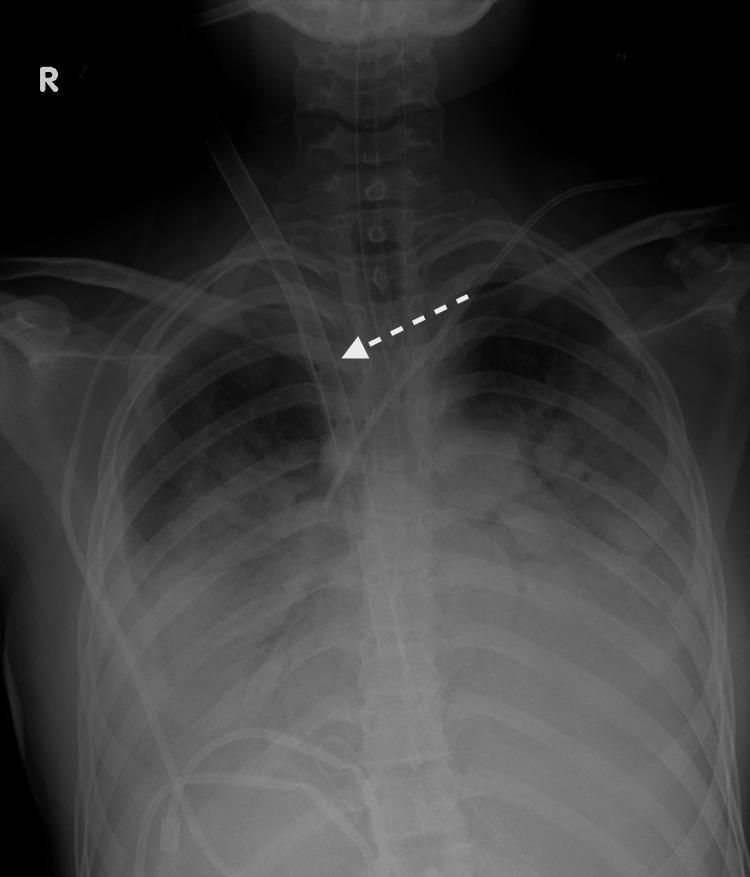 Figure 1
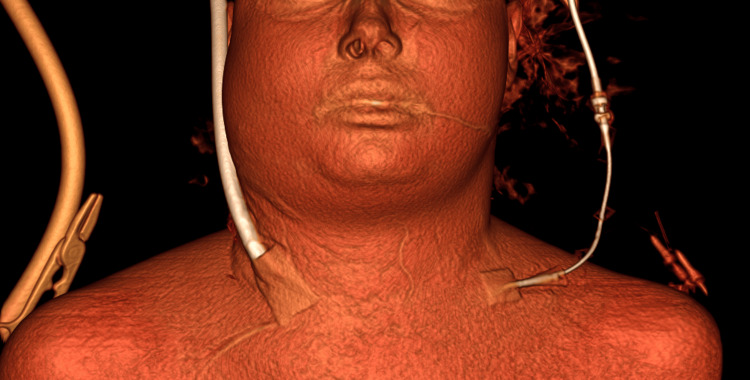 Figure 2
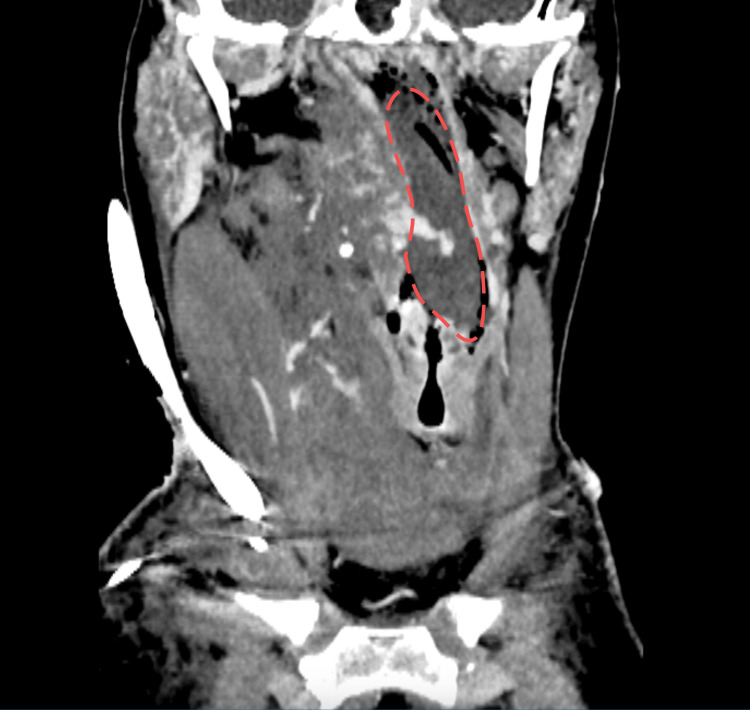 Figure 3
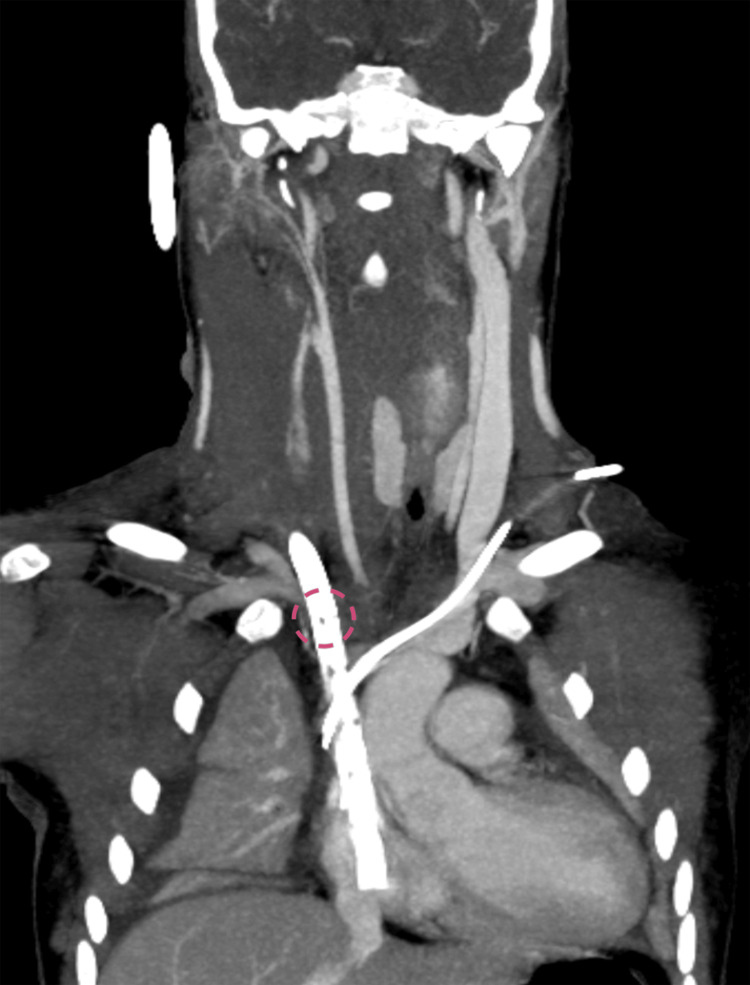 Figure 4
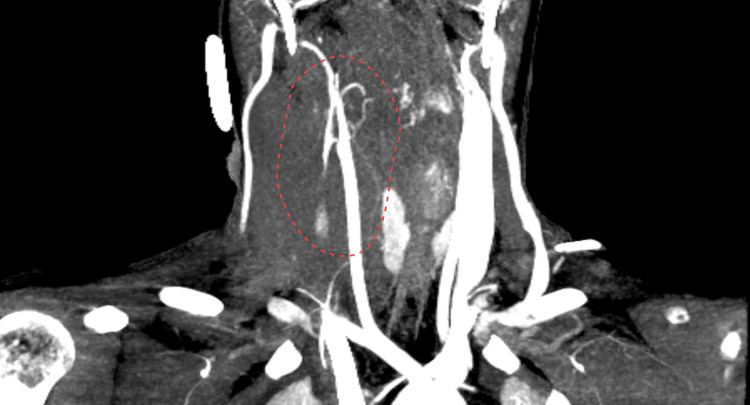 Figure 5
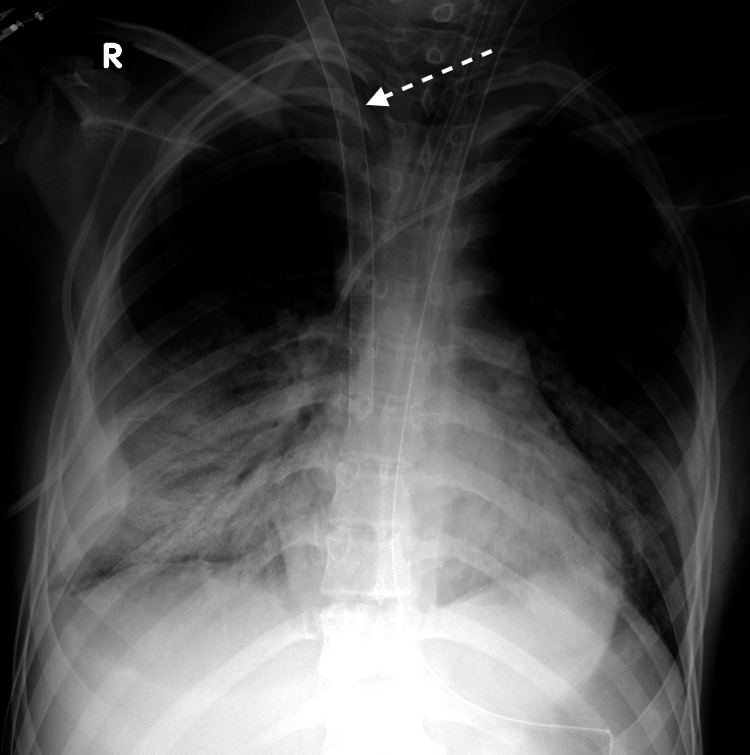 Figure 6
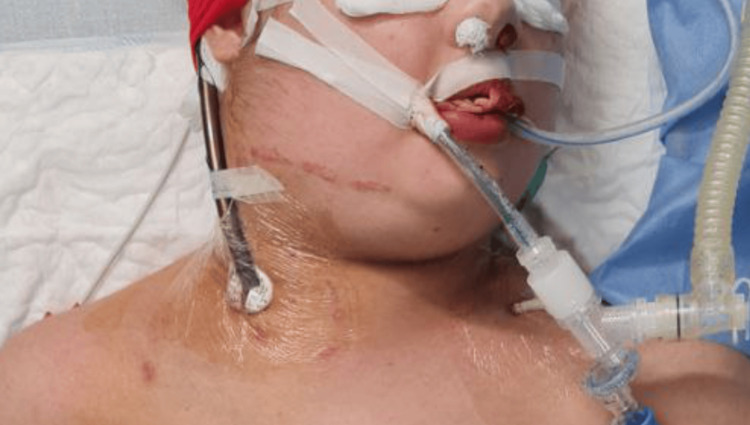 Figure 7
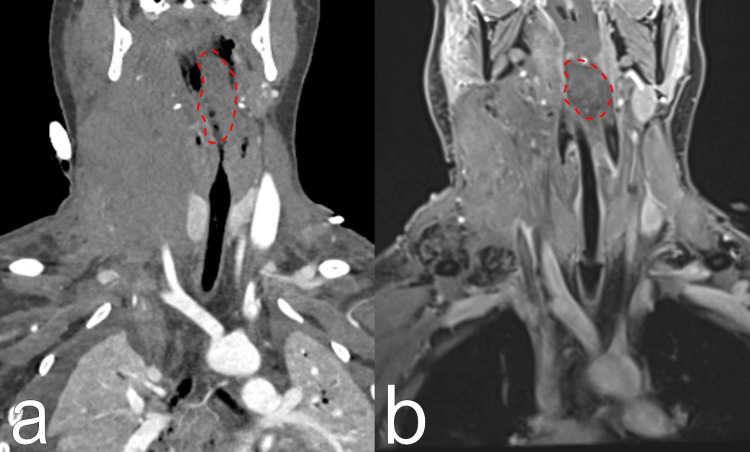 Figure 8
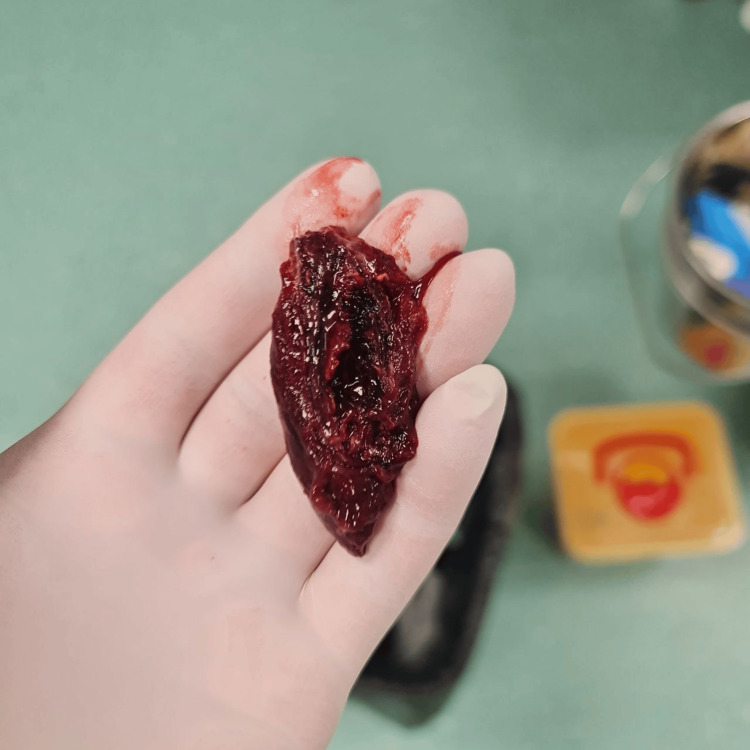 Figure 9
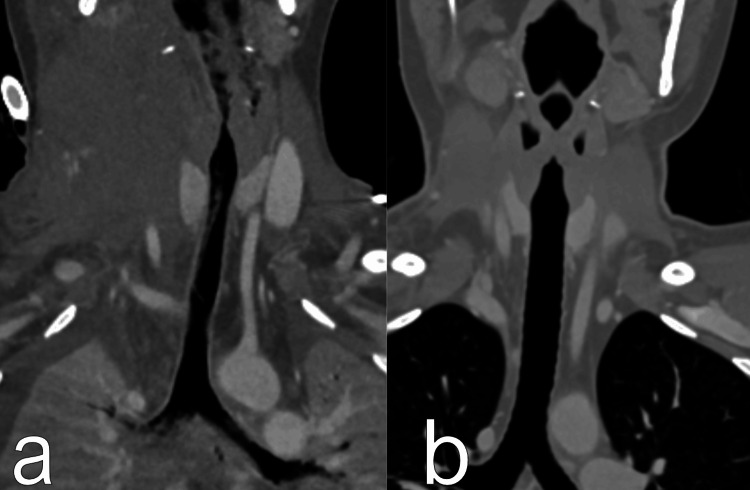 Figure 10
Peer Reviews
No public reviews on file for this paper yet. If you reviewed it on a platform where reviews are public (OpenReview, ICLR, NeurIPS, ICML), you can paste yours below so the community can read it here.
Videos
No videos yet. Explain this paper in a talk, walkthrough, or lecture? Add one.
Taxonomy
TopicsMechanical Circulatory Support Devices · Cardiac Arrest and Resuscitation · Cardiac Structural Anomalies and Repair