KNTC1 introduces segmental heterogeneity to mitochondria
Atsushi Tsukamura, Hirotaka Ariyama, Natsuki Hayashi, Satoko Miyatake, Satoko Okado, Sara Sultana, Ichiro Terakado, Takefumi Yamamoto, Shoji Yamanaka, Satoshi Fujii, Haruka Hamanoue, Ryoko Asano, Taichi Mizushima, Naomichi Matsumoto, Yoshihiro Maruo, Masaki Mori

TL;DR
The protein KNTC1 helps regulate mitochondrial segments, affecting energy production and potentially contributing to cancer.
Contribution
KNTC1 is identified as a glutamine sensor that introduces mitochondrial segmental heterogeneity.
Findings
Kntc1 translocates to linear mitochondrial segments under glutamine deprivation.
Kntc1 maintains mitochondrial membrane potential and affects cellular metabolism.
A KNTC1 variant was found in ovarian cancer, linking mitochondrial regulation to tissue integrity.
Abstract
Mitochondria contribute to cellular metabolism by providing a specialised milieu for energising cells by incorporating and processing the metabolites. However, heterogeneity between mitochondria has only partially been elucidated. Mitochondria dynamically alter their morphology and function during the life of an animal, when cells proliferate and grow. We here show that Kntc1, a highly evolutionarily conserved protein, translocates from the Golgi apparatus to linear mitochondrial segments (LMSs) upon glutamine deprivation and plays an essential role in maintaining LMSs. The LMSs to which Kntc1 localised exhibited an increase in the mitochondrial membrane potential, suggesting the role of Kntc1 in functioning as a reservoir for the energy-generating potential. Suppression of Kntc1 led to glutamine consumption and lactate production, thus impacting cellular metabolism, eventually leading…
Genes, proteins, chemicals, diseases, species, mutations and cell lines named across the full text — each resolved to its canonical identifier and authoritative record.
Click any figure to enlarge with its caption.
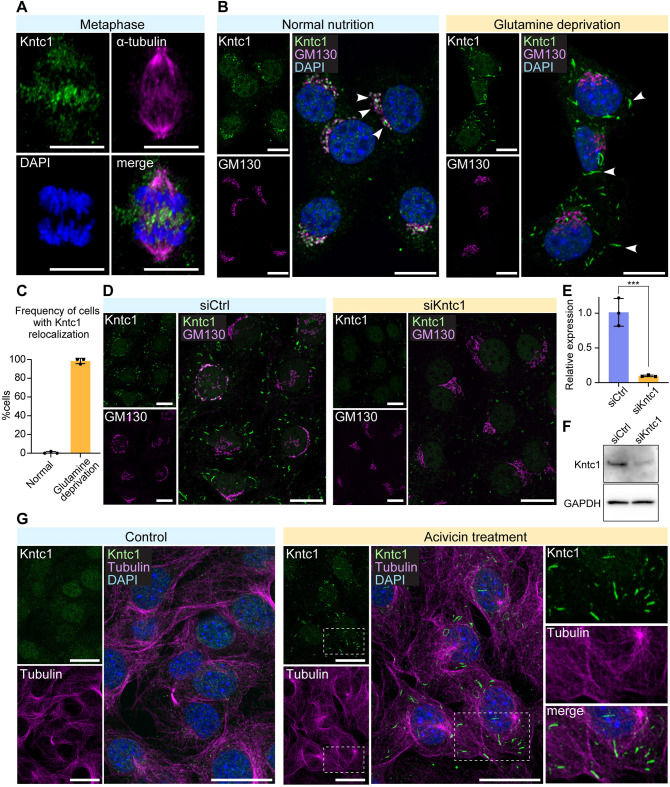 Figure 1
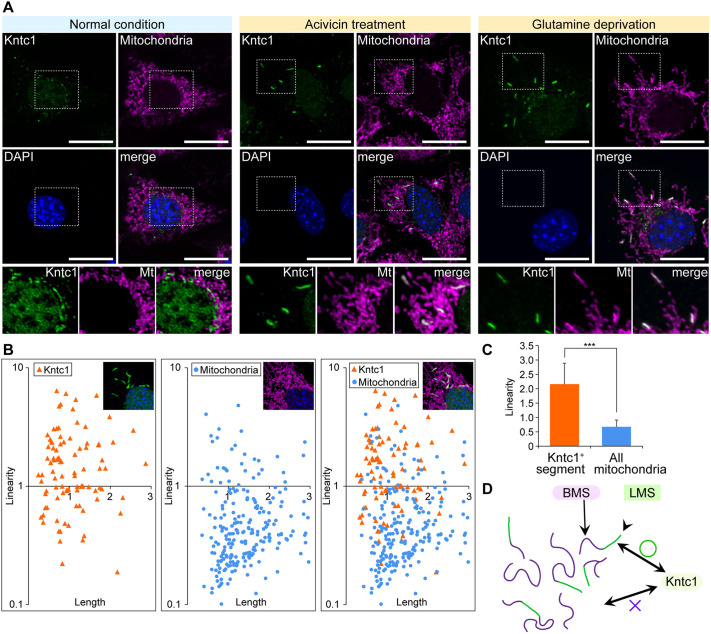 Figure 2
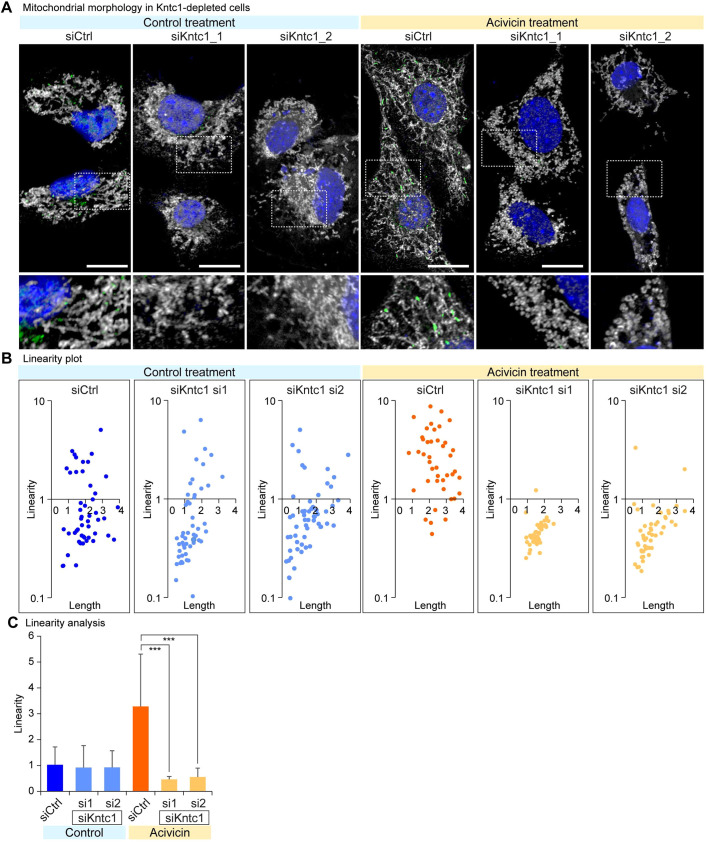 Figure 3
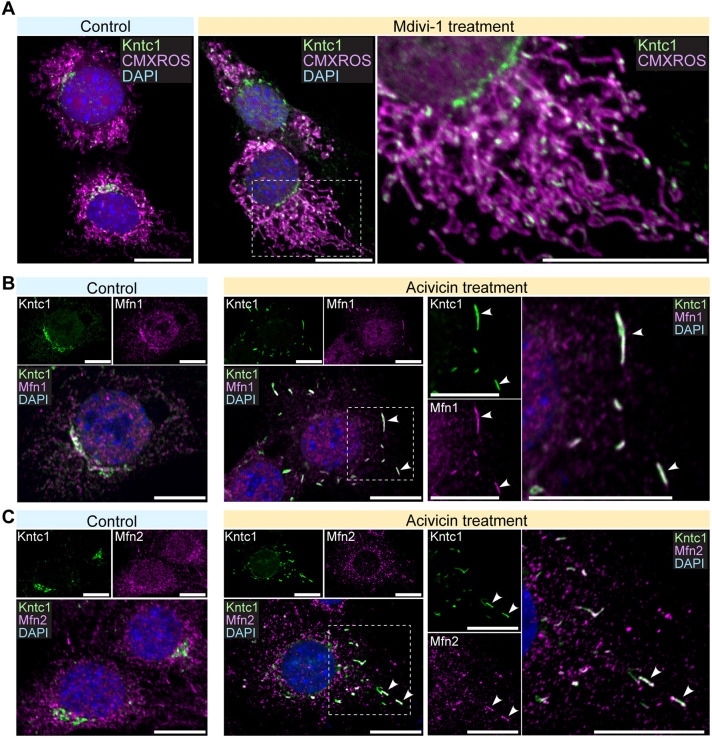 Figure 4
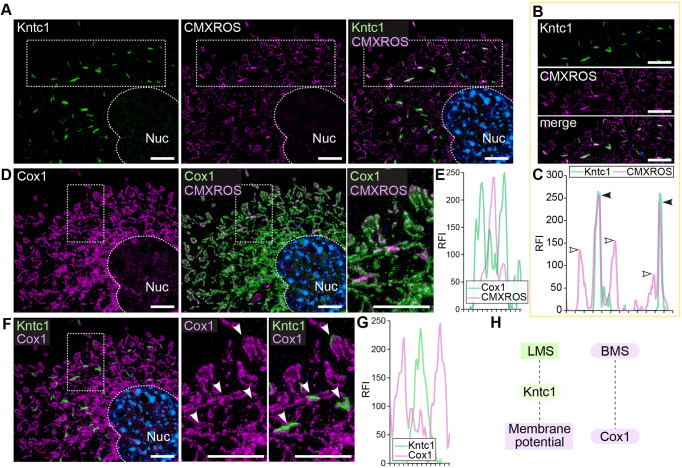 Figure 5
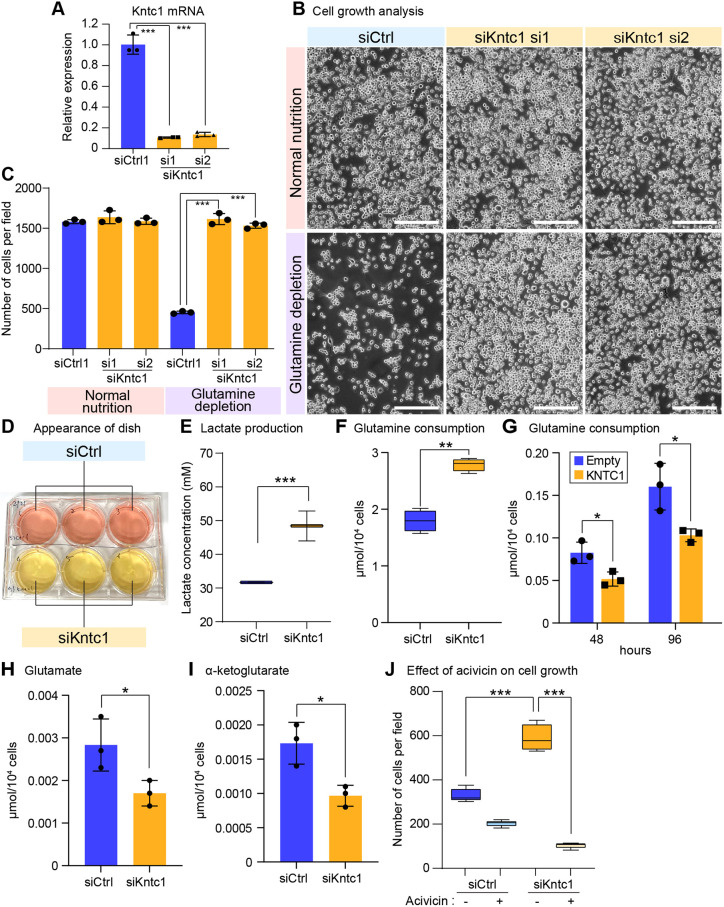 Figure 6
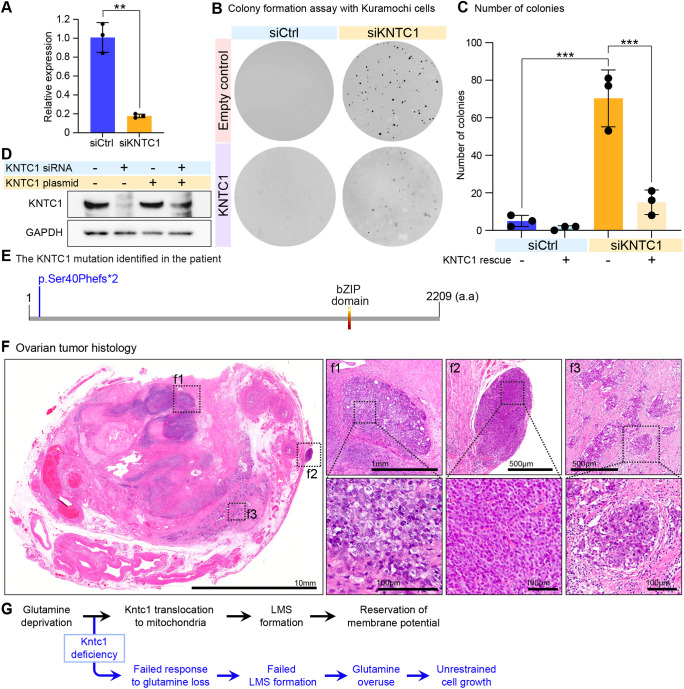 Figure 7
Peer Reviews
No public reviews on file for this paper yet. If you reviewed it on a platform where reviews are public (OpenReview, ICLR, NeurIPS, ICML), you can paste yours below so the community can read it here.
Videos
No videos yet. Explain this paper in a talk, walkthrough, or lecture? Add one.
Taxonomy
TopicsMitochondrial Function and Pathology · ATP Synthase and ATPases Research · Metabolism and Genetic Disorders