A group penalization framework for detecting time-lagged microbiota-host associations
Emily Palmer, Austin Hammer, Thomas Sharpton, Yuan Jiang

TL;DR
This paper introduces a new method to detect how past microbiome states affect current host health outcomes, using time-lagged associations.
Contribution
A novel group penalization framework is proposed to identify time-lagged microbiota-host associations and their corresponding time lags.
Findings
The proposed framework accurately identifies time lags and estimates signal strengths in simulations.
The method was applied to zebrafish data to find gut microbes with time-lagged effects on parasite worm burden.
Abstract
There is rising interest in using longitudinal microbiome data to understand how the past status of the microbiome impacts the current state of the host, referred to as “time-lagged” effects, as these effects may take time to occur. While existing works used previous states of the microbiome in their analysis, they did not use methods that identify both the time-lagged associations and their corresponding time lags. In this article, we present a framework to identify time-lagged associations between abundances of longitudinally sampled microbiota and a stationary response (final health outcome, disease status, etc.). We start with a definition of the time-lagged effect by imposing a particular structure on the association pattern of longitudinal microbial measurements. Using group penalization methods, we identify these time-lagged associations including their strengths, signs, and…
Genes, proteins, chemicals, diseases, species, mutations and cell lines named across the full text — each resolved to its canonical identifier and authoritative record.
Click any figure to enlarge with its caption.
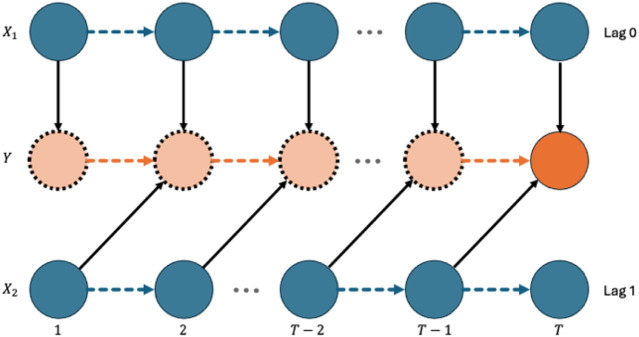 Figure 1
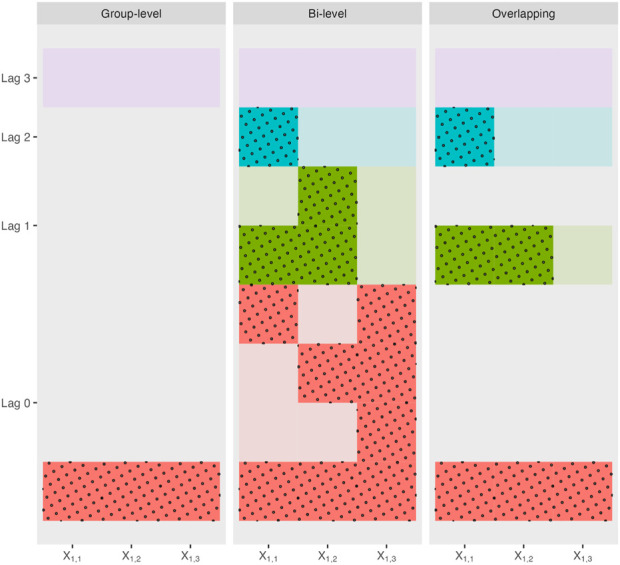 Figure 2
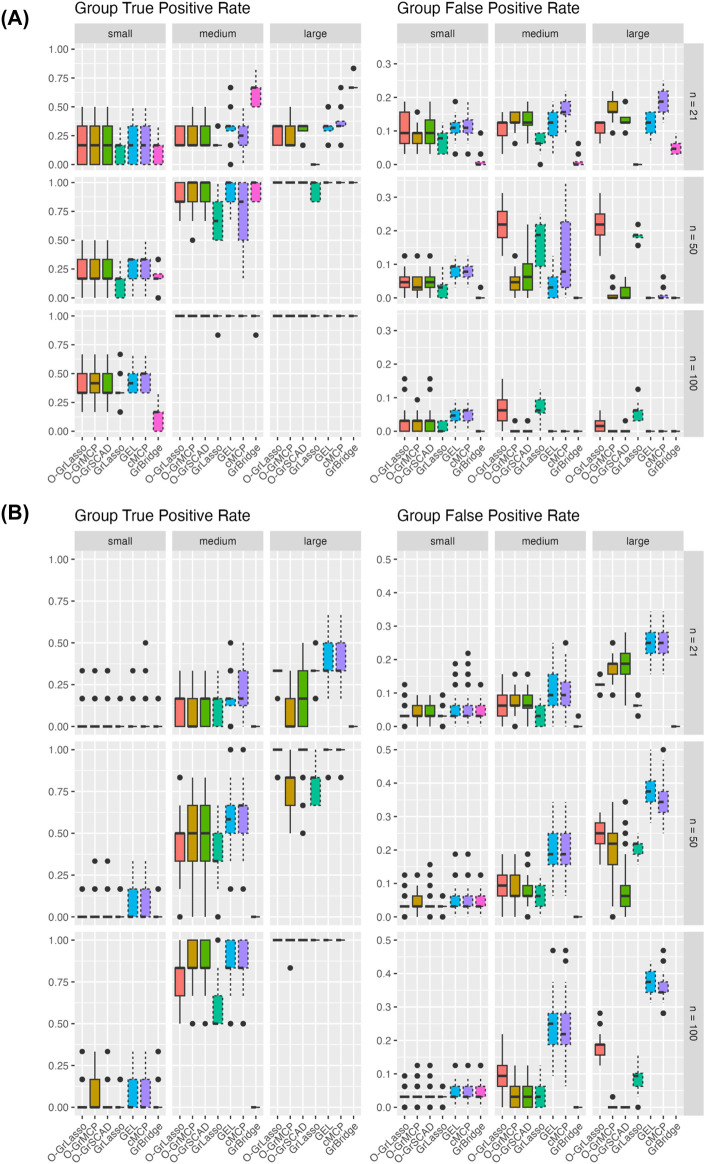 Figure 3
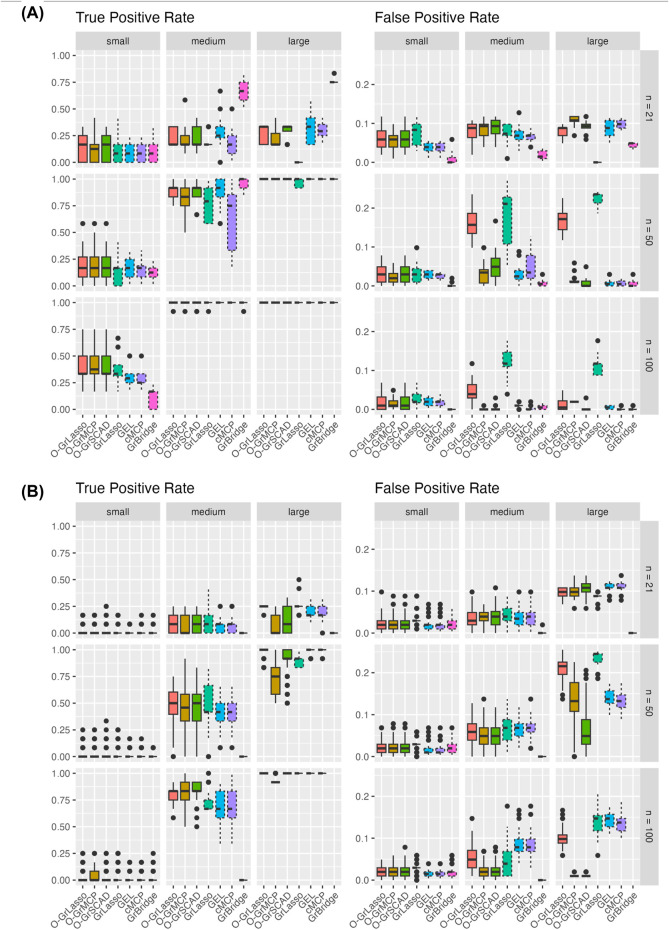 Figure 4
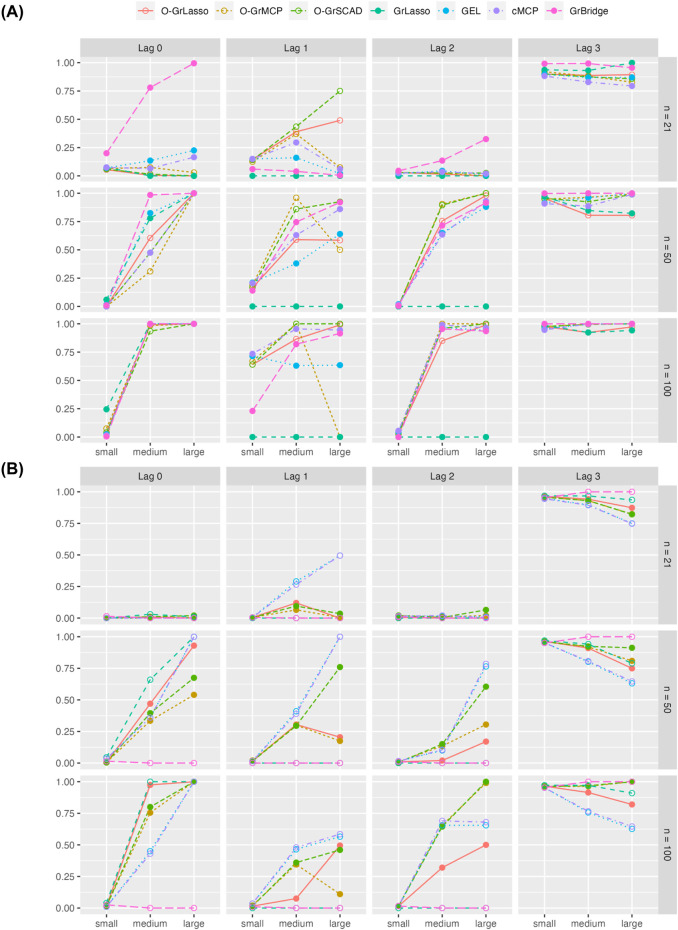 Figure 5
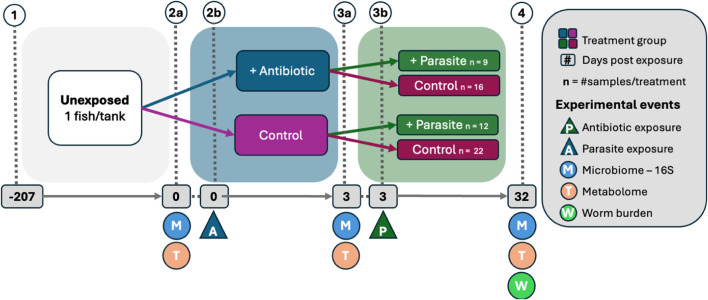 Figure 6
Peer Reviews
No public reviews on file for this paper yet. If you reviewed it on a platform where reviews are public (OpenReview, ICLR, NeurIPS, ICML), you can paste yours below so the community can read it here.
Videos
No videos yet. Explain this paper in a talk, walkthrough, or lecture? Add one.
Taxonomy
TopicsGut microbiota and health · Gene expression and cancer classification · Single-cell and spatial transcriptomics