Evaluating the Educational Impact of 3D-Printed Models in Cervical Laminoplasty Training: A Survey-Based Study
Manuel De Jesus Encarnacion Ramirez, Carlos Salvador Ovalle Torres, Andreina Rosario Rosario, Gervith Reyes Soto, Carlos Castillo-Rangel, Carlos Castillo Sorian, Francisco Castañeda Aguayo, Nasser M F El-Ghandour, Vladimir Nikolenko, Tshiunza Mpoyi Cherubin

TL;DR
This study shows that 3D-printed models improve cervical laminoplasty training by offering better visualization and hands-on practice for surgeons.
Contribution
The study evaluates how 3D-printed models specifically enhance surgical training and preoperative planning in cervical laminoplasty.
Findings
81.6% of participants found 3D models extremely beneficial for planning surgical approaches.
Participants praised the models for accurate anatomical representation and improved learning compared to traditional methods.
The study highlights unanimous support for integrating 3D models into medical education and preoperative planning.
Abstract
Background and objective The complexities of spinal surgery, particularly the intricacies of cervical pathology, demand precision and expertise in surgical interventions. Cervical laminoplasty is a procedure that requires meticulous execution and a profound understanding of delicate anatomical structures. Recognizing the limitations of traditional training methods, this study highlights the transformative impact of integrating 3D modeling and printing technologies into medical education. These technologies provide an immersive, interactive, and highly detailed training platform, enabling aspiring surgeons to visualize, dissect, and practice procedures in a risk-free environment. Beyond education, 3D models enhance patient-doctor communication, enable precise preoperative planning, facilitate custom implant design, and support a personalized approach to spinal surgery. Collectively,…
Genes, proteins, chemicals, diseases, species, mutations and cell lines named across the full text — each resolved to its canonical identifier and authoritative record.
Click any figure to enlarge with its caption.
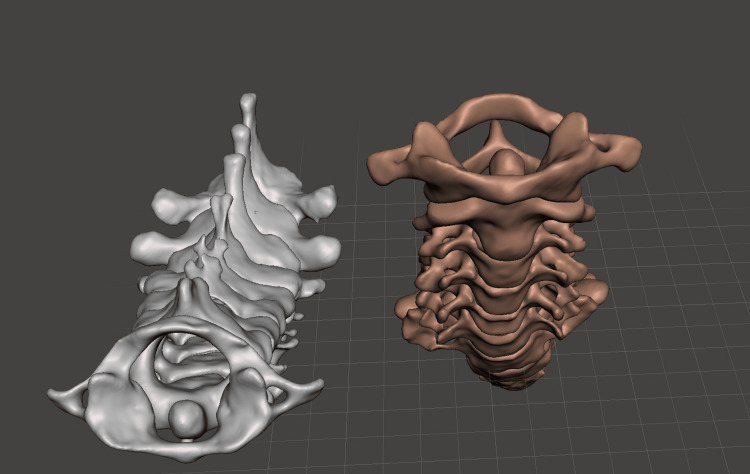 Figure 1
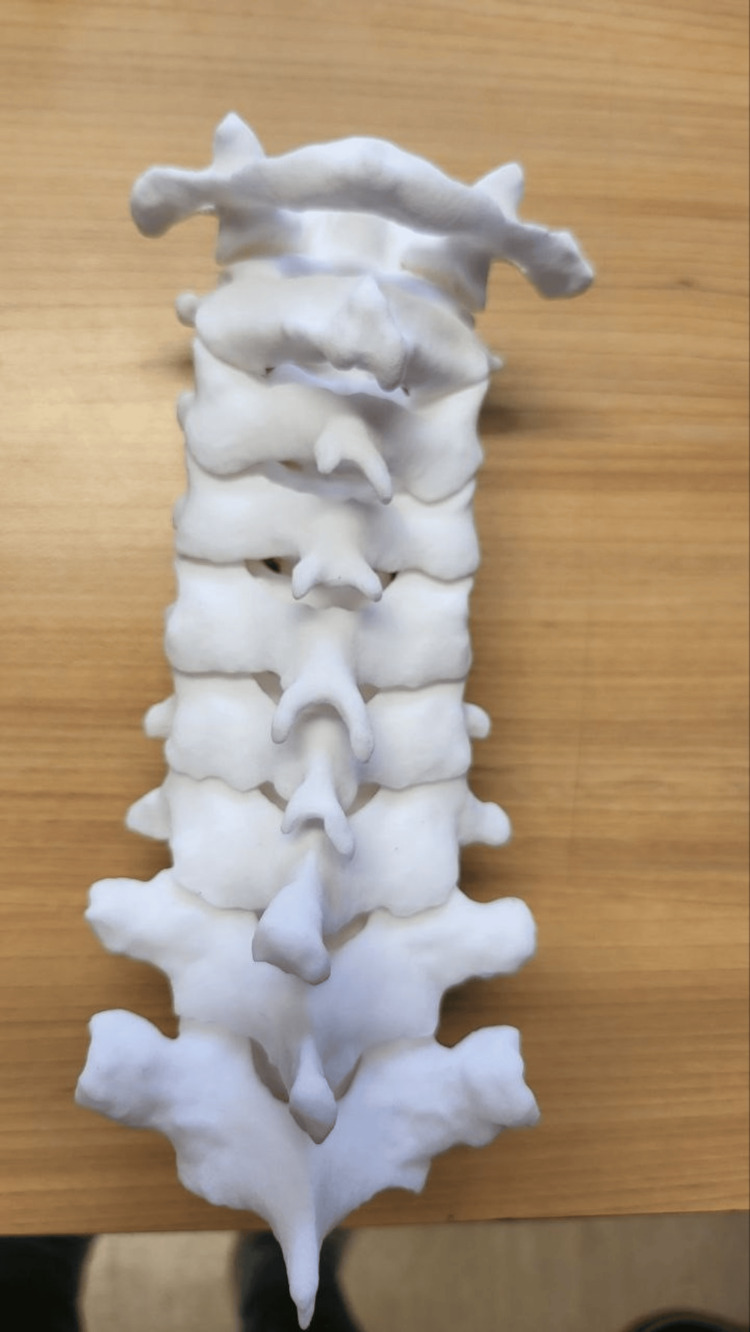 Figure 2
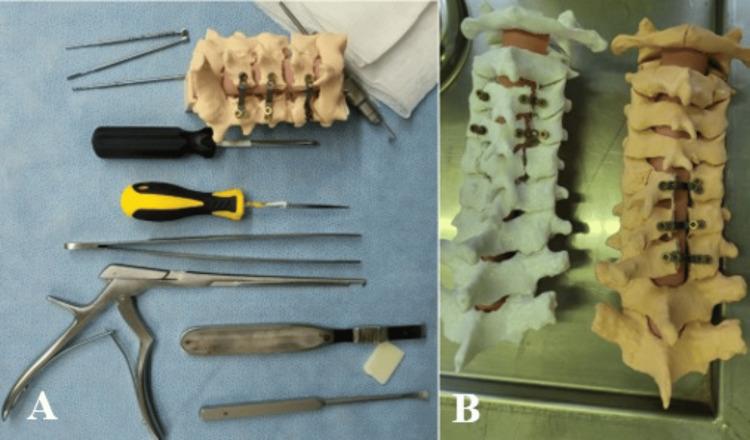 Figure 3
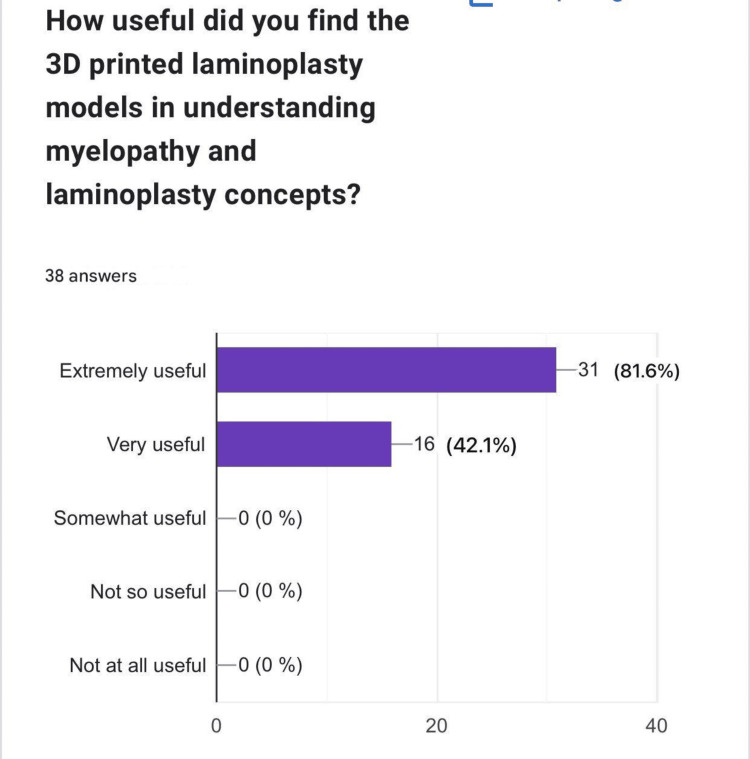 Figure 4
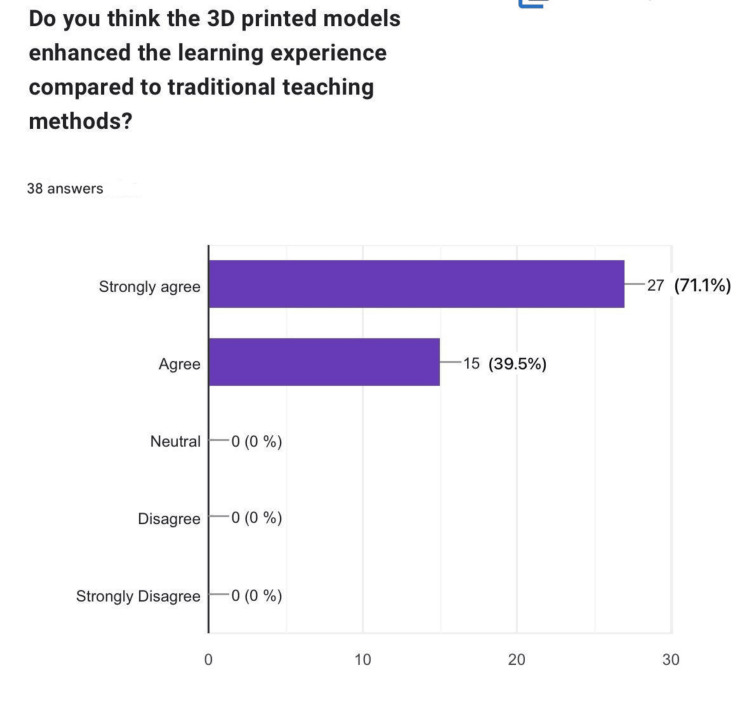 Figure 5
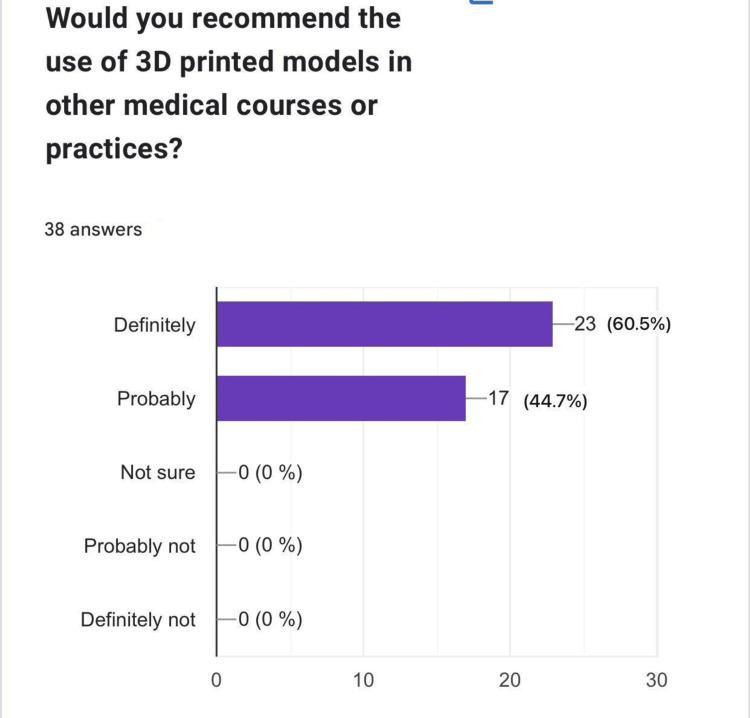 Figure 6
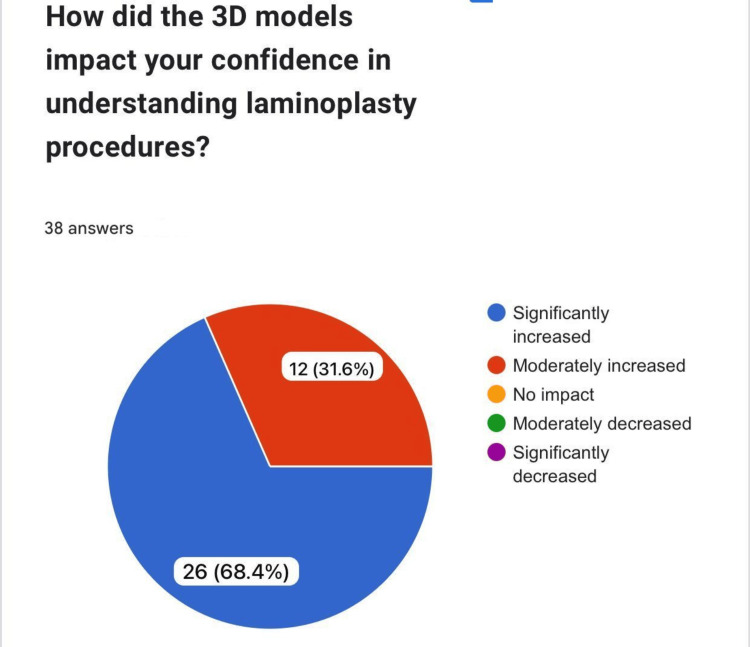 Figure 7
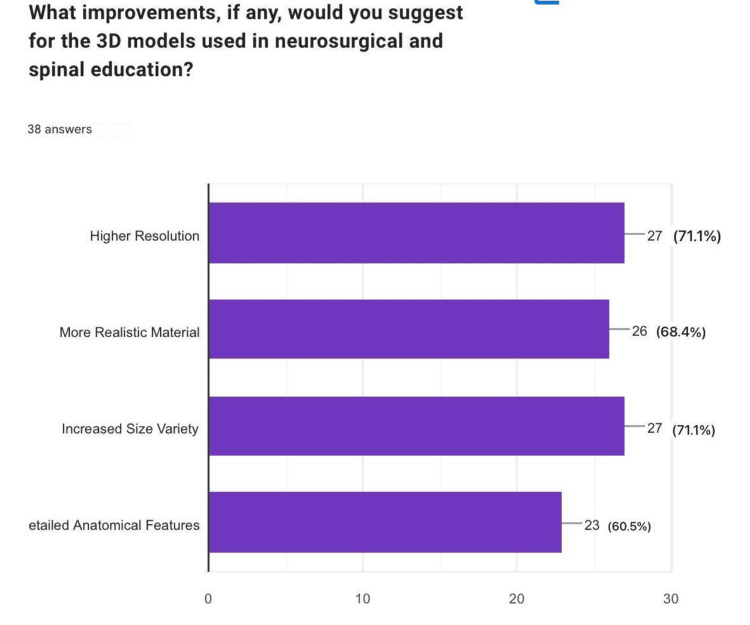 Figure 8
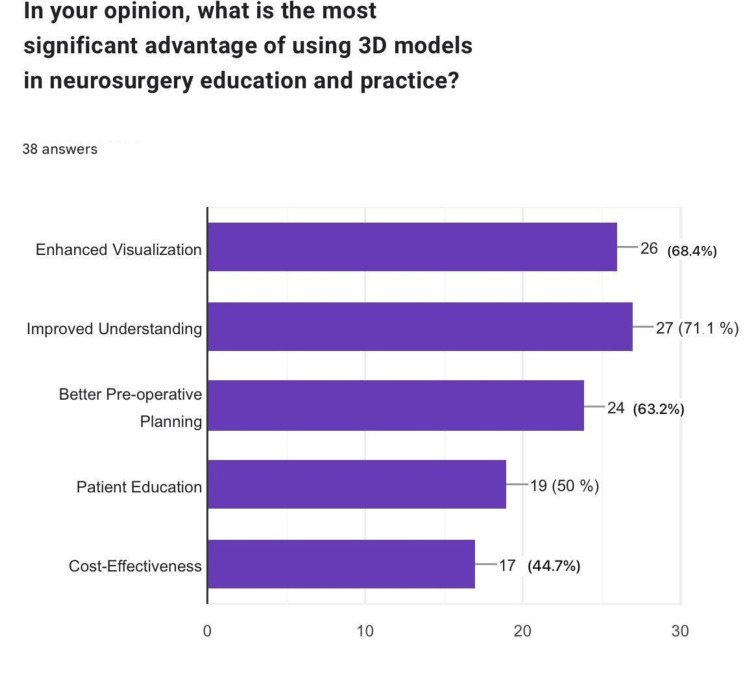 Figure 9
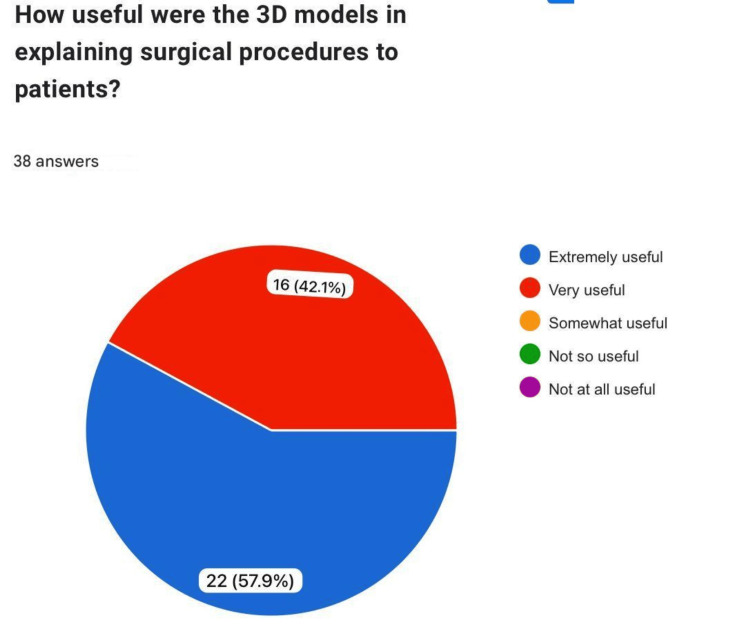 Figure 10
Peer Reviews
No public reviews on file for this paper yet. If you reviewed it on a platform where reviews are public (OpenReview, ICLR, NeurIPS, ICML), you can paste yours below so the community can read it here.
Videos
No videos yet. Explain this paper in a talk, walkthrough, or lecture? Add one.
Taxonomy
TopicsAnatomy and Medical Technology · Surgical Simulation and Training · Augmented Reality Applications