Dietary Flexibility of Calanoid Copepods in the Sub‐Arctic Atlantic: The Role of Protistan Microzooplankton
Elliott Price, Claire Mahaffey, Rowena Stern, Claudia Castellani, Rachel M. Jeffreys

TL;DR
This study shows that Calanus copepods in the Arctic can switch between different food sources, including protistan microzooplankton and phytoplankton, adapting to environmental changes.
Contribution
The study reveals the dietary flexibility of Calanus spp. by showing their reliance on protistan microzooplankton in addition to phytoplankton.
Findings
Calanus spp. rely on protistan microzooplankton, accounting for 1–2 trophic steps.
Trophic position based on glutamic acid indicates consistent herbivory in Calanus spp.
Dietary flexibility in Calanus spp. allows adaptation to changing food availability due to climate change.
Abstract
Zooplankton play a key role in marine food webs, transferring energy from the base of the food web to higher trophic levels. In the Arctic, warming is altering nutrient availability and primary productivity, which could alter zooplankton‐mediated transfer of energy through food webs. The Barents Sea Opening is warming rapidly, and has a strong influence on the Arctic as it is a prominent gateway for North Atlantic water advected into the polar region. Trophic position (TP) is an important metric because it identifies the location of an organism within a food web and therefore provides insight on food web functioning. Using nitrogen isotopes of amino acids in copepods, we investigated how the food web baseline and TP of the keystone Calanus species change in response to environmental gradients along the Barents Sea Opening in summer between 2010 and 2016. Spatial and interannual…
Genes, proteins, chemicals, diseases, species, mutations and cell lines named across the full text — each resolved to its canonical identifier and authoritative record.
Click any figure to enlarge with its caption.
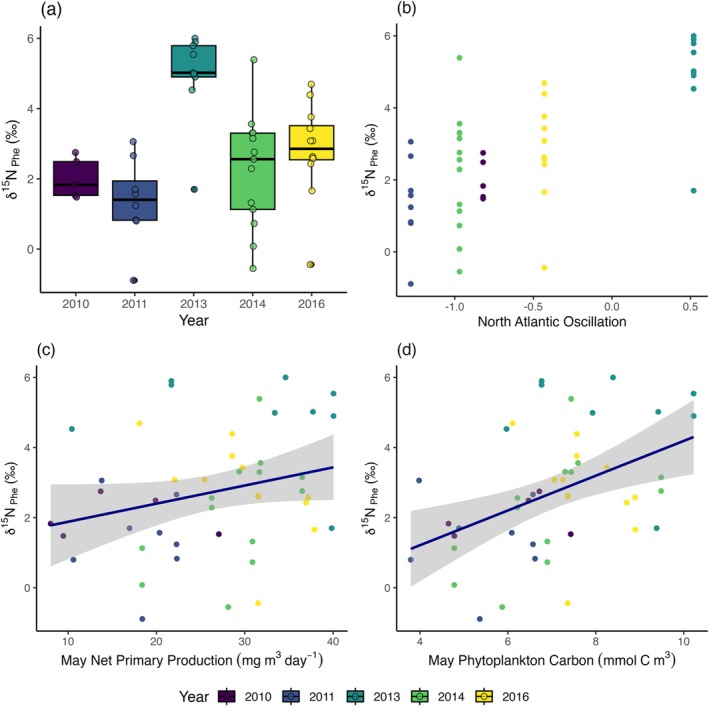 Figure 1
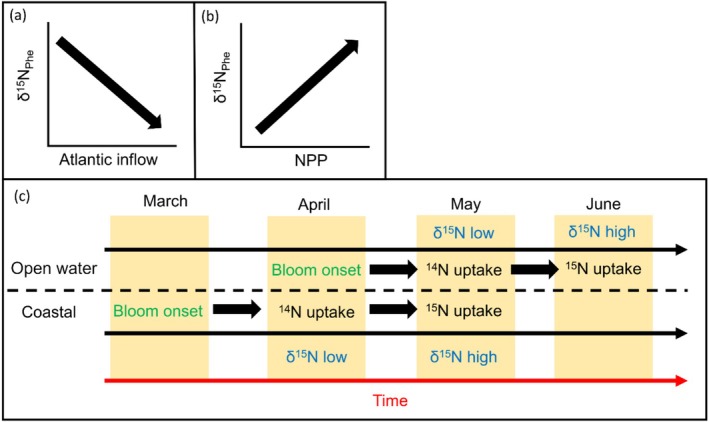 Figure 2
 Figure 3
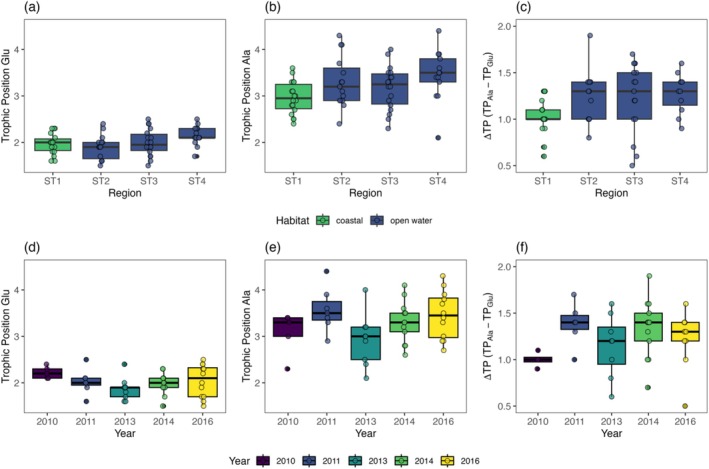 Figure 4
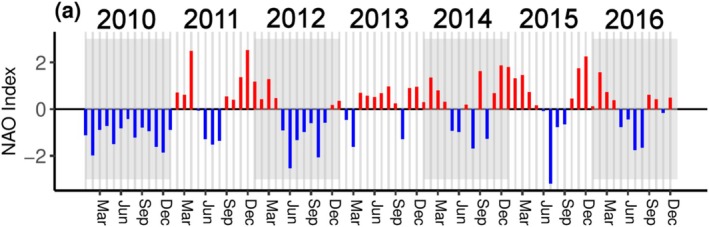 Figure 5
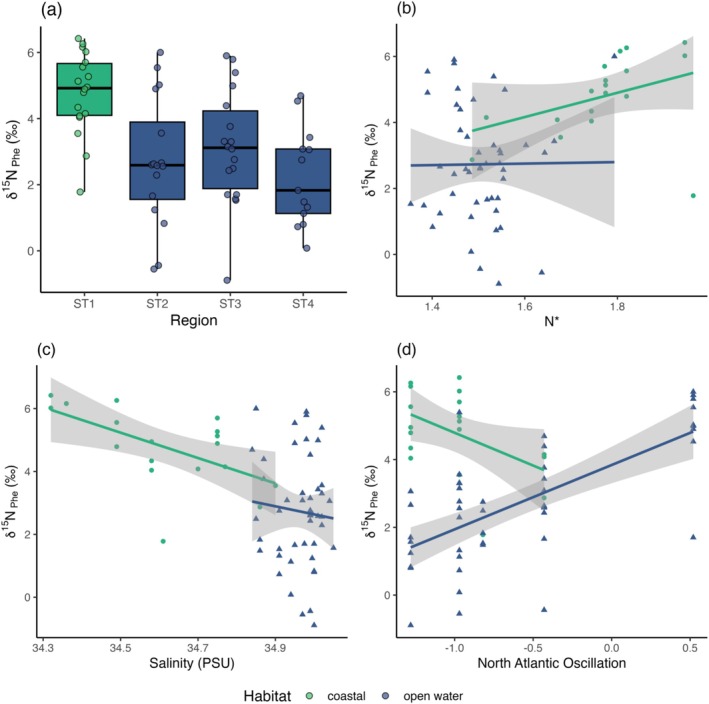 Figure 6
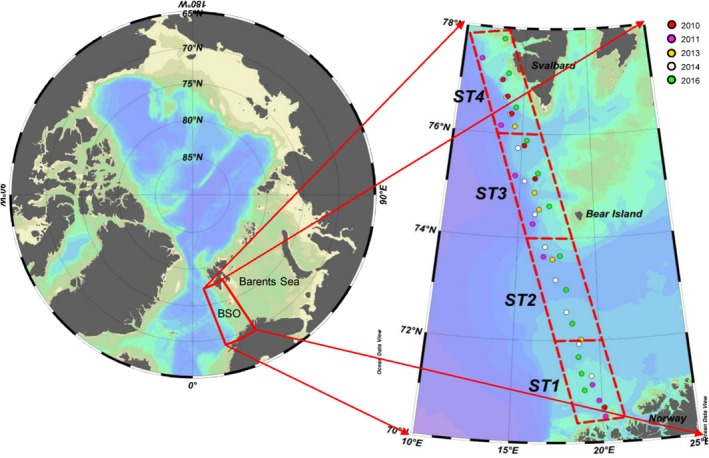 Figure 7
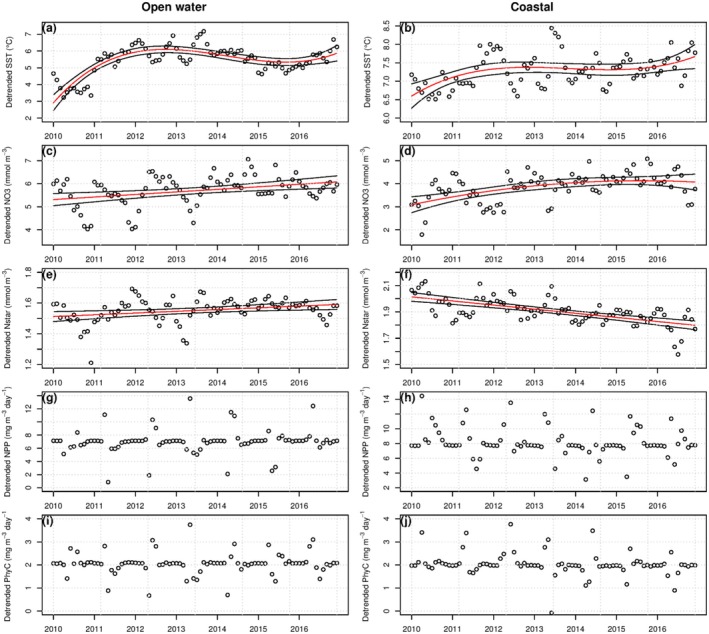 Figure 8
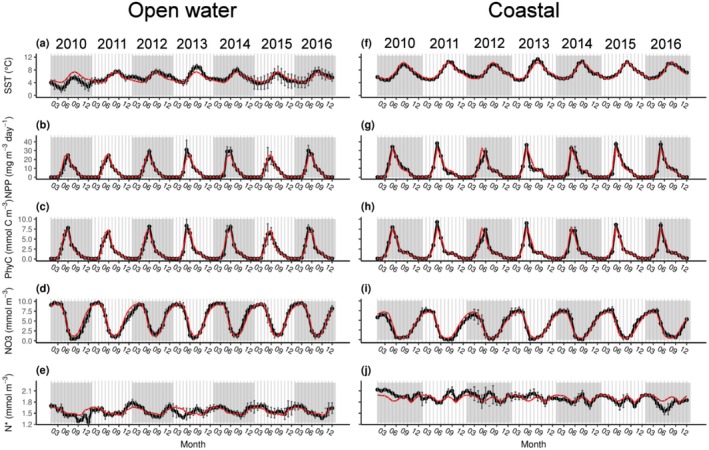 Figure 9
Peer Reviews
No public reviews on file for this paper yet. If you reviewed it on a platform where reviews are public (OpenReview, ICLR, NeurIPS, ICML), you can paste yours below so the community can read it here.
Videos
No videos yet. Explain this paper in a talk, walkthrough, or lecture? Add one.
Taxonomy
TopicsIsotope Analysis in Ecology · Marine and coastal ecosystems · Marine and fisheries research