Scapulothoracic Dissociation Following a Fall From Standing Height: A Rare and Atypical Presentation of Severe Shoulder Girdle Injury
Dimitrios Giotis, Christos Konstantinidis, Christos Koukos, Dimitrios Vardakas, Sotiris Plakoutsis

TL;DR
This paper presents a rare case of scapulothoracic dissociation in an elderly man caused by a minor fall, emphasizing the need for early diagnosis in atypical presentations.
Contribution
The paper reports a rare case of SD caused by low-energy trauma in an elderly patient, expanding clinical awareness of atypical injury mechanisms.
Findings
SD occurred in a 93-year-old male after a fall from standing height, not high-energy trauma.
The patient showed significant neurological improvement and regained shoulder function within five months.
CT scans confirmed the injury without major vascular complications, guiding conservative treatment.
Abstract
Scapulothoracic dissociation (SD) is a rare and severe injury, typically associated with high-energy trauma. It is characterized by scapular displacement, often leading to neurovascular compromise. SD resulting from low-energy mechanisms, such as a fall from standing height, is exceptionally rare. We present the case of a 93-year-old male who sustained SD after a fall from standing height. He was hemodynamically unstable upon arrival, with progressive neurological deficits in the right upper limb. Computed tomography (CT) revealed an isolated right scapular glenoid fracture with lateral scapular displacement and a large hematoma, while CT angiography ruled out major vascular injury. Conservative management included hemodynamic stabilization and immobilization with a Velpeau-type splint. One month post-injury, neurological function in the affected upper extremity had significantly…
Genes, proteins, chemicals, diseases, species, mutations and cell lines named across the full text — each resolved to its canonical identifier and authoritative record.
Click any figure to enlarge with its caption.
 Figure 1
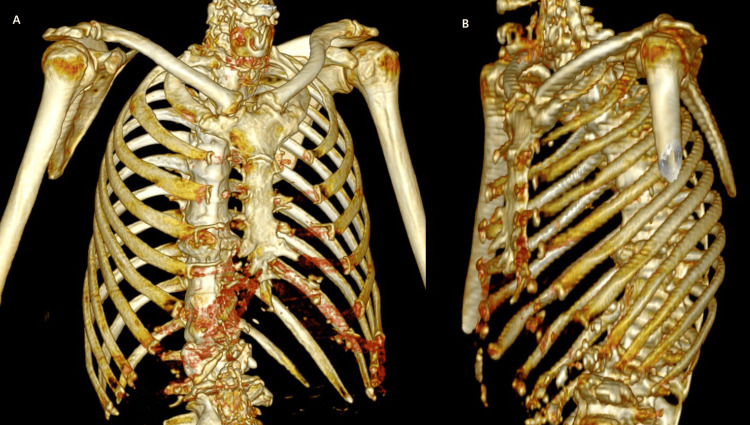 Figure 2
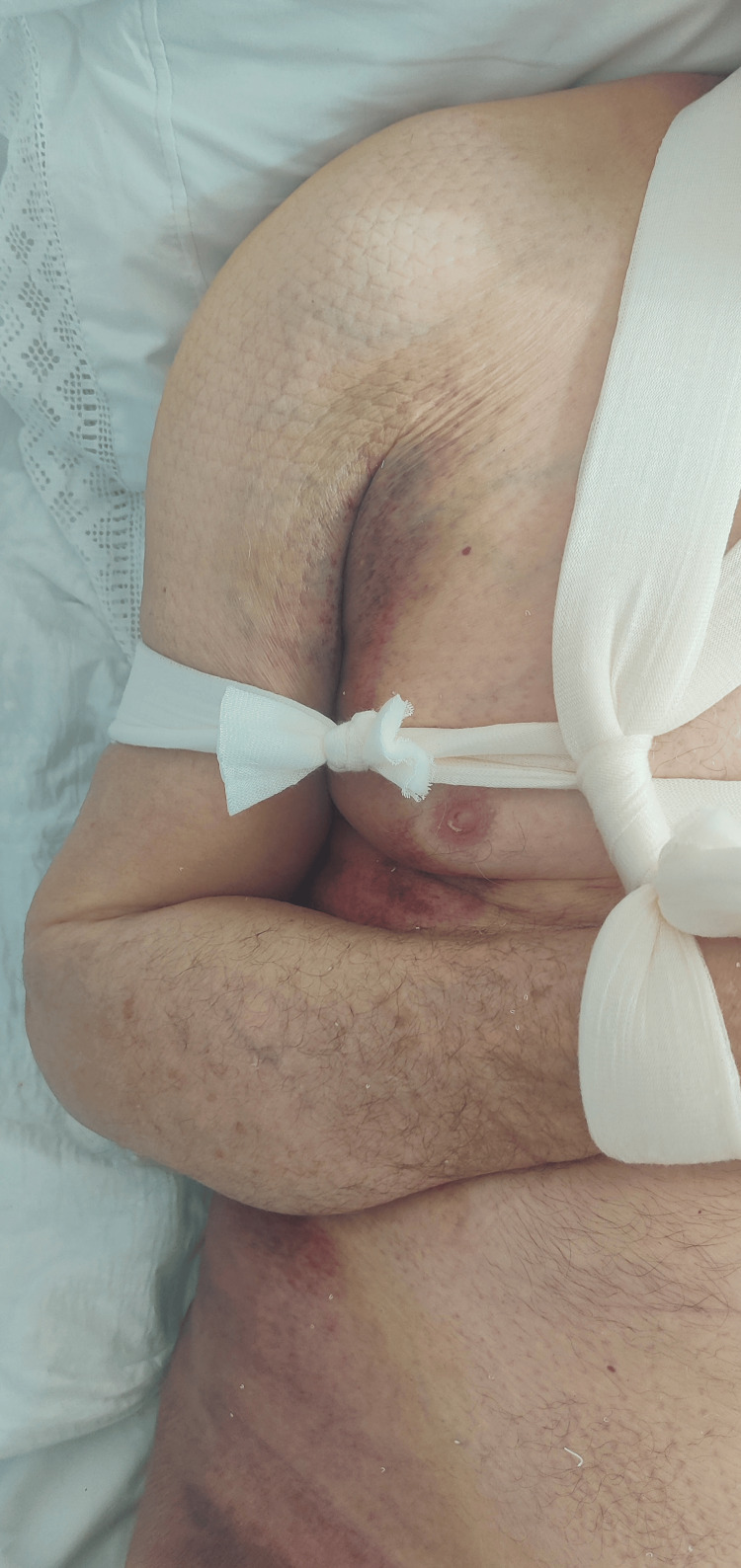 Figure 3
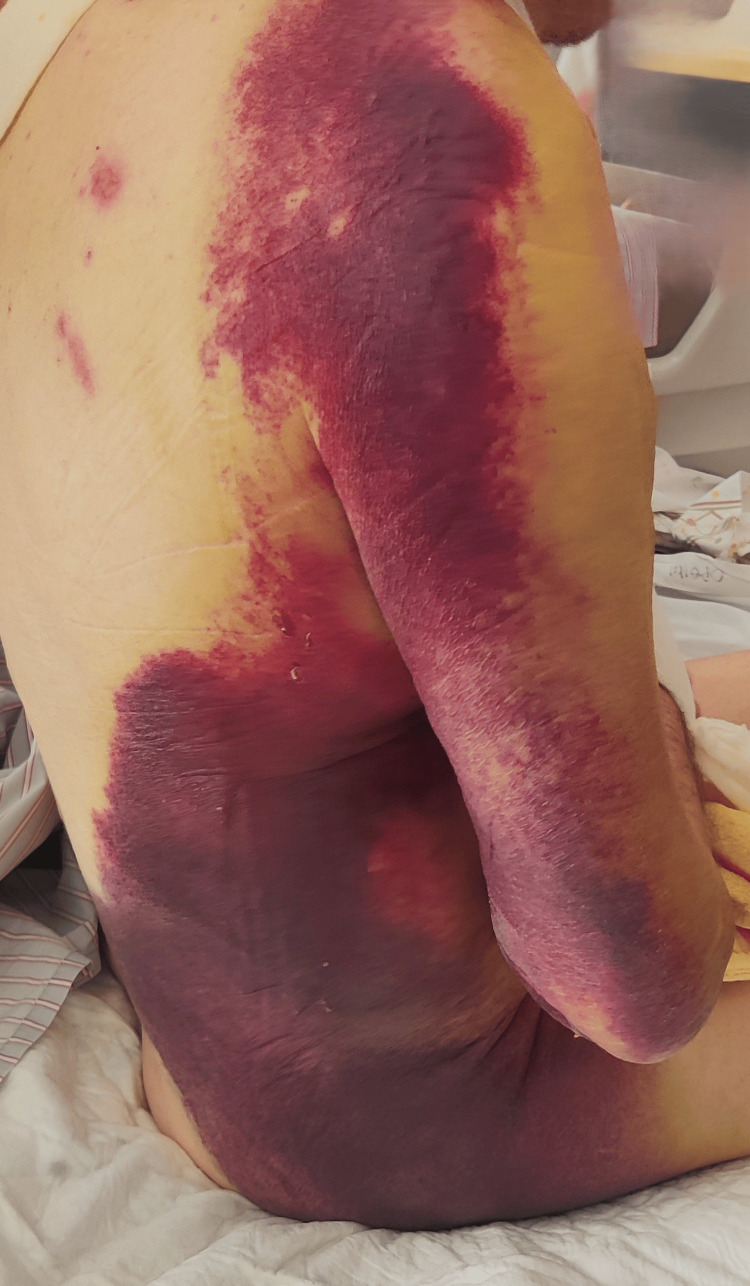 Figure 4
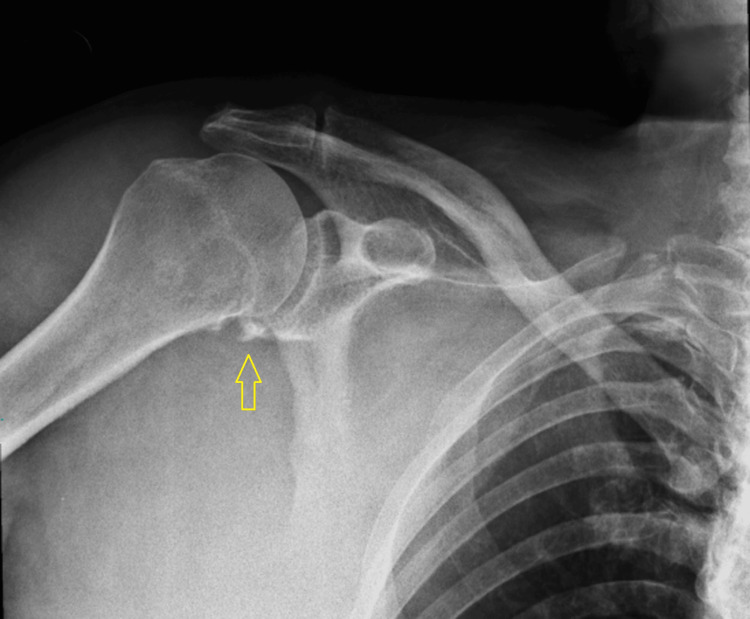 Figure 5
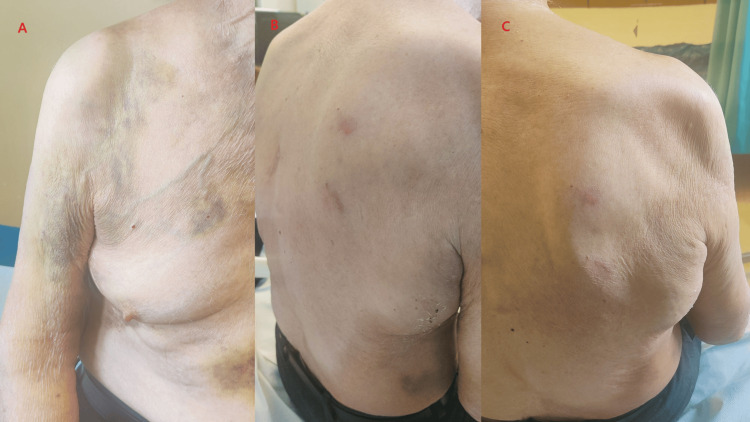 Figure 6
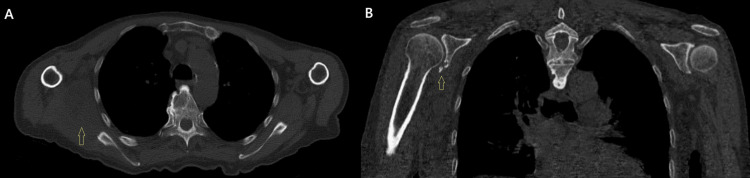 Figure 7
Peer Reviews
No public reviews on file for this paper yet. If you reviewed it on a platform where reviews are public (OpenReview, ICLR, NeurIPS, ICML), you can paste yours below so the community can read it here.
Videos
No videos yet. Explain this paper in a talk, walkthrough, or lecture? Add one.
Taxonomy
TopicsShoulder and Clavicle Injuries · Nerve Injury and Rehabilitation · Cardiovascular Issues in Pregnancy