The Interplay Between Hypocalcemia and Atrioventricular Nodal Blocking Agents in Inducing a Bradycardia, Renal Failure, Atrioventricular Nodal Blockade, Shock, and Hyperkalemia (BRASH)-Like Phenomenon With Serial Serum Drug Concentrations
Fumiya Inoue, Yuji Okazaki, Toshihisa Ichiba, Takuyo Chiba, Akira Namera

TL;DR
A case study shows how hypocalcemia combined with heart-blocking drugs can cause a syndrome similar to BRASH, involving heart and kidney issues.
Contribution
Demonstrates hypocalcemia as a novel trigger for a BRASH-like phenomenon alongside AV nodal-blocking agents.
Findings
Hypocalcemia combined with AV nodal-blocking agents can induce a BRASH-like syndrome.
Serial drug concentrations showed synergistic effects between hypocalcemia and these medications.
Electrolyte supplementation and supportive care resolved the condition in the reported case.
Abstract
Renal failure is often associated with bradycardia, atrioventricular (AV) blockade, shock, and hyperkalemia, and this syndrome is known as Bradycardia, Renal Failure, AV nodal blockade, Shock, and Hyperkalemia (BRASH), which is caused by synergistic interactions between AV nodal blocking agents and hyperkalemia. However, the role of serum concentrations of AV nodal-blocking agents in this syndrome remains unclear. Furthermore, hypocalcemia, although not traditionally associated with BRASH syndrome, may have similar hemodynamic effects, such as shock and bradycardia, when combined with AV nodal-blocking agents. We report a BRASH-like phenomenon triggered by hypocalcemia and AV nodal-blocking agents. A 69-year-old male patient with hypertension and diabetes mellitus presented five days after the onset of watery diarrhea. On presentation, his heart rate was 48 beats per minute with atrial…
Genes, proteins, chemicals, diseases, species, mutations and cell lines named across the full text — each resolved to its canonical identifier and authoritative record.
Click any figure to enlarge with its caption.
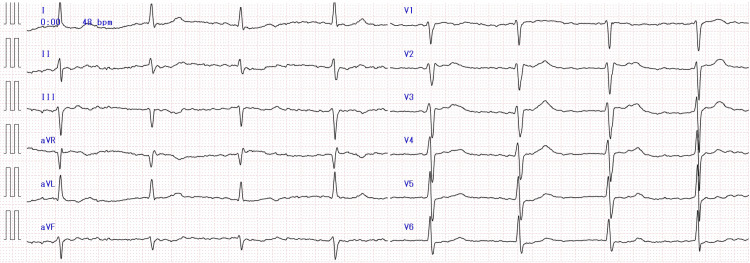 Figure 1
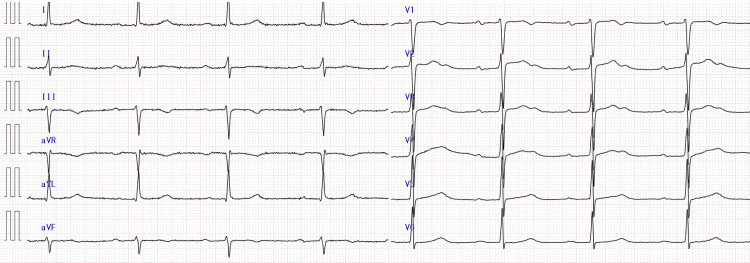 Figure 2
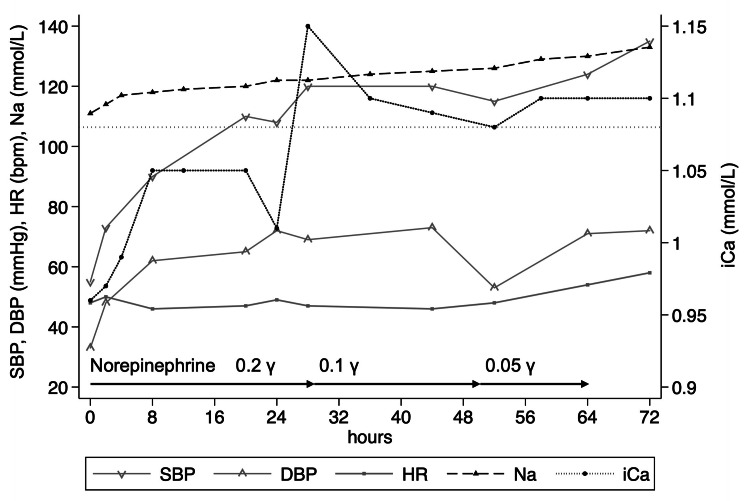 Figure 3
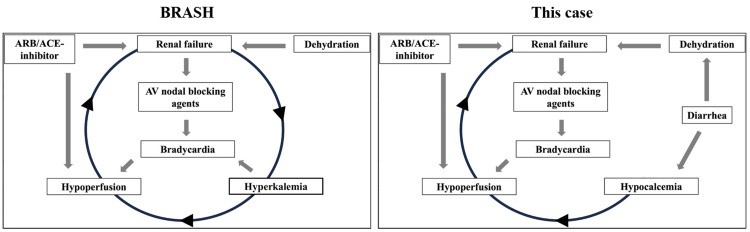 Figure 4
Peer Reviews
No public reviews on file for this paper yet. If you reviewed it on a platform where reviews are public (OpenReview, ICLR, NeurIPS, ICML), you can paste yours below so the community can read it here.
Videos
No videos yet. Explain this paper in a talk, walkthrough, or lecture? Add one.
Taxonomy
TopicsPotassium and Related Disorders · Cardiac electrophysiology and arrhythmias · Renal function and acid-base balance