Impact of perinatal hypertonic NaCl access on adult offspring’s sodium intake and angiotensin and vasopressin systems under hypertension model
Cintia Y Porcari, Cristina A Lencina, José L Amigone, José Antunes-Rodrigues, Ximena E Caeiro, Andrea Godino

TL;DR
Early exposure to high sodium in rats affects adult blood pressure regulation and sodium intake, altering brain and kidney responses linked to hypertension.
Contribution
The study reveals long-term effects of perinatal sodium access on angiotensin and vasopressin systems in hypertension models.
Findings
Perinatal sodium access increases adult sodium intake and alters angiotensin receptor gene expression in key brain regions.
DOCA-salt treatment induces distinct renal gene expression responses in programmed rats compared to controls.
Early sodium exposure modifies regulatory mechanisms linked to chronic diseases like hypertension.
Abstract
Perinatal natriophilia has programming effects on blood pressure control, inducing anatomical and molecular changes in the kidney and brain that impair blood pressure reestablishment after a pressor challenge, such as an osmotic stimulation. However, the imprinted effect of voluntary sodium consumption during this period on the development of hypertension is unclear. To evaluate this, we studied the effect of deoxycorticosterone acetate and high-salt diet (DOCA-salt) treatment on blood pressure and sodium intake responses, and gene expression in the kidney and brain in adult offspring exposed to voluntary hypertonic sodium consumption during the perinatal period (PM-NaCl group). Male PM-NaCl rats consumed more sodium than controls (PM-Ctrol group) during DOCA treatment. However, the hypertension induced did not differ between the PM-NaCl and PM-Ctrol groups. This behavioral change was…
Genes, proteins, chemicals, diseases, species, mutations and cell lines named across the full text — each resolved to its canonical identifier and authoritative record.
Click any figure to enlarge with its caption.
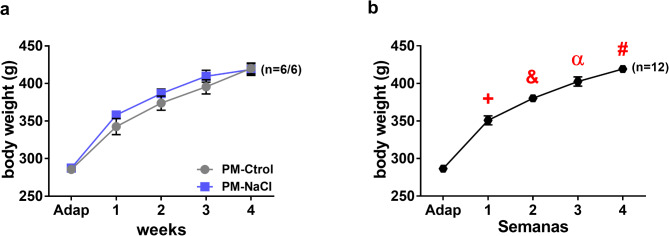 Figure 1
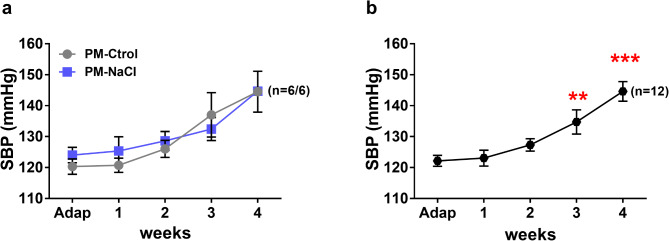 Figure 2
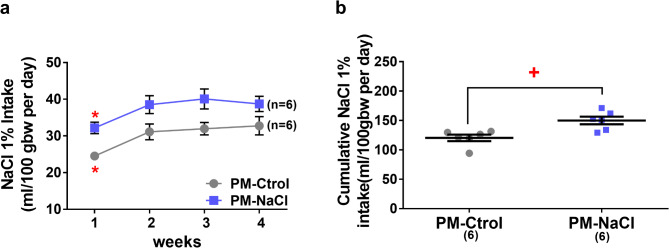 Figure 3
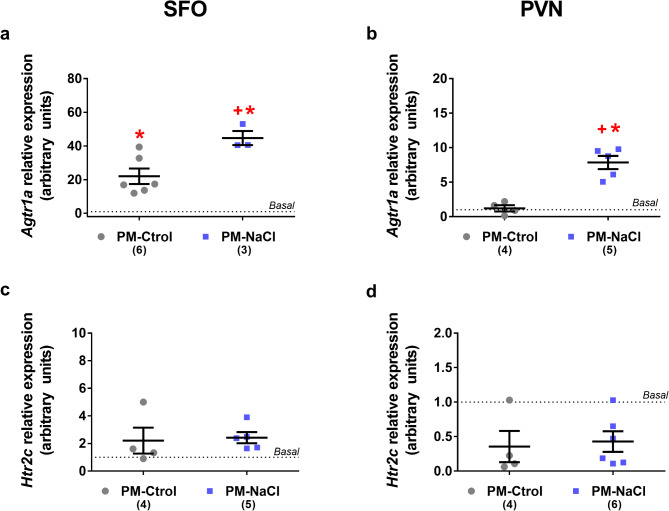 Figure 4
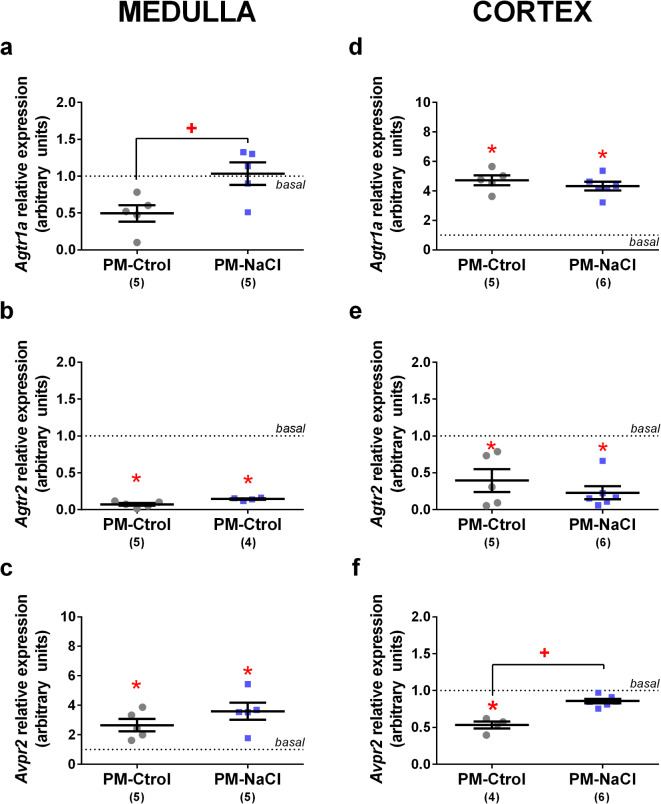 Figure 5
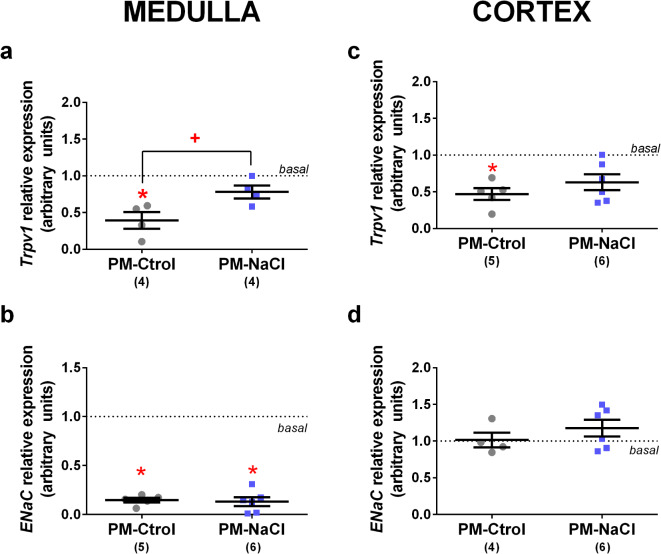 Figure 6
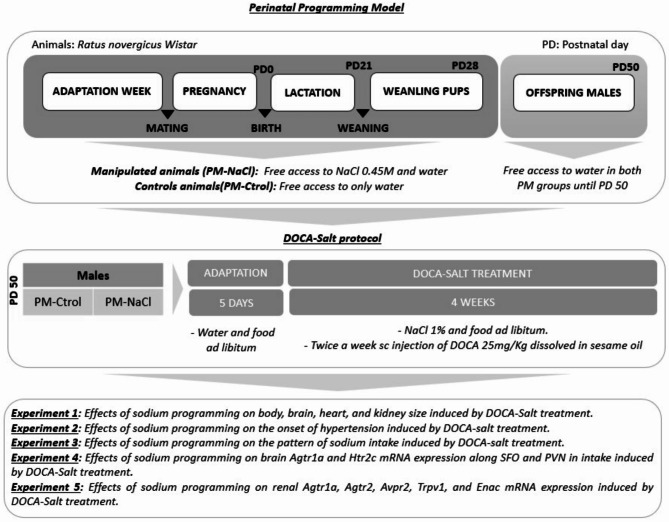 Figure 7
Peer Reviews
No public reviews on file for this paper yet. If you reviewed it on a platform where reviews are public (OpenReview, ICLR, NeurIPS, ICML), you can paste yours below so the community can read it here.
Videos
No videos yet. Explain this paper in a talk, walkthrough, or lecture? Add one.
Taxonomy
TopicsBirth, Development, and Health · Neuroendocrine regulation and behavior · Renin-Angiotensin System Studies