Periodontitis and the Risk of Heart Failure:a Meta-analysis and Mendelian Randomisation Study
Yujia Chen, Rui Rao, Xiaozheng Wu, Zhong Qin, Yunzhi Chen, Qian Li, Wen Li

TL;DR
This study finds a higher risk of heart failure in people with periodontitis, but no causal link is confirmed using genetic data.
Contribution
The study combines meta-analysis and Mendelian randomisation to assess the relationship between periodontitis and heart failure.
Findings
Periodontitis is associated with a 62% increased risk of heart failure.
No causal link between periodontitis and heart failure was found in Mendelian randomisation analyses.
Abstract
Periodontitis and heart failure (HF) impact millions of individuals globally with heavy social and economic burden. Prior research has indicated a connection between them. However, the conclusions have been somewhat inconsistent. Our objective is to confirm, through meta-analysis and Mendelian randomisation studies, whether patients with periodontitis have an increased risk of HF. Therefore, we conducted a comprehensive analysis to explore the causal association between periodontitis and the risk of HF. In this meta-analysis, we searched online to identify studies involving periodontitis on the risk of HF. The main endpoint assessed in this study was the risk of HF. We used R language to calculate the pooled results and create plots. A random-effects model was employed in the analyses. In the Mendelian randomisation (MR) analyses, we obtained data from public databases. MR analyses…
Genes, proteins, chemicals, diseases, species, mutations and cell lines named across the full text — each resolved to its canonical identifier and authoritative record.
Click any figure to enlarge with its caption.
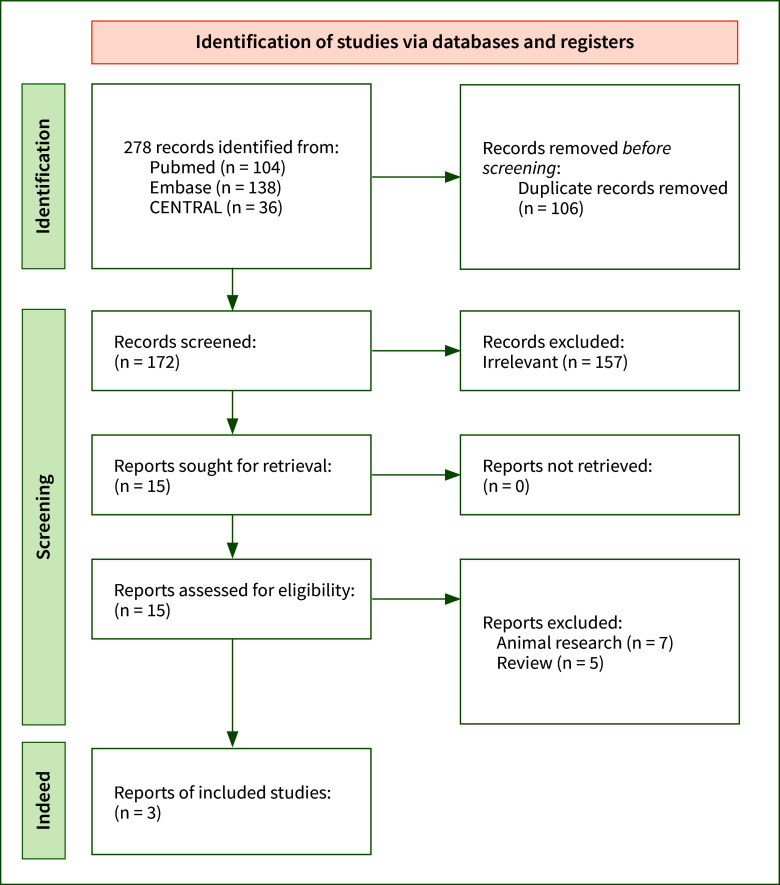 Fig 1
Fig 1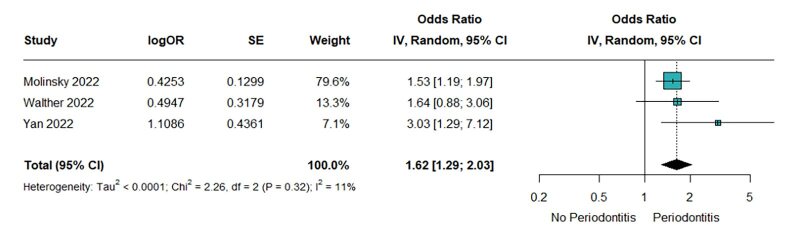 Fig 2
Fig 2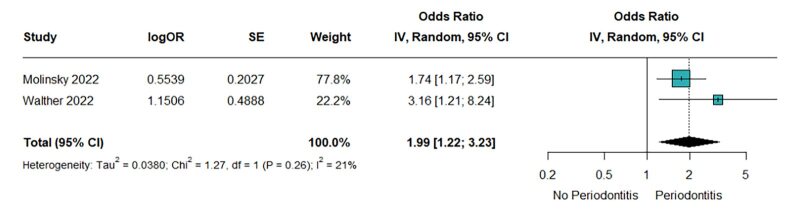 Fig 3
Fig 3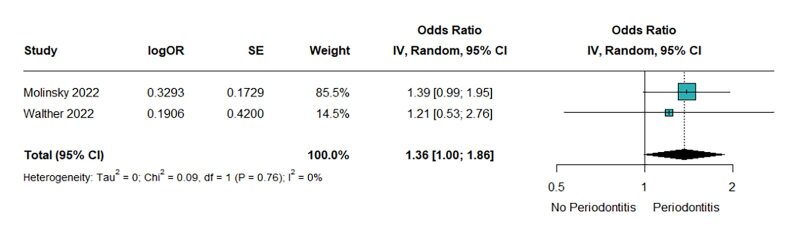 Fig 4
Fig 4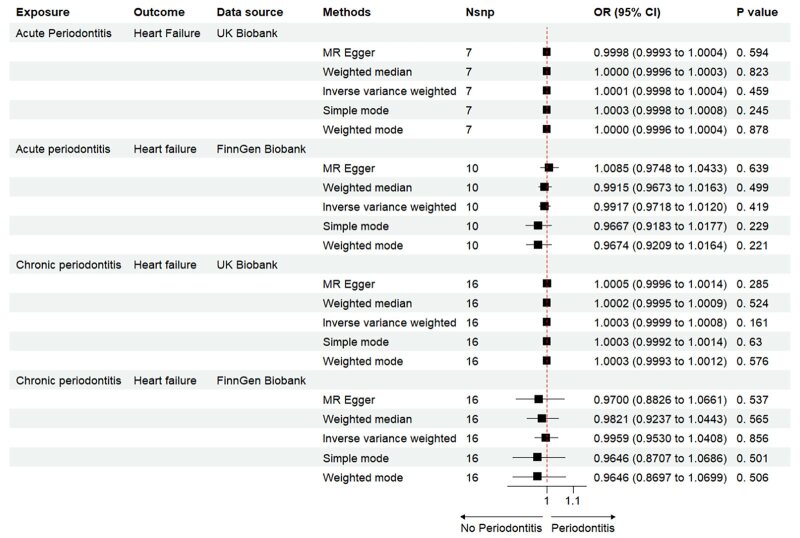 Fig 5
Fig 5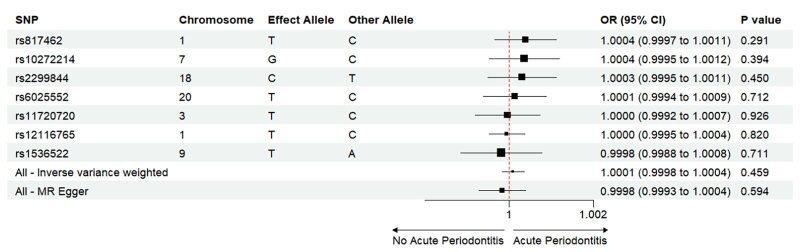 Fig 6
Fig 6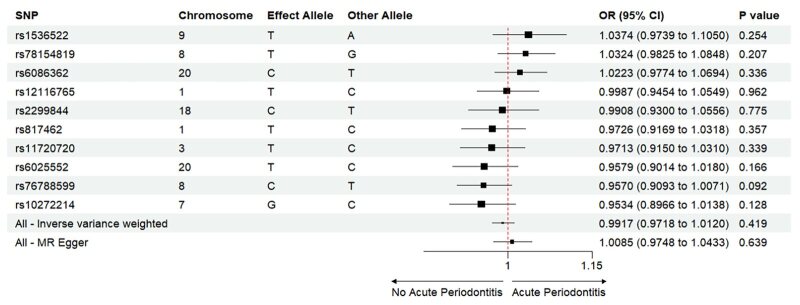 Fig 7
Fig 7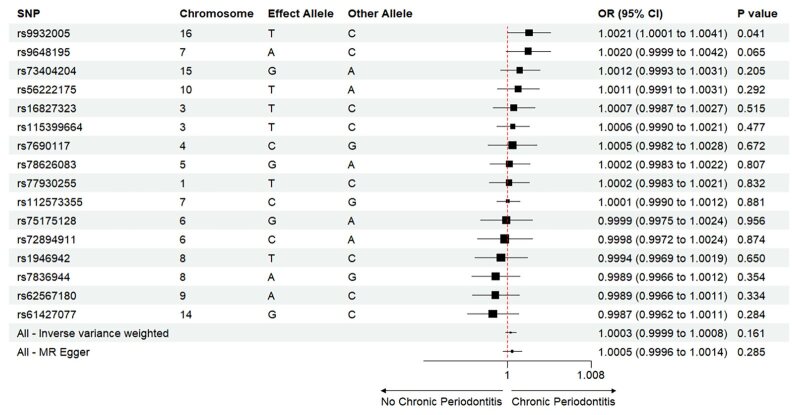 Fig 8
Fig 8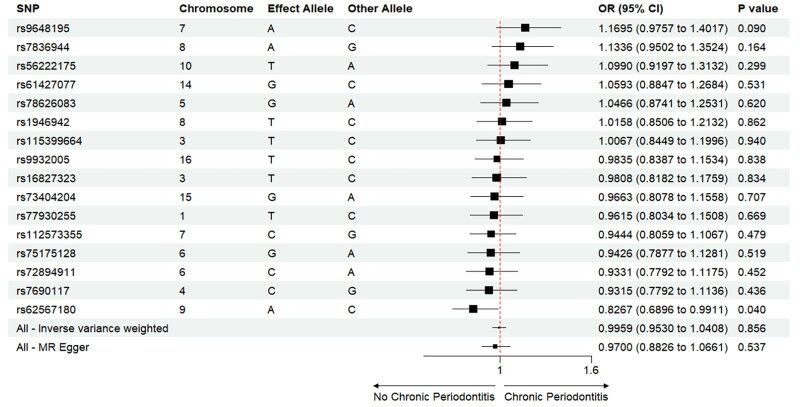 Fig 9
Fig 9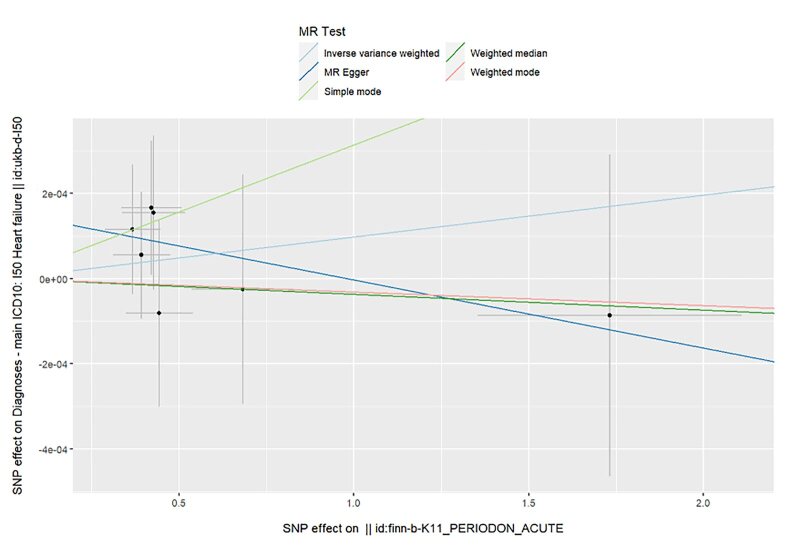 Fig 10
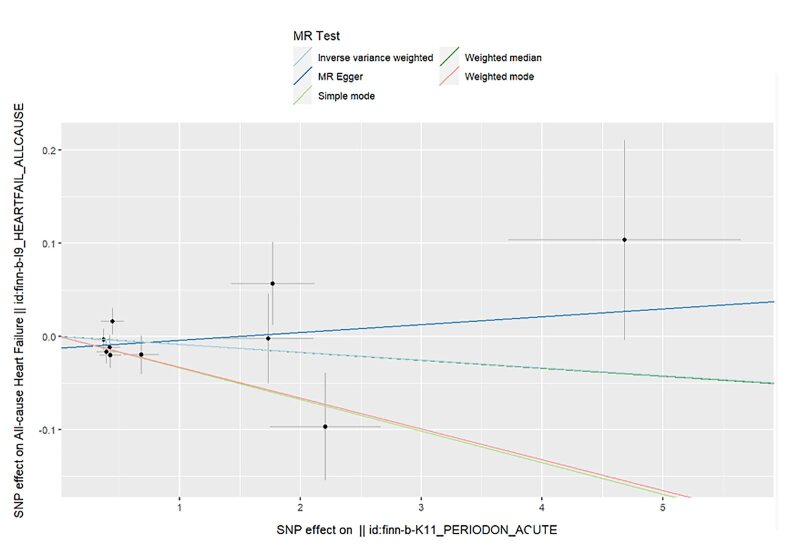 Fig 11
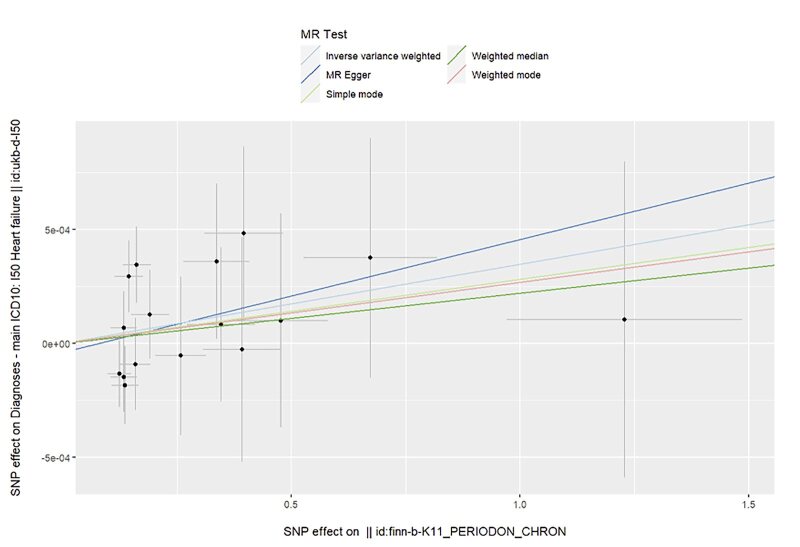 Fig 12
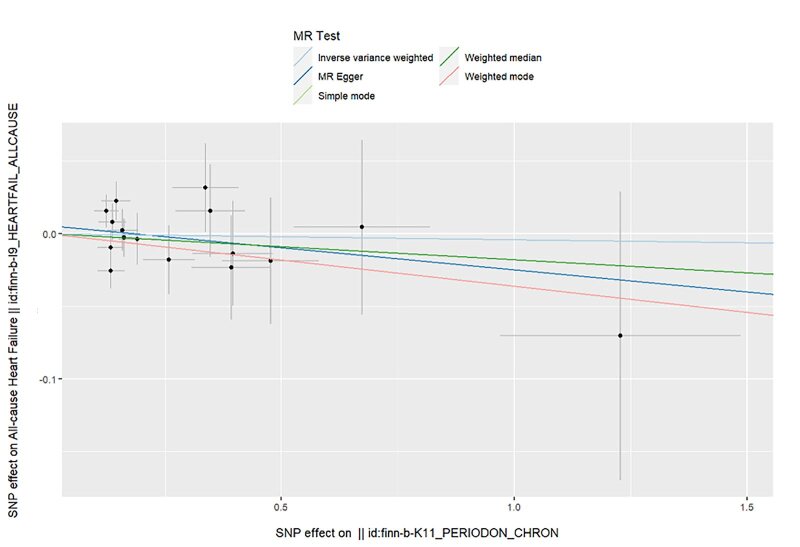 Fig 13
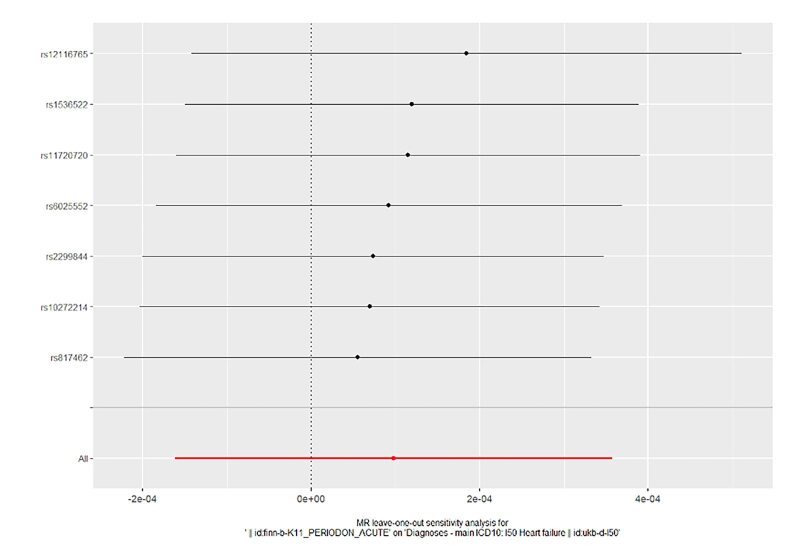 Fig 14
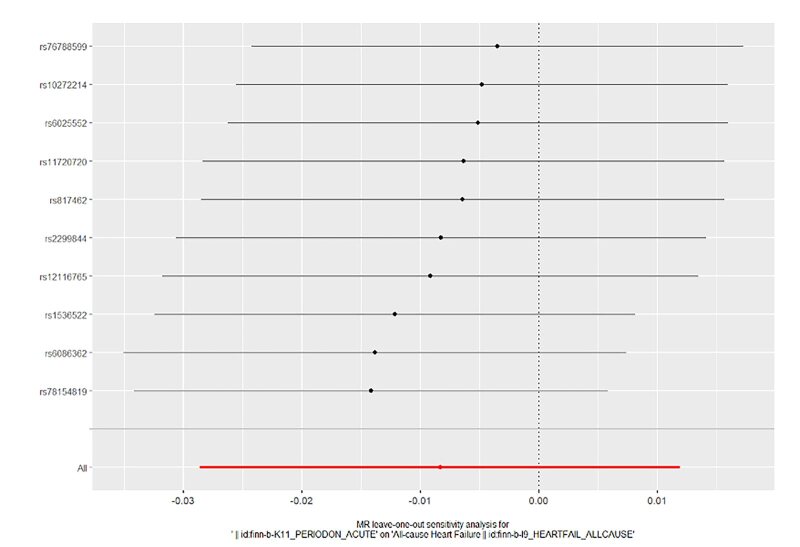 Fig 15
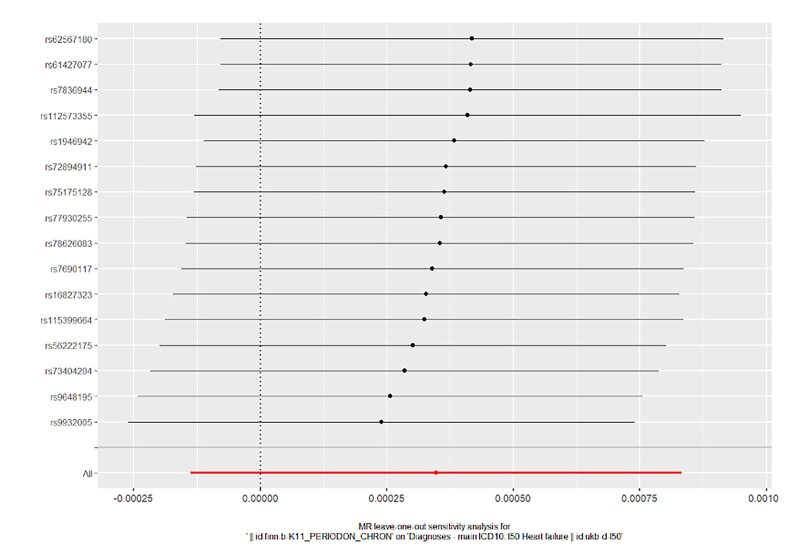 Fig 16
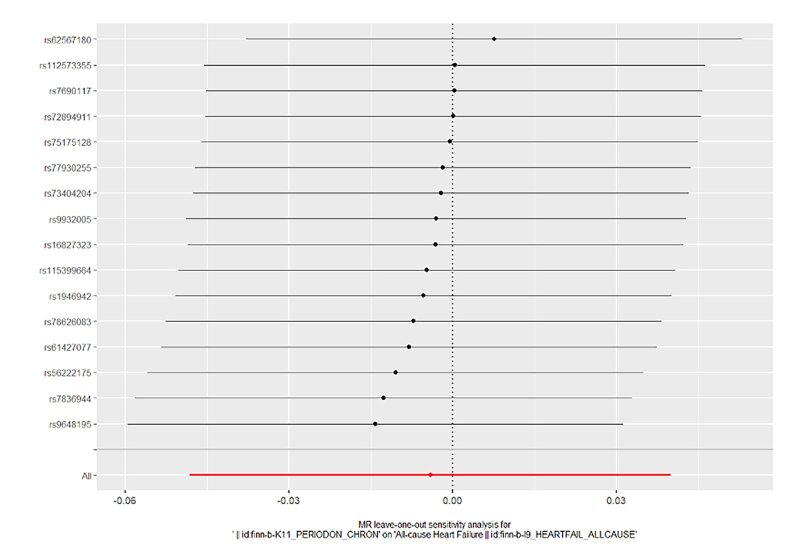 Fig 17
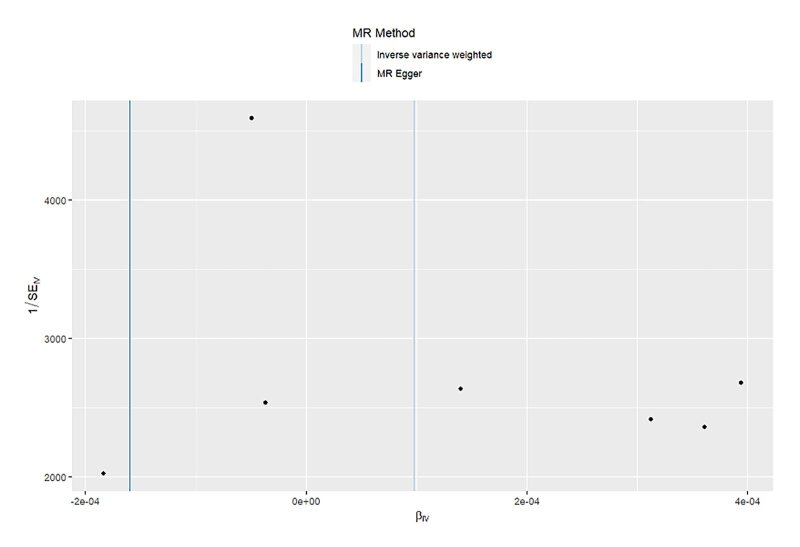 Fig 18
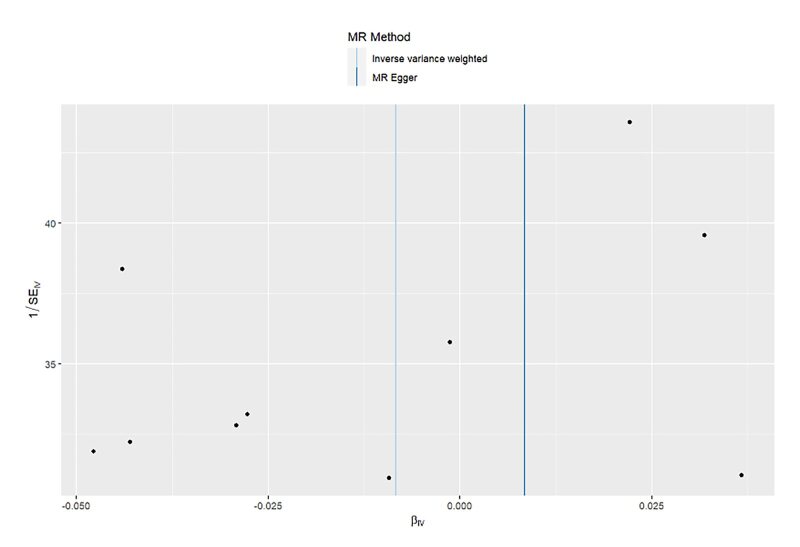 Fig S19
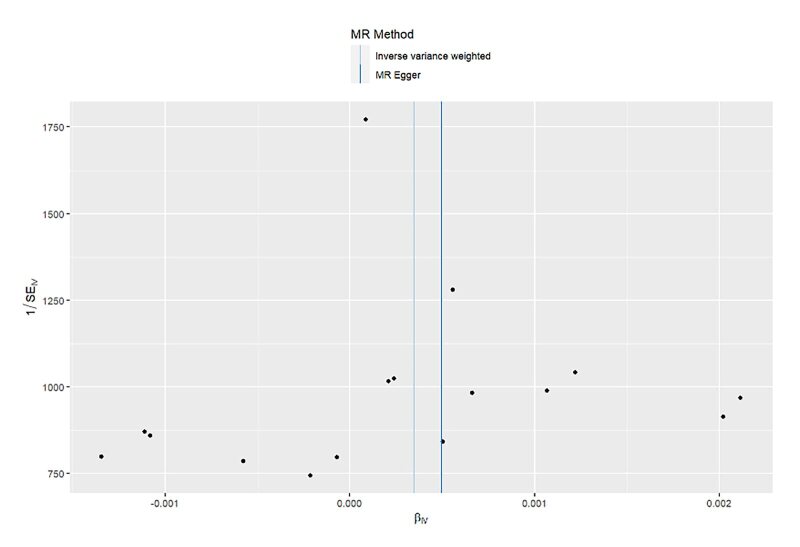 Fig S20
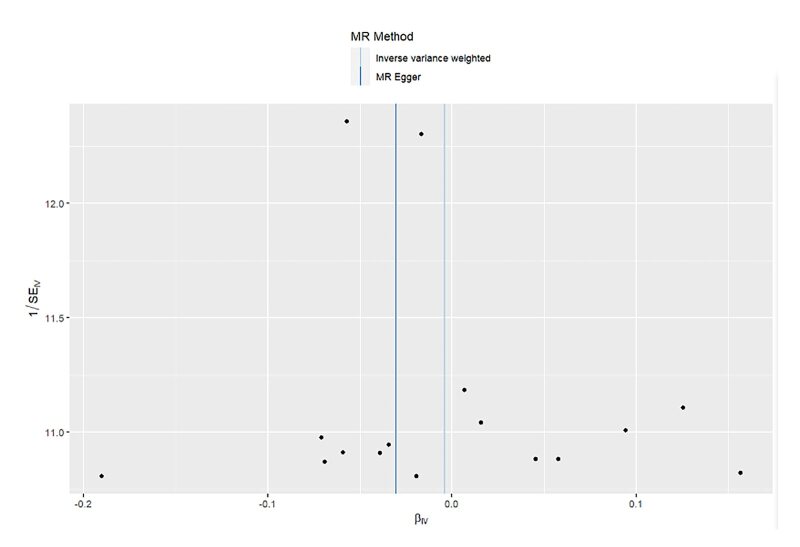 Fig S21
|
Trait |
ID on open GWAS project |
Data source |
Year |
Population |
Gender |
n case |
n control |
|
| |||||||
|
Acute periodontitis |
finn-b-K11_PERIODON_ACUTE |
FinnGen |
2021 |
European |
Males and Females |
367 |
195,395 |
|
Chronic periodontitis |
finn-b-K11_PERIODON_CHRON |
FinnGen |
2021 |
European |
Males and Females |
3,046 |
195,395 |
|
| |||||||
|
Heart failure |
ukb-d-I50 |
UK Biobank |
2018 |
European |
Males and Females |
1,088 |
360,106 |
|
Heart failure |
finn-b-I9_HEARTFAIL_ALLCAUSE |
FinnGen |
2021 |
European |
Males and Females |
23,397 |
194,811 |
|
P: Periodontitis; NP: Non-periodontitis* Variables are presented as median and interquartile range | ||||||||
|
First author |
(Year) Region |
Design |
Number of P/NP |
Age P/NP |
Gender F (M) P/NP |
Inclusion and exclusion criteria |
Outcomes |
Statisticalmethods |
|
Molinsky (2022) |
USA |
Prospective cohort |
4,420/ 1746 |
63.0 (6.0)/ 62.0 (5.0) |
2,166 (2,254)/ 1,152 (594) |
Inclusion: 1. All participants who completed the fourth clinic visit. Exclusion: 1. Missing information on periodontal status, HF status, important covariables, or self-reported race. |
Adjusted HRs of HF, HFrEF and HFpEF |
Cox proportional hazards model |
|
Yan (2022) |
USA |
Prospective cohort |
2,596/ 10,606 |
56.90 (16.07)/ 39.62 (16.40) |
1,015 (1,581)/ 5,953 (4,653) |
Inclusion: 1. People older than 18 years with clinical dental examination information. Exclusion: 1. Individuals who did not have complete information about periodontal assessments and heart failure. |
Adjusted OR of HF |
Logistic regression models |
|
Walther (2022) |
Germany |
Prospective cohort |
1,176/ 1,453 |
*66.00 [59.00, 71.00]/ 59.00 [52.00, 66.00] |
460 (716)/ 878 (575) |
Inclusion: 1. All participants underwent a comprehensive oral examination and transthoracic echocardiography. Exclusion: 1. Missing full periodontal examination. |
Adjusted ORs of HF, HFrEF and HFpEF |
Logistic regression models |
|
Selection |
Comparability |
Outcome | ||||||
|
1) Representativeness of the exposed cohort |
2) Selection of the non-exposed cohort |
3) Ascertainment of exposure |
4) Demonstration that outcome of interest was not present at start of study |
1) Comparability of cohorts on the basis of the design or analysis |
1) Assessment of outcome |
2) Was follow-up long enough for outcomes to occur |
3) Adequacy of follow-up of cohorts | |
|
Molinsky (2022) |
1 |
1 |
1 |
1 |
1 |
1 |
1 |
1 |
|
Yan (2022) |
1 |
1 |
1 |
1 |
1 |
1 |
1 |
1 |
|
Walther (2022) |
1 |
1 |
1 |
1 |
1 |
1 |
1 |
1 |
|
Q |
Q_df |
|
Egger Intercept |
se |
| ||||
|---|---|---|---|---|---|---|---|---|---|
|
Exposure |
Outcome |
Data source |
Method |
Heterogeneity test |
Pleiotropy test | ||||
|
Acute periodontitis |
HF |
UK biobank |
IVW |
2.196 |
6 |
0.901 |
0.00016 |
0.00015 |
0.346 |
|
Acute periodontitis |
HF |
FinGen |
IVW |
11.88588 |
9 |
0.220 |
–0.01245 |
0.01044 |
0.267 |
|
Chronic periodontitis |
HF |
UK biobank |
IVW |
12.75722 |
15 |
0.621 |
–0.00004 |
0.00010 |
0.695 |
|
Chronic periodontitis |
HF |
FinGen |
IVW |
13.25734 |
15 |
0.582 |
0.00576 |
0.00930 |
0.546 |
|
PMID |
Title |
Reason |
|
34757204 |
Effects of chronic |
Animal research |
|
32759964 |
Mzb1 protects against myocardial infarction injury in mice via modulating mitochondrial function and alleviating inflammation |
Animal research |
|
32210715 |
Connective tissue growth factor (CTGF) regulates the fusion of osteoclast precursors by inhibiting Bcl6 in periodontitis |
Animal research |
|
27604343 |
A periodontal pathogen |
Animal research |
|
27038230 |
Biochemical and histopathologic analysis of the effects of periodontitis on left ventricular heart tissues of rats |
Animal research |
|
30797445 |
Aortocavitary fistula secondary to vegetative endocarditis in a rabbit |
Animal research |
|
27859254 |
Influence of experimental periodontitis on cardiac oxidative stress in rats: a biochemical and histomorphometric study |
Animal research |
|
35686242 |
Periodontitis and cardiovascular disease: a literature review |
Review |
|
29903685 |
Periodontal disease, systemic inflammation and the risk of cardiovascular disease |
Review |
|
30951625 |
Oral consequences of obesity and metabolic syndrome in children and adolescents |
Review |
|
32489774 |
Periodontitis and Cardiovascular Diseases. Consensus Report |
Review |
|
7638766 |
Periodontal disease in adult insulin-dependent diabetics |
Review |
|
First author(Year) |
Region |
Design |
Medium follow-up time (years) |
Data of the primary and secondary outcomes |
Confounding factors |
|
Molinsky (2022) |
USA |
Prospective cohort |
13 |
Primary outcome: incidence of HF Secondary outcomes: incidence of the HF subtypes |
Baseline age, gender, race/centre, education, insurance, cigarette status, physical activity, BMI, LDL, hypertension medication, CHD, diabetes, SBP |
|
Yan (2022) |
USA |
Prospective cohort |
Unknown |
Primary outcome: incidence of HF |
Gender, age, race, body mass index, poverty income ratio, education, marital status, smoking status, drinking status, hypertension, diabetes, stroke, and asthma |
|
Walther (2022) |
Germany |
Prospective cohort |
10.5 |
Primary outcome: incidence of HF Secondary outcomes: incidence of the HF subtypes |
Age, sex, body mass index, smoking, diabetes, hypertension, atrial fibrillation, and coronary artery disease |
|
DOI or Link |
Title |
|
https://doi.org/10.1016/j.tcm.2023.03.003 |
Oral health as a modifiable risk factor for cardiovascular diseases |
|
https://doi.org/10.3390/diagnostics13203184 |
The role of dysbiotic oral microbiota in cardiometabolic diseases: a narrative review |
|
https://doi.org/10.1080/00015385.2023.2259192 |
Association between periodontal disease and heart failure: a systematic review and meta-analysis |
|
https://doi.org/10.1016/j.cpcardiol.2024.102699 |
Could the periodontal therapy improve the cardiologic patient health? A narrative review |
|
https://doi.org/10.3390/jfmk9010052 |
Assessment of the relationship between periodontitis and cardiac parameters in patients with early chronic heart failure: a cross-sectional study |
|
https://doi.org/10.3389/fcvm.2023.1296405 |
Application of machine learning algorithms to construct and validate a prediction model for coronary heart disease risk in patients with periodontitis: a population-based study |
|
10.1097/MD.0000000000036659 |
A novel nomogram for predicting risk of hypertension in US adults with periodontitis: National Health and Nutrition Examination Survey (NHANES) 2009–2014 |
|
https://doi.org/10.21270/archi.v13i1.6311 |
Prevalence of patients with comorbidities at the Undergraduate Clinic of Piracicaba Dental School – Brazil |
|
10.1097/MD.0000000000034878 |
A systematic comparison of machine learning algorithms to develop and validate prediction model to predict heart failure risk in middle-aged and elderly patients with periodontitis (NHANES 2009–2014) |
|
https://doi.org/10.1097/md.0000000000036659 |
A novel nomogram for predicting risk of hypertension in US adults with periodontitis: National Health and Nutrition Examination Survey (NHANES) 2009–2014 |
|
https://doi.org/10.1111/jcmm.18297 |
The role of autophagy in odontogenesis, dental implant surgery, periapical and periodontal diseases |
|
https://doi.org/10.1016/j.healun.2024.04.069 |
Alterations in the sarcopenia index are associated with inflammation, gut, and oral microbiota among heart failure, left ventricular assist device, and heart transplant patients |
|
https://doi.org/10.1016/j.jchf.2023.04.002 |
JACC: Heart Failure Christopher O’Connor Award for Outstanding Scholarship |
|
DOI : 10.6261/RJOR.2024.1.16.25 |
The influence of oral rehabilitation on minimising risks, enhancing prognosis and therapeutic outcome in cardiovascular patients |
|
https://doi.org/10.1016/j.jchf.2022.08.008 |
Does an apple a day keep the heart failure doctor away? |
|
The digestive tract microbiome and cardiometabolic disease: exploring nitric oxide and lipopolysaccharide synthesis as mechanistic intermediates | |
|
https://hdl.handle.net/20.500.12880/5646 |
La prevalencia de la enfermedad periodontal en pacientes con enfermedad cardiovascular. Revisión sistemática |
|
https://doi.org/10.20944/preprints202305.1601.v1 |
The bidirectional association between periodontitis and COVID-19: a review of current evidence |
|
https://hdl.handle.net/11299/258631 |
Investigating infection-related hospitalisation as a risk factor for incident heart failure and mortality among heart failure patients |
|
10.1016/j.tcm.2023.03.005 |
Editorial commentary: the complex interplay between periodontal and cardiovascular disease: the eyes to know the soul, the mouth to see the heart |
|
https://doi.org/10.1002/cphy.c230012 |
Human gut microbiota in cardiovascular disease |
|
https://doi.org/10.1016/j.jdent.2023.104804 |
Polymorphism of salivary proteins and risk of periodontal diseases: a systematic review and meta-analysis of clinical studies |
|
https://doi.org/10.1111/jcpe.13865 |
Association between probiotic consumption and periodontitis: evidence from NHANES 2009–2014 |
|
https://doi.org/10.1038/s41598-023-41009-4 |
Bidirectional associations between periodontal disease and systemic diseases: a nationwide population-based study in Korea |
|
https://doi.org/10.1002/JPER.23-0277 |
Association between missing teeth number and all-cause and cardiovascular mortality: NHANES 1999–2004 and 2009–2014 |
|
https://doi.org/10.1161/JAHA.122.027974 |
Periodontal disease associated with interstitial myocardial fibrosis: the multiethnic study of atherosclerosis |
|
https://doi.org/10.1007/s00784-024-05690-7 |
Association between blood ethylene oxide levels and the prevalence of periodontitis: evidence from NHANES 2013–2014 |
|
https://doi.org/10.3390/biomedicines12061341 |
Exploring periodontal conditions, salivary markers, and systemic inflammation in patients with cardiovascular diseases |
|
https://doi.org/10.1186/s12872-023-03612-1 |
Secondary analysis of potential associations between oral health and infection-related parameters in patients with severe heart failure — results of a German cohort |
|
DOI: https://doi.org/10.18103/mra.v10i9.3148 |
Oral biofilms and their connection to systemic health |
|
https://doi.org/10.4264/numa.82.5_287 |
The relationship between severity of periodontitis and atherosclerotic cardiovascular status in patients with acute myocardial infarctions: a cross-sectional study |
|
Maladies cardiovasculaires et maladies parodontales | |
Peer Reviews
No public reviews on file for this paper yet. If you reviewed it on a platform where reviews are public (OpenReview, ICLR, NeurIPS, ICML), you can paste yours below so the community can read it here.
Videos
No videos yet. Explain this paper in a talk, walkthrough, or lecture? Add one.
Taxonomy
TopicsNutrition, Genetics, and Disease · Dental Health and Care Utilization · Health and Medical Research Impacts
Periodontitis, a prevalent oral health condition, is characterised by a bacterial infection that leads to inflammation and subsequent damage to the gingival tissues. If left untreated, this destructive process can extend to the underlying alveolar bone, resulting in potential loss of tooth support and eventual tooth loss.^28^ Without treatment, periodontitis can lead to tooth loss or loosening. Severe periodontitis affects nearly eight million people worldwide.^30^ The global burden of severe periodontitis has been increasing over the past several decades.^5,6^
Heart failure (HF) is not a disease but a syndrome, which is a combination of signs and symptoms caused by the failure of the heart to pump blood to support the circulatory system.^15,16^ The older population could be more affected by HF.^29^ Heart failure is a major cause of morbidity and mortality, and causes a lot of healthcare-related costs, posing a huge burden on patients and society.^25^ HF can be graded by ejection fraction with preserved ejection fraction (HFpEF), mildly reduced ejection fraction (HFmrEF) and reduced ejection fraction (HFrEF).^22^
The literature reveals a significant association between periodontal disease and an elevated risk of heart failure, as demonstrated in previous investigations.^19,30^ Periodontitis is increasingly recognised as an independent risk factor for cardiovascular disease.^3^
However, their conclusions conflicted slightly. In this case, a systematic review and Mendelian randomisation study may help draw a more comprehensive conclusion. We seek to gain a clearer understanding of the causal relationship between various types of periodontal disease and the presence of HF. Hence, the primary objective of this analysis is to determine the causal impact of acute and chronic periodontitis on HF.
MATERIALS AND METHODS
Methods for Meta-analysis
Protocol
The protocol of this article was registered in the international platform of registered systematic review and meta-analysis protocols (INPLASY, https://inplasy.com/), and the present systematic review was written following PRISMA^18^ (Preferred Reporting Items for Systematic Reviews and Meta-Analyses) guidelines. The registration number is INPLASY2022110084 and the DOI number is 10.37766/inplasy2022.11.0084.
Search strategy
A systematic literature review was conducted to identify original clinical studies published before August 2024 in the Cochrane Central Register of Controlled Trials (CENTRAL) (onlinelibrary.wiley.com/cochranelibrary/), PubMed (www.ncbi.nlm.nih.gov/pubmed), and Embase (www.embase.com) using the search term: (periodontitis [Title/Abstract] OR gingivitis [Title/Abstract] OR periodont* [Title/Abstract]) AND (heart failure [Title/Abstract]). The search methodology adhered to the guidelines outlined in the Cochrane Handbook and was independently carried out by two investigators. Furthermore, the references of all included articles and relevant reviews were also screened to ensure comprehensive coverage of the literature.
Study selection
We filtered the literature according to the following criteria: 1) observational studies (both case-control and cohort studies); 2) patient age >18 years; 3) examined the causal association of periodontitis with HF; 4) the odds ratios (ORs) or hazard ratios (HRs) of HF were reported in both periodontitis and non- periodontitis population.
The excluded articles were eliminated as the following criteria: 1) duplicate articles; 2) reviews; 3) letters to the editor; 4) case reports; 5) cell or animal research. Independently, two authors screened the titles and abstracts. If reviewers had different opinions, another reviewer was tried to be consulted to reach a consensus.
Data collection
Data were collected from each included article, including the author, publication year, country, study design, case number, age, gender, exclusion and inclusion criteria, outcomes, and statistical methods, respectively. The quality of individual publications was evaluated according to the Newcastle–Ottawa Scale.^14^
Outcomes
The primary outcome was the risk of HF in general. The secondary outcomes were the risk of HFrEF and HFpEF.
Statistical analysis
R software open-source edition (Version 4.2.3, Vienna, Austria) was used for calculating the pooled results of the included studies and plotting. R version 4.2.3 and meta-package were used. I ^2^ and Chi^2^ tests were performed to assess heterogeneity. Random-effects model calculation was finally used for the analysis. Odds ratios (ORs) were selected for dichotomous variables to be the effect sizes.
Methods for Mendelian Randomisation Study
Study design
In an effort to evaluate the causative associations between periodontitis and the risk of HF, we implemented an MR analysis. This analysis was performed by leveraging publicly accessible summary-level data derived from genome-wide association studies (GWASs). The following critical assumptions were made in this study: Instrumental variables were strongly associated with exposure and independent of confounders of exposure and outcome. Instrumental variables affected the outcome only through exposure.^9^ All data used in this study were obtained from publicly accessible sources, and therefore, there were no ethical conflicts. The findings of this study were reported following the Strengthening the Reporting of Observational Studies in Epidemiology Using Mendelian Randomisation (STROBE-MR) guidelines.^26^
GWAS summary data for periodontitis and genetic instruments selection
Genetic association estimates of single nucleotide polymorphisms (SNPs) with acute and chronic periodontitis were obtained from the Integrative Epidemiologic Unit (IEU) open GWAS project (https://gwas.mrcieu.ac.uk/).^[7](#ref7)^ Two data sets of acute and chronic periodontitis from FinnGen were included in our study (Table 3). FinnGen represents a substantial public–private collaborative endeavour with the objective of amassing and scrutinising genomic and health-related data derived from a cohort of 500,000 participants enlisted from Finnish biobanks.^10^ In accordance with the TwoSampleMR package guidelines,^2,21^ we established the following criteria for selecting suitable genetic instrumental variables: SNPs associated with each exposure (acute and chronic periodontitis) must meet a genome-wide significance threshold (P <510^–8^). If no SNPs satisfy this threshold, it will be adjusted to 510^–6^. To prevent linkage disequilibrium, we conducted a clumping procedure with R^2^ < 0.001 and a clumping window of 10,000 kb. We excluded SNPs that displayed a significant association with heart failure (P < 5*10^–8^). We incorporated SNPs with F-statistics > 10, indicating that the genetic variants possessed relatively strong estimated effects. Essential information for the SNPs, including the effect allele, other allele, β, se, and P value, was systematically gathered for subsequent analysis.
GWAS summary data for heart failure
Genetic determinants of HF were obtained from summary-level GWAS results in the UK Biobank and FinGen, publicly available in the Integrative Epidemiologic Unit (IEU) GWAS database (Table 3).
Mendelian randomisation analysis
In this study, we utilised five distinct methods to assess the causal impact of acute and chronic periodontitis on the risk of heart failure. These methods included random-effects inverse variance weighted (IVW), MR-Egger regression, weighted median, simple mode, and weighted mode approaches. Among these, the IVW method served as the primary analysis tool to evaluate the causal relationships between the exposure and outcome variables, as it is the most commonly used approach in MR studies and offers the most accurate results when all selected SNPs are considered valid instrumental variables. The remaining four methods were employed as supplementary techniques for the MR analysis.
Sensitivity analyses
The sensitivity analyses included tests for heterogeneity and genetic pleiotropy, leave-one-out analysis, and a funnel plot. Firstly, we calculated the Cochran’s Q statistic to estimate the heterogeneity of the IVW approach. The P value of Cochran’s Q test was utilised to test for heterogeneity, with a P value of less than 0.05 indicating heterogeneity. Secondly, we used the intercept from MR-Egger regression to estimate genetic pleiotropy, specifically examining horizontal pleiotropy. A P value of less than 0.05 indicated the presence of horizontal pleiotropy. Thirdly, we carried out a leave-one-out analysis by removing each SNP individually and testing the remaining SNPs to detect potential outliers. Lastly, we employed a funnel plot for a visual inspection of asymmetry, which may suggest violations of the MR assumption due to horizontal pleiotropy.
Statistical analysis and plot
Causal estimates were displayed as OR and 95% confidence interval (CI). P value was considered statistically significant at less than 0.05. The scatter plot, leave-one-out plot, and funnel plots were conducted using the ‘’TwoSampleMR’ package (https:// mrcieu.github.io/TwoSampleMR/) in R (version 4.2.3 Project for Statistical Computing, Vienna, Austria). Forest plots were performed using ‘ForestPloter’ package (https://github.com/adayim/forestploter).
RESULTS
Results of Meta-analysis
Study description and risk of bias
By searching online with the methods mentioned above, a total of 172 publications were identified after duplicated articles were removed. After the title and the abstracts were checked, the full texts of 15 records were downloaded (Supplementary Table S2, S3 and S4). Three articles were ultimately used in our analysis, including a total of 21,997 patients. The study selection detail is shown in Figure 1. Three observational studies were totally included in the present analysis. The characteristics of the studies are demonstrated in Table 1. All included articles were of good quality. The Newcastle–Ottawa Scale table was used to assess the bias risks (Table 2).
Study flow diagram.
Primary outcome
Three included studies reported the risk of HF in general as their main outcome. The pooled result showed that periodontitis increased the risk of HF among the observing population. Slight heterogeneity was observed, and the result was significant (OR = 1.62, 95% CI 1.29–2.03; Chi^2^ = 2.26, P = 0.32; I^2^ = 11%; Fig 2).
Periodontitis increased the risk of HF.
Secondary outcomes
Two individual studies reported the association of periodontitis with the risk of HFrEF. The pooled analysis indicated that periodontitis increased the risk of HFrEF with a low level of heterogeneity. Statistical significance was observed (OR = 1.99, 95% CI 1.22–3.23; Chi^2^ = 1.27, P = 0.26; I^2^ = 21%; Fig 3).
Periodontitis increased the risk of HFrEF.
Two publications reported the association of periodontitis with the risk of HFpEF. The forest plot demonstrated that periodontitis increased the risk of HFpEF with little heterogeneity. Unfortunately, the lower CI of the odds ratio just reached 1.0, indicating that there is no statistical significance (OR = 1.36, 95% CI 1.00–1.86; Chi^2^ = 0.09, P = 0.76; I^2^ = 0%; Fig 4).
Periodontitis increased the risk of HFpEF without statistical significance.
Results of Mendelian Randomisation Study
Characteristics of the genetic instruments
Upon completing the process of instrument selection, a total of ten SNPs were identified for the genetic prediction of acute periodontitis, while 16 index SNPs were utilised for the genetic prediction of chronic periodontitis. The F-statistics for these respective genetic instruments exceeded 10, indicating that no weak instruments were implemented in this study.
Mendelian randomisation analysis
The Mendelian randomisation analysis presents estimates from various methods for the causal effects of acute and chronic periodontitis on the risk of heart failure, as shown in Figure 5. The results indicate that there is no significant risk change associated with heart failure for either acute or chronic periodontitis. Under the IVW method, acute periodontitis does not increase the risk of heart failure. This conclusion is consistent across both the UK Biobank and FinGen outcome data sets (OR = 1.0001, 95% CI 0.9998–1.0004; P = 0.459; UK Biobank) (OR = 0.9917, 95% CI 0.9718–1.0120; *P *= 0.419; FinGen). Similarly, there is no statistically significant relationship between chronic periodontitis and heart failure risk (OR = 1.0003, 95% CI 0.9999–1.0008; P = 0.161; UK Biobank) (OR = 0.9959, 95% CI 0.9530–1.0408; P = 0.856; FinGen). The scatter plots for MR analyses are demonstrated in Supplementary Figures 10 to 13. The causal effects of periodontitis on the risk of heart failure per allele are shown in Figures 6 to 9.
Causal effects of periodontitis on the risk of heart failure.
Causal effects of acute periodontitis on the risk of heart failure per allele from the data source of UK biobank.
Causal effects of acute periodontitis on the risk of heart failure per allele from the data source of FinnGen.
Causal effects of chronic periodontitis on the risk of heart failure per allele from the data source of UK biobank.
Causal effects of chronic periodontitis on the risk of heart failure per allele from the data source of FinnGen.
Sensitivity analyses
In order to evaluate the reliability of our findings, we performed a series of analyses, which included Cochran’s Q test, the MR-Egger intercept test, leave-one-out analysis, and a funnel plot. The results of the MR-Egger intercept test and Cochran’s Q test can be found in Supplementary Table S1. There was no evidence of horizontal pleiotropy between the instrumental variables and outcomes, as all P values of the MR-Egger intercept tests were greater than 0.05. Furthermore, no heterogeneity was detected in the Cochran’s Q test analysis, with all P values of the Cochran’s Q tests exceeding 0.05. The leave-one-out analysis demonstrated that the causal estimates of periodontitis and the risk of heart failure were not influenced by any single SNP, as shown in Supplementary Figures 14 to 17. Finally, the funnel plots for the MR analysis revealed an equal distribution of data points around the funnel, suggesting the absence of significant asymmetry (Supplementary Figs 18 to 21).
DISCUSSION
In this comprehensive meta-analysis of three cohort studies, a total of 21,997 participants were included. The findings revealed a significant association between periodontitis and HF (OR = 1.62, 95% CI 1.29–2.03; Chi^2^ = 2.26, P = 0.32; I^2^ = 11%). As well as its subtype, heart failure with reduced ejection fraction (HFrEF) (OR = 1.99, 95% CI 1.22–3.23; Chi^2^ = 1.27, P = 0.26; I^2^ = 21%). The results for heart failure with preserved ejection fraction (HFpEF) were not statistically significant (OR = 1.36, 95% CI 1.00–1.86; Chi^2^ = 0.09, P = 0.76; I^2^ = 0%).
However, in our Mendelian randomisation (MR) study, we did not identify any significant risks associated with acute or chronic periodontitis in relation to heart failure.
Based on the available literature, there are possible mechanisms at play in the relationship between periodontal disease and heart failure. These mechanisms may serve as potential links between periodontal disorders and cardiovascular diseases. Periodontitis is an inflammation of the periodontium, which is often caused by poor oral hygiene habits.4 Improved oral hygiene care was associated with decreased systemic inflammation and following risk of heart disease.^15^ Periodontal problems were associated with increased levels of NT-pro-BNP and C-reactive protein (CRP).^19^ In the study, it was observed that the mean ratios of neutrophil to lymphocyte (NLR), platelet to leukocyte (PLR), and lymphocyte to monocyte (LMR) were significantly elevated in patients with periodontitis in comparison to the control group.^1^ IL-6, TNF-α, CRP, as well as other inflammatory biomarkers, are known to be increased in HF patients and are predictors of poor clinical outcomes.^27^ Meanwhile, treatment of periodontitis reduces serum CRP levels.^12^ The evidence indicated associations between periodontitis and inflammation. Inflammation has long been proven to have an inseparable relationship with various heart diseases. The area under the curve of the systemic immune-inflammation index could even be used in predicting the severity of coronary heart disease.^11^ TNF-a promotes cardiac apoptosis and fibrosis, which leads to a direct negative systolic and diastolic effect.^31^ Increased levels of IL-6 have been observed in patients with acute myocarditis and are associated with poor prognosis.^24^ The translocation of bacterial lipopolysaccharide (LPS) into the bloodstream leads to the development of endotoxemia, a condition that is known to be associated with an elevated risk of cardiometabolic disorders. While the primary source of endotoxemia is commonly believed to be the intestinal microbiota, it is worth considering that the dysbiotic periodontal microbiota may also contribute to the occurrence of endotoxemia in patients diagnosed with periodontitis.^8^ Chronic endotoxemia has been implicated in the pathogenesis of several inflammation-driven diseases, particularly cardiovascular and metabolic disorders. The main source of endotoxemia is thought to be the gut microbiota. However, it is important to note that dysbiosis of oral microbiota, typically characterised by an abundance of Gram-negative bacteria in periodontitis, may also contribute to endotoxemia.^23^ Extracellular vesicles, specifically exosomes, represent a subset of the smallest cell-secreted extracellular-signalling vesicles that possess the ability to engage in long-distance communication with various tissues and cell types. Recently, there has been a significant increase in the utilisation of exosomes in the field of dentistry. Several studies have yielded promising results, demonstrating the potential effects of exosomes in reducing the count of periodontal pathogens and minimising the incidence of HF.^17^
Heart failure is the potential end stage of all heart diseases.^7^ Common causes of heart failure include coronary artery disease, high blood pressure, atrial fibrillation, and other unknown causes.^20^ Thus, heart failure gradually occurs and develops. However, the present Mendelian randomisation study has not identified a causal relationship between periodontitis and heart failure, as demonstrated in epidemiological research. This may be attributed to the possibility that, despite adjusting for multiple variables, we cannot completely exclude the presence of potential confounding factors. At this time, we are unable to identify what these specific confounding factors might be. This may be an area that warrants further investigation in the future.
Several limitations must be acknowledged in the present article. Firstly, only three studies were ultimately included, which may be considered insufficient. Consequently, subgroup analysis, sensitivity analysis, and publication bias evaluation could not be conducted. Secondly, the criteria for diagnosing heart failure varied slightly across different literature sources, potentially introducing bias. Thirdly, the Molinsky 2022 article^19^ carries significant weight in synthesising the pooled effect, which could also contribute to bias. The robustness of the conclusions drawn in this review should be further verified. Furthermore, in the latest 2017 classification system for periodontal diseases, the use of terms such as ‘acute periodontitis’ and ‘chronic periodontitis’ is no longer recommended. However, due to the limitations of the databases from which we obtained data, we have still utilised the classification system based on acute and chronic periodontal disease. Lastly, our findings from the MR analyses relied on data from GWASs conducted solely on individuals of European ancestry, lacking ancestral and cultural diversity. As a result, it remains uncertain whether these findings can be generalised to other ethnic groups.
CONCLUSION
In summary, the meta-analysis results indicate that individuals with moderate/severe periodontitis are at a higher risk of heart failure. The findings derived from the MR study indicate the absence of a causal link between periodontitis and cardiac failure. We speculate that confounding factors may have led to biased results in epidemiological studies. Further research is needed to confirm this conclusion, and the underlying mechanism is still not fully understood.
Acknowledgements
The content and charts of this article were independently completed by the listed authors. We want to acknowledge the participants and investigators of the FinnGen study.
Funding
Natural Science Foundation of Guizhou Province Health Commission (2022XMSB00035072), Youth Sailing Project of Guizhou University of Traditional Chinese Medicine (GZYKH-QNYFZK[2024]18) and the National Natural Science Foundation of China (No: 82260890).
Declarations
Ethical approval
Only publicly available deidentified data were utilised in this study, with no need of separate ethical approval.
Consent for publication
Not applicable.
Competing interests
The authors declare no competing interests.
Conflict of interest
The authors declare that they have no conflict of interest.
SUPPLEMENTS
Scatter plot for MR analysis of acute periodontitis on heart failure from the database of UK biobank.
Scatter plot for MR analysis of acute periodontitis on heart failure from the database of FinGen.
Scatter plot for MR analysis of chronic periodontitis on heart failure from the database of UK biobank.
Scatter plot for MR analysis of chronic periodontitis on heart failure from the database of FinGen.
Forest plot for leave-one-out analysis of acute periodontitis on heart failure from the database of UK biobank.
Forest plot for leave-one-out analysis of acute periodontitis on heart failure from the database of FinGen.
Forest plot for leave-one-out analysis of chronic periodontitis on heart failure from the database of UK biobank.
Forest plot for leave-one-out analysis of chronic periodontitis on heart failure from the database of FinGen.
Funnel plot for MR analysis of acute periodontitis on heart failure from the database of UK biobank.
Funnel plot for MR analysis of acute periodontitis on heart failure from the database of FinGen.
Funnel plot for MR analysis of chronic periodontitis on heart failure from the database of UK biobank.
Funnel plot for MR analysis of chronic periodontitis on heart failure from the database of FinGen.
The reference list from the paper itself. Each links out to its DOI / PubMed record.
- 1Almășan O Leucuța DC Hedeșiu M Blood cell count inflammatory markers as prognostic indicators of periodontitis: a systematic review and meta-analysis J Pers Med 2022129923574377510.3390/jpm 12060992 PMC 9225277 · doi ↗ · pubmed ↗
- 2Bowden J Davey Smith G Burgess S Mendelian randomization with invalid instruments: effect estimation and bias detection through Egger regression Int J Epidemiol 2015445125252605025310.1093/ije/dyv 080PMC 4469799 · doi ↗ · pubmed ↗
- 3Carra MC, Rangé H, Caligiuri G, Bouchard P. Periodontitis and atherosclerotic cardiovascular disease: a critical appraisal. Periodontol 2000 2023. doi: 10.1111/prd.12528. Online ahead of print.10.1111/prd.1252837997210 · doi ↗ · pubmed ↗
- 4Chang Y Woo HG Park J Lee JS Song TJ Improved oral hygiene care is associated with decreased risk of occurrence for atrial fibrillation and heart failure: a nationwide population-based cohort study Eur J Prev Cardiol 202027183518453178696510.1177/2047487319886018 · doi ↗ · pubmed ↗
- 5Chen MX Zhong YJ Dong QQ Wong HA-O Wen YA-O Global, regional, and national burden of severe periodontitis, 1990–2019: an analysis of the Global Burden of Disease Study 2019 Clin Periodontol 2021481165118810.1111/jcpe.1350634101223 · doi ↗ · pubmed ↗
- 6Davis RC Hobbs FD Lip GY ABC of heart failure. History and epidemiology BMJ 200032039421061753010.1136/bmj.320.7226.39PMC 1117316 · doi ↗ · pubmed ↗
- 7Elsworth B, Lyon M, Alexander T, Liu Y, Matthews P, Hallett J, et al. The MRC IEU Open GWAS data infrastructure. bio Rxiv 2020:2020.2008.2010.244293.
- 8Hajishengallis G Interconnection of periodontal disease and comorbidities: evidence, mechanisms, and implications Periodontol 20002022899183524496910.1111/prd.12430 PMC 9018559 · doi ↗ · pubmed ↗