Professor Moslem Bahadori (1927–2022), a Matchless Role Model in Modern Academic Medicine in Iran
Mohammad Hossein Azizi, Shahriar Dabiri, Shahin Akhondzadeh, Reza Malekzadeh

Abstract
Genes, proteins, chemicals, diseases, species, mutations and cell lines named across the full text — each resolved to its canonical identifier and authoritative record.
Click any figure to enlarge with its caption.
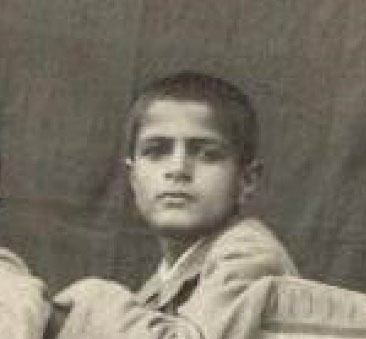 Figure 1
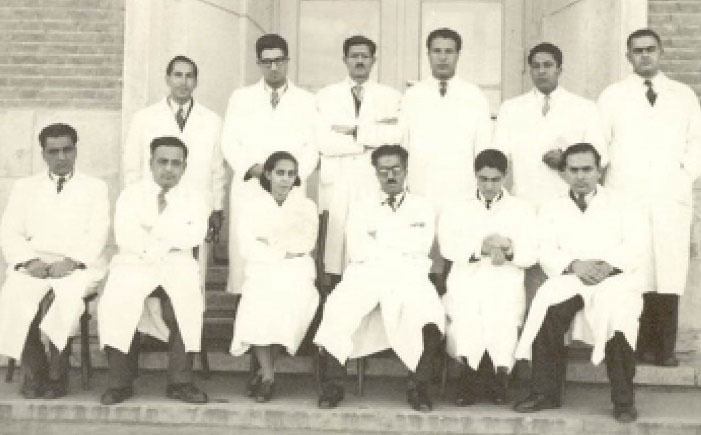 Figure 2
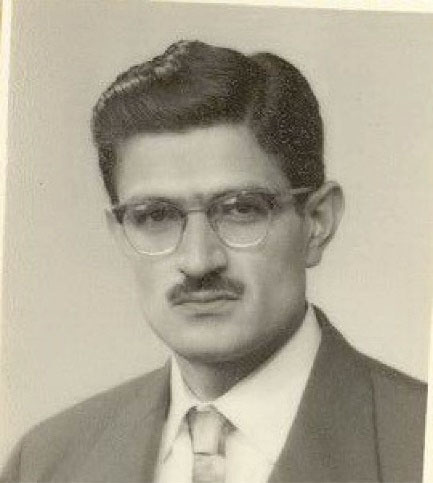 Figure 3
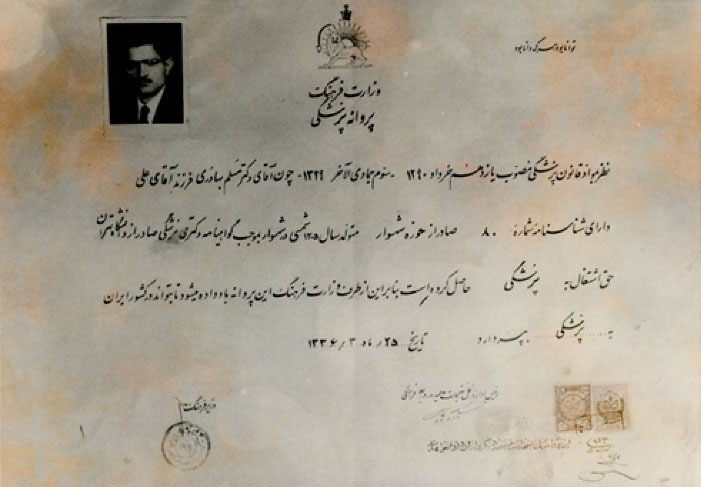 Figure 4
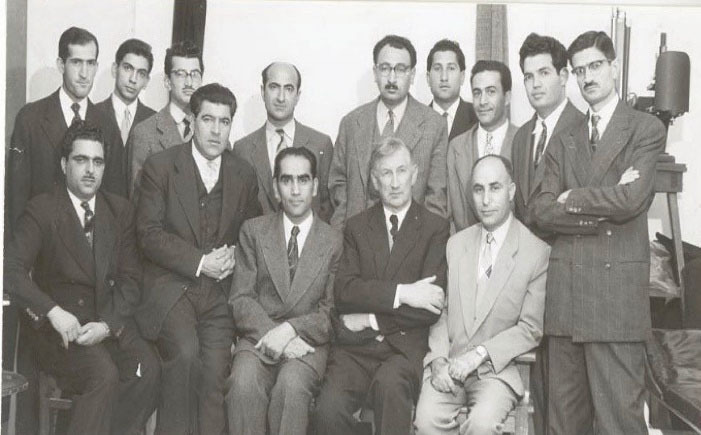 Figure 5
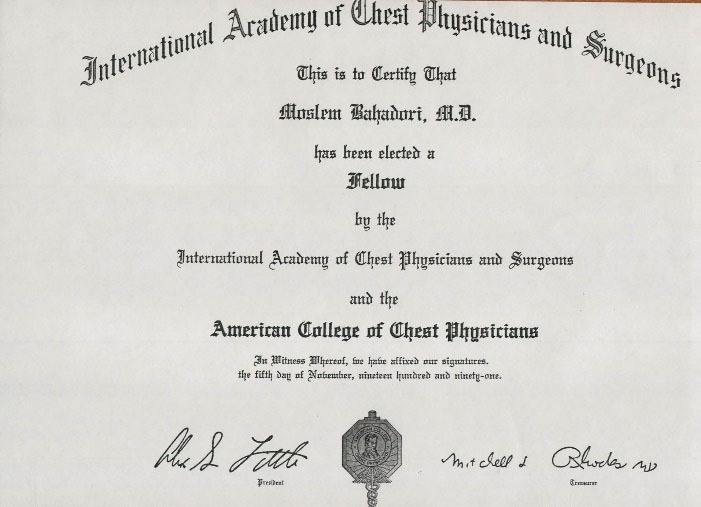 Figure 6
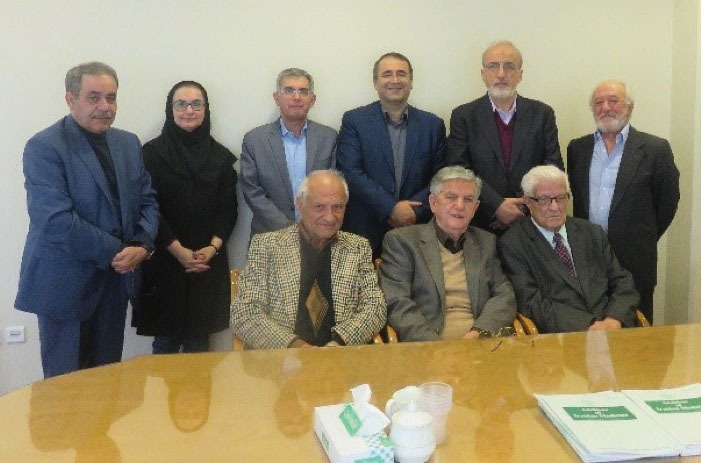 Figure 7
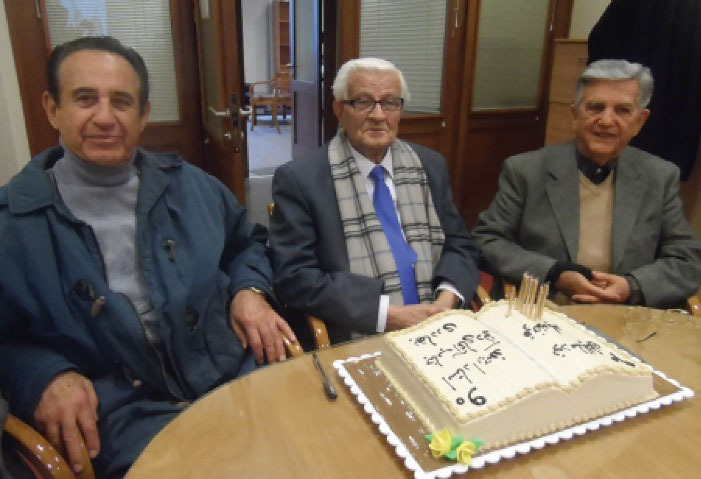 Figure 8
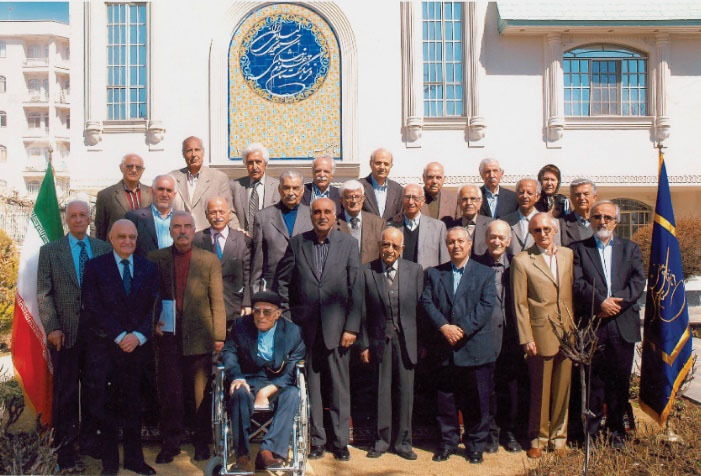 Figure 9
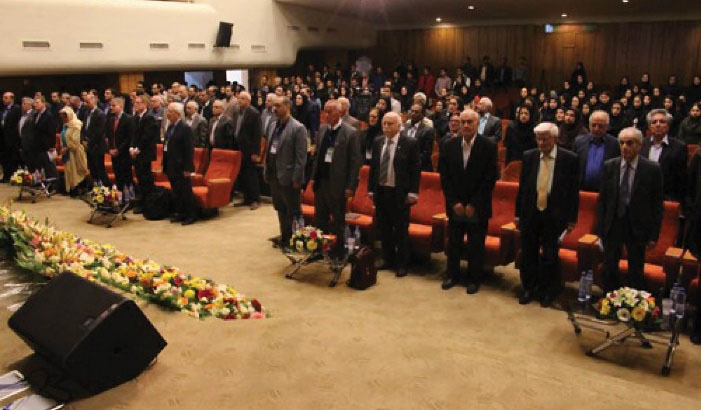 Figure 10
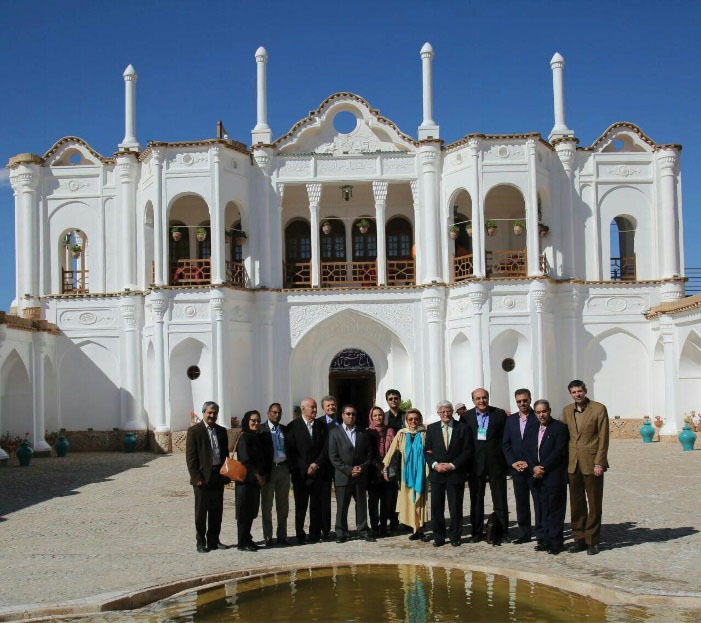 Figure 11
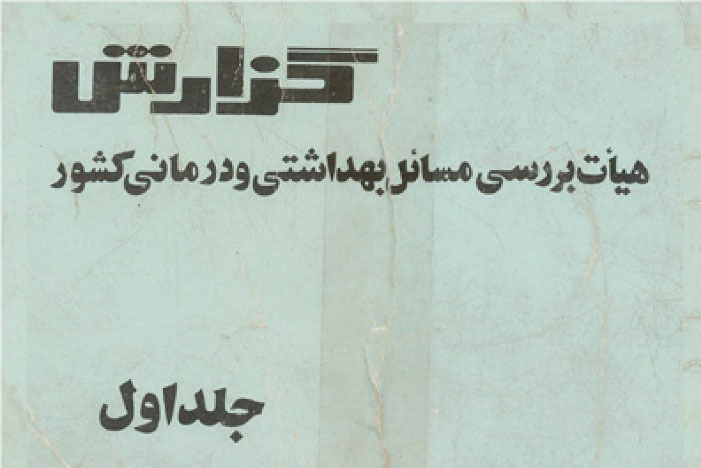 Figure 12
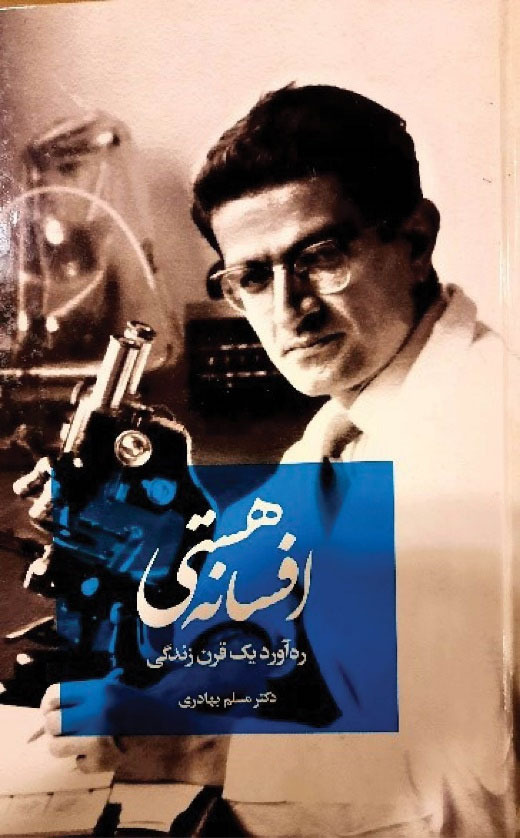 Figure 13
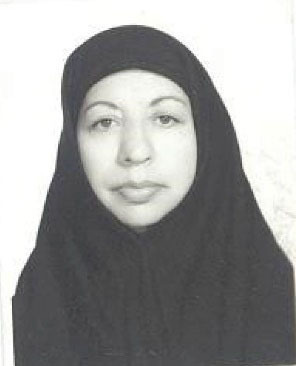 Figure 14
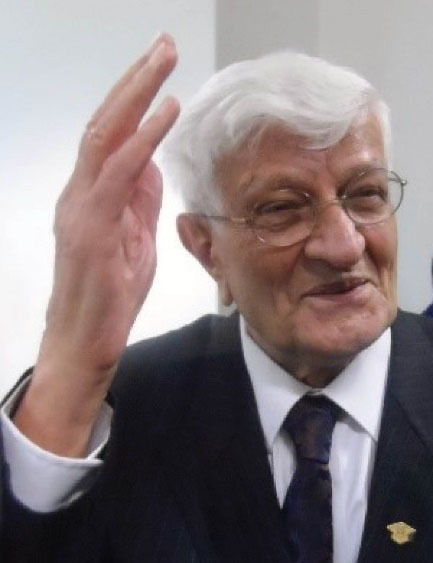 Figure 15
 Figure 16
Peer Reviews
No public reviews on file for this paper yet. If you reviewed it on a platform where reviews are public (OpenReview, ICLR, NeurIPS, ICML), you can paste yours below so the community can read it here.
Videos
No videos yet. Explain this paper in a talk, walkthrough, or lecture? Add one.
Taxonomy
TopicsHealth and Well-being Studies · Ophthalmology and Visual Health Research
“The mediocre teacher tells. The good teacher explains. The superior teacher demonstrates. The great teacher inspires.” William Arthur Ward (1921–1994)
With deep sadness, Dr. Moslem Bahadori (1927–2022), professor emeritus of pathology at the Tehran University of Medical Sciences, a superb mentor with brilliant ideas and a prolific researcher passed away on April 21, 2022 in Tehran. His demise was an immense loss not only for his family and friends, but also for the Iranian medical community and pathologists. Here, a brief account of his productive life and career is presented.
He was born in a large family on January 21, 1927 in Zangisha Mahaleh, a small village in the former Shahsavar city (now Tonekabon) in the Mazandaran Province, northern Iran. When he was a ten years old boy, he moved to his sister’s house in Tehran, where he flourished and completed his primary and secondary schools in 1948 (Figure 1).^1^
He stated that, “In 1948, I participated in the entrance exam to the Faculty of Medicine, Dentistry and Pharmacy of the University of Tehran and became the twentieth volunteer among four thousand people”.^2^ Then, he enrolled at the Tehran University Medical School and obtained his MD diploma in 1954 (Figures 2-4).^1^
In due course in 1955, the young Dr. Bahadori was accepted as a resident of pathology, when Professor Kamaleddin Armin (1914–1995) was the chairman of department. Dr. Bahadori became a pathologist in 1957 and joined that department as an assistant professor of pathology (Figure 5) and continued his training in cardiopulmonary pathology for 18 months in the Cardiff University, UK and became full professor in 1968 and then retired in 1997. He was the invited professor of cardiopulmonary pathology in the University of California in USA, twice in 1970–1971 and 1974–1975. Professor Bahadori was a fellow of the “American College of Chest Physicians” (Figure 6). ^1^
Undoubtedly, he was one of the best medical professors in our country. He said in an interview, “I had no program in my life except reading, writing, teaching and learning, and even my administrative works have also been in these areas.”
But what was the secret of his professional accomplishments that can be mentioned?
First: A pioneer in his field: Historically, the Medical School of University of Tehran was established in February 1934 and the pathology department was founded by Professor Mostafa Habibi Golpayegani (1904–1948). In 1939, When Dr. Charles Oberling (1895–1960), the French pathologist, became the Dean of medical school, the pathology residency training program was improved. The second generation of pathologists included Dr. Kamaleddin Armin (1914–1995) and Dr. Hossein Rahamatian, and the third generation were Dr. Abdul Mahmoud Shamsa and Dr. Mojtaba Sajjadi. Dr. Bahadori was among the fourth generation of pathologists in Iran.^3^
Second: His role in education: For decades; he had a crucial role in many medical students’ education and training of qualified pathologists in Iran. He taught pathology to medical and dentistry students and trained residents for 47 years, between 1957 and 2004.^1^
Third: Research, publication and participation in scientific meetings: He published his works in dozens of scientific articles in Persian and English (in total 133 articles until 2013) and authored 14 pathology textbooks in Persian from 1969 to 2009.^1^ In addition, for more than seven decades, he played a role in the promotion of Iranian medical journalism. Professor Bahadori’s presence in the field of medical journalism started when he was a second year medical student and cooperated with the first academic medical Persian journal named the “Monthly Letter of the Medical School” (the first issue was published in 1943) under the editorship of Dr. Nosratollah Kasemi (1909–1995), a professor of internal medicine. After that, in 1956, he collaborated with the first English-language medical periodical in Iran named “Acta Medica Iranica”, affiliated to Tehran Medical School under the editorship of Dr. Nosratollah Ameli (1913–2010). His efforts continued in other medical journals of the country until the last months of his life, including in the international journal of “Archives of Iranian Medicine, affiliated to the “Academy of Medical Sciences”, founded in October 1989 along with other colleagues. Over the years, he contributed greatly to the growth of the medical journals by participating in the editorial board of these periodicals, or as writer, a peer reviewer and scientific advisor (Figures 7-9).
He actively attended many domestic and international scientific meetings, seminars and workshops (Figures 10 and 11).
Fourth: Some of his outstanding services: He was a founding member of the “Social Services Organization Council” (Dr. Rahnama Committee) in the early 1970s to assess the health and medical services in Iran.^1^ Finally, the results of this comprehensive assessment by the committee were published in February 1976, in a three-volume Persian book entitled “Rahi Be Soui Tandrosty” (A Way to Health), consisting of very informative opinions and inquiries from several clinicians and other medical and public health experts from various universities. In the introduction of the book, Professor Bahadori was mentioned as one of main contributors to that investigation (Figure 12).
He was also one of the designers of the “National Health Network”, including Health Worker Training Program (Tarbiat -e Behvarz) as the frontier liners in the “Health Houses” in rural areas between 1972 and 1977.^1^
Professor Bahadori started his scientific activities as a permeant member of the “Academy of Medical Sciences”, since its formal inauguration in the winter of 1990, and he became the “Head of the Basic Medical Sciences Group”. In addition, he was Head of the “Iranian Board of Pathology” for many years.
He was an influential member of the “Iranian Association of Pathologists” and a founder and the first Head of the “Alumni Office of the Tehran University of Medical Sciences” established in 2006.^4^
In addition, for the past five years, every year, he attended the “Congress of the Iranian Association of Pathologists”, named after him and Professor Parviz Dabiri (1921–2012), who was the founder of “Pathology Department at the University of Isfahan” and in that annual meeting, the top young researchers in pathology were awarded.^5^
**Fifth: **Professor Bahadori was a hardworking scientist who flourished through his perseverance and long-life efforts and has been influential in the development of modern medicine in Iran. The story of his life and career has been written in detail in his valuable diaries. The Persian autobiography of Professor Bahadori, named “Afsaneh -ye Hasti” (The Myth of Existence) was published in 2018, in 712 pages including 416 pages of text and 306 pages of images. It contains his recollections of the past decades of his life until 2017^1,6^ (Figure 13). The book is attractive for medical students, residents and physicians, as well as informative for non-medical book lovers who are interested in the history of contemporary Iran.
In March 1961, he married Dr. Nahid Pishva (1933–1997), when she was a pathology resident. Later, in 1974, she became full professor of pathology at the department of pathology of Tehran University. At that time, she was the first lady physician who obtained her full professorship in Tehran University.^7^ His wife was a loyal companion to Dr. Bahadori and raised worthy children.
Unfortunately, Professor Pishva passed away due to colon cancer on June 8, 1997 (Figure 14). From this marriage, they had three well-educated children who loved their father and took good care of him, especially in the last two years of his life, when he became ill and needed more care.
In summary, Professor Bahadori was a distinguished physician who was kind, generous, and always ready to help his family, patients and profession. He sincerely loved the culture, literature and history of his homeland and did not refrain from praising the true servants and honorable scientists and artists of Iran. He was tireless and hard-working. He loved books and reading and writing. His non-medical writings are as readable and instructive as his medical works. Professor Bahadori thought about the fate of all human beings and wished them well-being, health, justice and comfort. His knowledge in the field of medical science was always up to date and extensive and he had a bright memory. His presence was charming and his words were rich and all these placed Professor Bahadori among those who can be categorized as an excellent role model.
Professor Bahadori passed away on Thursday, April 21, 2022. He was buried two days later in the “Famous People Sector” of Tehran cemetery. He is survived by his two daughters (Tina and Neda) and one son (Ali) and his grandchildren. His memory will not be forgotten, and he will always be remembered. Just in one word, Professor Bahadori was a symbol of hope in the future for our generation(Figure 15)^[1]^.
Some of Professor Bhandari’s published papers in English in the last two decades of his life (2006–2022) are as follows^8^:
The reference list from the paper itself. Each links out to its DOI / PubMed record.
- 1Pour Khameneh A. The Night of Dr. Moslem Bahadori. Bukhara, A Persian Cultural and Artistic Magazine, March 7, 2017. Available from:. https://bukharamag.com/1401.02.16842.html.
- 2Bahadori M A historical review of the development of pathology in Iran Arch Iran Med 2004743115
- 3Alumni Office of Tehran University of Medical Sciences. Available from: https://alumni.tums.ac.ir/. Accessed April 28, 2022.
- 4Iranian Society of Pathology. Available from: http://iranpath.org. Accessed April 28, 2022.
- 5Azizi MH Azizi MH The life story of Dr Moslem Bahadori, the Pioneering Professor of Tehran School of Medicine Arch Iran Med 20182183801
- 6Pub Med database. Available from: https://pubmed.ncbi.nlm.nih.gov/?term=Bahadori+M&cauthor_id=23360639. Accessed April 28, 2022.