Evaluation of the effect of cervical spine bone distribution on fixation in ankylosing spondylitis
Beiyang Wang, Jian Tang, Zhiqiang Wang, Chen Deng, Junqiao Lv, Fang Gao, Xiaoyan Xiong, Lin Sun

TL;DR
This study evaluates how bone distribution in the cervical spine of ankylosing spondylitis patients affects fixation methods, finding that anterior approaches may be less stable.
Contribution
The study introduces a novel finite element model based on Hounsfield Unit values to analyze fixation approaches in ankylosing spondylitis cervical spine fractures.
Findings
The anterior fixation approach showed less stability with higher screw stress and displacement in finite element analysis.
Meta-analysis confirmed higher screw loosening rates with anterior approaches in ankylosing spondylitis cervical spine fractures.
Ankylosing spondylitis cervical spine fractures show uneven bone distribution and severe anterior osteoporosis.
Abstract
The distribution of cervical bones in ankylosing spondylitis (AS) differs from that of the normal cervical spine. Traditional simulation methods often yield inaccurate results in finite element analysis. The current study aimed to construct ankylosing spondylitis cervical spine fracture (ASCF) models based on Hounsfield Unit (HU) values to analyze the effects of different fixation approaches. Quantitative HU measurements of cervical vertebrae and lateral masses were obtained from CT scans of 20 patients with AS. A finite element model of ASCF was constructed based on HU values and was compared with a traditional ASCF model from multiple perspectives. Additionally, three ASCF models were used to compare the effects of various fixation approaches. A meta-analysis of screw loosening rates was conducted to further validate the efficacy of the models. The HU value of the cervical lateral…
Genes, proteins, chemicals, diseases, species, mutations and cell lines named across the full text — each resolved to its canonical identifier and authoritative record.
Click any figure to enlarge with its caption.
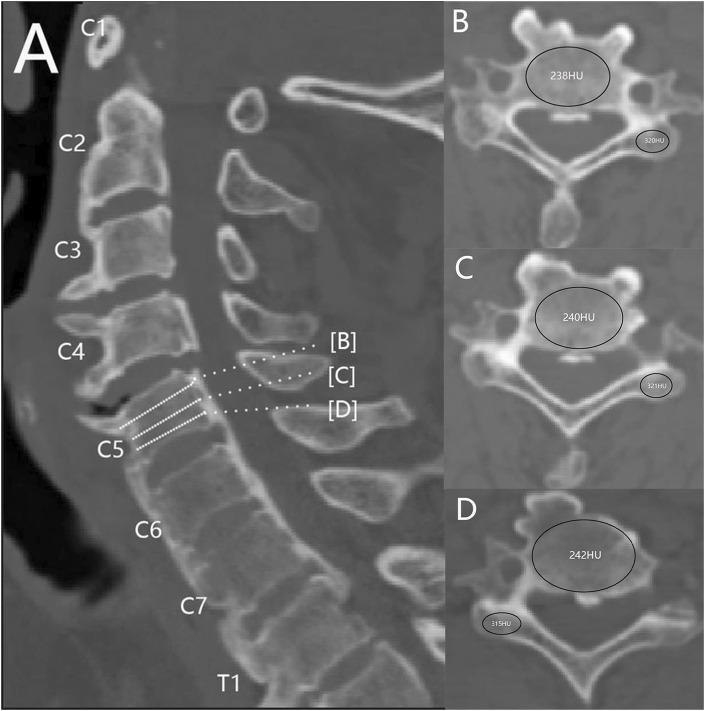 Figure 1
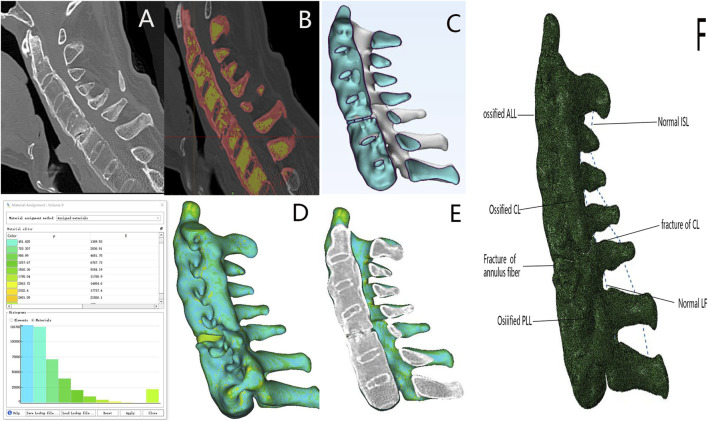 Figure 2
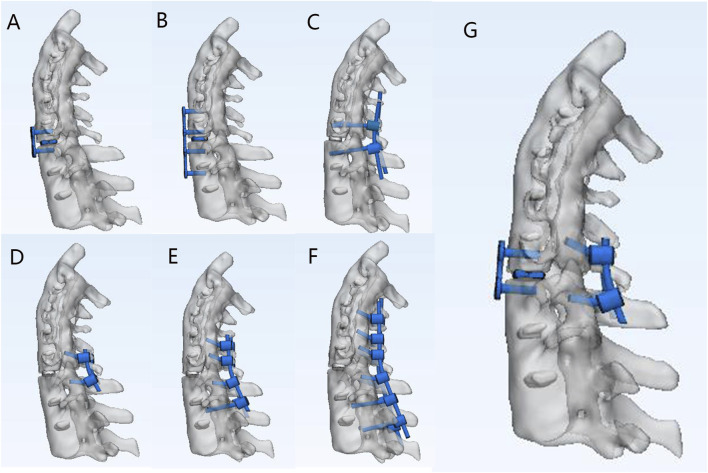 Figure 3
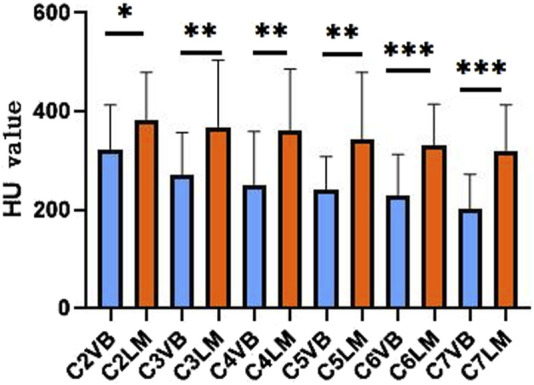 Figure 4
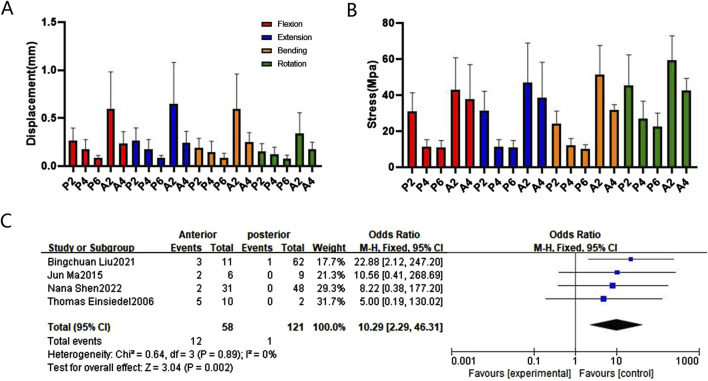 Figure 5
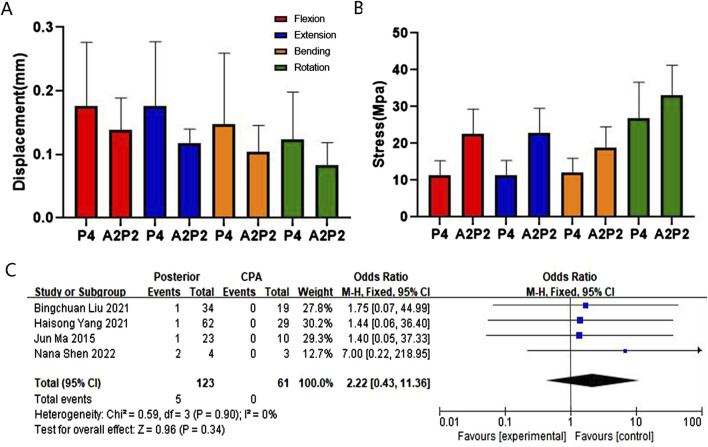 Figure 6
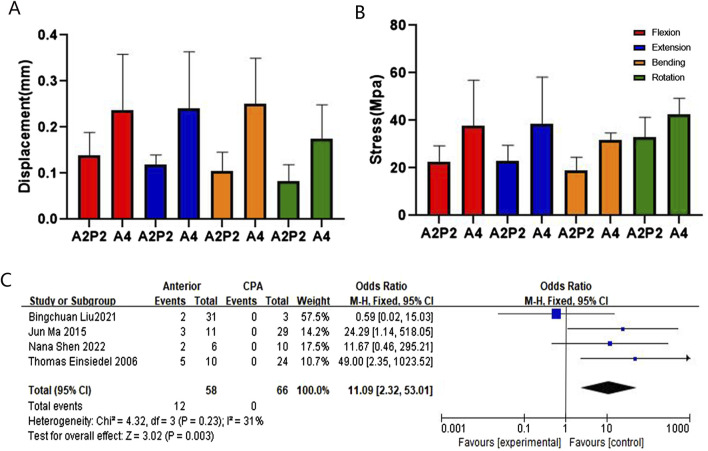 Figure 7
Peer Reviews
No public reviews on file for this paper yet. If you reviewed it on a platform where reviews are public (OpenReview, ICLR, NeurIPS, ICML), you can paste yours below so the community can read it here.
Videos
No videos yet. Explain this paper in a talk, walkthrough, or lecture? Add one.
Taxonomy
TopicsSpine and Intervertebral Disc Pathology · Spondyloarthritis Studies and Treatments · Hip disorders and treatments