Pilot study: a descriptive-retrospective analysis of SARS-CoV-2 variants distribution and phylogenesis in the Phlegraean area
Maria Cristina Mazzarella, Stefano Cristiano, Dilia Rea, Nicola Mazzarella, Martina Addeo, Silvia Iannelli, Geppino Falco, Mariarita Brancaccio, Tiziana Angrisano

TL;DR
This pilot study analyzed SARS-CoV-2 variants in a specific geographic area using next-generation sequencing to track mutations and spread.
Contribution
The study introduces a descriptive-retrospective analysis of SARS-CoV-2 variants in the Phlegraean area using NGS for improved molecular diagnosis.
Findings
Next-generation sequencing identified specific SARS-CoV-2 strains in the Phlegraean area from December 2021 to February 2023.
The study ascertained the spread of variants and the impact of long-term measures on the sample population.
NGS allows rapid and cost-effective multi-gene testing, aiding in precise diagnosis and personalized therapies.
Abstract
COVID-19 disease, caused by SARS-CoV-2 virus, marked the pandemic era, opening the way to next-generation sequencing in the viral diagnostic field. SARS-CoV-2 viral genome sequencing makes it possible to identify mutations in the virus and to track the diffusion of these variants in specific geographic area and in time. Variant sequences help understand how the virus spreads and how it can be contained, as well as for developing more effective vaccines and therapies. Indeed, monitoring the evolution of a virus allows us to quickly detect the potential selection of a super mutation, which can make a virus even more contagious and dangerous in terms of human health consequences. In light of this, in our pilot study, we decided to profile the SARS-CoV-2 genome, recruiting 38 patients divided according to age, sex, vaccination status and symptoms, ascertaining their positivity to the virus.…
Genes, proteins, chemicals, diseases, species, mutations and cell lines named across the full text — each resolved to its canonical identifier and authoritative record.
Click any figure to enlarge with its caption.
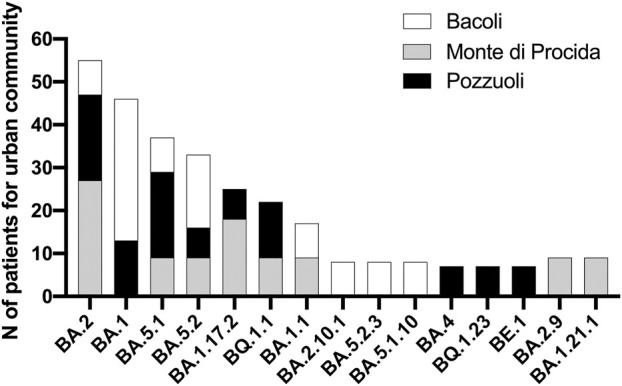 Figure 1
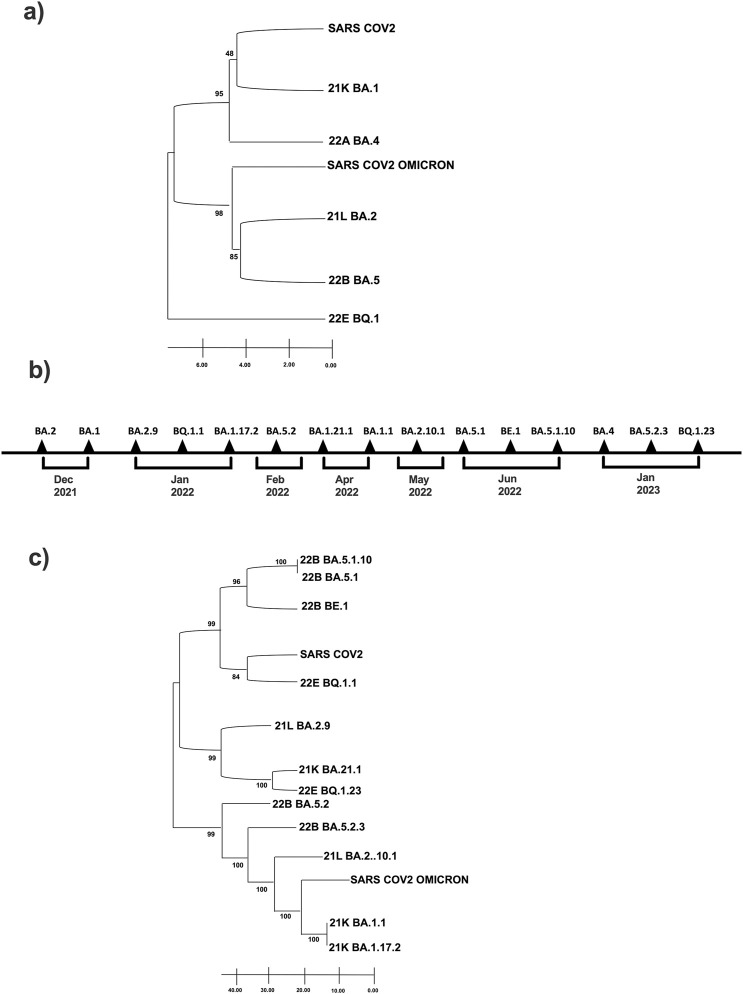 Figure 2
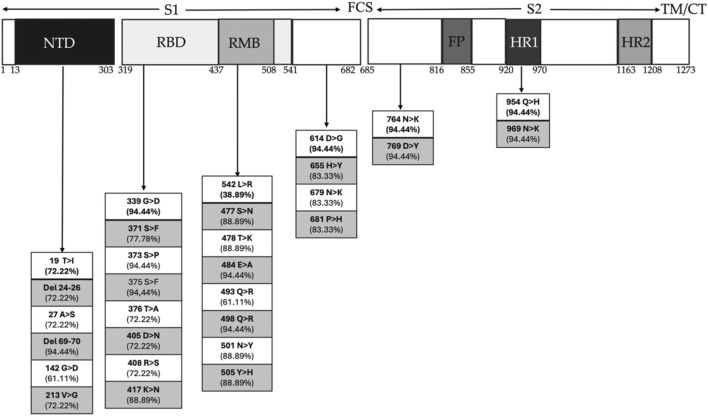 Figure 3
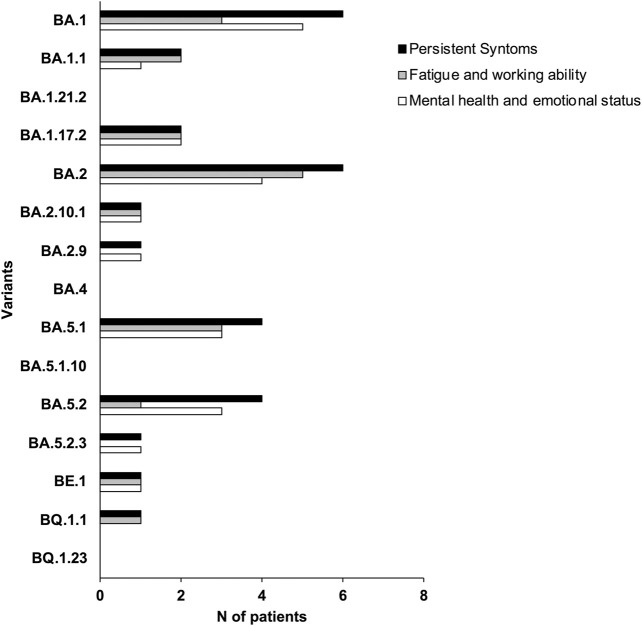 Figure 4
Peer Reviews
No public reviews on file for this paper yet. If you reviewed it on a platform where reviews are public (OpenReview, ICLR, NeurIPS, ICML), you can paste yours below so the community can read it here.
Videos
No videos yet. Explain this paper in a talk, walkthrough, or lecture? Add one.
Taxonomy
TopicsSARS-CoV-2 and COVID-19 Research · SARS-CoV-2 detection and testing · COVID-19 Clinical Research Studies