Enhancing Energy Efficiency of Sensors and Communication Devices in Opportunistic Networks Through Human Mobility Interaction Prediction
Ambreen Memon, Sardar M. N. Islam, Muhammad Nadeem Ali, Byung-Seo Kim

TL;DR
This paper proposes using a random forest regressor to predict human mobility in opportunistic networks, improving energy efficiency and message routing performance.
Contribution
The study introduces a novel random forest regressor-based approach for mobility prediction that enhances energy efficiency in opportunistic networks.
Findings
The random forest regressor outperformed Gaussian process and existing methods in predicting mobility encounters.
Integration of mobility predictions reduced energy consumption by up to one-third in D2D and traditional networks.
The proposed approach addresses limitations of current mobility prediction models for opportunistic networks.
Abstract
The proliferation of smart devices such as sensors and communication devices has necessitated the development of networks that can adopt device-to-device communication for delay-tolerant data transfer and energy efficiency. Therefore, there is a need to develop opportunistic networks to enhance energy efficiency through improved data routing. A sensor device equipped with computing, communication, and mobility capabilities can opportunistically transfer data to another device, either as a direct recipient or as an intermediary forwarding data to a third device. Routing algorithms designed for such opportunistic networks aim to increase the probability of successful message transmission by leveraging area information derived from historical data to forecast potential encounters. However, accurately determining the precise locations of mobile devices remains highly challenging and…
Genes, proteins, chemicals, diseases, species, mutations and cell lines named across the full text — each resolved to its canonical identifier and authoritative record.
Click any figure to enlarge with its caption.
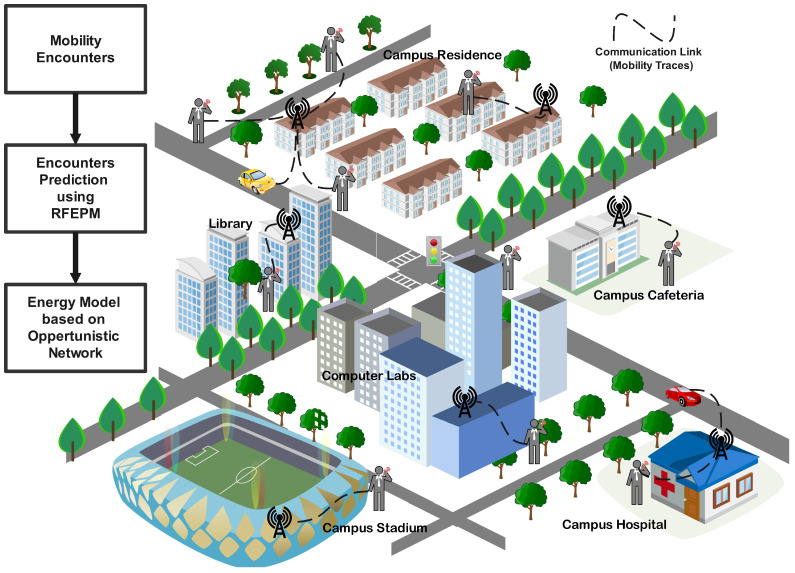 Figure 1
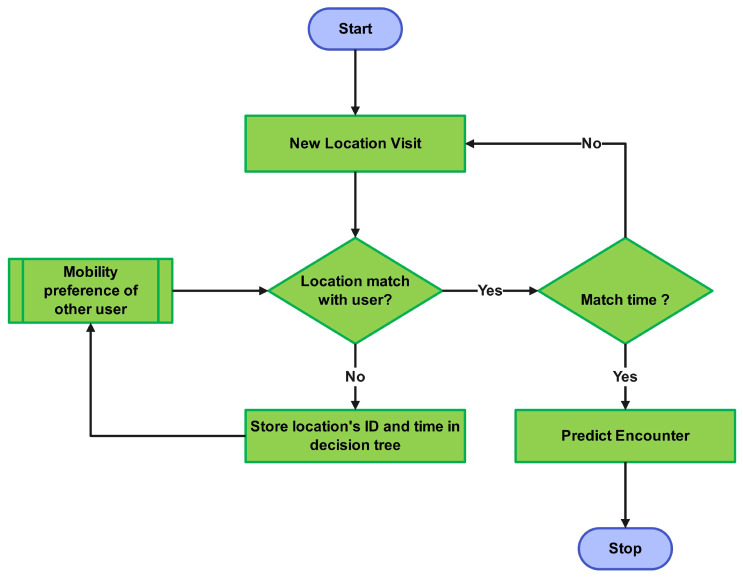 Figure 2
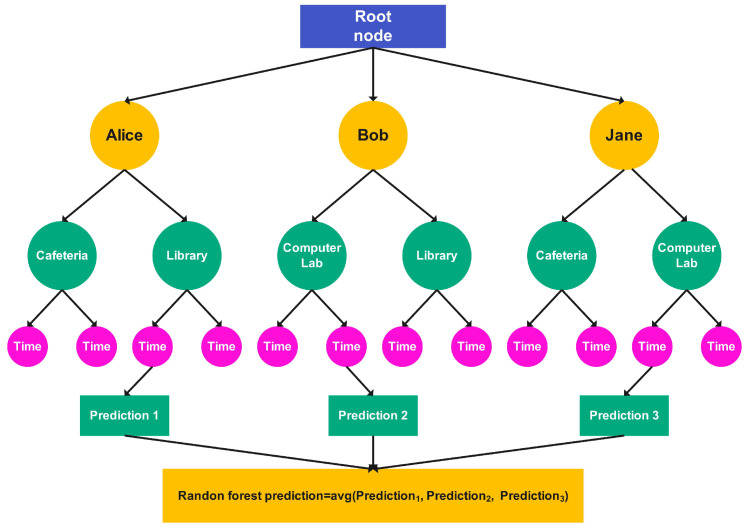 Figure 3
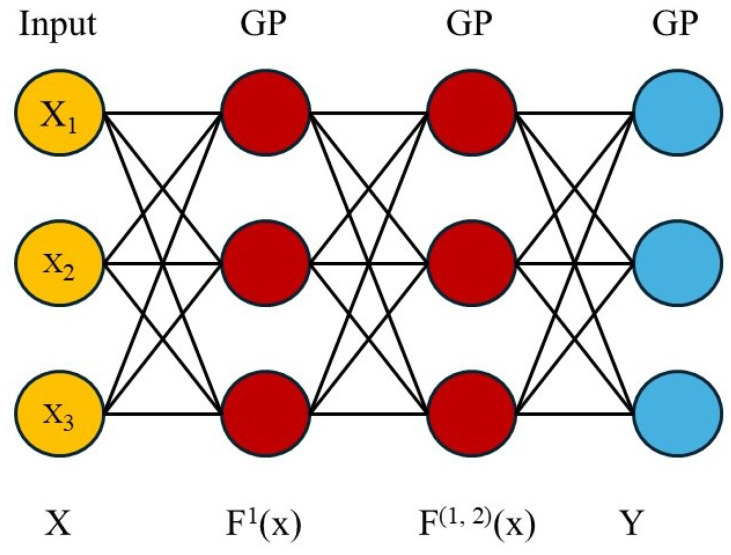 Figure 4
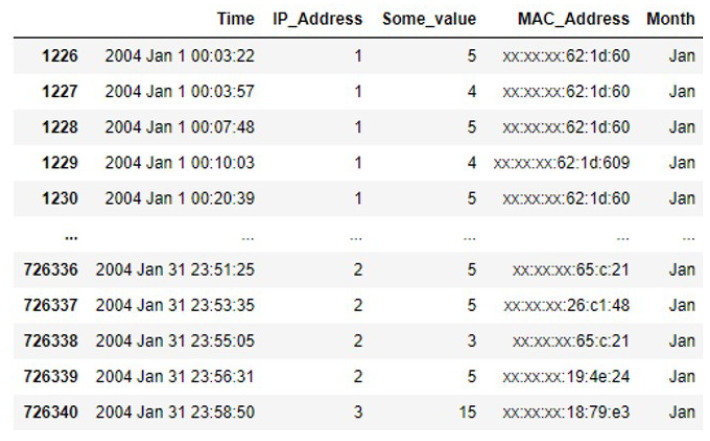 Figure 5
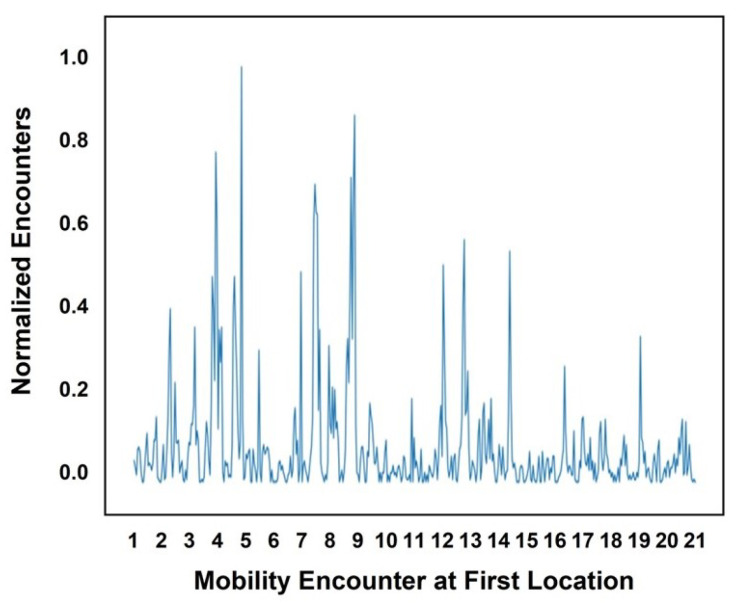 Figure 6
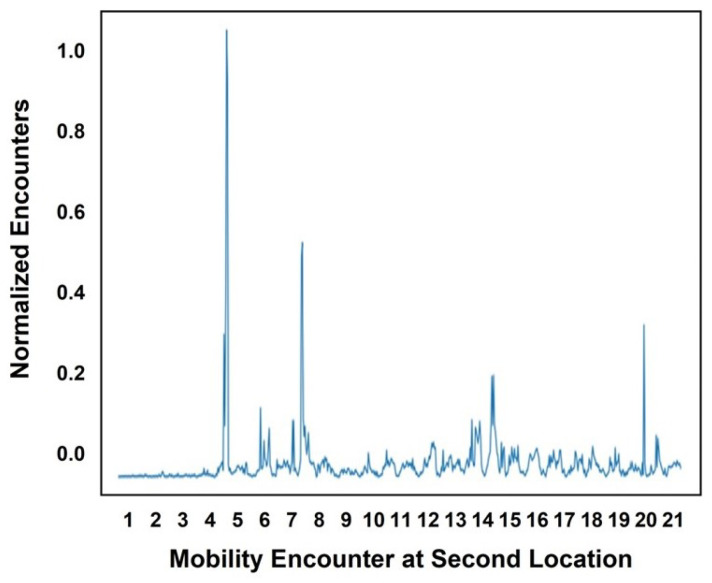 Figure 7
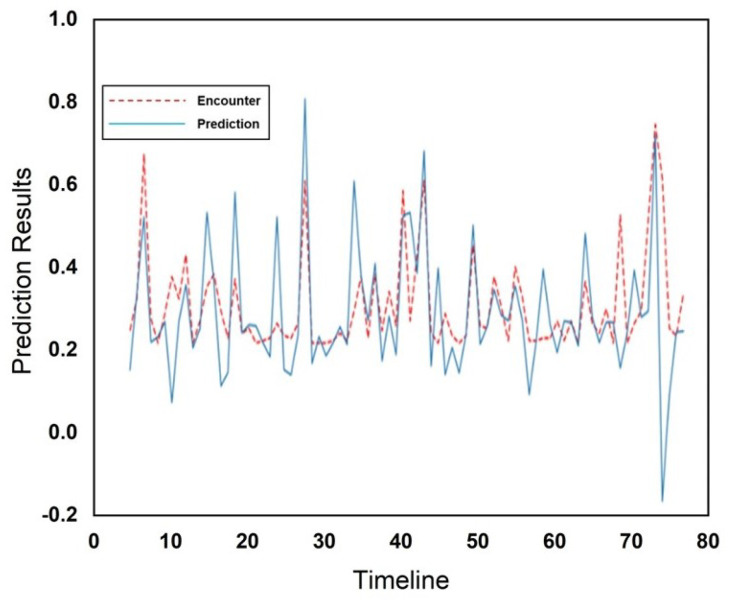 Figure 8
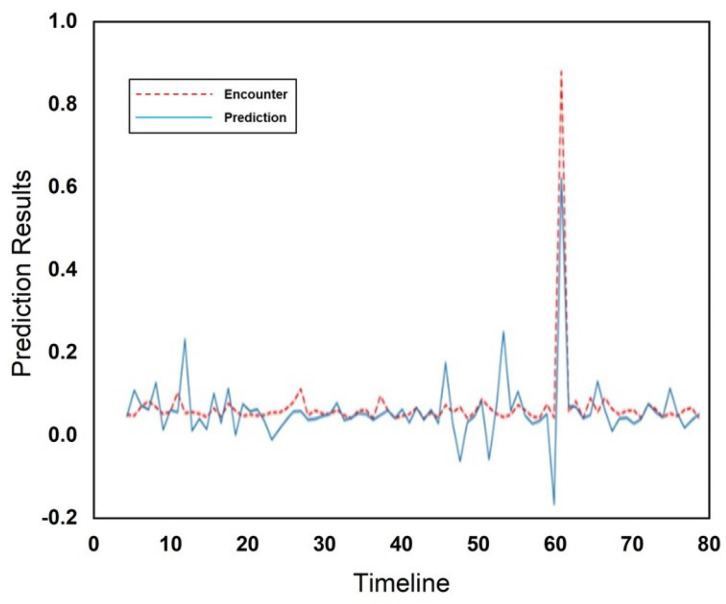 Figure 9
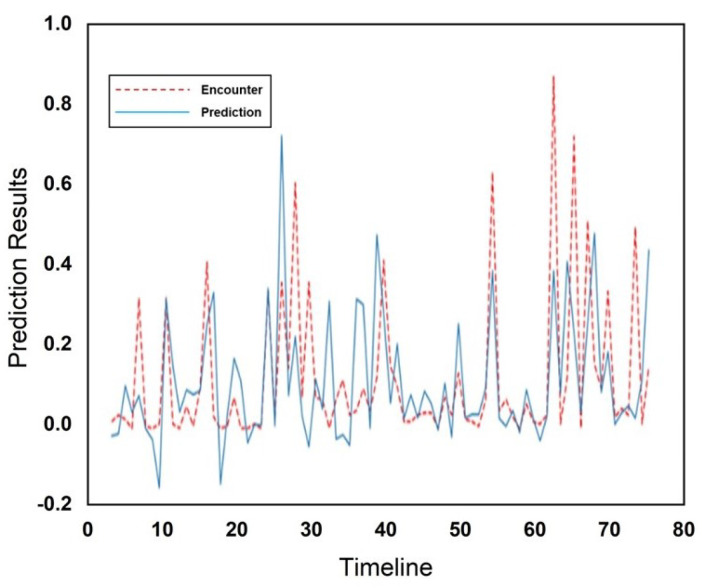 Figure 10
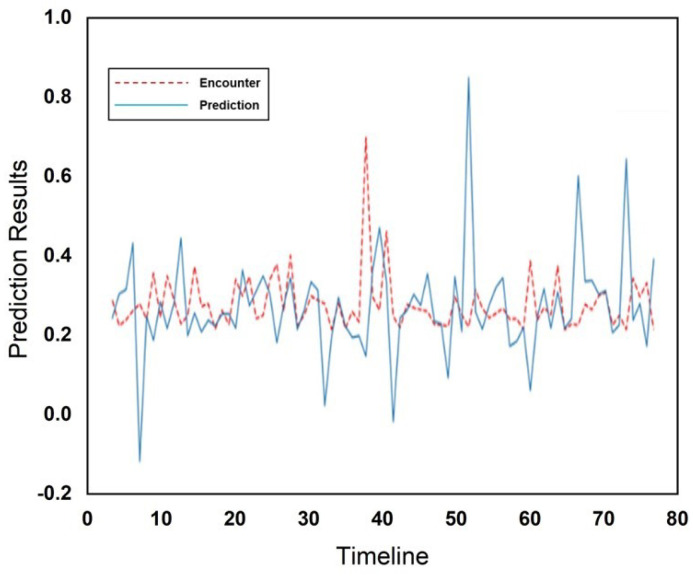 Figure 11
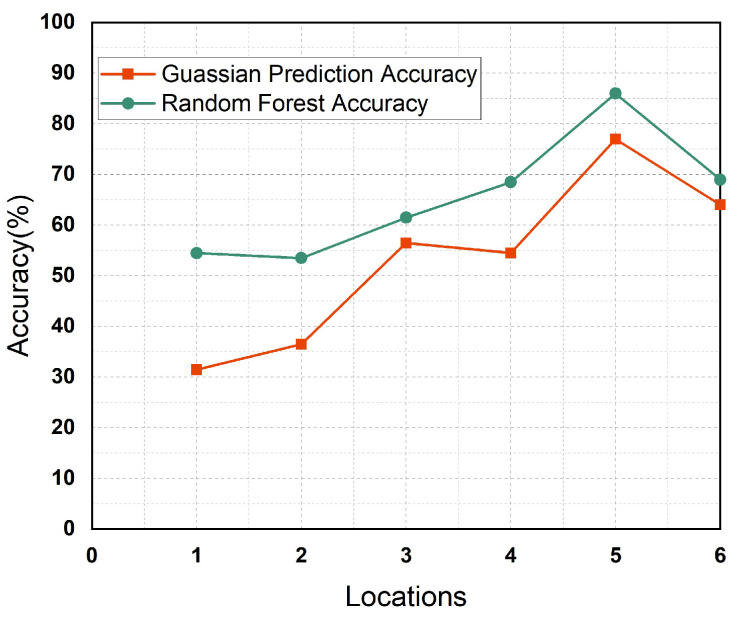 Figure 12
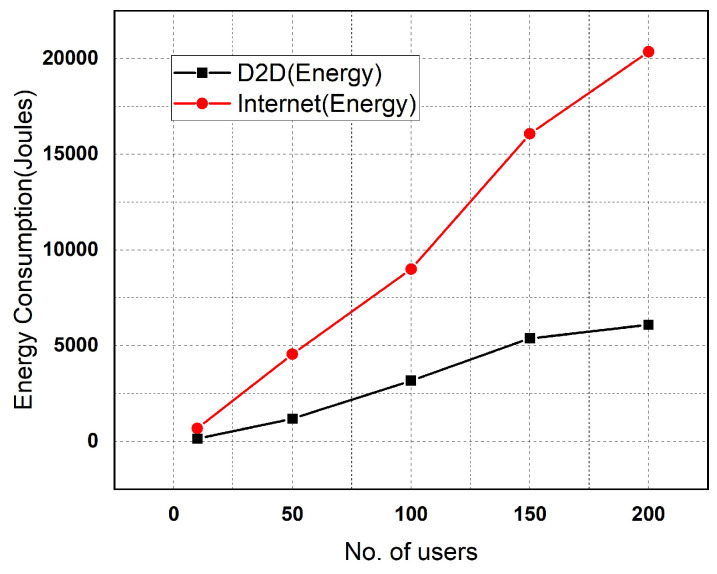 Figure 13
Peer Reviews
No public reviews on file for this paper yet. If you reviewed it on a platform where reviews are public (OpenReview, ICLR, NeurIPS, ICML), you can paste yours below so the community can read it here.
Videos
No videos yet. Explain this paper in a talk, walkthrough, or lecture? Add one.
Taxonomy
TopicsOpportunistic and Delay-Tolerant Networks · Human Mobility and Location-Based Analysis · Caching and Content Delivery