A New Contact Structure and Dielectric Recovery Characteristics of the Fast DC Current-Limiting Circuit Breaker
Zhiyong Lv, Xiangjun Wang, Jinwu Zhuang, Zhuangxian Jiang, Zhifang Yuan, Jin Wu, Luhui Liu

TL;DR
This paper introduces a new contact structure for a fast DC circuit breaker to improve dielectric recovery by reducing arc energy and ablation effects.
Contribution
A novel contact structure with parallel multi-point contacts is proposed to enhance dielectric recovery in fast DC current-limiting circuit breakers.
Findings
The new contact structure reduces arc energy per contact and improves dielectric recovery ability.
Optimizing contact spacing using a genetic algorithm reduced the maximum arc energy to 19.07% of the total.
Multi-point arcing was verified experimentally, confirming the effectiveness of the new design.
Abstract
In order to solve the problem of slow dielectric recovery caused by large arc energy when interrupting a high rising rate fault current in a fast DC current-limiting circuit breaker (FDCCLCB), a new contact structure with multi-point static contacts in parallel is proposed. Based on the principle of parallel multi-point contacts, the new structure can form the arc mode during multi-point arcing when the contacts are separated, reduce the arc energy of each finger contact, effectively reduce the ablation effect of the arc on the contact, and improve dielectric recovery ability after the arcing of the contact. Using high-speed camera technology to photograph the arc shape of the new contact, the assumption of multi-point arcing is verified, and a dielectric recovery experimental platform is built to study the dielectric recovery characteristics of the new contact structure. The…
Genes, proteins, chemicals, diseases, species, mutations and cell lines named across the full text — each resolved to its canonical identifier and authoritative record.
Click any figure to enlarge with its caption.
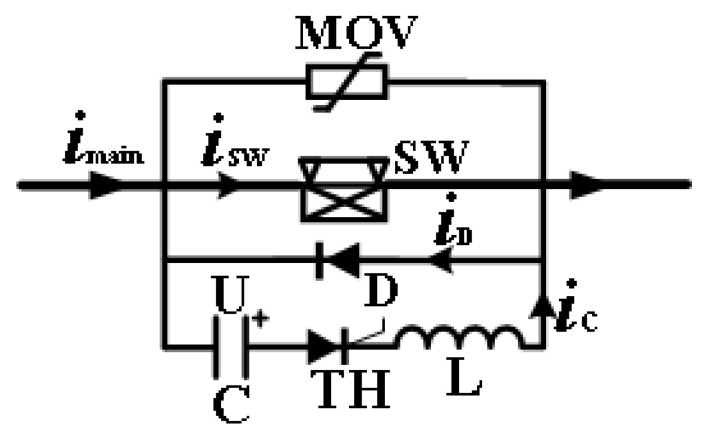 Figure 1
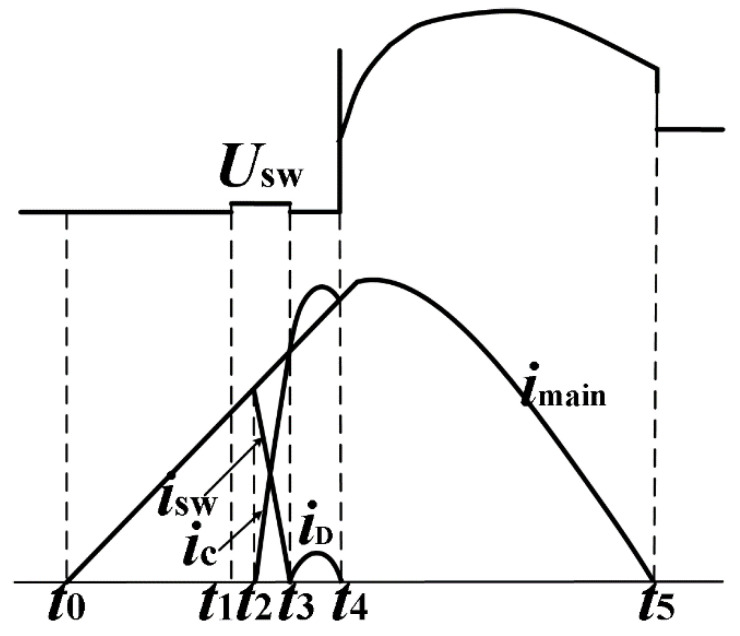 Figure 2
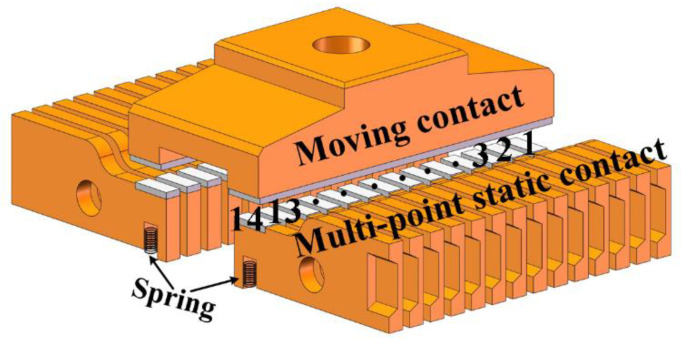 Figure 3
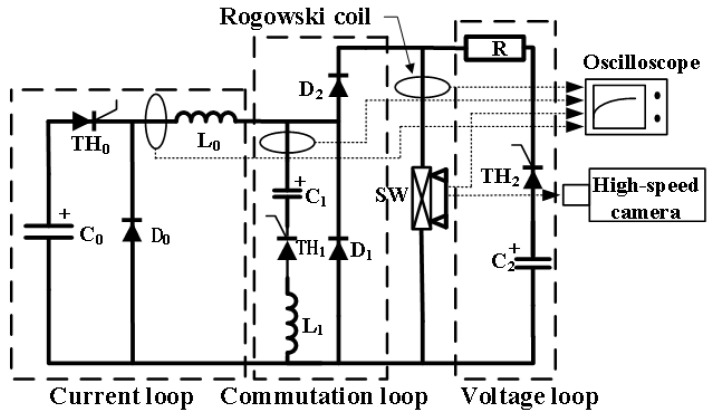 Figure 4
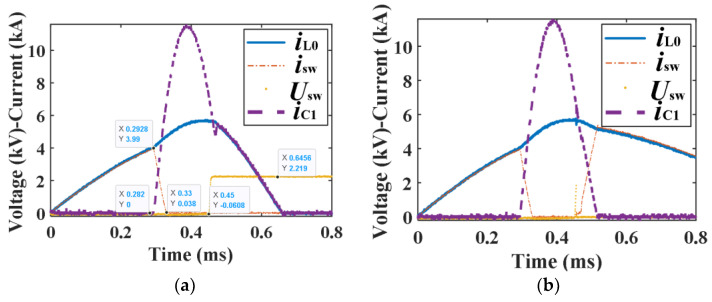 Figure 5
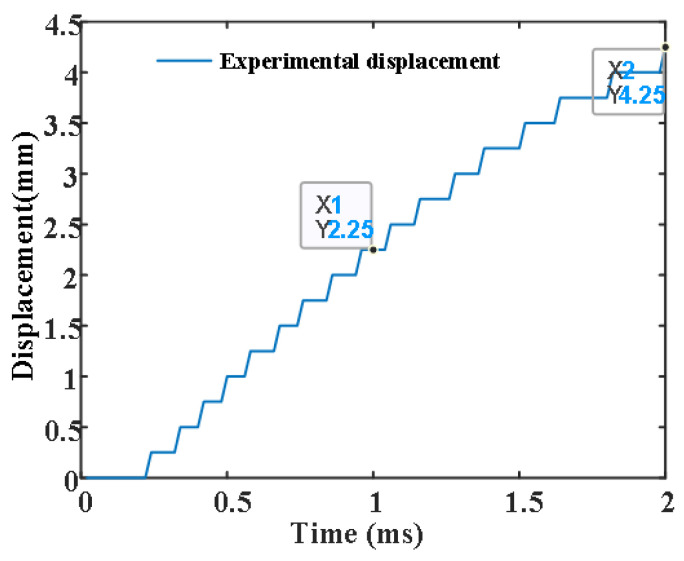 Figure 6
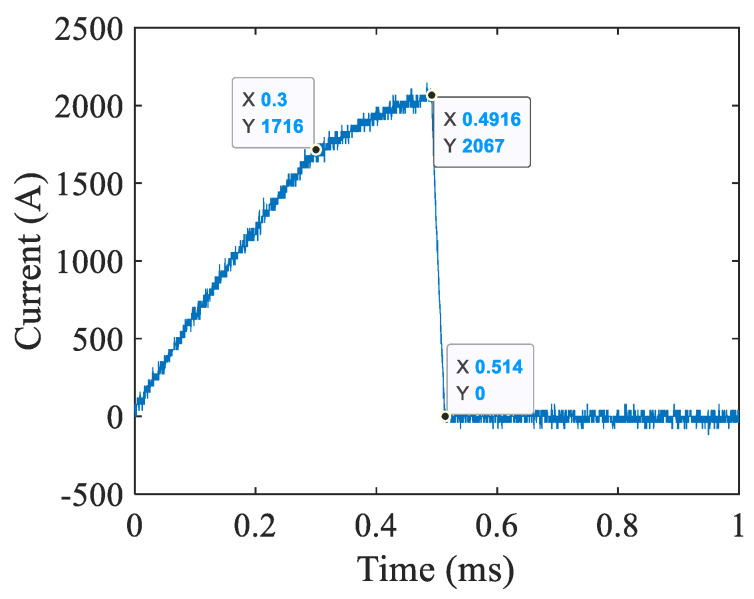 Figure 7
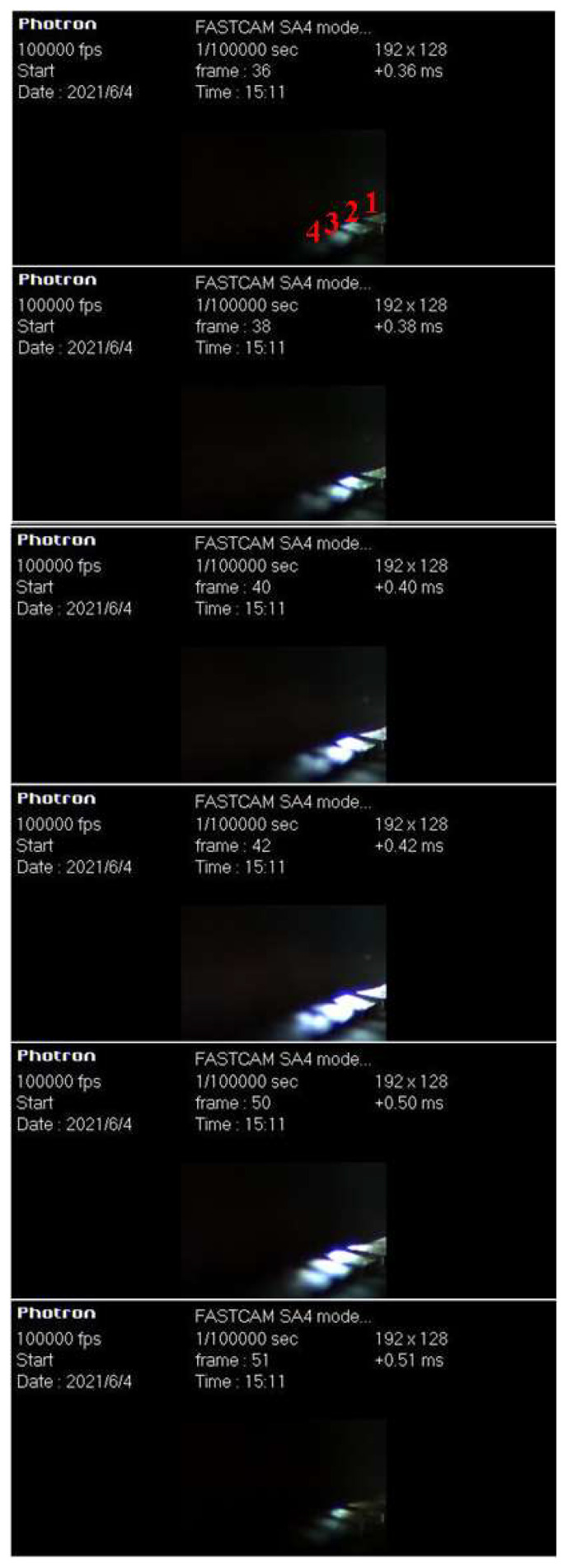 Figure 8
 Figure 9
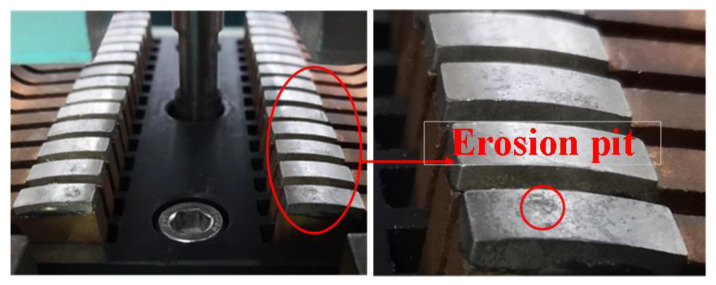 Figure 10
 Figure 11
 Figure 12
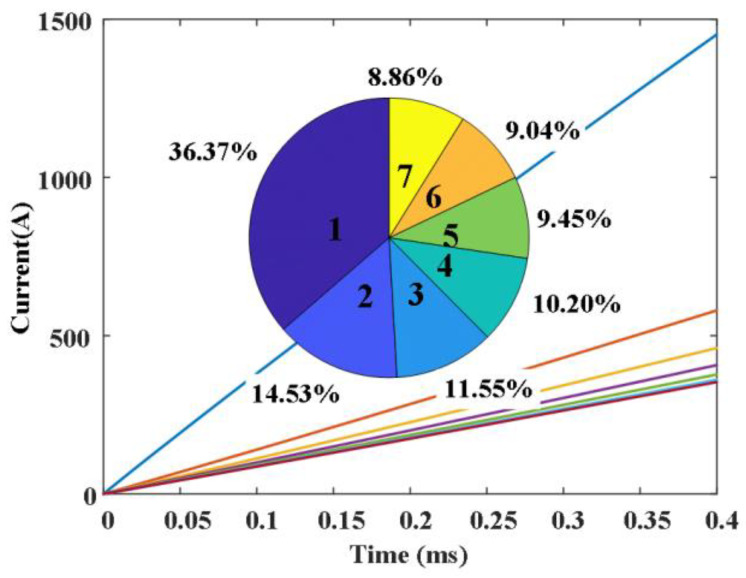 Figure 13
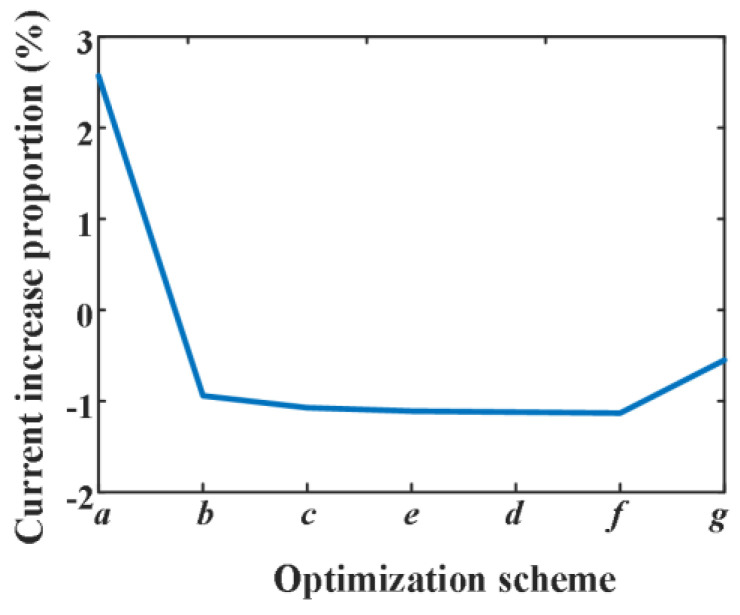 Figure 14
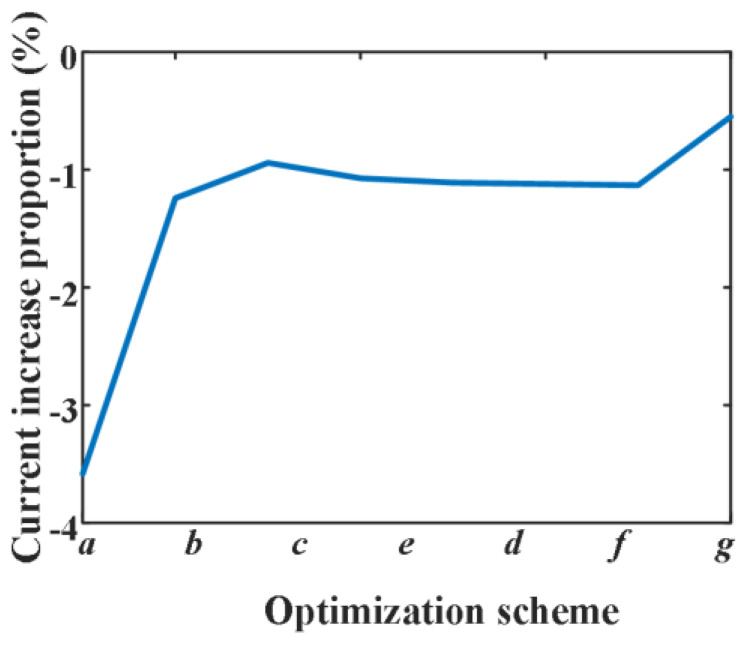 Figure 15
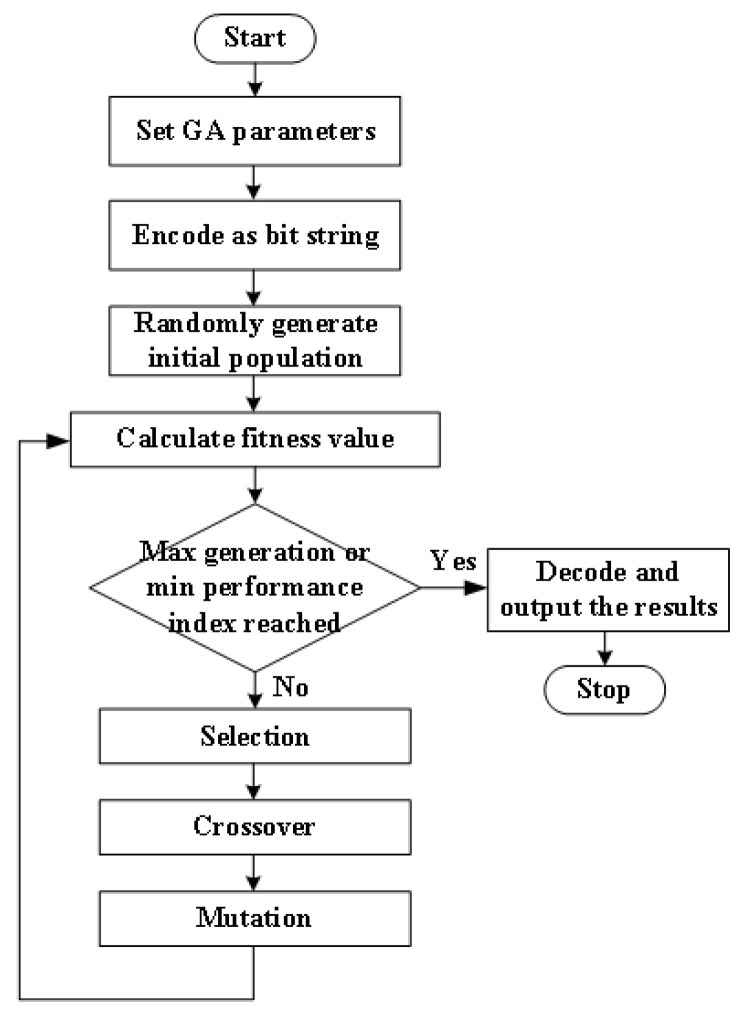 Figure 16
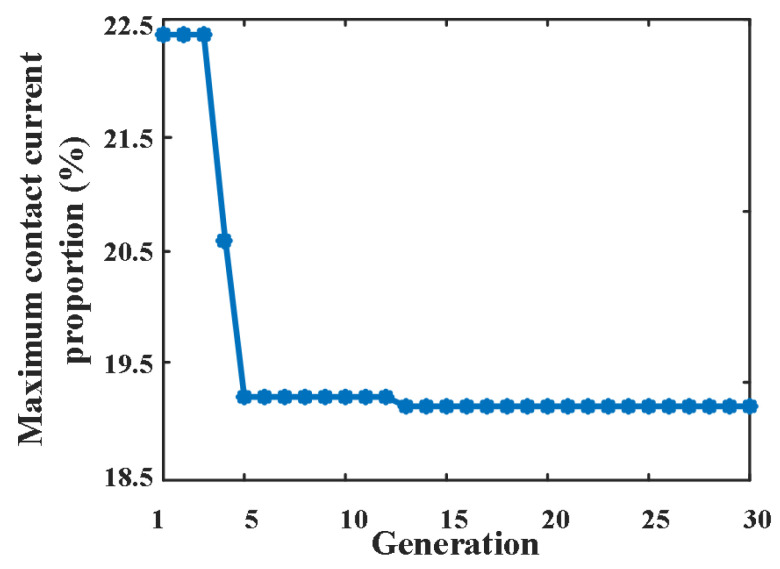 Figure 17
Peer Reviews
No public reviews on file for this paper yet. If you reviewed it on a platform where reviews are public (OpenReview, ICLR, NeurIPS, ICML), you can paste yours below so the community can read it here.
Videos
No videos yet. Explain this paper in a talk, walkthrough, or lecture? Add one.
Taxonomy
TopicsHVDC Systems and Fault Protection · Electrical Fault Detection and Protection · Vacuum and Plasma Arcs