Self-Supervised Learning with Trilateral Redundancy Reduction for Urban Functional Zone Identification Using Street-View Imagery
Kun Zhao, Juan Li, Shuai Xie, Lijian Zhou, Wenbin He, Xiaolin Chen

TL;DR
This paper introduces a new self-supervised learning framework for identifying urban functional zones using street-view images, reducing the need for labeled data.
Contribution
The novel Trilateral Redundancy Reduction (Tri-ReD) framework with trilateral loss and Tri-MExA augmentation improves self-supervised learning for urban scene classification.
Findings
Tri-ReD outperforms direct supervised learning by 19% on average for urban functional zone identification.
The framework surpasses ImageNet pre-trained models by around 11% in performance.
Tri-ReD is architecture-agnostic and works effectively with both CNNs and ViTs.
Abstract
In recent years, the use of street-view images for urban analysis has received much attention. Despite the abundance of raw data, existing supervised learning methods heavily rely on large-scale and high-quality labels. Faced with the challenge of label scarcity in urban scene classification tasks, an innovative self-supervised learning framework, Trilateral Redundancy Reduction (Tri-ReD) is proposed. In this framework, a more restrictive loss, “trilateral loss”, is proposed. By compelling the embedding of positive samples to be highly correlated, it guides the pre-trained model to learn more essential representations without semantic labels. Furthermore, a novel data augmentation strategy, tri-branch mutually exclusive augmentation (Tri-MExA), is proposed. Its aim is to reduce the uncertainties introduced by traditional random augmentation methods. As a model pre-training method,…
Genes, proteins, chemicals, diseases, species, mutations and cell lines named across the full text — each resolved to its canonical identifier and authoritative record.
Click any figure to enlarge with its caption.
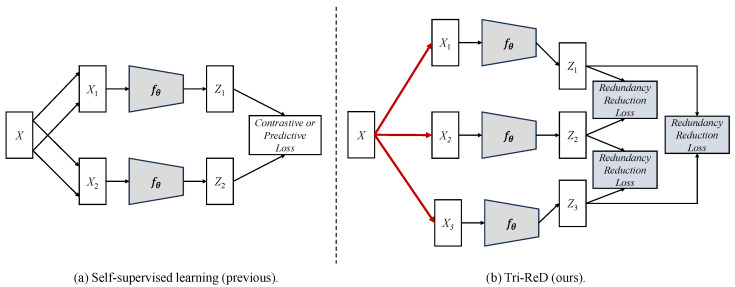 Figure 1
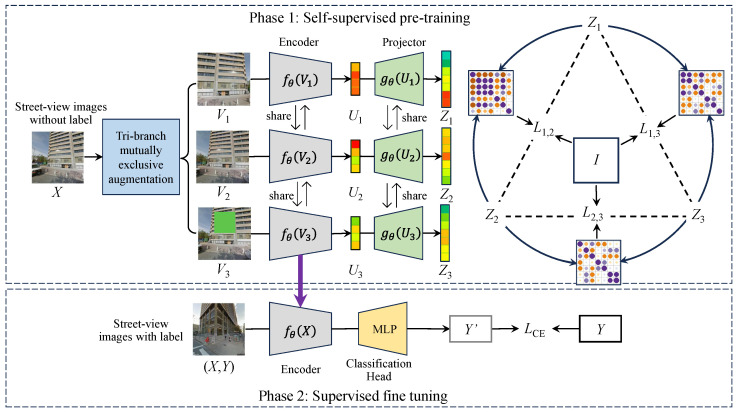 Figure 2
 Figure 3
 Figure 4
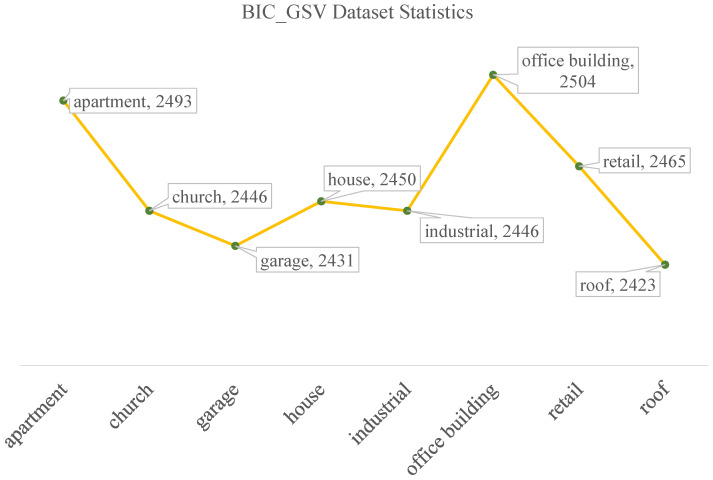 Figure 5
 Figure 6
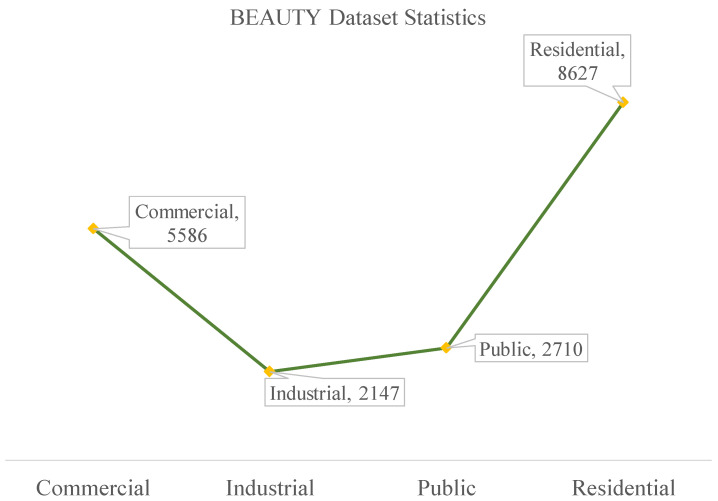 Figure 7
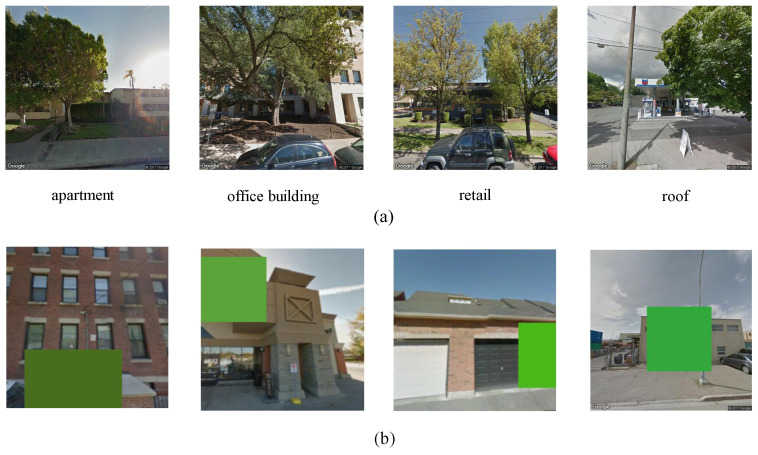 Figure 8
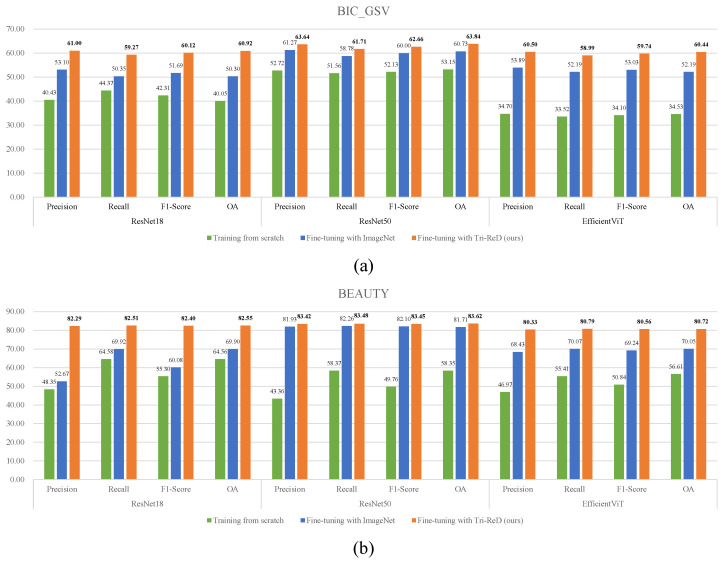 Figure 9
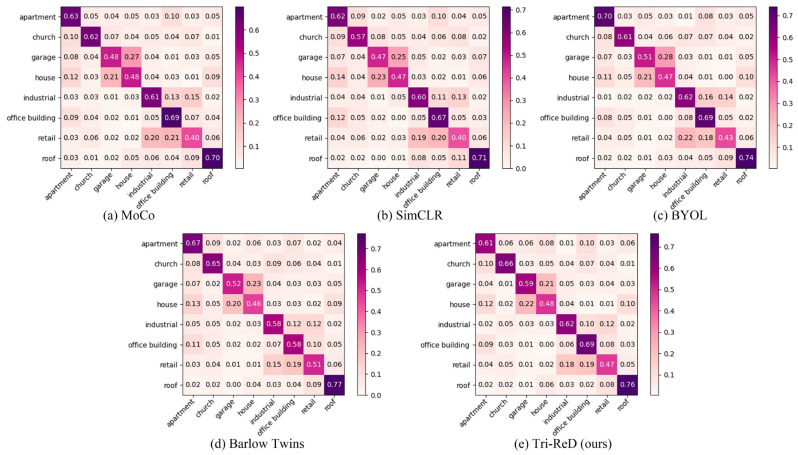 Figure 10
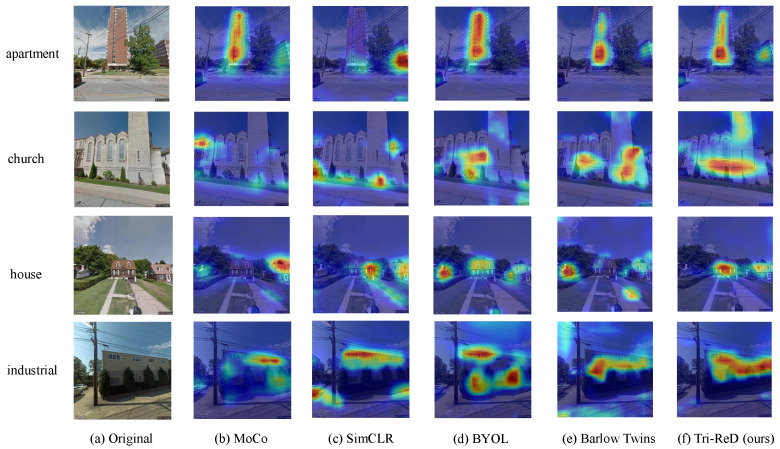 Figure 11
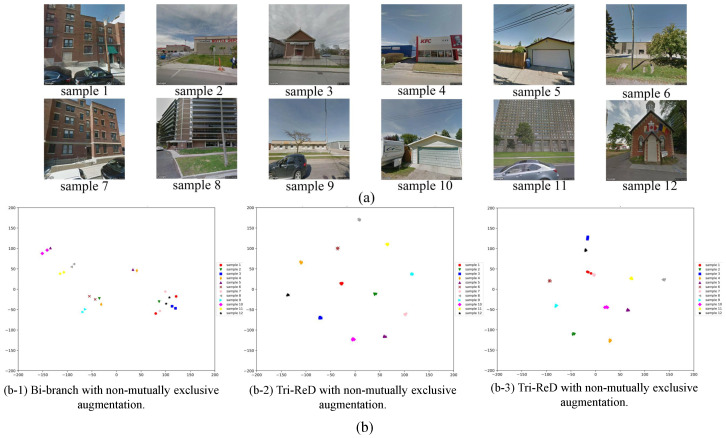 Figure 12
Peer Reviews
No public reviews on file for this paper yet. If you reviewed it on a platform where reviews are public (OpenReview, ICLR, NeurIPS, ICML), you can paste yours below so the community can read it here.
Videos
No videos yet. Explain this paper in a talk, walkthrough, or lecture? Add one.
Taxonomy
TopicsVideo Surveillance and Tracking Methods · Remote-Sensing Image Classification · Remote Sensing and Land Use