The Morphological Dependence of PEDOT on the Supporting Electrolytes Used and the Acquisition of Gold Nanoparticles with a View to Their Use in the Covalent Modification of the Ki-67 Antibody
L. A. Hernández, I. D. M. Figueroa, G. Riveros, M. Luengo, E. Muñoz

TL;DR
This study explores how different electrolytes affect the structure of PEDOT films and gold nanoparticles, aiming to improve antibody modification for biosensors.
Contribution
The study identifies TBAPF6 as the optimal electrolyte for creating PEDOT films and gold nanoparticles suitable for covalent antibody modification.
Findings
Supporting electrolytes significantly influence the morphology and conductivity of PEDOT films.
Gold nanoparticles can be electrosynthesized on all films, with TBAPF6 showing the best distribution for antibody modification.
SEM and ESEM-EDS confirmed the structural and compositional differences in the films and nanoparticles.
Abstract
We studied the influence of different supporting electrolytes (TBAPF6, TMAPF6, TEAPF6, TBAClO4, and LiClO4) on the morphology of PEDOT films electrochemically polymerized on screen-printed carbon electrodes, as part of which the synthesis of gold nanoparticles was tested for the subsequent modification of Ki-67 antibodies. Electrochemical deposition of the polymer was carried out using cyclic voltammetry and was characterized in the same way in solutions without the monomer. The nanoparticles were obtained using chronoamperometry at a constant potential for 3 s. The processes of p- and n-doping/undoping of both deposits (with and without gold) were studied, as was their characterization using SEM and ESEM-EDS. It was found that the supporting electrolytes intervened in the morphology and conductivity of the polymer films. In all films, it was possible to electrosynthesize gold…
Genes, proteins, chemicals, diseases, species, mutations and cell lines named across the full text — each resolved to its canonical identifier and authoritative record.
Click any figure to enlarge with its caption.
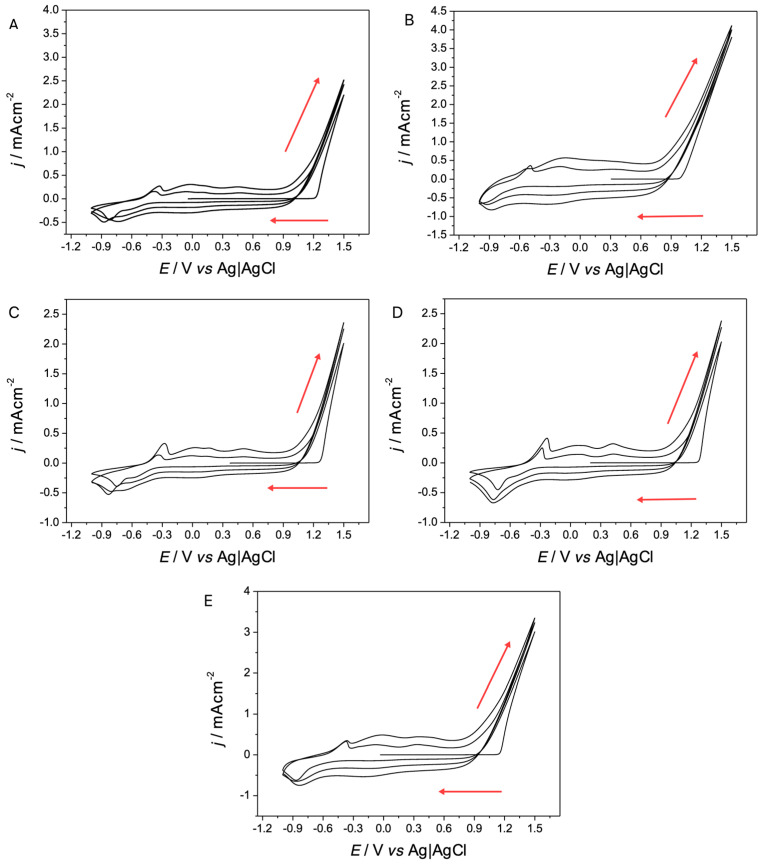 Figure 1
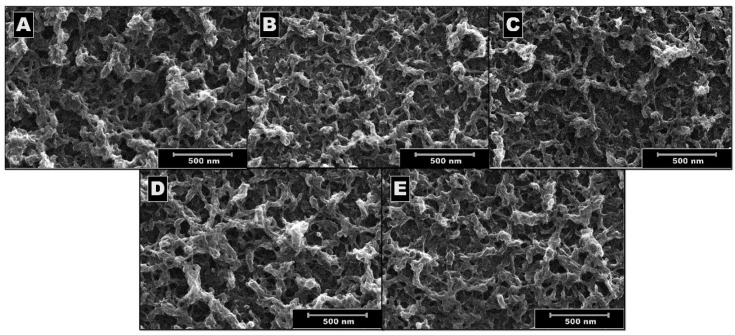 Figure 2
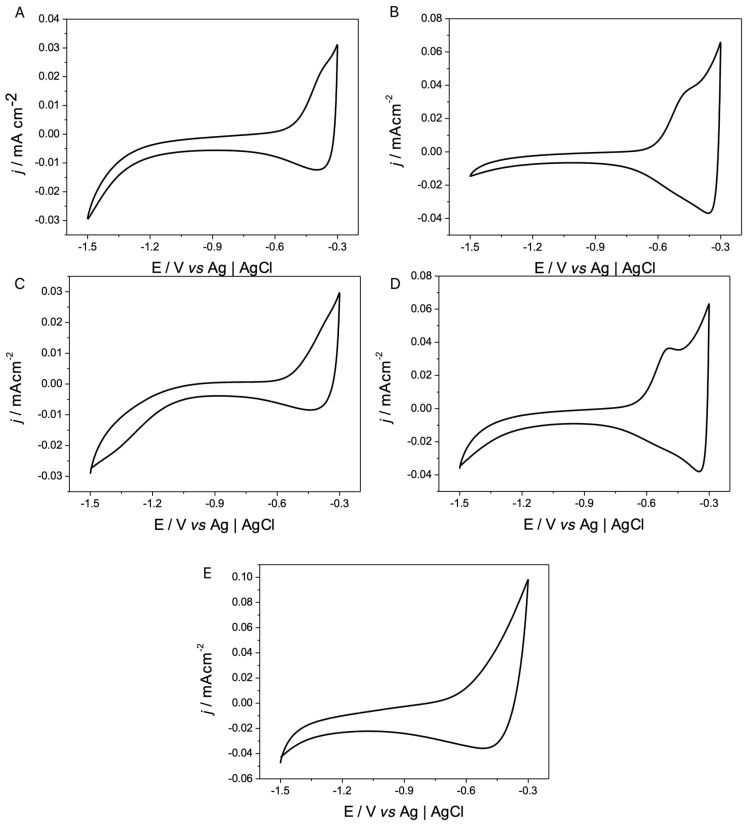 Figure 3
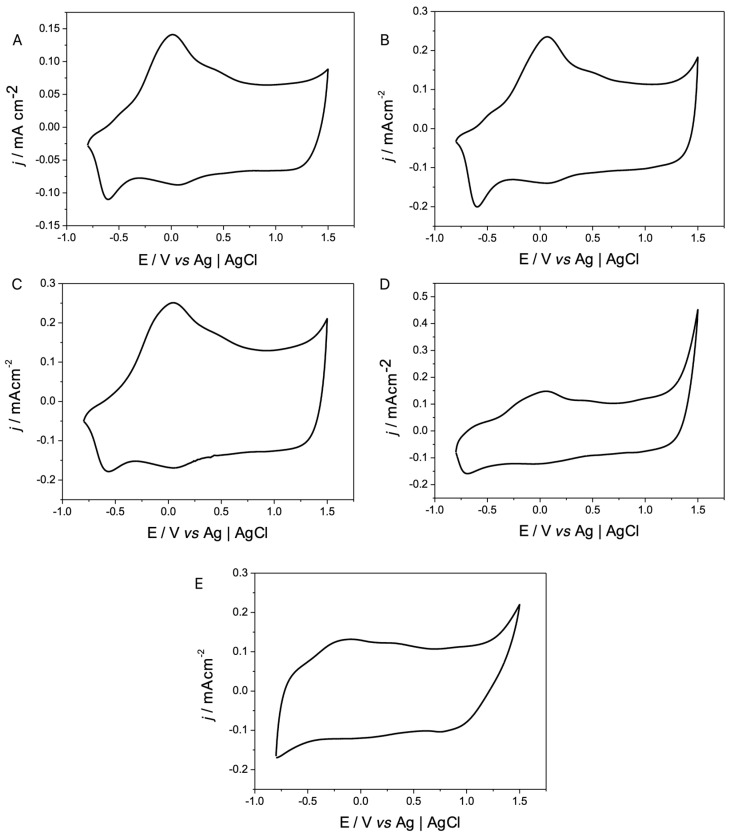 Figure 4
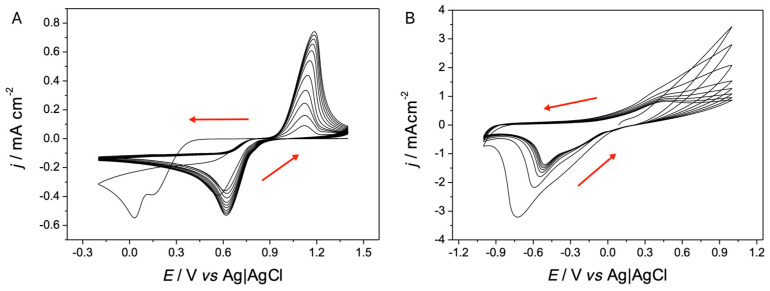 Figure 5
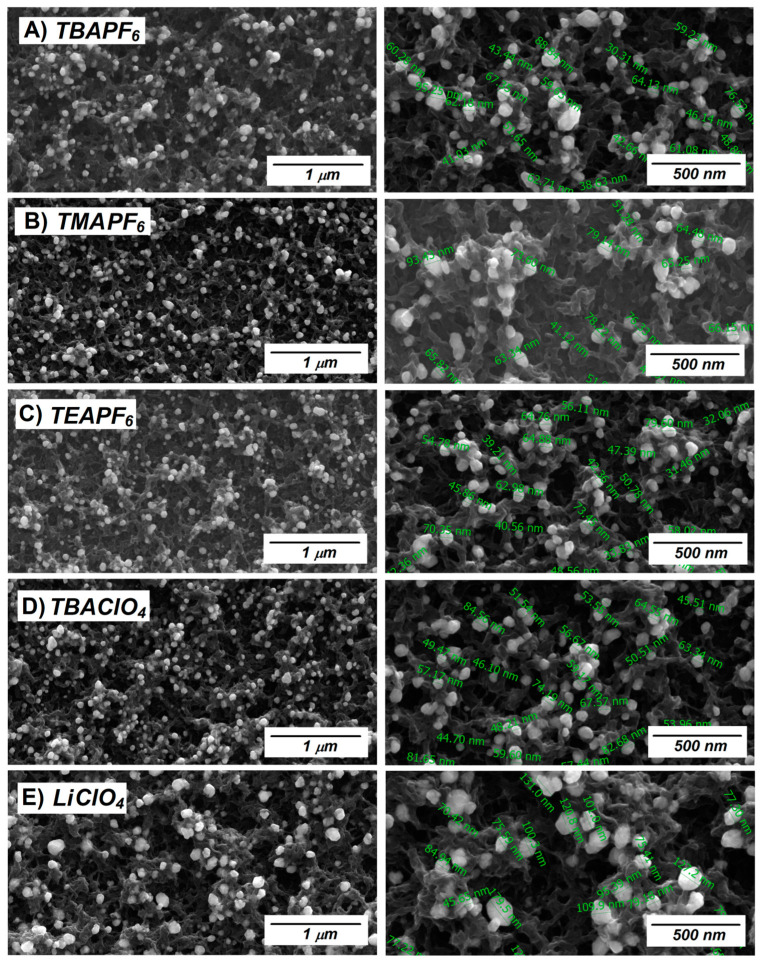 Figure 6
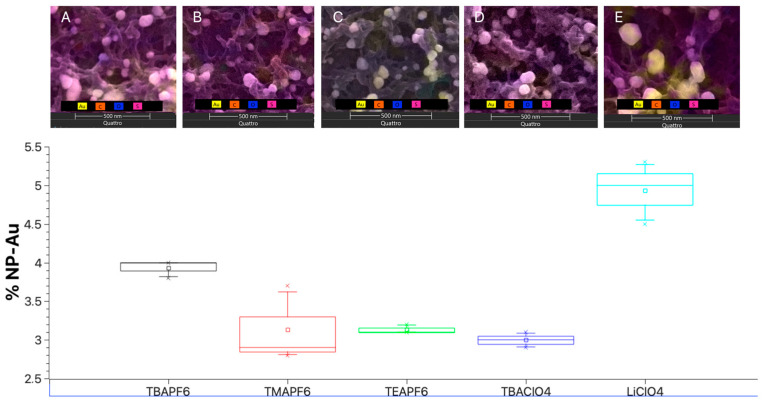 Figure 7
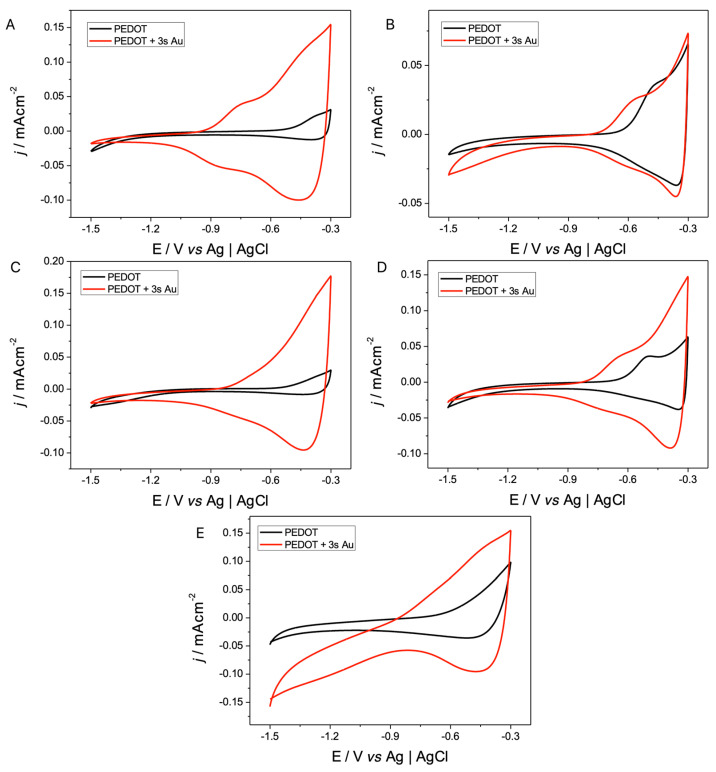 Figure 8
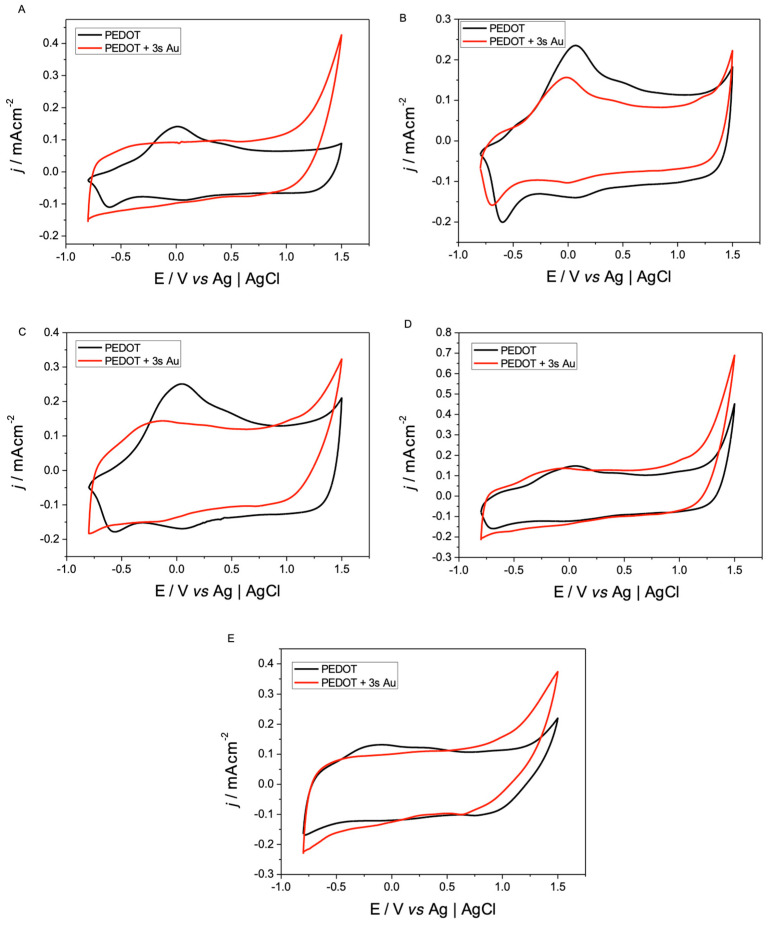 Figure 9
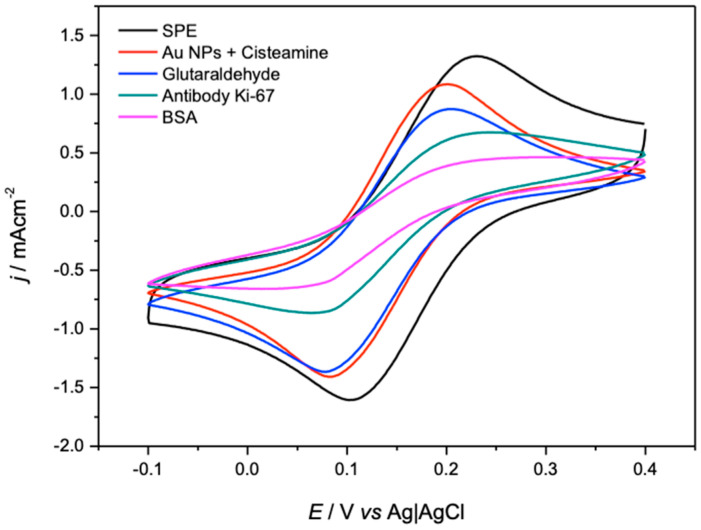 Figure 10
Peer Reviews
No public reviews on file for this paper yet. If you reviewed it on a platform where reviews are public (OpenReview, ICLR, NeurIPS, ICML), you can paste yours below so the community can read it here.
Videos
No videos yet. Explain this paper in a talk, walkthrough, or lecture? Add one.
Taxonomy
TopicsMolecular Junctions and Nanostructures · Conducting polymers and applications · Advanced Sensor and Energy Harvesting Materials