A Study of Null Broadening Algorithms for Navigation Receivers in Highly Dynamic Scenarios
Yuanfa Ji, Tao He, Yu Chen, Chenggan Wen, Xiyan Sun

TL;DR
This paper introduces a new null broadening algorithm for navigation receivers that improves jamming suppression in dynamic environments.
Contribution
The novel algorithm uses eigenvalue sorting to broaden nulls without requiring jamming direction knowledge.
Findings
The proposed algorithm achieves 22 dB deeper nulls in jamming directions compared to CMT.
It increases signal gain by 15 dB and performs well with low jamming-to-signal ratios.
The algorithm maintains robust performance with few snapshots and directional deviations.
Abstract
Due to the narrow nulls formed by the Power Inversion (PI) algorithm, it fails to suppress jamming signals in highly dynamic scenarios effectively. This paper proposes a null broadening algorithm based on eigenvalue sorting. Unlike other algorithms, this one does not require prior knowledge of the direction of jamming. It is based on the Covariance Matrix Taper (CMT) algorithm, which orders the eigenvalues of the sampling covariance matrix. The sample covariance matrix’s eigenvalues are sorted to provide new sample data, and the rebuilt covariance matrix is then averaged forward and backward. The experimental results demonstrate that the proposed algorithm can effectively broaden the null. Compared with the CMT algorithm, the null in the jamming direction is, on average, approximately 22 dB deeper under the experimental conditions, and the gain in the direction of the sound signal is…
Genes, proteins, chemicals, diseases, species, mutations and cell lines named across the full text — each resolved to its canonical identifier and authoritative record.
Click any figure to enlarge with its caption.
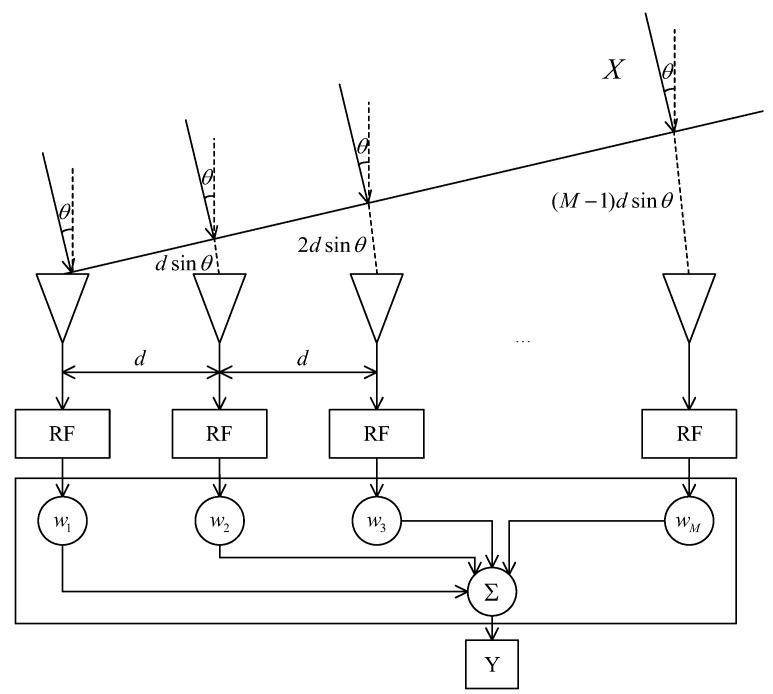 Figure 1
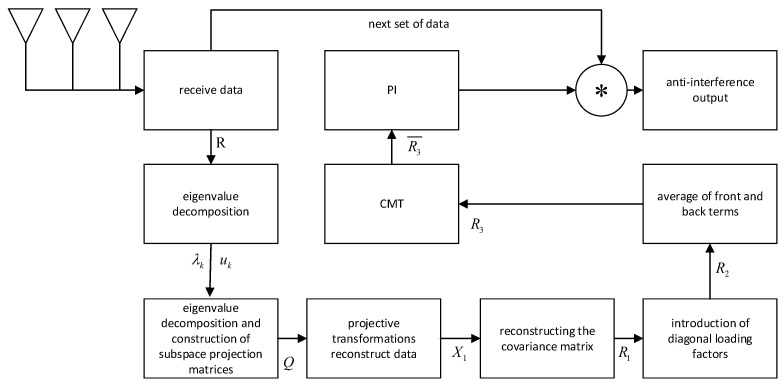 Figure 2
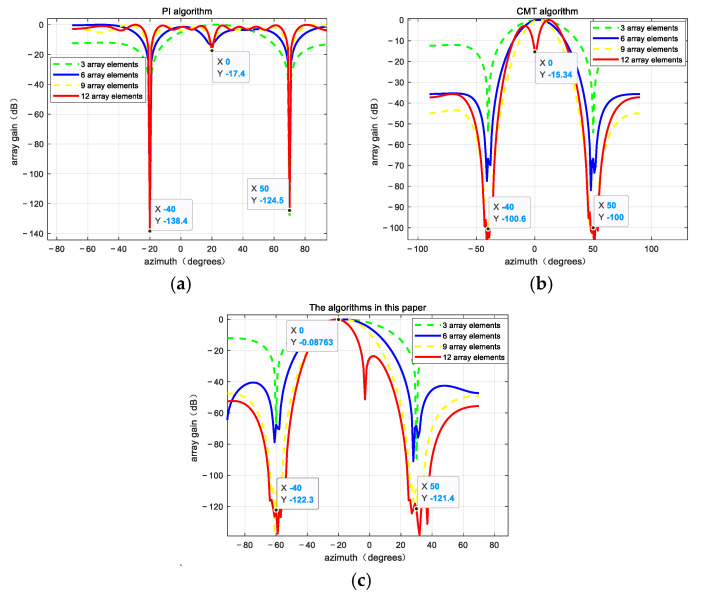 Figure 3
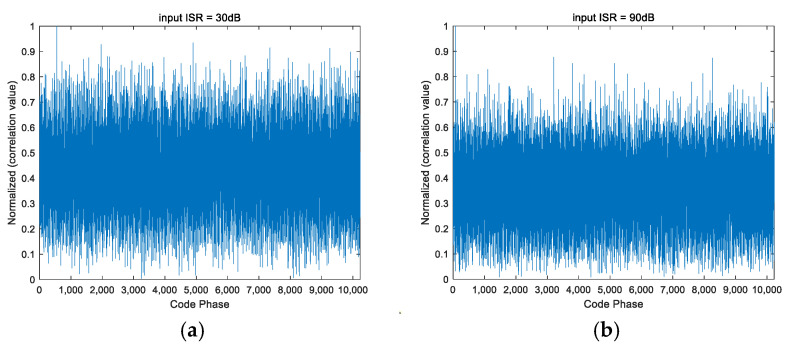 Figure 4
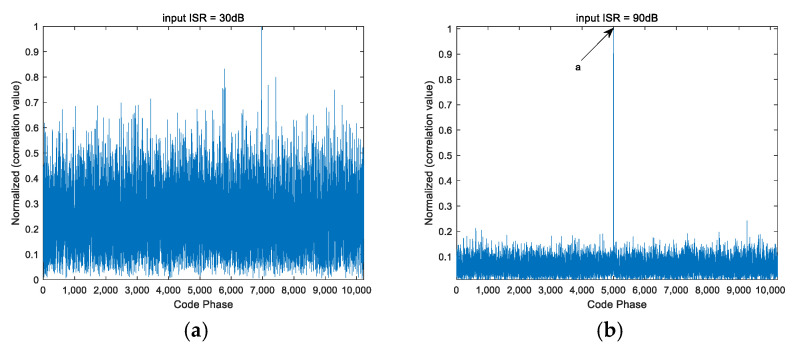 Figure 5
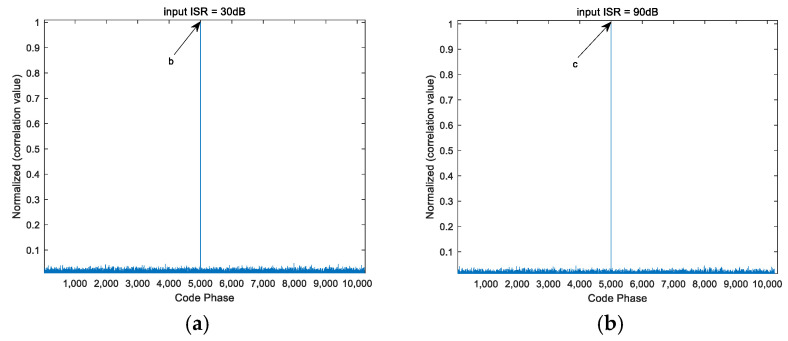 Figure 6
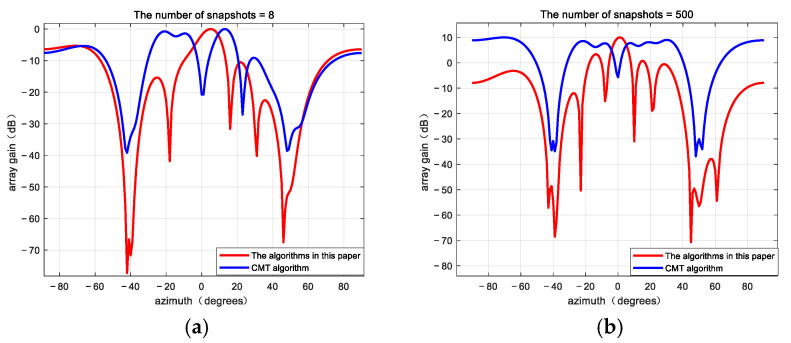 Figure 7
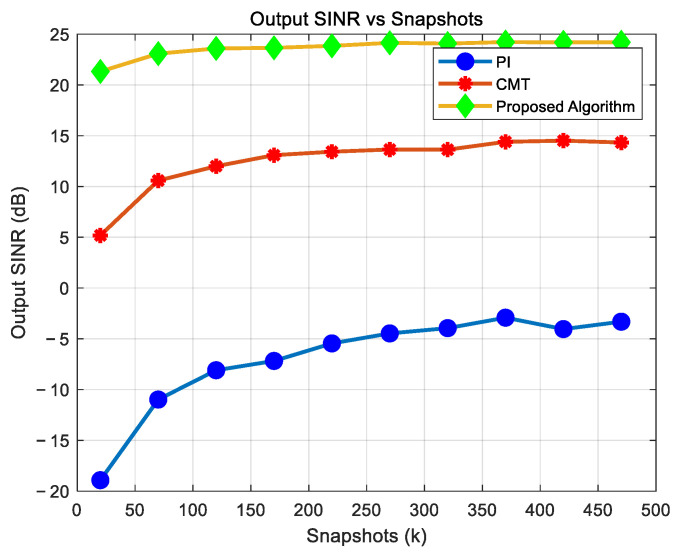 Figure 8
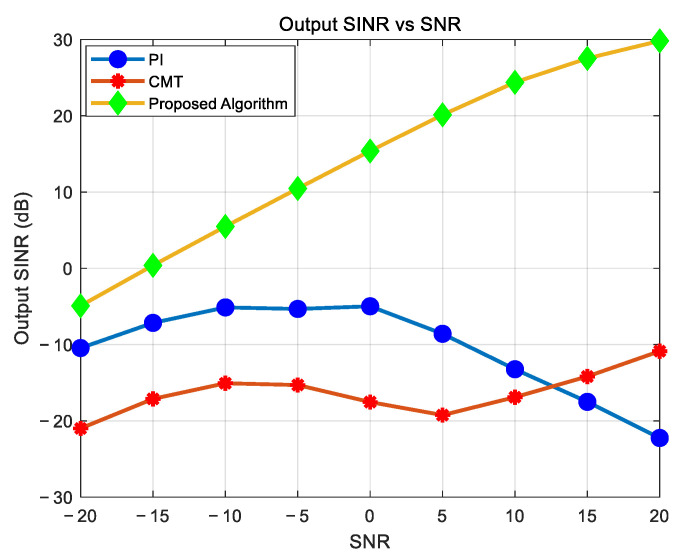 Figure 9
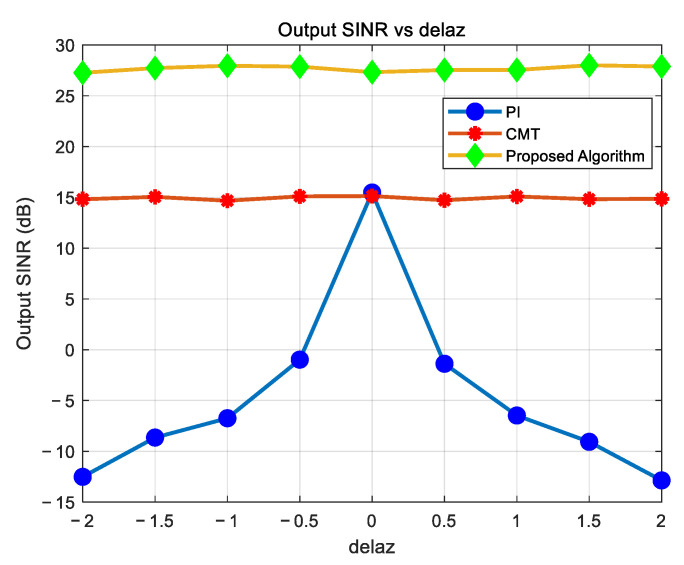 Figure 10
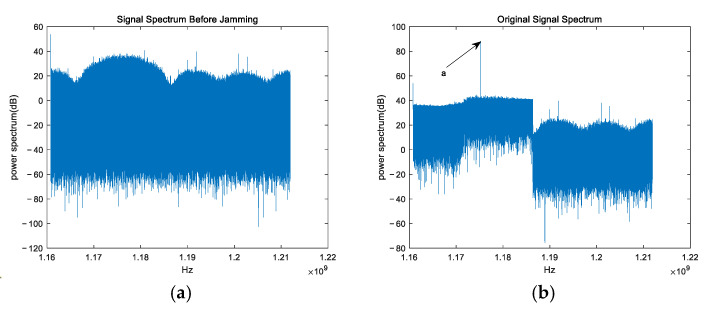 Figure 11
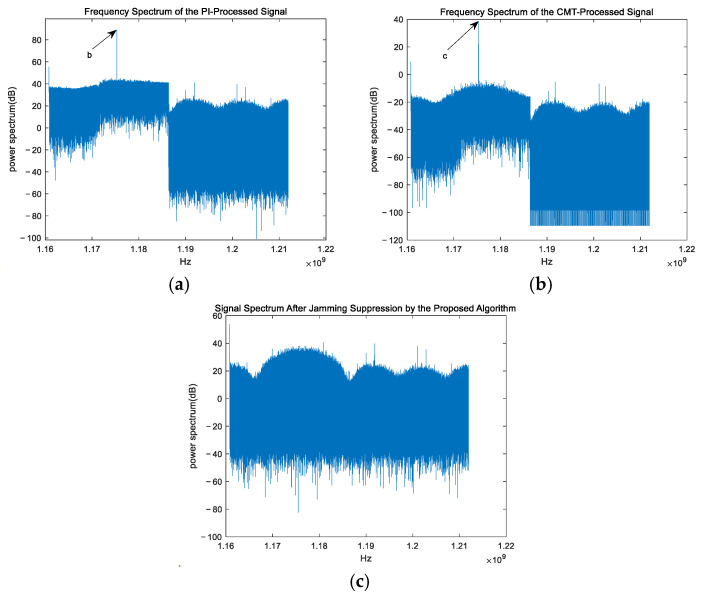 Figure 12
Peer Reviews
No public reviews on file for this paper yet. If you reviewed it on a platform where reviews are public (OpenReview, ICLR, NeurIPS, ICML), you can paste yours below so the community can read it here.
Videos
No videos yet. Explain this paper in a talk, walkthrough, or lecture? Add one.
Taxonomy
TopicsSpeech and Audio Processing · Underwater Acoustics Research · Direction-of-Arrival Estimation Techniques