The Fabaceae in Northeastern Mexico (Subfamily Papilionoideae, Tribes Amorpheae, Brongniartieae, and Dalbergieae)
Eduardo Estrada Castillón, José Ángel Villarreal Quintanilla, Juan Antonio Encina Domínguez, Arturo Mora Olivo, Jaime Sánchez Salas, Gisela Muro Pérez, Eduardo Alanís Rodríguez, Renata Aidé Valdés Alameda, Nelly Sandoval Mata, Gilberto Ocampo

TL;DR
This paper presents the first comprehensive overview of legumes in northeastern Mexico, detailing their taxonomy and diversity.
Contribution
The study clarifies taxonomic limits of legume genera and provides updated nomenclature for the first time in this region.
Findings
The study identifies 16 genera and 75 species of legumes in three tribes in northeastern Mexico.
Dalea is the most diverse genus with 43 species, 17 of which are endemic to Mexico.
Three Eysenhardtia species are exclusive to northeastern Mexico, but no species in the other tribes are endemic there.
Abstract
A compendium of the legumes of the subfamily Papilionoideae, tribes Amorpheae, Brongniarteae, and Dalbergieae in northeastern Mexico is presented for the first time, including changes in their botanical nomenclature within tribes and genera. Based on recently published studies, the taxonomic limits of several genera and new ones segregated such as Marina and Ctenodon are clarified and included. Based mainly on fieldwork over the past 40 years, as well as reviewing specimens in national and international herbaria, we show the total diversity of legumes of the subfamily Papilionoideae, tribes Amorpheae, Brongniarteae, and Dalbergieae. The three tribes include 16 genera and 75 species. Tribe Amorpheae comprises five genera (Amorpha, Dalea, Eysenhardtia, Marina, and Psorothamnus) and forty-three species; tribe Brongniartieae comprises two genera Brongniartia and Harpalyce) and eight…
Genes, proteins, chemicals, diseases, species, mutations and cell lines named across the full text — each resolved to its canonical identifier and authoritative record.
Click any figure to enlarge with its caption.
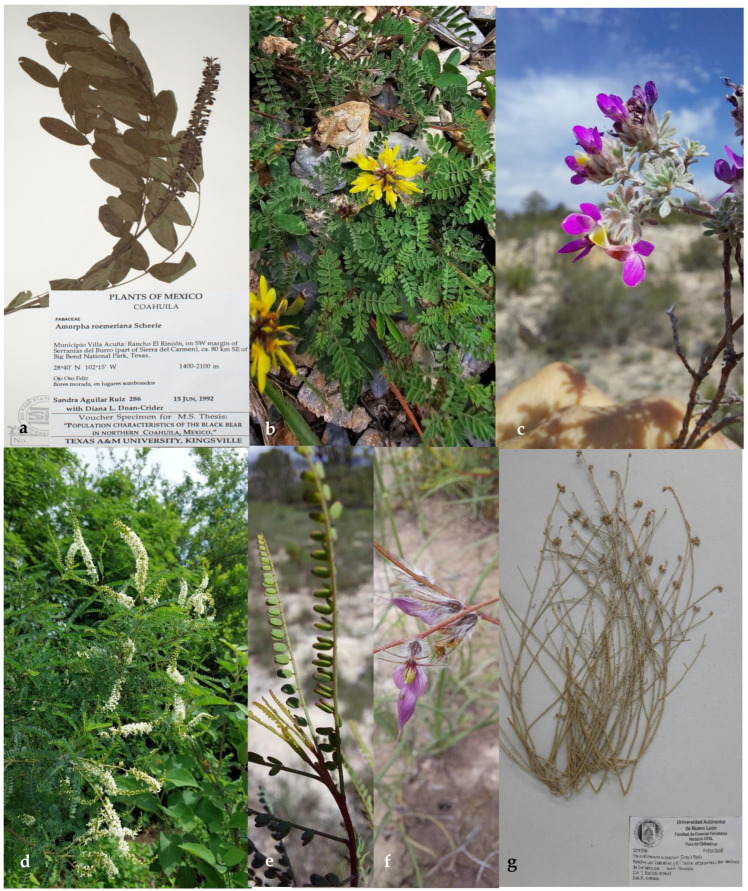 Figure 1
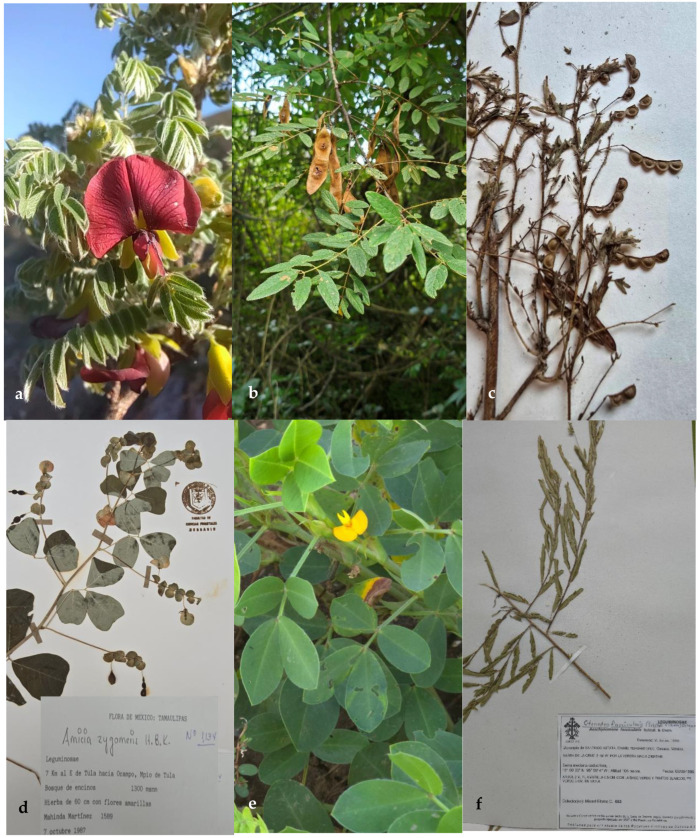 Figure 2
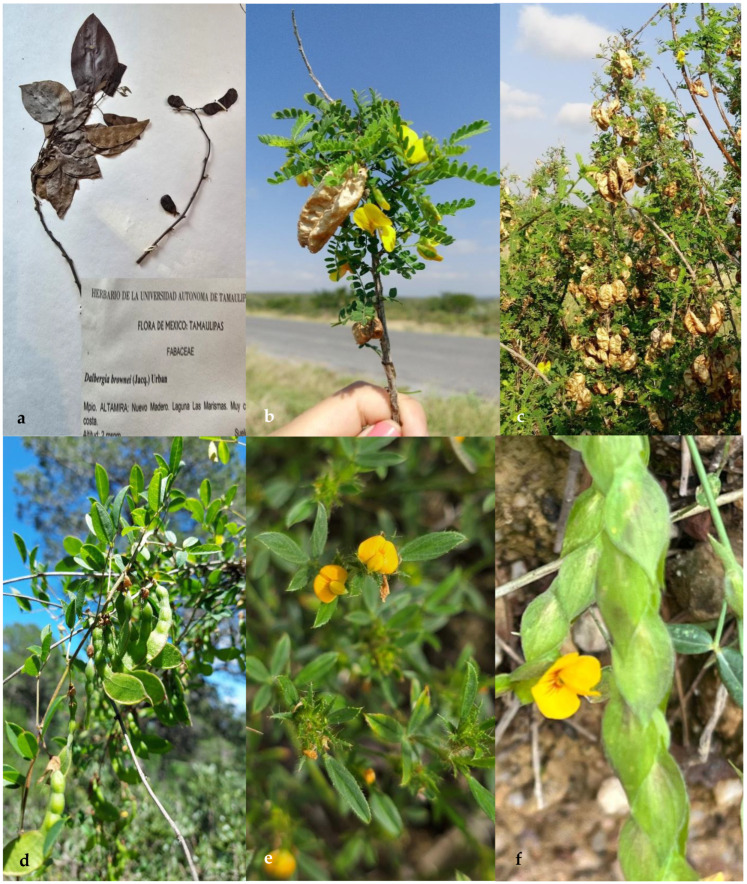 Figure 3
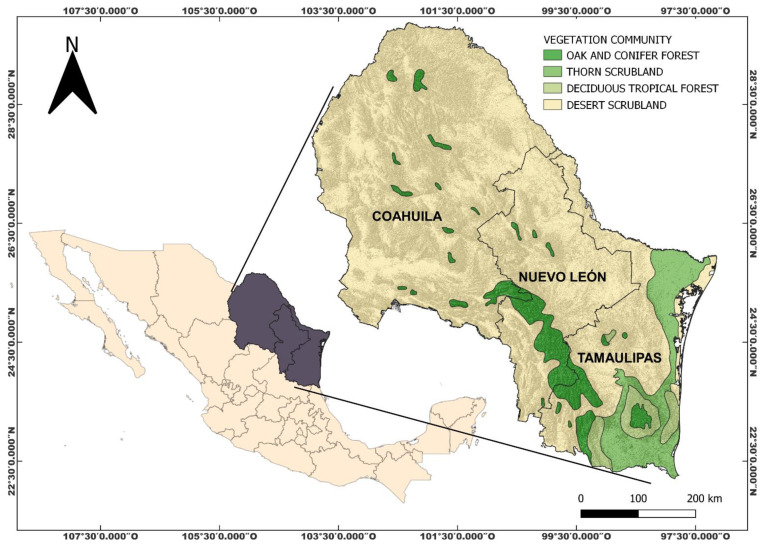 Figure 4
Peer Reviews
No public reviews on file for this paper yet. If you reviewed it on a platform where reviews are public (OpenReview, ICLR, NeurIPS, ICML), you can paste yours below so the community can read it here.
Videos
No videos yet. Explain this paper in a talk, walkthrough, or lecture? Add one.
Taxonomy
TopicsBotanical Research and Chemistry · Ethnobotanical and Medicinal Plants Studies · Botany, Ecology, and Taxonomy Studies