Investigation of the Partial Permittivity of Rigid Polyurethane Foams by a Circular One-Side-Access Capacitive Sensor
Ilze Beverte

TL;DR
This paper presents a novel experimental study on the partial permittivity of rigid polyurethane foams using a circular one-side-access capacitive sensor with three electrodes.
Contribution
The study introduces an original method to determine model functions for partial permittivity data and identifies the highest rate of change in permittivity.
Findings
The highest rate of change in partial permittivity occurs at the inter-electrode zone.
The rate of change depends nonlinearly on density and true permittivity, approximated by second-order polynomials.
The overall permittivity change pattern matches the theoretical surface charge density distribution curve for a two-electrode sensor.
Abstract
The determination of the surface charge density distribution and the transcapacitance of capacitive one-side-access circular sensors with three electrodes on the active surface remains problematic both theoretically and experimentally. To provide an input, a novel experimental study was carried out on the partial permittivity of rigid PU foams by means of a capacitive circular OSA sensor with three electrodes on the active surface. An original and effective method was elaborated in order to determine the model functions of the obtained experimental data of the partial permittivity. A numerical estimation for the rate of change in the partial permittivity was made and the highest rate of change was determined. It was identified that the highest rate of change takes place at the inter-electrode zone and depends on the density and the true permittivity in a nonlinear mode, approximated…
Genes, proteins, chemicals, diseases, species, mutations and cell lines named across the full text — each resolved to its canonical identifier and authoritative record.
Click any figure to enlarge with its caption.
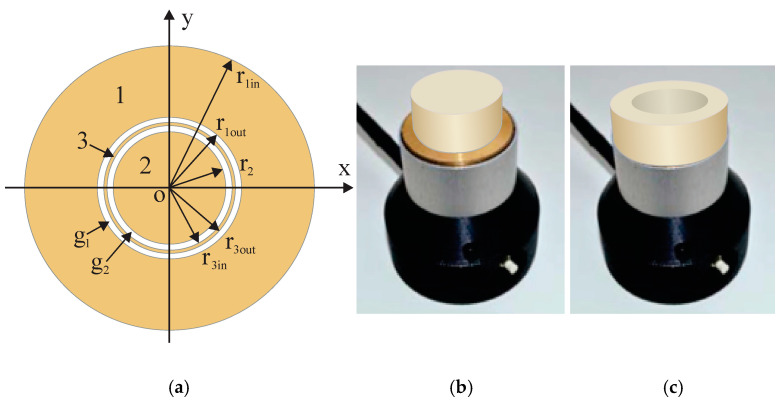 Figure 1
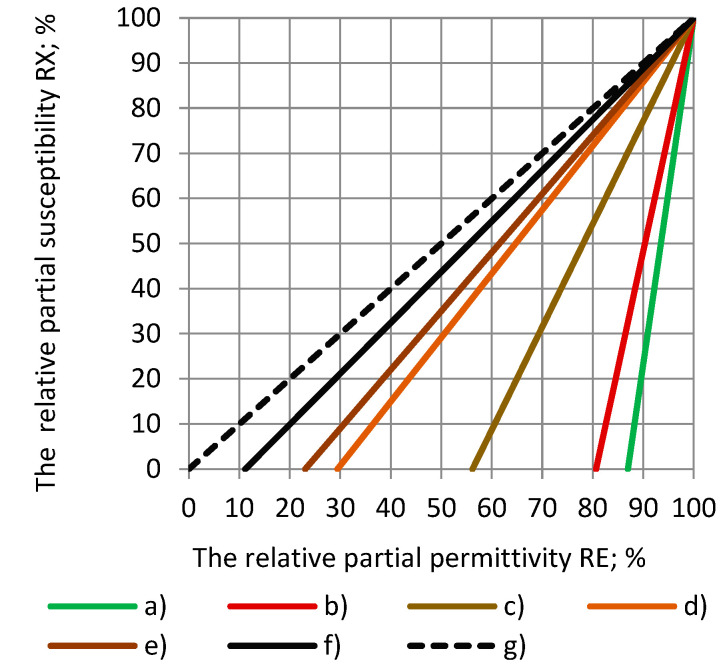 Figure 2
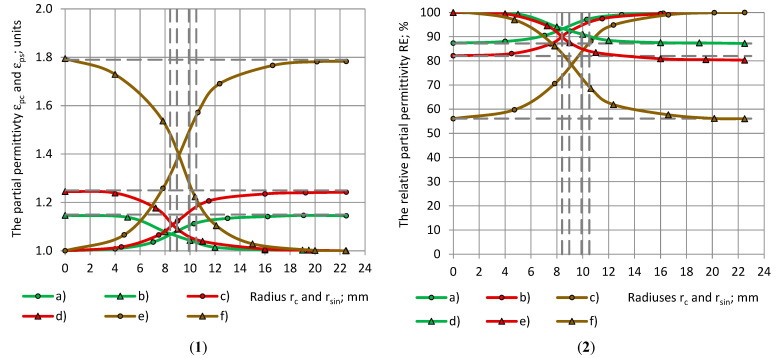 Figure 3
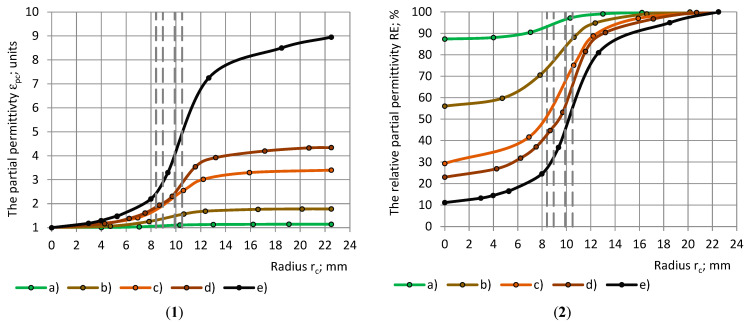 Figure 4
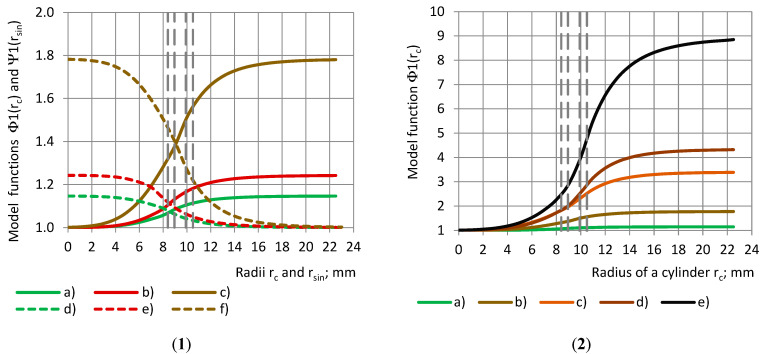 Figure 5
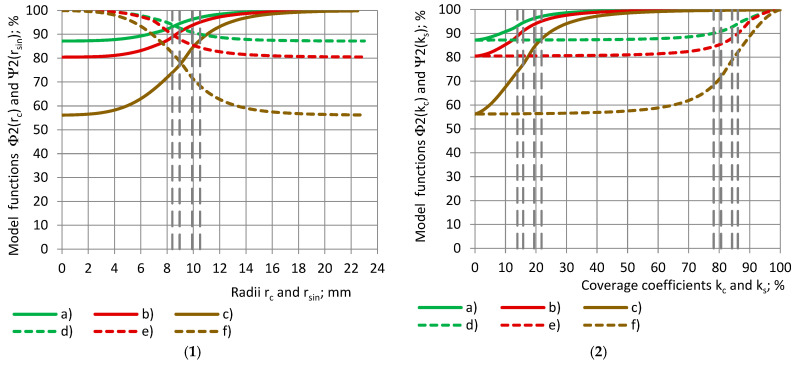 Figure 6
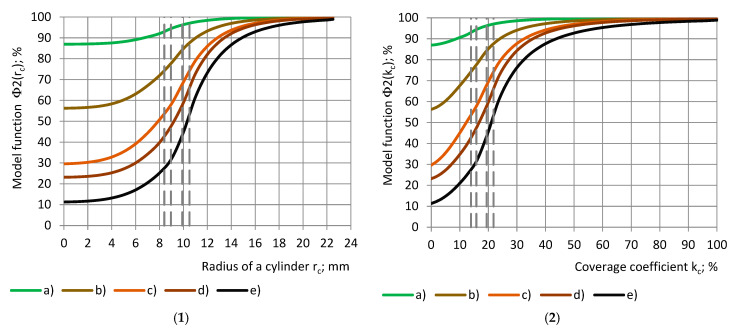 Figure 7
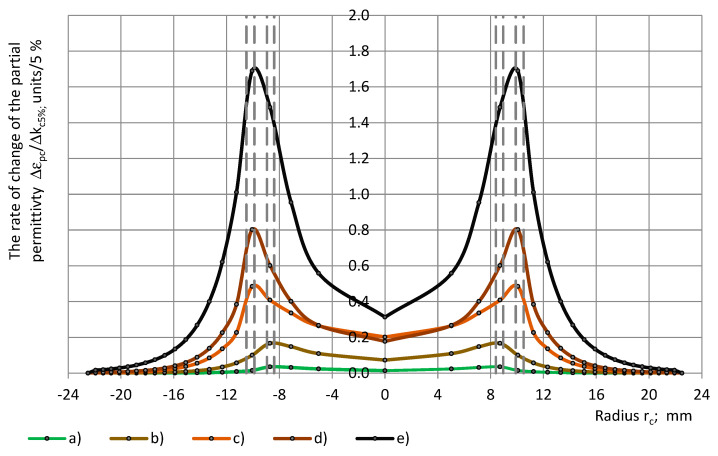 Figure 8
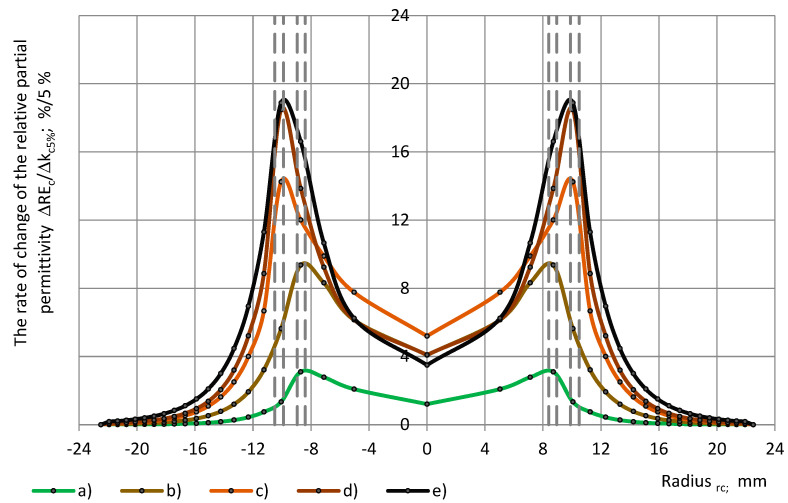 Figure 9
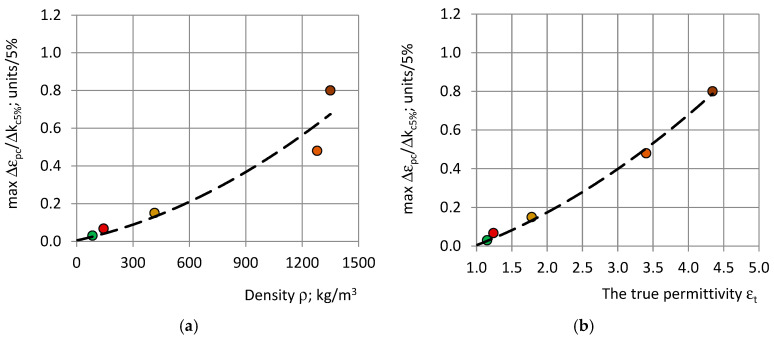 Figure 10
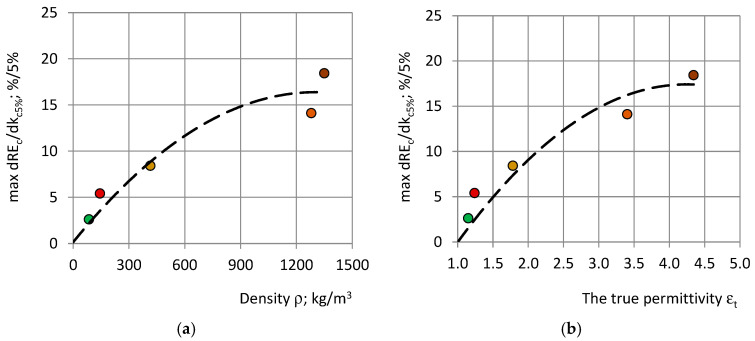 Figure 11
Peer Reviews
No public reviews on file for this paper yet. If you reviewed it on a platform where reviews are public (OpenReview, ICLR, NeurIPS, ICML), you can paste yours below so the community can read it here.
Videos
No videos yet. Explain this paper in a talk, walkthrough, or lecture? Add one.
Taxonomy
TopicsAdvanced Sensor and Energy Harvesting Materials · Dielectric materials and actuators · Analytical Chemistry and Sensors