The Experimental Study of the Validity of the Lagrange–Helmholtz Relationship in Geomagnetic Fields
Jing-jin Zhang, Yu-wei Xu, Zeng-zhou Yi, Qin-lao Yang, Jun-kun Huang, Fang-ke Zong

TL;DR
This study confirms that the Lagrange–Helmholtz relationship holds in streak cameras even under geomagnetic interference, improving image reconstruction stability.
Contribution
The paper experimentally validates the Lagrange–Helmholtz relationship in streak tube systems under geomagnetic fields.
Findings
The Lagrange–Helmholtz relationship remains valid in streak tube systems under geomagnetic interference.
Imaging plane spatial resolution is consistent despite environmental disturbances.
Specific image orientations are no longer required for reconstruction.
Abstract
Streak cameras, known for their ultra-high spatiotemporal resolution, rely heavily on the spatial resolution capabilities of their core component, the streak tube, to ensure engineering stability. However, factors such as assembly inaccuracies and external magnetic fields, including geomagnetic interference, often cause deformation and shifts in the imaging plane. To enhance equipment stability and accelerate engineering advancements, a dual approach involving hardware improvements and computational imaging-based software corrections is essential. Future image reconstruction efforts in software require robust benchmarks; however, existing benchmarks are predominantly validated under idealized conditions, neglecting real-world interference factors. This study, grounded in electron optical imaging principles, experimentally confirms that the Lagrange–Helmholtz relationship remains valid…
Genes, proteins, chemicals, diseases, species, mutations and cell lines named across the full text — each resolved to its canonical identifier and authoritative record.
Click any figure to enlarge with its caption.
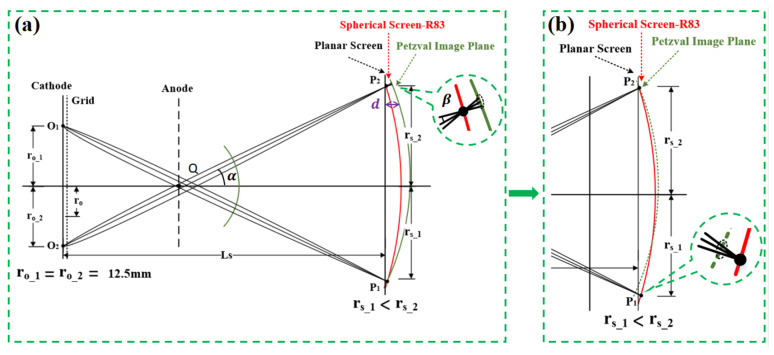 Figure 1
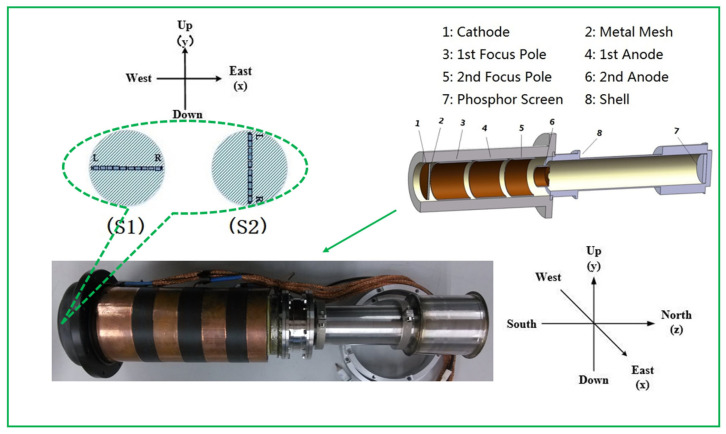 Figure 2
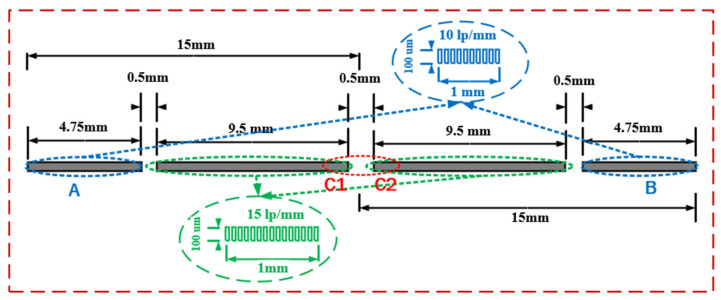 Figure 3
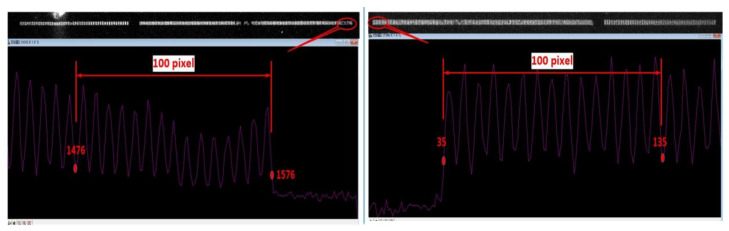 Figure 4
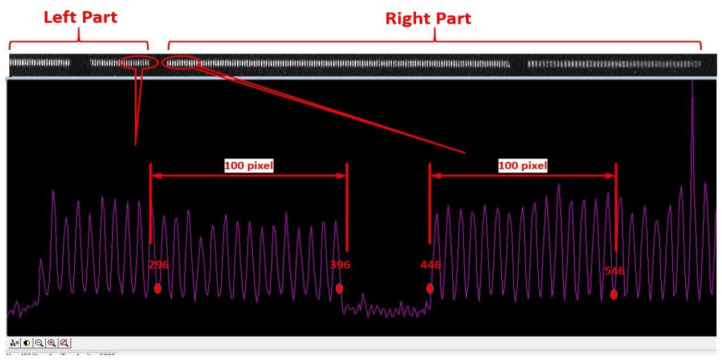 Figure 5
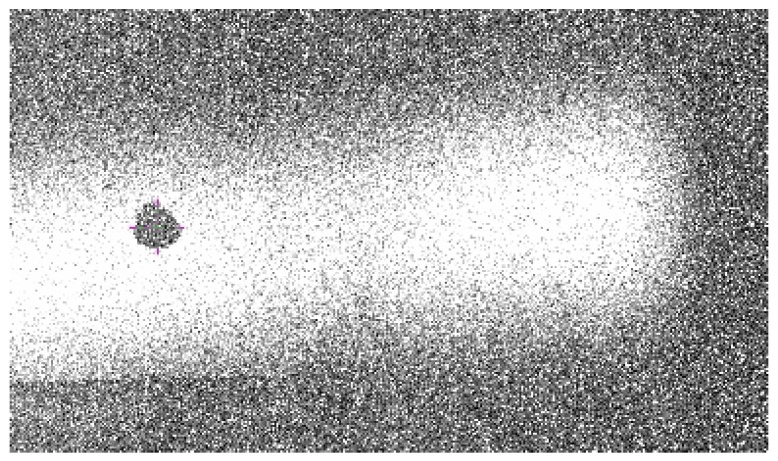 Figure 6
Peer Reviews
No public reviews on file for this paper yet. If you reviewed it on a platform where reviews are public (OpenReview, ICLR, NeurIPS, ICML), you can paste yours below so the community can read it here.
Videos
No videos yet. Explain this paper in a talk, walkthrough, or lecture? Add one.
Taxonomy
TopicsAdvanced Optical Sensing Technologies · Remote Sensing and LiDAR Applications · Optical measurement and interference techniques