Investigation of the Mechanical Properties of Calcareous Sand Improved by Polyurethane Foam Adhesive Under Fixed Principal Stress Axes Shearing
Dan Chang, Yongjun Xie, Xinghua Zhang, Jiankun Liu

TL;DR
This study examines how polyurethane improves the strength of calcareous sand under different stress conditions, offering insights for engineering applications.
Contribution
The study introduces a modified Lade criterion for predicting multiaxial strength with polymer content and a generalized linear strength theory.
Findings
Failure strength decreases at α = 45° and increases afterward with a 30% decrease and 25% increase at 5% polyurethane.
Non-coaxial angles between strain and stress directions reached up to 15°, increasing with polyurethane content.
Polyurethane content increased sample strength by 20% at θσ = −19.1° and α = 60°.
Abstract
The mechanical properties and envelope curve predictions of polyurethane-improved calcareous sand are significantly influenced by the magnitude and direction of principal stress. This study conducted a series of directional shearing tests with varying polyurethane contents (c = 2.5%, 5%, and 7.5%), stress Lode angles (θσ = −19.1°, 0°, 19.1°, and 30°), and major principal stress angles (α = 0°, 30°, 45°, 60°, and 90°) to investigate the strength and non-coaxial characteristics of calcareous sand improved by polyurethane foam adhesive (PFA). Key findings revealed that failure strength varied significantly with the major principal stress axis direction, initially decreasing to a minimum at α = 45° before increasing, with a 30% decrease and 25% increase observed at c = 5%. Non-coaxial characteristics between strain increment and stress directions became more pronounced, with angles varying…
Genes, proteins, chemicals, diseases, species, mutations and cell lines named across the full text — each resolved to its canonical identifier and authoritative record.
Click any figure to enlarge with its caption.
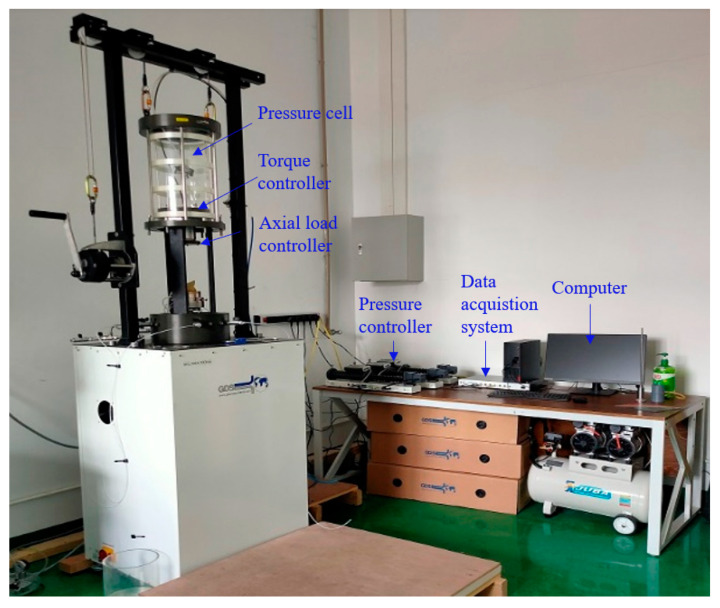 Figure 1
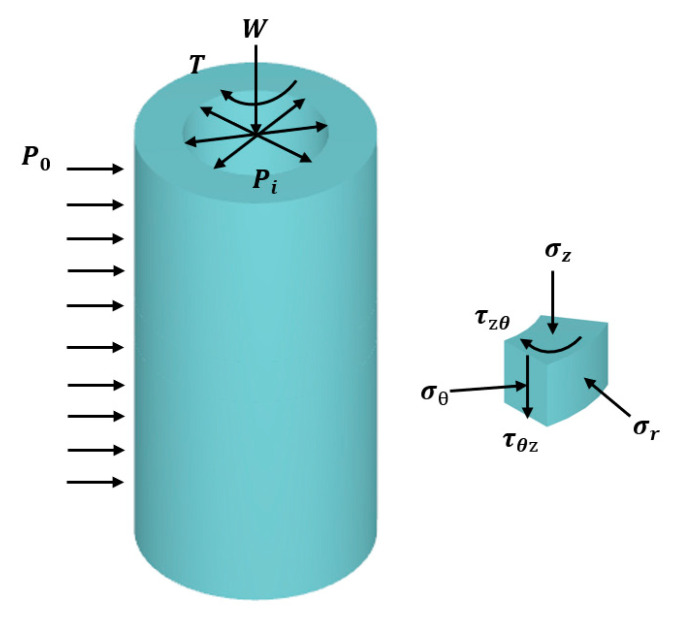 Figure 2
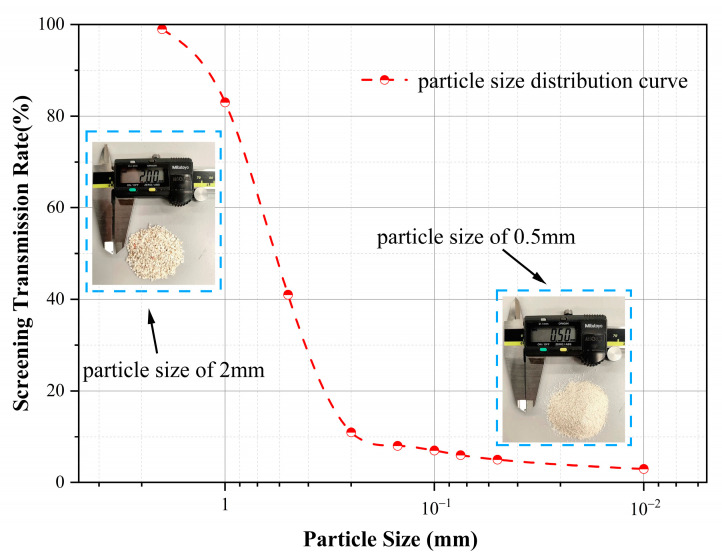 Figure 3
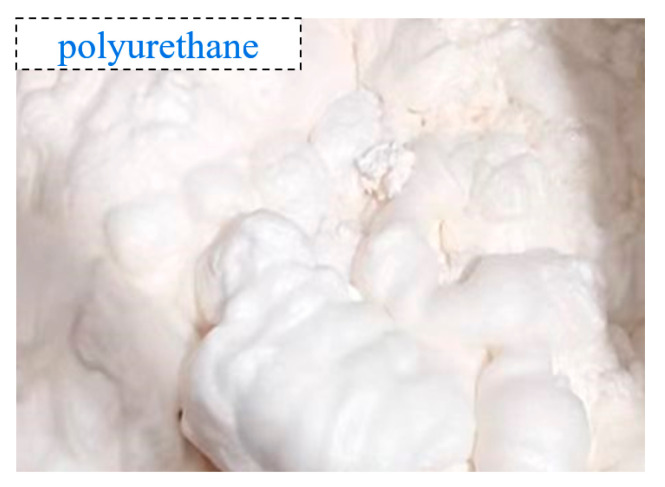 Figure 4
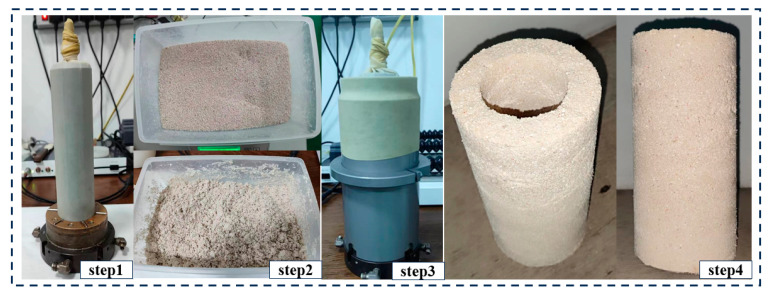 Figure 5
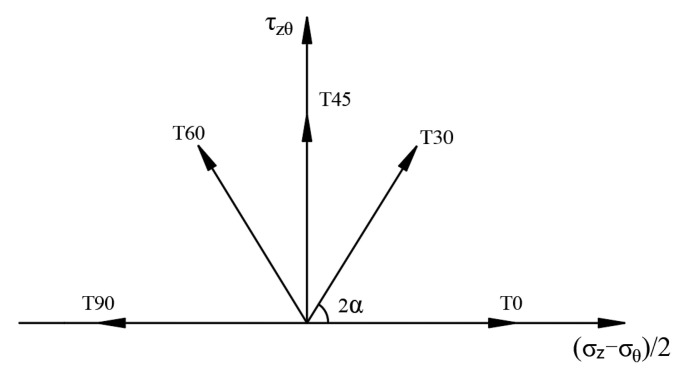 Figure 6
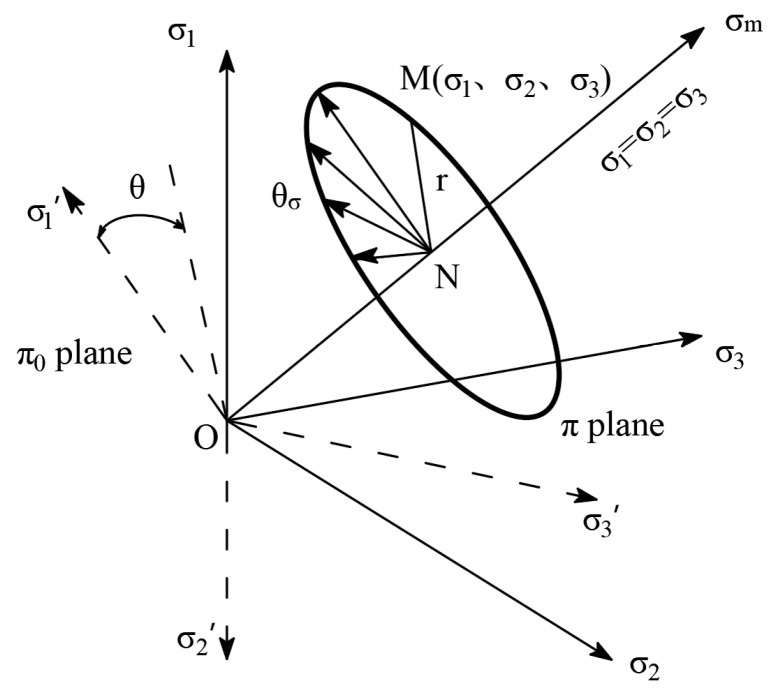 Figure 7
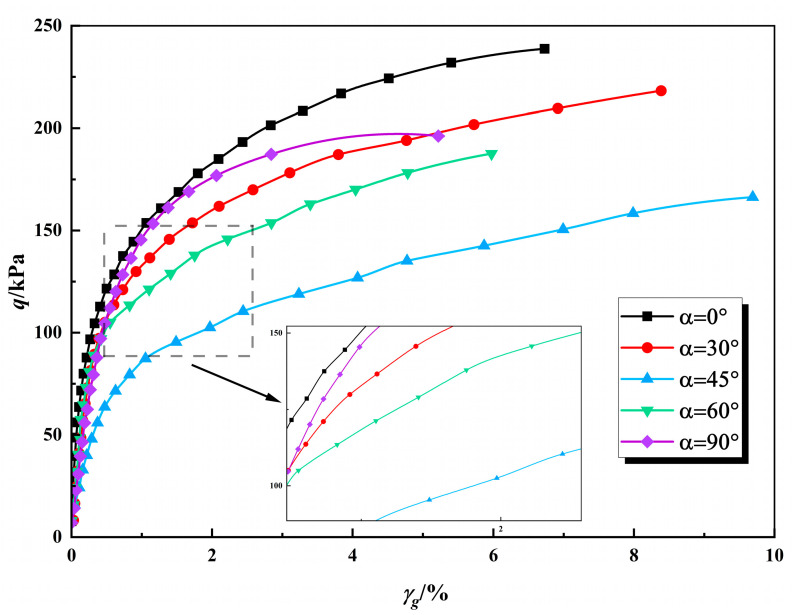 Figure 8
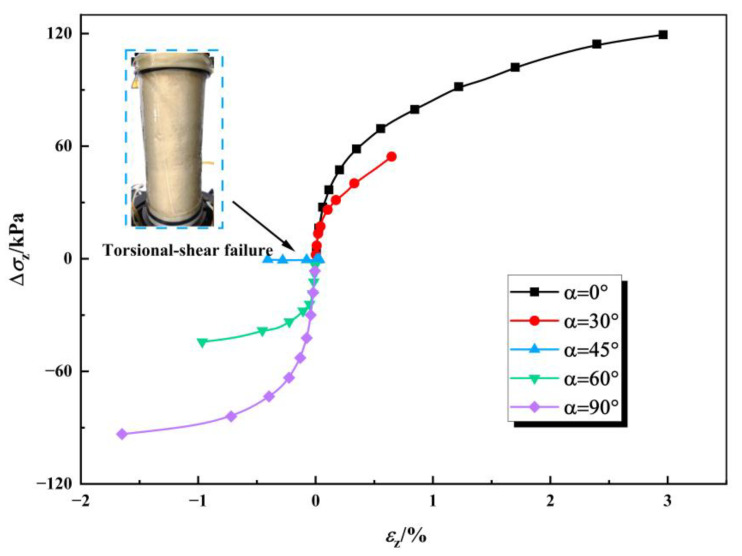 Figure 9
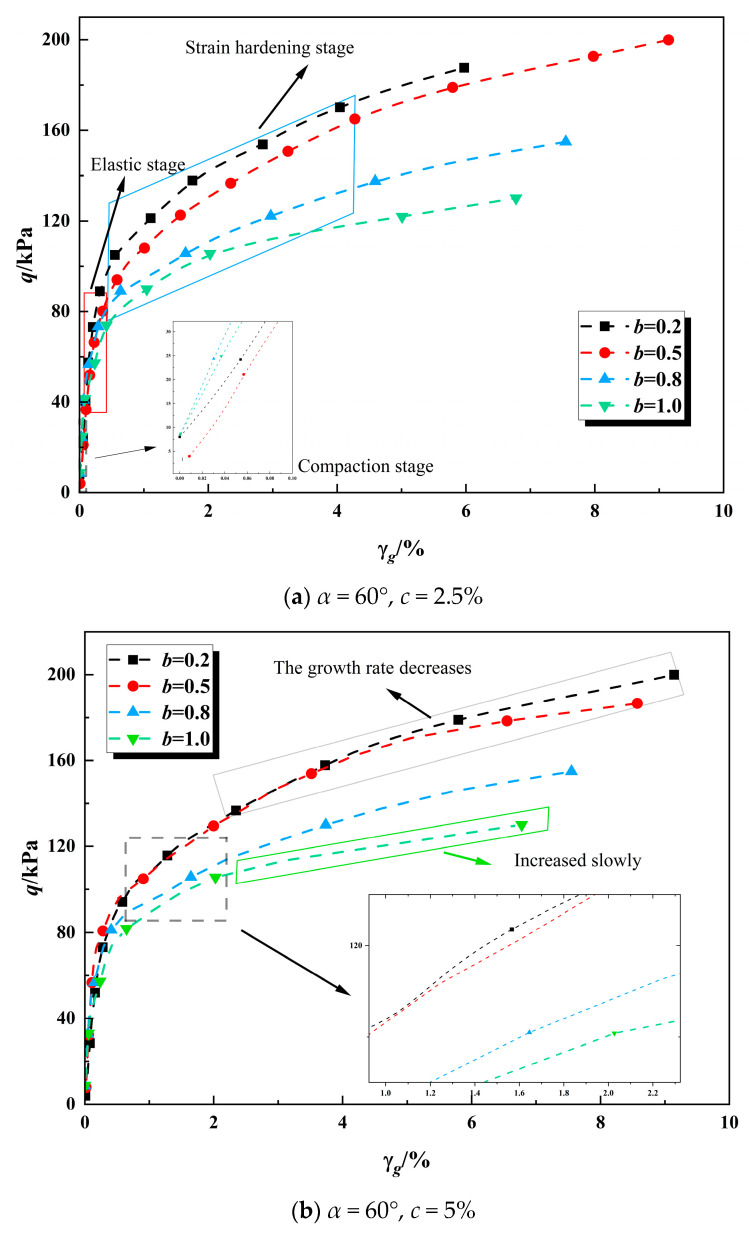 Figure 10
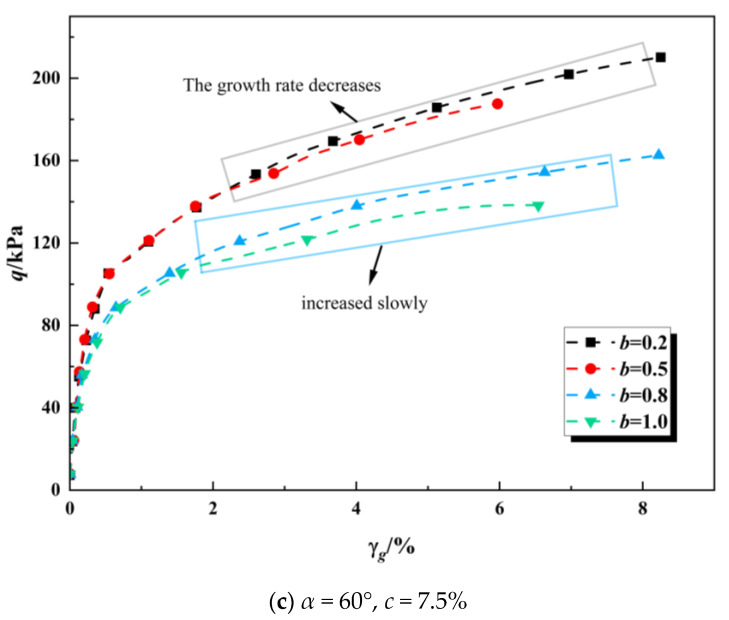 Figure 11
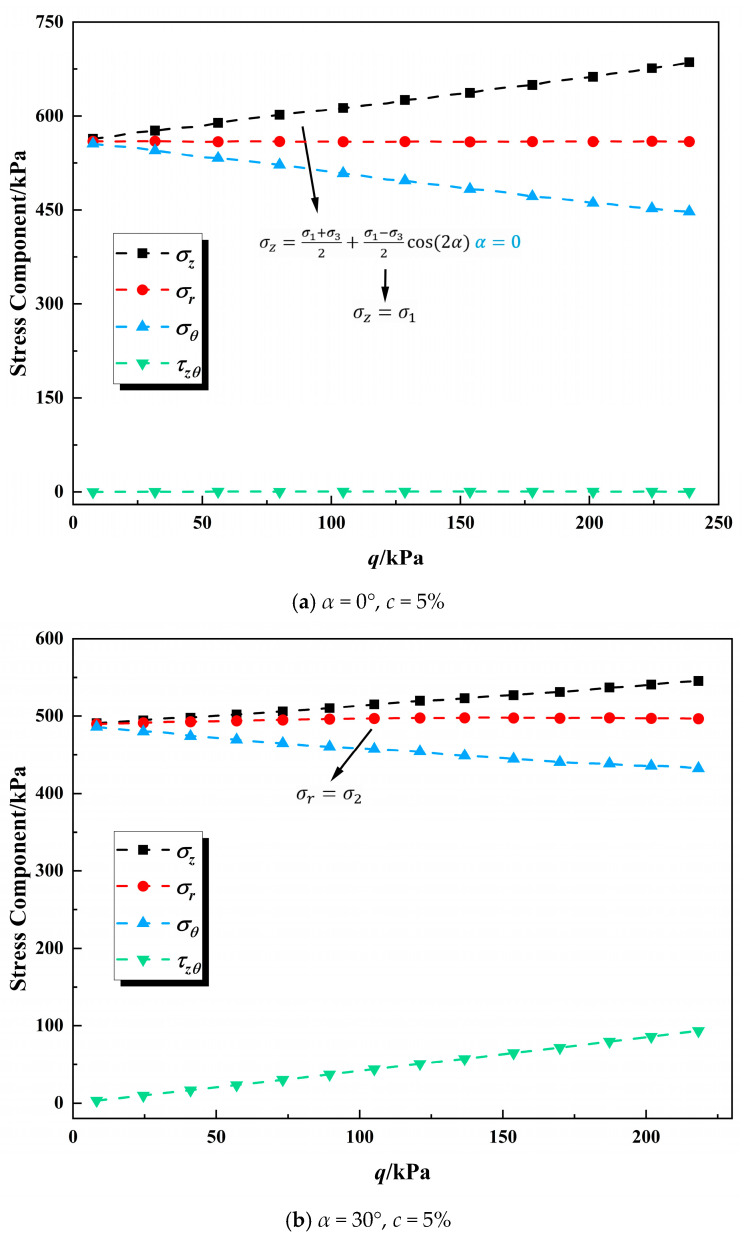 Figure 12
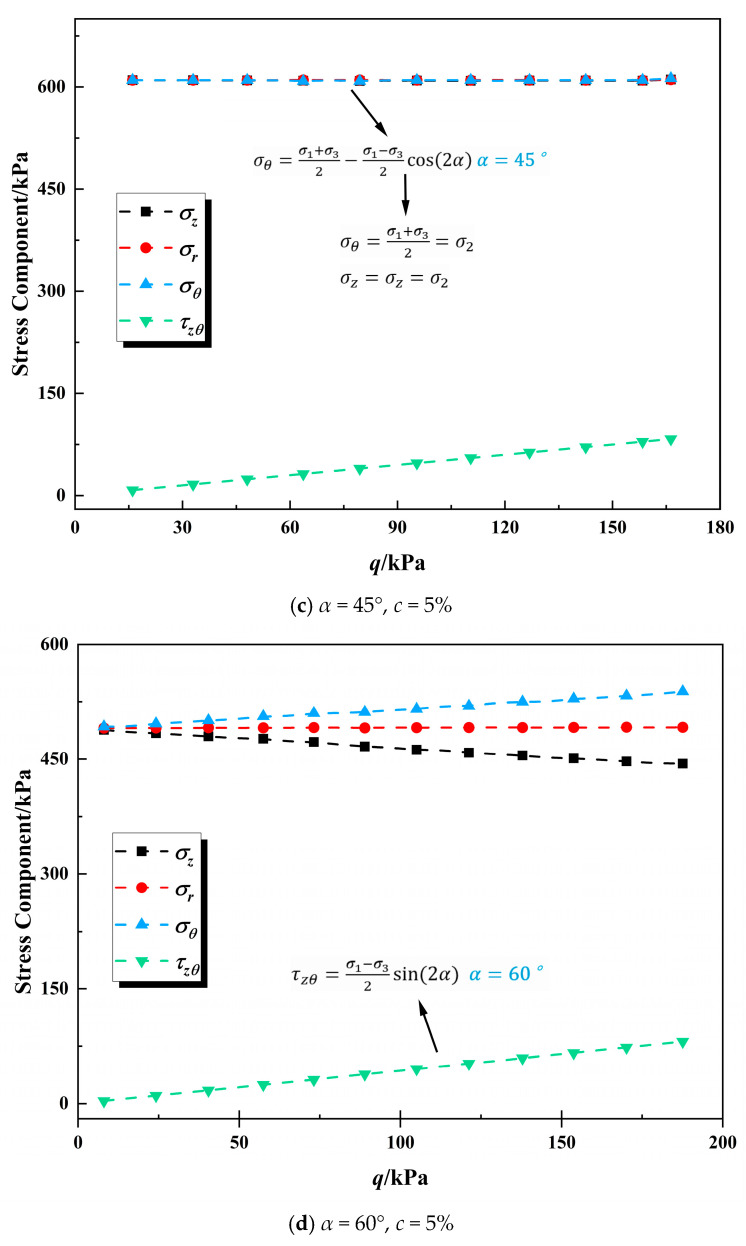 Figure 13
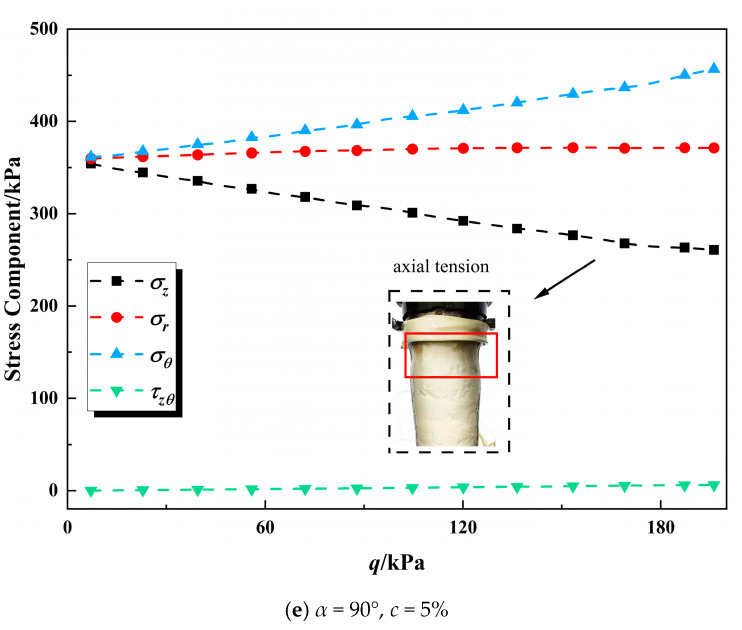 Figure 14
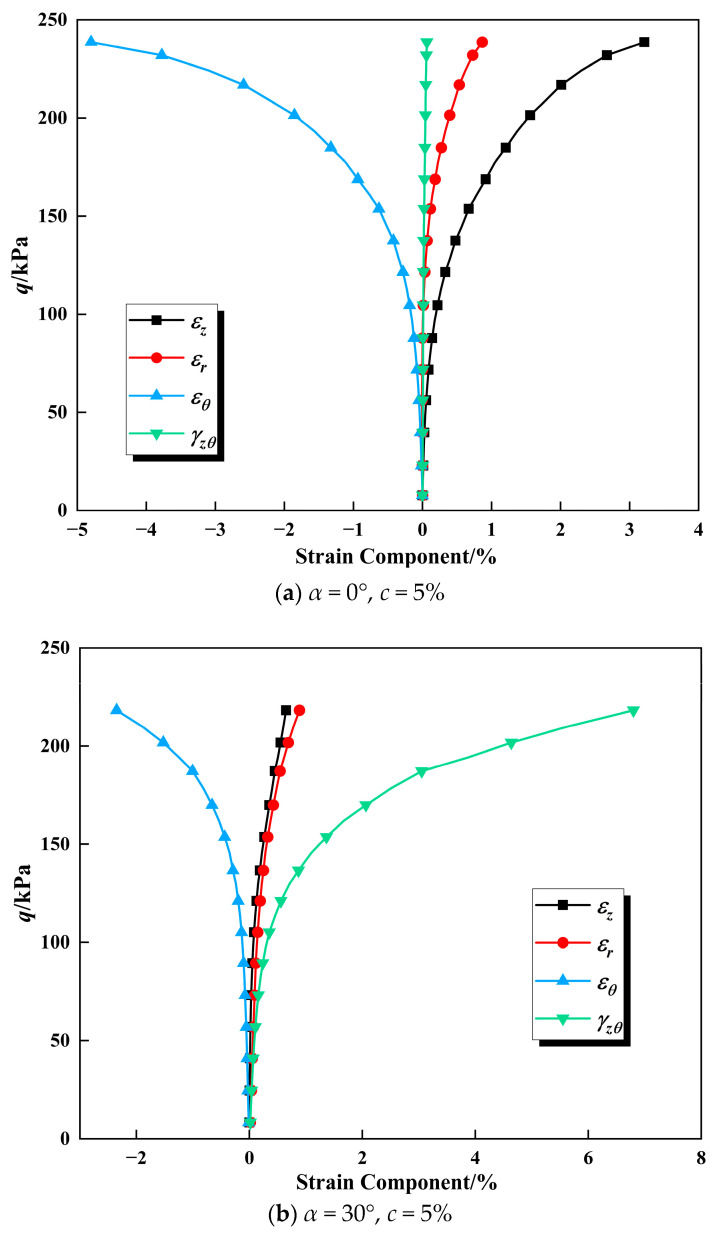 Figure 15
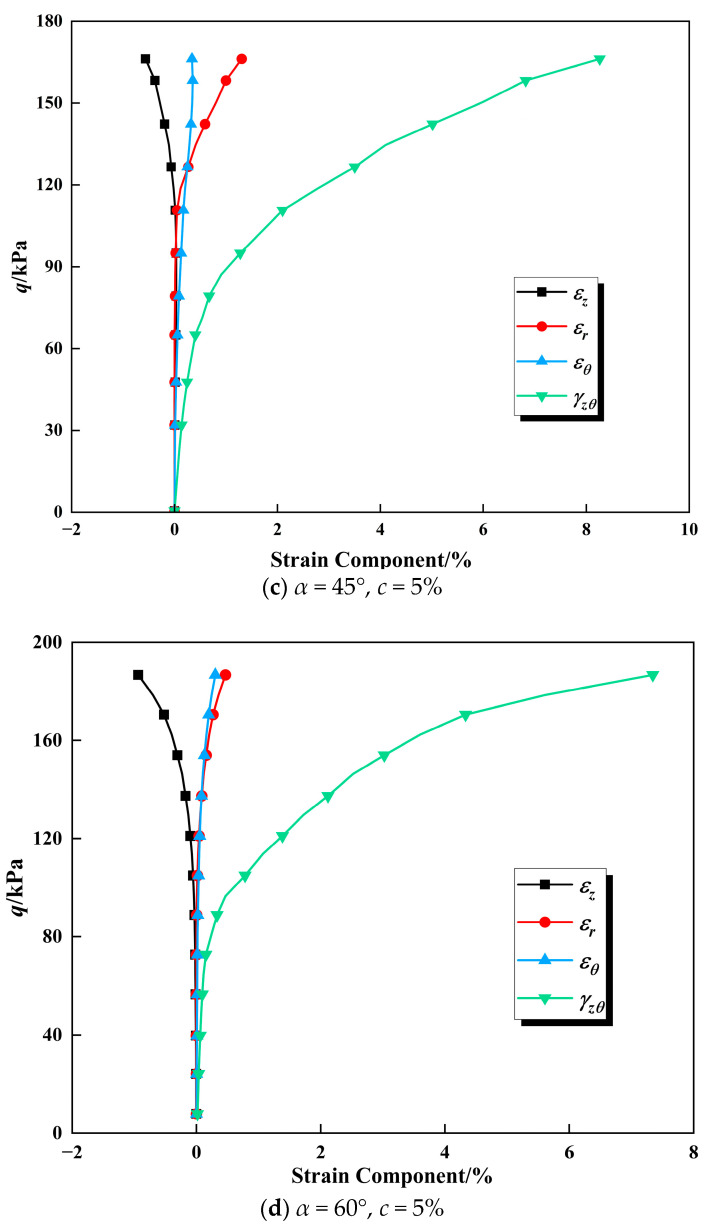 Figure 16
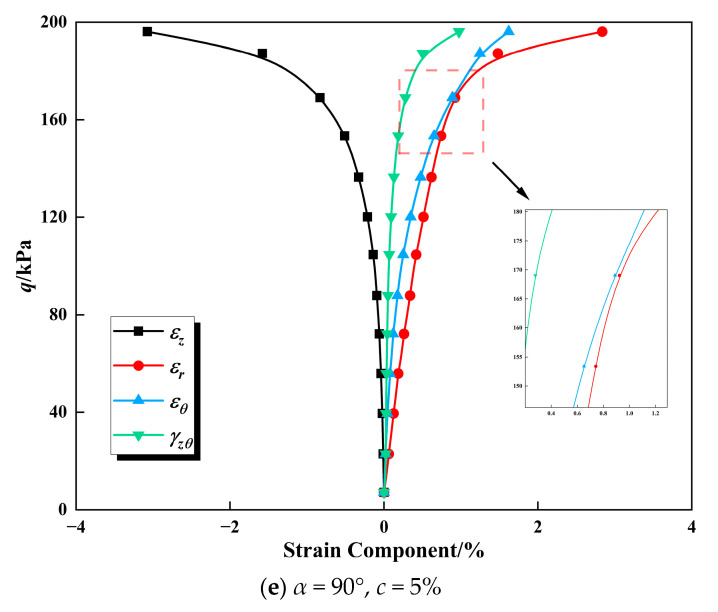 Figure 17
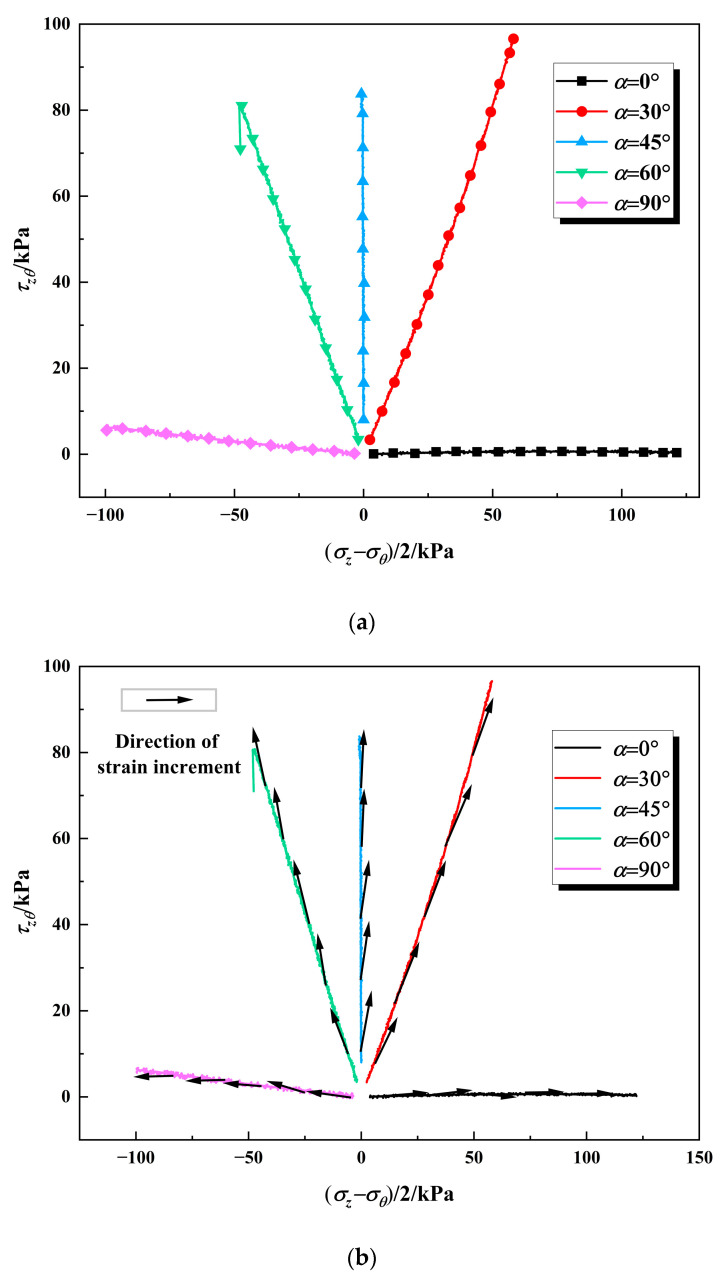 Figure 18
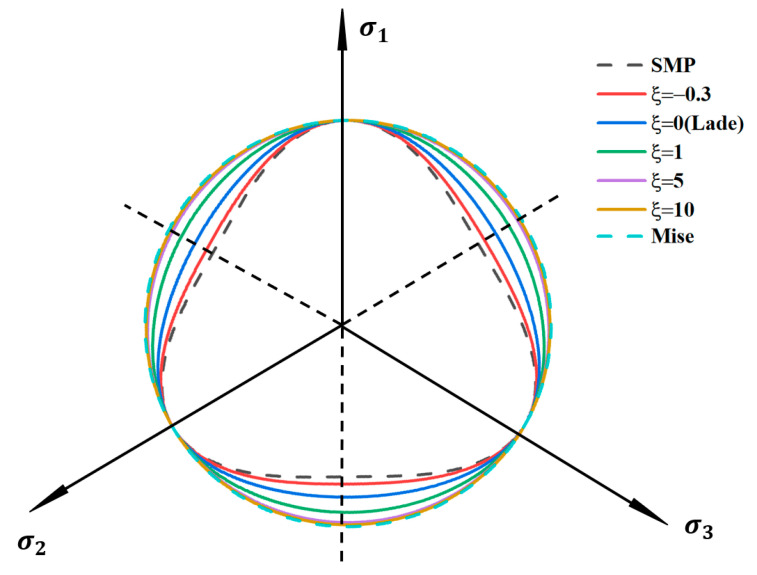 Figure 19
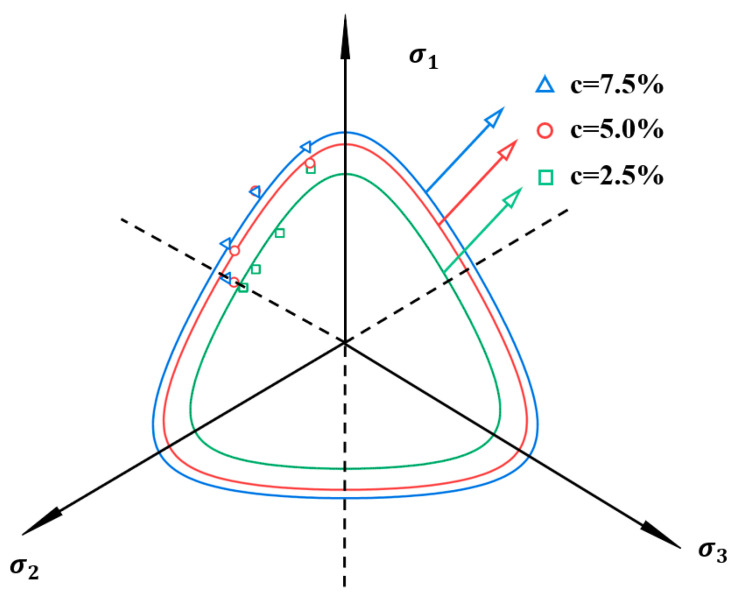 Figure 20
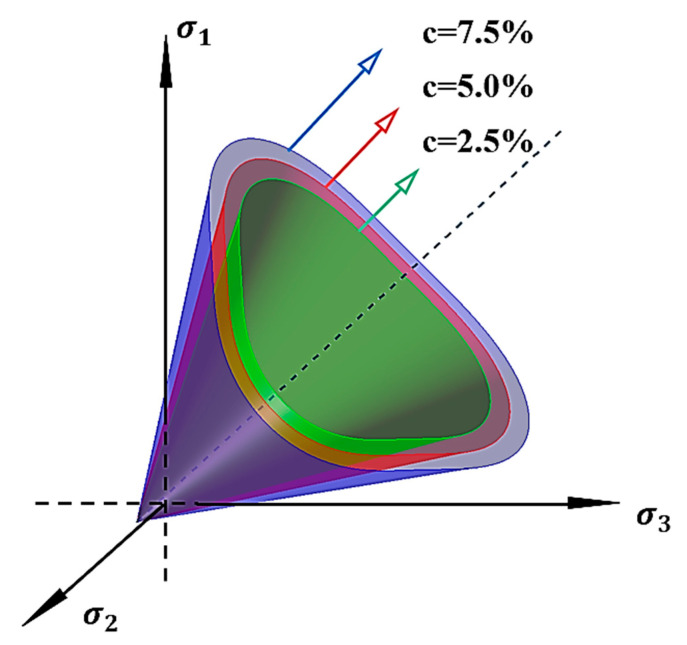 Figure 21
Peer Reviews
No public reviews on file for this paper yet. If you reviewed it on a platform where reviews are public (OpenReview, ICLR, NeurIPS, ICML), you can paste yours below so the community can read it here.
Videos
No videos yet. Explain this paper in a talk, walkthrough, or lecture? Add one.
Taxonomy
TopicsGeotechnical Engineering and Soil Stabilization · Grouting, Rheology, and Soil Mechanics · Geotechnical Engineering and Underground Structures